
Akizuki
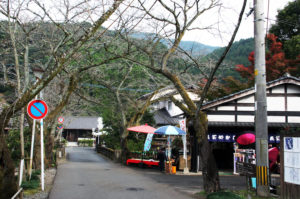
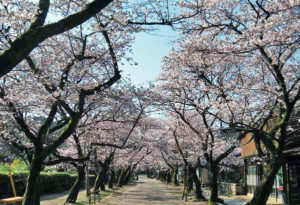
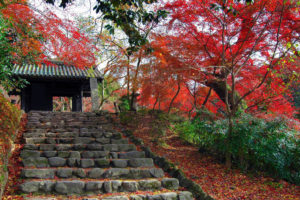
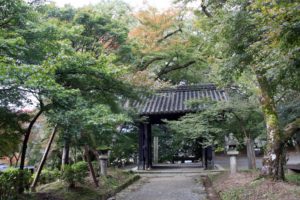
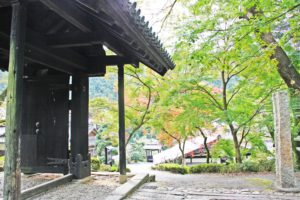
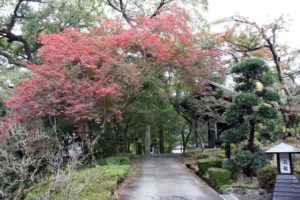
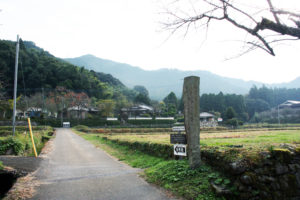
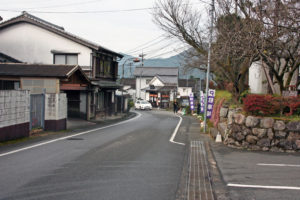
Akizuki is a former castle town located in northern Asakura. It is a famous spot for
cherry blossoms in the spring and vibrant foliage in the autumn.
 |
 |
 |
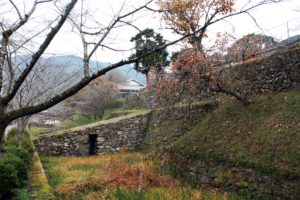
You can enjoy the harmony of countryside landscape and former castle town scenery that
makes the atmosphere like a time of 400 years ago.
 |
 |
 |
 |
 |
 |
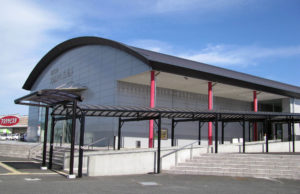
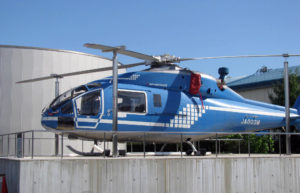
Tachiarai Peace Memorial Museum
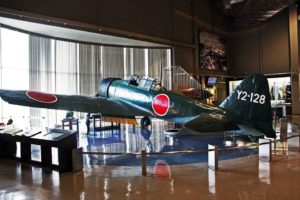
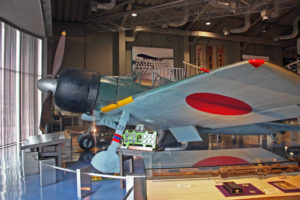
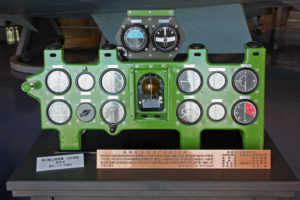
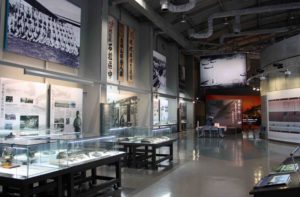
The main exhibit room displays a few letters and other items of kamikaze pilots who died
in battle. One case has photos of about 50 kamikaze pilots from Tachiarai Air Base and
includes the following information on each pilot: name, unit, plane used, date of death,
and air base of final sortie.
 |
 |
 |
The museum does not give any historical summary of the kamikaze operations but rather
focuses on the stories of the pilots stationed at Tachiarai Air Base.
 |
 |
 |
Yamada Weir
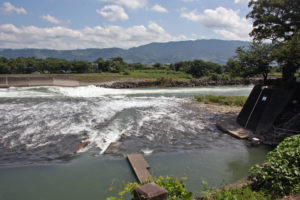
Only here in Japan, the stone-covered Weir constructed. Yamada weir is a construction for
the irrigation system that water is supplied from Yamada weir in Chikugo through the canal
to the Triple Water Wheel to rice field.
|
Chikugo River |
Triple Water Wheel |
Rice field |
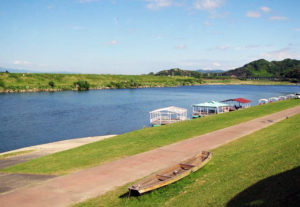
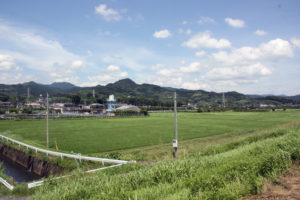
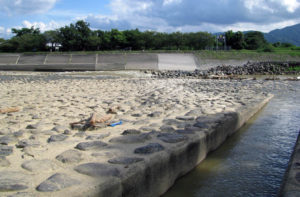
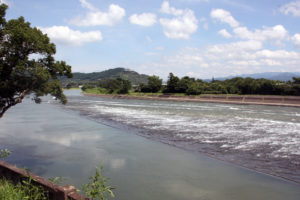
The large and small stones are stacked against water flow, and leads water to the irrigation canal
while suppressing the momentum of the Chikugo River. The Yamada Weir was completed in 1790
and it is the now only structure in Japan.
|
Stone-overed construction |
Yamada Weir |
Water supply area |
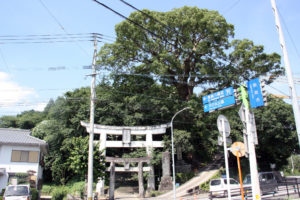
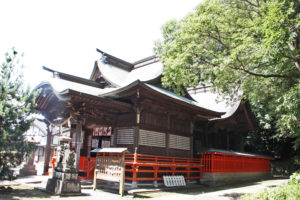
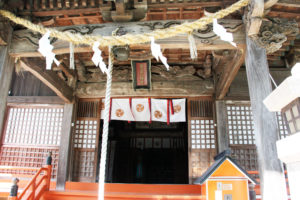
Eso Hachiman Shrine. The Shrine was established in 673 next to Yamada Weir.
|
Shrine gate, Torii |
Main Shrine building |
Deity of the Shrine |
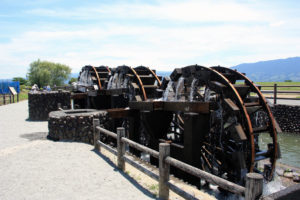
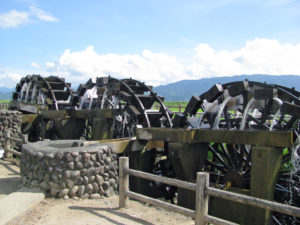
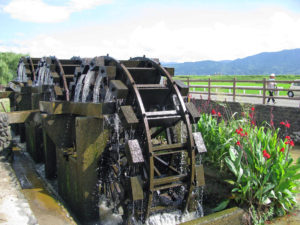
Asakura Triple Water Wheel
Asakura is the only area in Japan to use water wheels for irrigation. The irrigation system
used the Triple Water Wheel was completed in 1760. The water is supplied from Yamada
weir in Chikugo through the canal to the Triple Water Wheel. And then the water distributed
to each rice field by Triple Water Wheel.
 |
 |
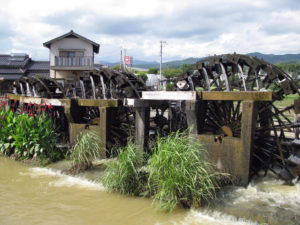 |
The water wheel currently operates between mid June and mid October, irrigating an area
of 35 hectares along with two other pumping water wheels (Mijima Double Water Wheel and
Hisashige Double Water Wheel).
|
Bank of Chikugo River |
Chikugo River |
Yamada Weir |
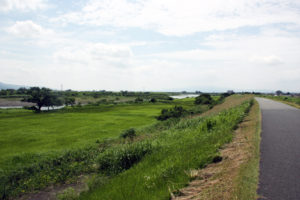
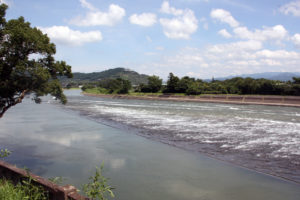
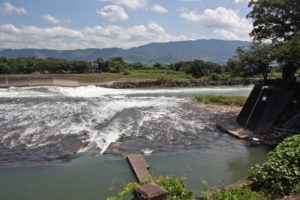
The Triple Water Wheel is a Municipally-Designated Tangible Folk Cultural Asset and
became a Government-Designated Historical Site in 1990.
|
Canal |
Rice field |
Rice field |
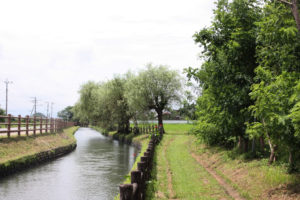
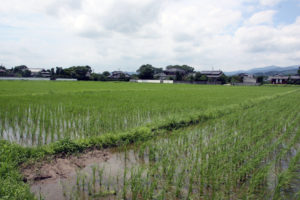
Toho Village
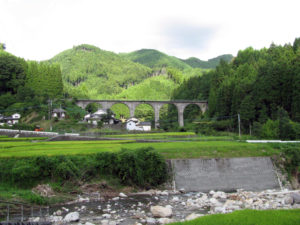
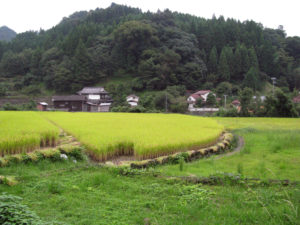
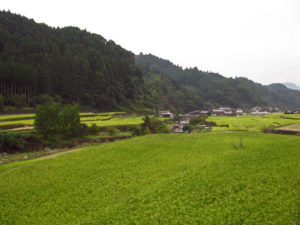
Hoshuyama district, a mountain area blessed with nature, Koisiwara district, pottery industry
representative of Kyushu. Toho is a small village with a population of about 2,000 people in
Fukuoka-prefecture, and is located north side of Asakura-city. The Village consist of Hoshuyama
district and Koishiwara district. On July 5, 2017, the heavy rain disaster occurred in the northern
part of Kyushu, and Toho Village, both Hoshuyama and Koishiwara districts also suffered
great damages. Even, it takes a little time to return to previous conditions, you can enjoy
your journey here.
Hoshuyama district
 |
 |
 |
Koishiwara district
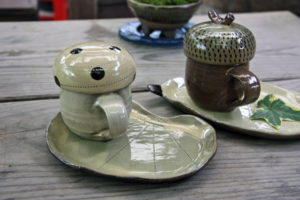
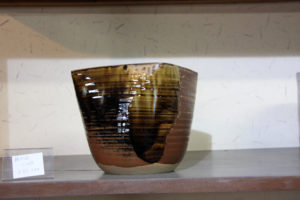
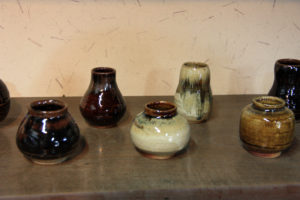
Koishiwara-yaki pittery
A type of Japanese traditional pottery in Koishiwara. The history dates back to the 17th century,
when the third Lord Kuroda Mitsuyuki (1628–1707) invited potters from Imari, Saga-prefecture
to Fukuoka.
 |
 |
 |
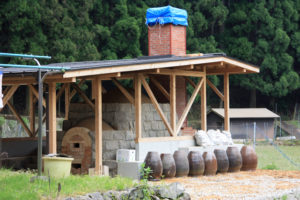
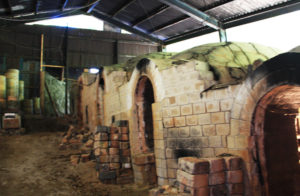
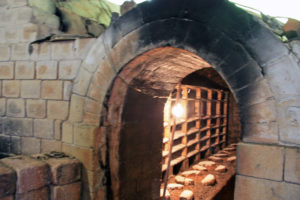
Furnace for pottery
 |
 |
 |
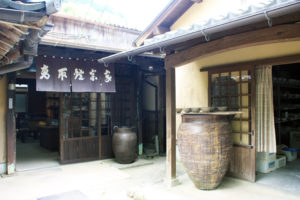
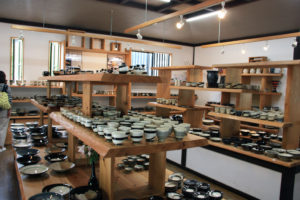
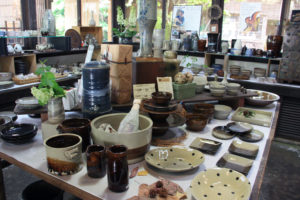
Featured Pottery, Takatori-yaki Hachizan
 |
 |
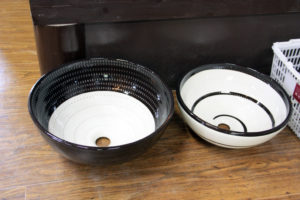 |
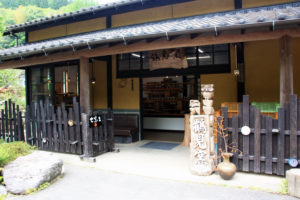
Featured Pottery, Koisiwara-yaki Tsurumi Pottery
 |
 |
 |
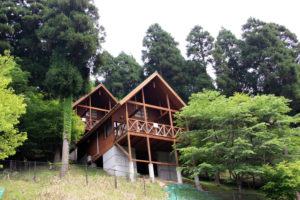
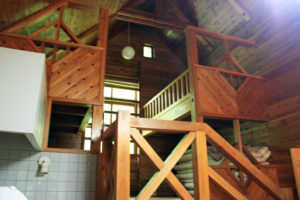
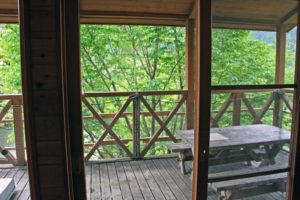
Lodge in the Ponta no mori (Ponta forest)
 |
 |
 |
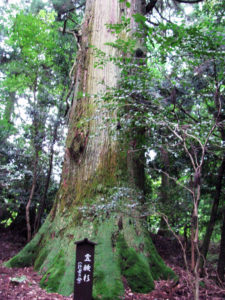
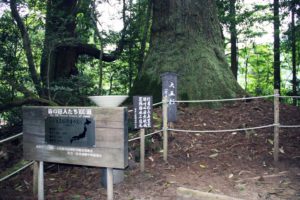
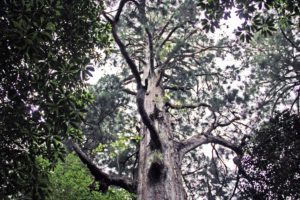
Gyoja sugi
The big Cedar, called Gyoja sugi, literary meaning is Religious Trainee Cedar planted more
than 600 years ago. Circumference length : 8.3 metre, height : 52 metre.
 |
|
|
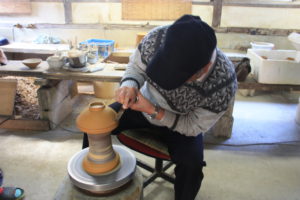
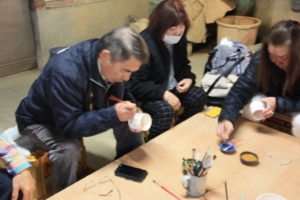
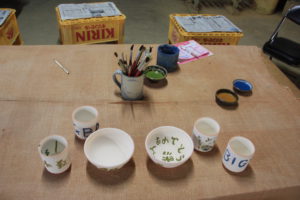
Pottery experience at Koishiwara
Make your own original Koishiwara-yaki pottery. Try your hand at making the famous local
Koishiwara-yaki pottery at Ota-gama pottery, by learning how to create your own piece of
Koishiwara-yaki pottery.
 |
 |
 |
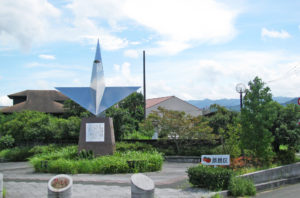
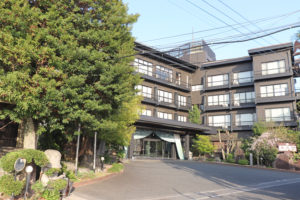
Harazuru Onsen
The Skin-Smoothing Escape
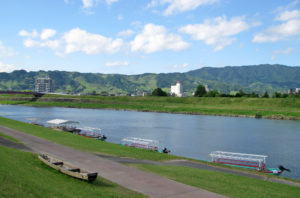
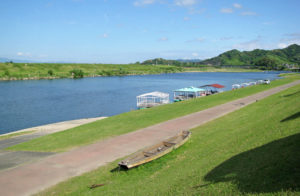
Located along the scenic Chikugo River, Harazuru is renowned for its unique mix of alkaline and
sulfur waters, known to soften and brighten the skin.
Just one hour from Fukuoka City, this relaxing destination offers traditional Ukai (cormorant fishing)
in summer and year-round fruit picking experiences.
 |
 |
 |
 |
 |
 |
 |
 |
 |
 |
 |
 |
Pottery experience at Koishiwara
This Tourist information is created by Japan KYUSHU Tourist for enjoyment
of your travel. We are a Travel Agent in Fukuoka specializing in Kyushu.
When you have an idea or a plan for traveling in Kyushu, Japan, please contact
us by sending an Enquiry.
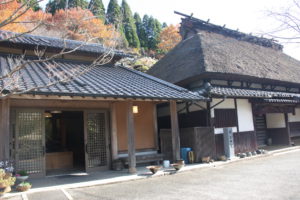
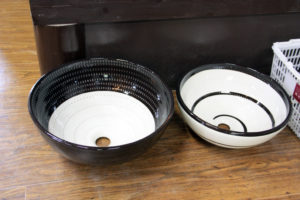
Make your own original Koishiwara-yaki pottery. Koishiwara-yaki is a type of Japanese
traditional pottery in Koishiwara. The history dates back to the 17th century, when the third
Lord Kuroda Mitsuyuki (1628–1707) invited potters from Imari, Saga-prefecture to Fukuoka.
 |
 |
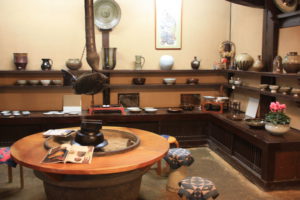 |
Try your hand at making the famous local Koishiwara-yaki pottery at Ota-gama pottery,
by learning how to create your own piece of Koishiwara-yaki pottery.
 |
 |
 |
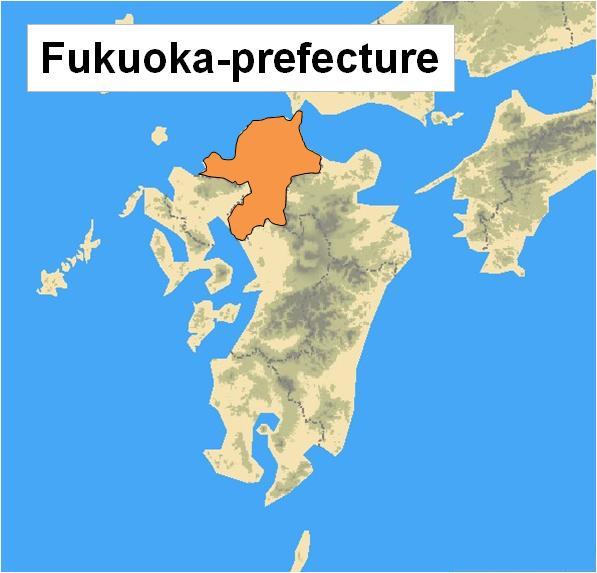
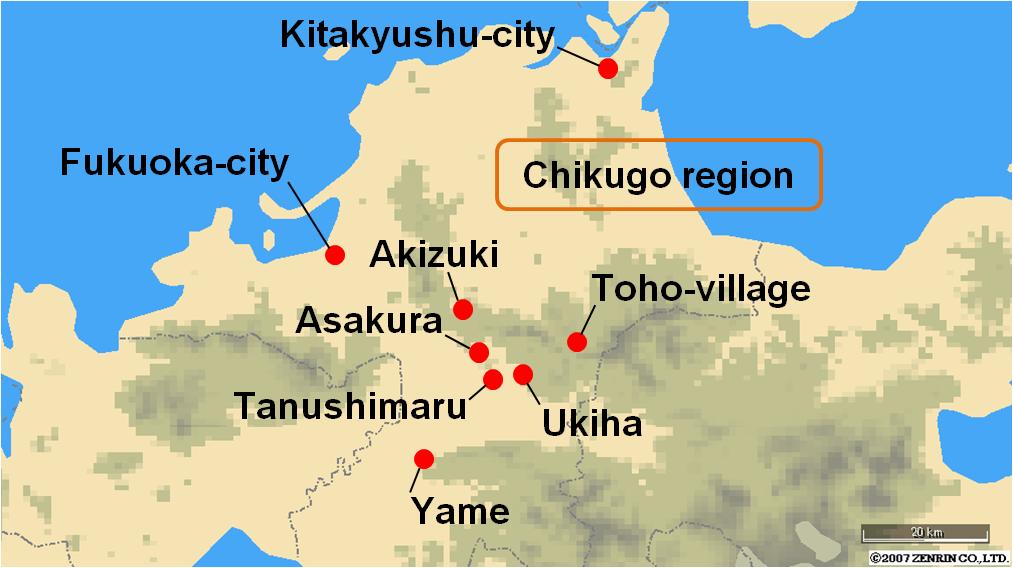
Location of Toho village Koishiwara
General information
| Address |
Village hall ; 6425 Oaza-Hoshuyama, Asakura-gun, Fukuoka-prefecture |
| Access |
70 minutes by a vehicle from Fukuoka-city 60 minutes by a vehicle from Dazaifu-city 80 minutes by a vehicle from Yanagawa-city 90 minutes by a vehicle from Kitakyushu-city |
| Population | 2,000 pupulation density : 39 / km2 |
 WhatsApp: Chat with us