
Kyushu Travel Guide
 Fukuoka-prefecture
Kyushu Travel Guide Created by Japan Kyushu Tourist
Welcome to your exclusive Kyushu Travel Guide.
We believe that understanding a culture makes any trip extraordinary.
This guide is filled with unique insights and genuine photos from our own travels
across the region.
We hope it inspires your next wonderful journey. Happy exploring!
|
|
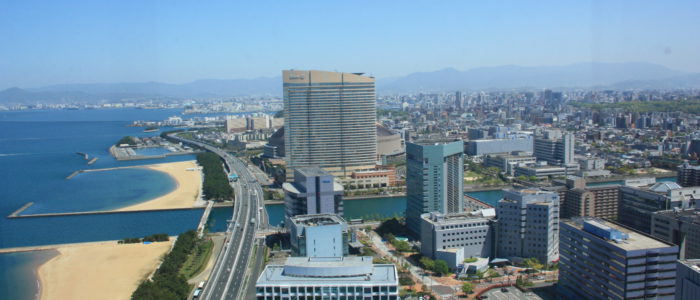
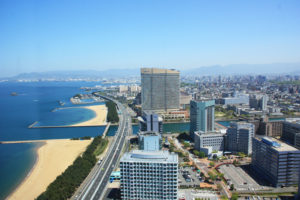
Fukuoka is Kyushu’s largest city and the dynamic gateway to Japan. Centered around culture, fashion, and commerce, this energetic hub features an international airport, making it the ideal starting point for your journey. |
|
|
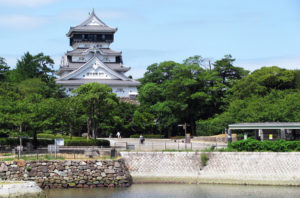
As Kyushu’s second-largest city, Kitakyushu offers diverse attractions: breathtaking night views from Mt. Sarakura, the rich history of Kokura Castle town, scenic Mojiko Retro on the Kanmon Strait, and Yahata’s World Industrial Heritage sites. |
|
|
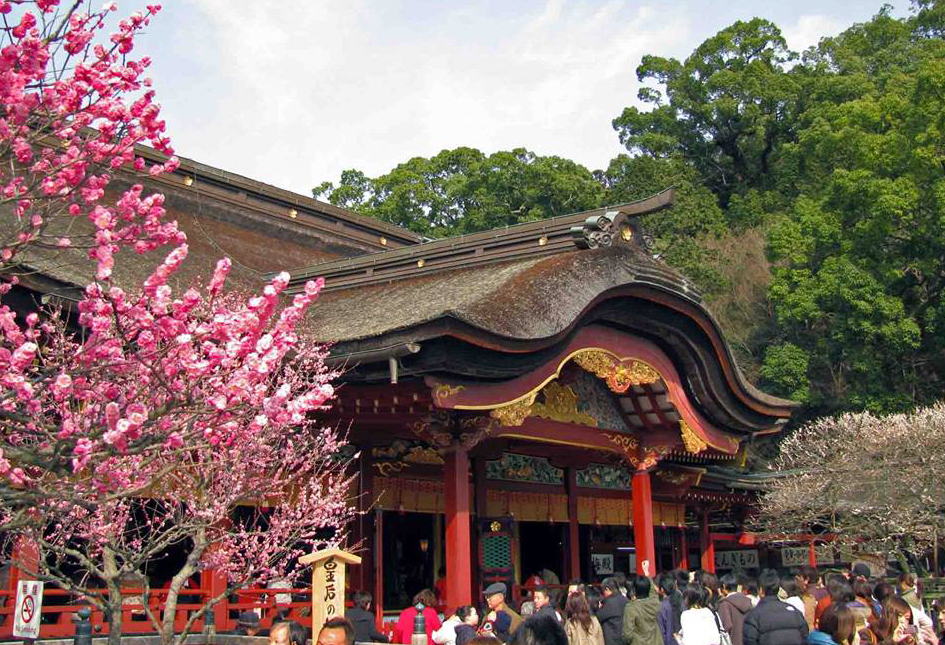
Dazaifu is a premier destination in Fukuoka for experiencing traditional Japanese culture. From the 7th to 12th centuries, it served as Japan’s “Western Capital” and the administrative center of Kyushu, acting as the front line for diplomacy and a vital gateway to Asia. |
|
|
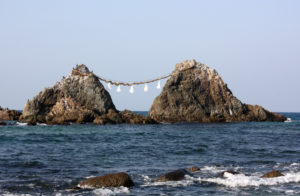
Located next to Fukuoka City, Itoshima faces the Genkai Sea, boasting beautiful beaches and a dynamic, rugged coastline. Nestled between the sea and the southern Sefuri Mountains, the region offers a serene, tranquil landscape |

|
Yanagawa is a scenic canal town facing the Ariake Sea, historically built on reclaimed land with a vital network of waterways. As a former castle town, this charming destination is renowned today for its relaxing boat cruises and local specialty eel. |
|
|
Located in western Fukuoka and facing the Genkai Sea, the Munakata Region features beautiful coastal scenery and sacred sites designated as a UNESCO World Heritage, titled “Sacred Island of Okinoshima and Associated Sites. |
|
|
Located in southern Fukuoka across the fertile Chikugo Plains, Asakura is a thriving agricultural area with relaxing natural scenery. The region features the tranquil Harazuru Onsen resort along the river and the historical Akizuki Castle Ruins. |
|
|
Enjoy year-round fruit picking in Ukiha, a nature-rich area famous for orchards along the Mino Mountain Range. It also features Yoshii, a historic Edo-period post town today home to excellent local sake breweries. |
 |
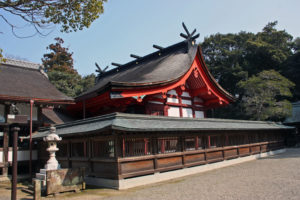
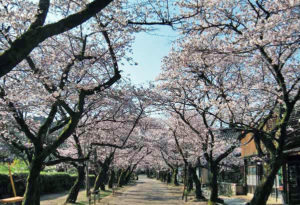
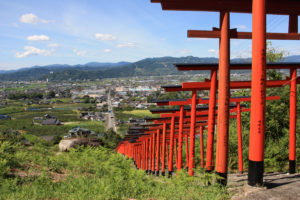
Yame is a peaceful rural region renowned as the home of Japanese green tea and traditional crafts. The ultimate highlight here is tasting Gyokuro, Japan’s highest-grade tea, produced in the scenic Hoshino Village. |
|
|
Stretching from Mount Sefuri to the Ariake Sea, Saga is home to the 2,400-year-old Yoshinogari Ruins and served a s a cradle for Japan’s modernization |
|
|
Located in northwestern Saga, Karatsu and Yobuko have long flourished as a vital trade hub with mainland China. Today, Yobuko is renowned for its fresh, translucent squid sashimi. |
|
|
Takeo boasts a 1,200-year history in western Saga, while nearby Ureshino is a renowned hot spring resort famous for its healing waters.
|
|
|
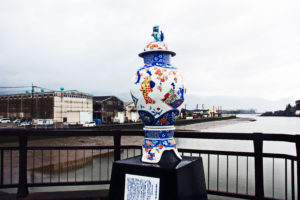
Nestled in the mountains of northern Saga, Arita is the 17th-century birthplace of Japanese porcelain. It is renowned for precious works featuring elegant, colorful designs on translucent white porcelain. |
|
|
Renowned for its 400-year porcelain history, Imari sits by the scenic bay next to Arita. Don’t miss Okawachiyama, a famous pottery village home to more than 30 historic kilns. |
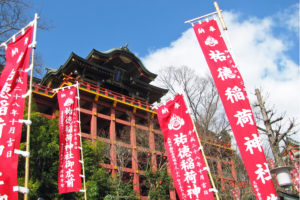 |
Located 60 kilometers southwest of Saga City, Kashima’s top highlight is the stunning Yutoku Inari Shrine. Exploring the historic local sake breweries is also highly recommended.
|
|
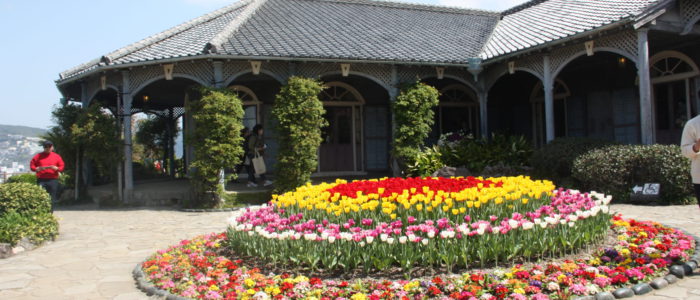
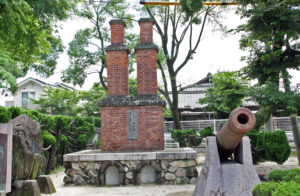
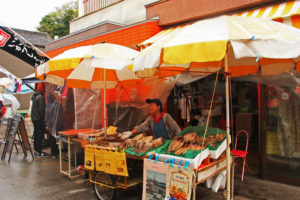
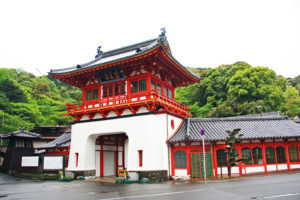
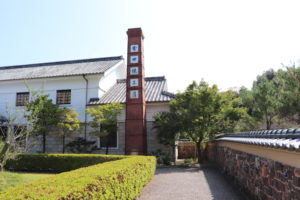
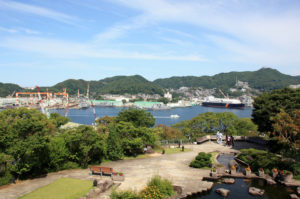
Nagasaki As Japan’s first international port since 1571, Nagasaki developed a unique blend of Japanese, Western, and Chinese cultures. The city holds deep historical significance, reflecting Christian heritage, industrial modernization, and the tragedy of WWII. |
|
|
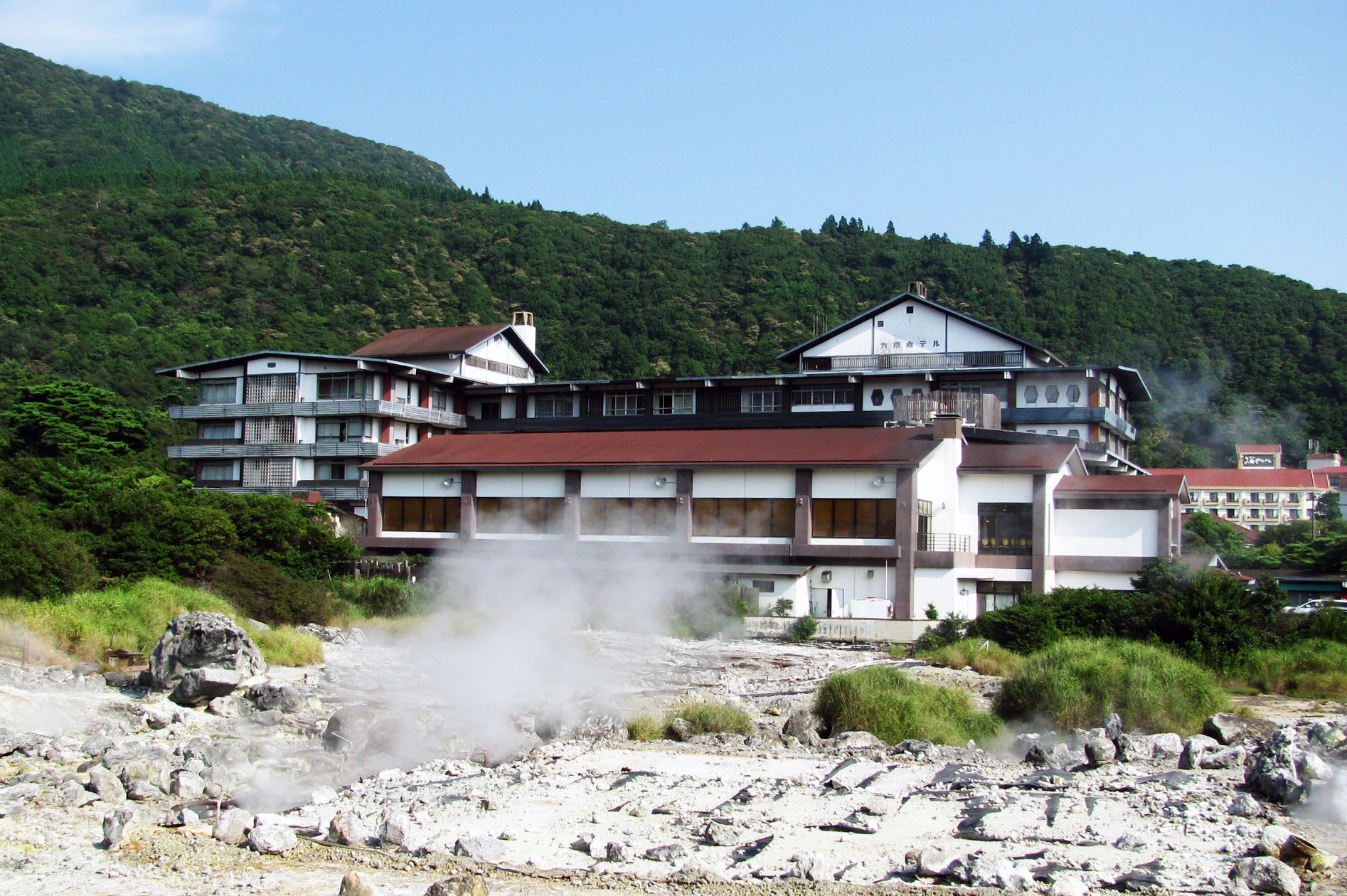
Unzen is a year-round hot spring resort located 700 meters above sea level within a national park. Surrounded by the Ariake Sea, it offers an otherworldly atmosphere with the steaming landscapes of Unzen Jigoku. |
|
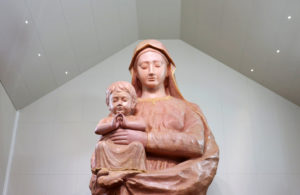
The Shimabara region includes Shimabara City in the east and Minami-Shimabara City in the south. It features beautiful nature, hot springs, a historic castle town, and Christian heritage sites such as the Hara Castle Ruins and the Holy Mary Kannon. |
|
|
Sasebo is famous for the Kujukushima Islands, where visitors can enjoy a relaxing cruise among numerous small islands. Another main attraction is Huis Ten Bosch, a theme park that faithfully reproduces the beautiful streets and architecture of the Netherlands. |
|
|
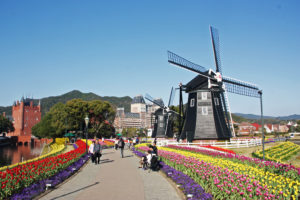
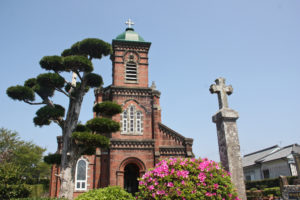
Hirado is a historic port city where Portuguese ships arrived in 1550 and Christianity was introduced by St. Francis Xavier. Located in northwestern Nagasaki, its peninsula and islands are connected by the Hirado and Ikitsuki bridges. |
|
|
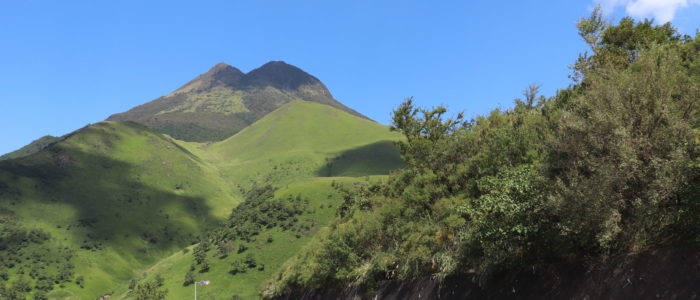
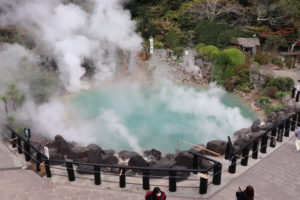
Steam from underground hot springs rises everywhere in Beppu, one of Japan’s most famous Onsen resorts. Nestled at the foot of the volcanic peaks of Mt. Yufu and Mt. Tsurumi, it offers a truly dramatic landscape. For a truly unique experience, the exciting “Hell Tour” (Jigoku Meguri) is highly recommended. |
|
|
Nestled in a peaceful basin, Yufuin is a beautiful, tranquil Onsen
resort that blends in perfect harmony with nature. Yunotsubo
Avenue, Lake Kinrinko, and the charming Yufuin Floral Village
are all highly worth exploring.
|
|
|
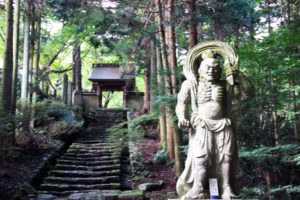
The Kunisaki Peninsula is a peaceful, rural gem located in northeastern Oita Prefecture. While it is highly popular for its relaxing Onsen (hot springs), scenic trekking, and delicious local cuisine, the peninsula holds a much deeper magic. Over 1,300 years ago, this land emerged as a sacred religious sanctuary, deeply rooted in ancient mountain and nature worship. |
|
|
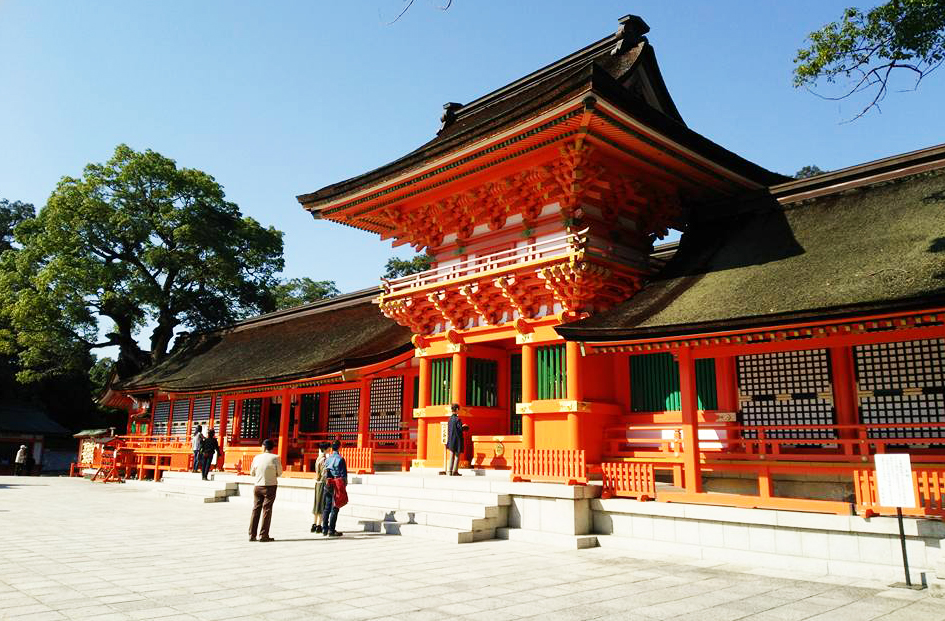
Usa and Ajimu are situated at the base of the Kunisaki Peninsula,
in close proximity to the historic Usa Shrine. For centuries, this
area has been revered as sacred ground, renowned for the
harmonious blending of Shinto and Buddhist traditions.
|
|
|
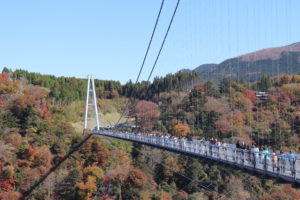
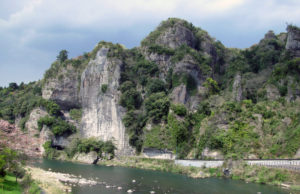
Nakatsu flourished as a historic castle town during the Edo period. While the city has grown over the years, the beautifully reconstructed Nakatsu Castle remains its iconic landmark, offering breathtaking coastal views from its observation deck. Just a short drive away, the scenic Yabakei area features dramatic rock formations and relaxing hot springs nestled peacefully within the valleys of the Yamakuni River. |
 |
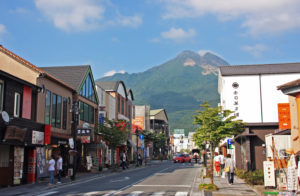
Okubungo, affectionately known as “Onsen Country,” is a region blessed with abundant nature in the Ono River basin. This beautiful land is cradled by the majestic Aso and Kuju mountain ranges, creating a truly spectacular landscape. |
|
|
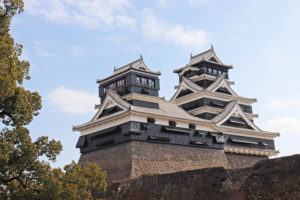
Kumamoto is the third-largest city in Kyushu, ideally located in the island’s center between the Aso region and the Ariake Sea. The city features Kumamoto Castle, one of Japan’s three premier castles. Visitors can also enjoy shopping and local food in Shimotori, one of the country’s largest shopping arcades. |
|
|
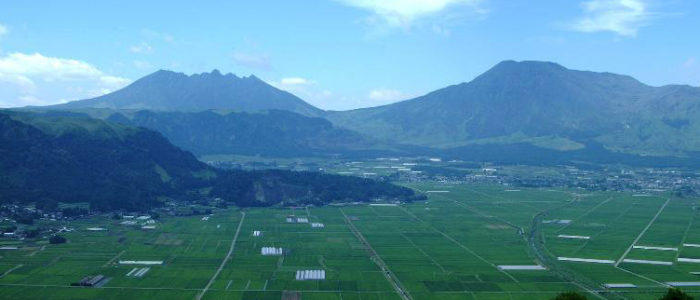
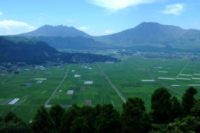
The Aso region boasts one of the world’s largest calderas, formed by prehistoric volcanic eruptions. Inside lie the Five Peaks of Aso, including Mt. Nakadake—an active volcano where visitors can view the crater up close (weather permitting). Daikanbo Peak on the outer rim offers breathtaking, panoramic views of the peaks and green plains below. |
|
|
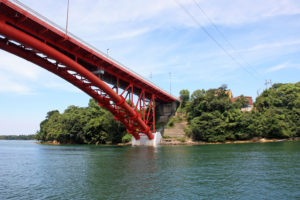
Amakusa is an archipelago west of Kumamoto, designated as a “Japanese Geopark” for its lush islands and unique geology. Visitors can enjoy fresh seafood, boat tours, and dolphin watching. The region also holds deep historical significance, featuring unique Christian heritage and UNESCO World Heritage sites. |
|
|
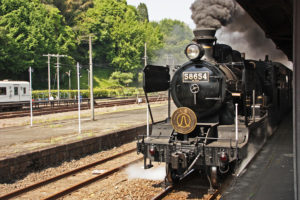
Hitoyoshi is a historic castle town along the Kuma River. Often called Kyushu’s “Little Kyoto,” it is famous for its onsen, river boat tours, limestone caves, rich steam locomotive heritage, and local shochu distilleries. |
|
|
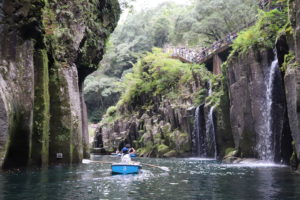
Located just south of the Aso region, Takachiho offers both dynamic nature and a serene spiritual experience. The breathtaking Takachiho Gorge was formed by ancient volcanic activity from Mt. Aso. This spectacular, deep, V-shaped gorge features impressive columnar joints, carved out over millennia by the erosive flow of the Gokase River. |
|
|
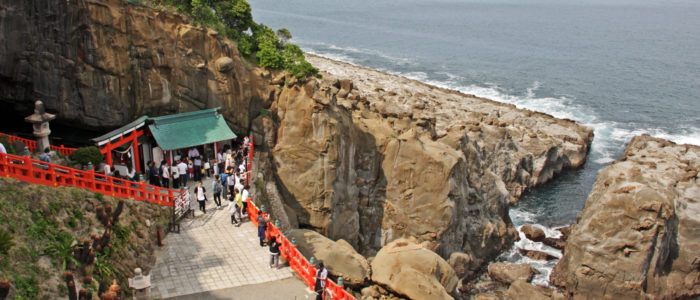
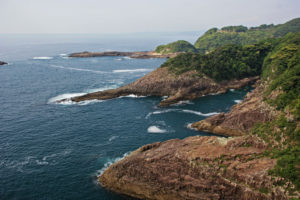
Hyuga is a bay-front city facing the Hyuga-nada Sea, famous for its excellent surfing and beautiful seascapes. The spectacular scenery features artistic columnar rock formations, sculpted by years of weathering and the powerful, constant waves. |
 |
The Miyazaki and Nichinan region, facing the Pacific Ocean, is located in a subtropical climate zone. The landscape is stunning, characterized by a beautiful combination of abundant sunshine and ocean views. The area offers a variety of attractions, including ocean resorts, unique wildlife habitats, and many historical and rel gious sites such as ancient castles and seaside shrines. |
|
|
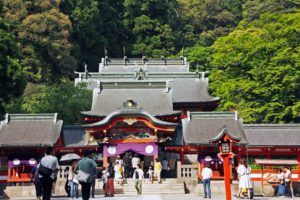
The Onsen resort region is located at the foot of the Kirishima Mountains. Kirishima Jingu Shrine is one of the most beautiful and mystical shrines in Kyushu, completely surrounded by a deep forest. views, and then relax in the area’s volcanic hot springs. |
|
|
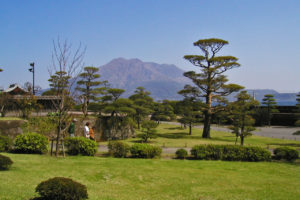
Kagoshima is the southernmost major city in Kyushu. From here, you can see Sakurajima Island and its active volcano, with plumes of smoke and steam constantly rising across Kagoshima Bay. today, Tenmonkan serves as its largest shopping district. |
|
|
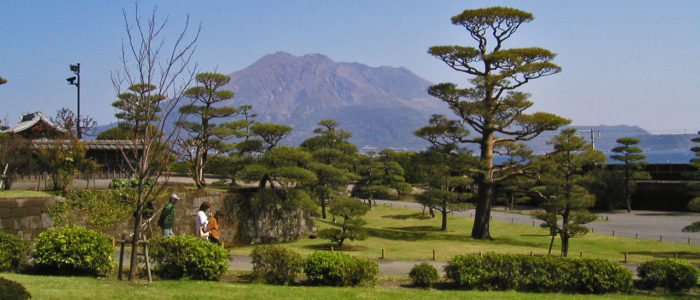
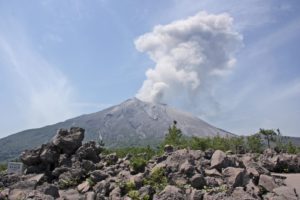
Sakurajima is the iconic symbol of Kagoshima. Plumes of smoke and steam can be seen rising almost every day from the active craters of Minamidake. Formerly after a massive lava flow filled the channel between them. a true island, it became connected to the Osumi Peninsula in 1914 After a short ferry ride from the mainland, visitors can access several observation points that offer stunning views of the volcano. |
|
|
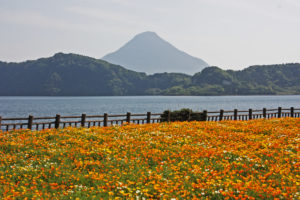
Ibusuki is a renowned Onsen resort famous for its unique natural sand steam baths along the shores of Kinko Bay. Located at the southern tip of the Satsuma Peninsula, the area offers spectacular ocean views and is a peaceful rural region known as the “home of the sweet potato. |
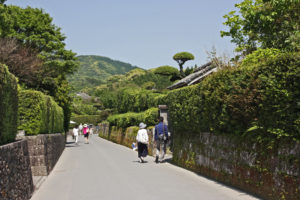 |
Chiran is a charming town located in the heart of the Satsuma Peninsula. Often referred to as “Little Kyoto,” it features a beautifully preserved historic Samurai district with a collection of traditional residences and gardens. offers a profound look into the region’s history. |
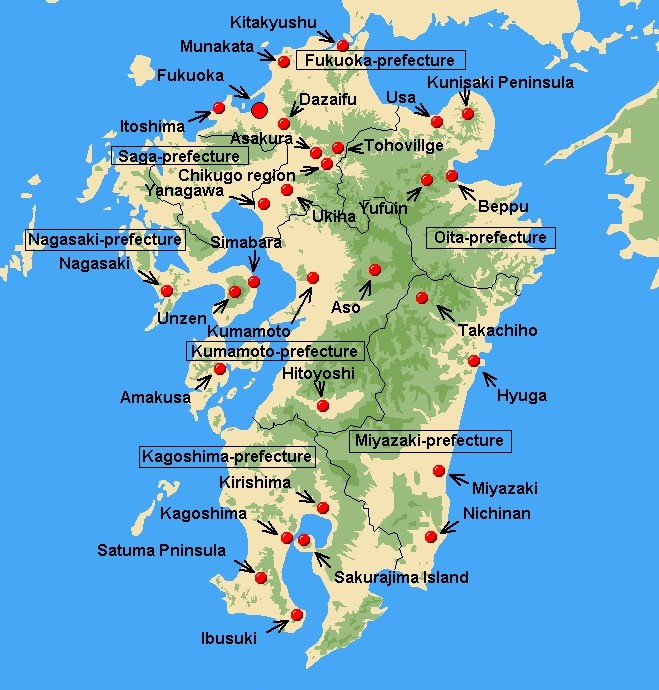
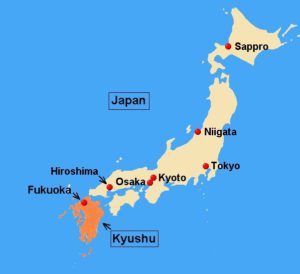
Kyushu Travel Map
 WhatsApp: Chat with us