
-

-
Dejima
2026/08/18
Nagasaki travel guideDejima was a fan-shaped artificial island in Nagasaki Bay that was used as a trading port during Japan’s period of national isolation in the Edo period. In 1636, Dejima was constructed to confine the Portuguese living in Nagasaki and to prevent the spread of Christianity. In 1639, trade with Portugal was banned, leaving Dejima temporarily uninhabited. In 1641, the Dutch trading post in Hirado was moved to Dejima, marking the beginning of trade with the Dutch as Japan’s sole gateway to Europe. Until 1853, numerous European technologies and cultures were introduced here through the Dutch. Entrance of Dejima Fan-shaped artificial island, was built in 1636 Dejima used from 1641 until 1853 A project to restore Dejima is underway. In 2000, five buildings including the Deputy Factor’s Quarters were completed and opened to the public. Dejima International Club Building of residence, cooking room, warehouse The old Dejima seminary, a Christian theological school In the spring of 2006, the restoration was finalized for several key structures, including the Chief Factor’s Residence, the Japanese Officials’ Office, the Head Clerk’s Quarters, No. 3 Warehouse, and the Sea Gate. Design Your Kyushu Trip We arrange tailor-made Kyushu private tours. Connect below via your preferred method:
-

-
Ground Zero
2026/08/18
Nagasaki travel guideSuch a disastrous war must never be repeated. At 11:02 a.m. on August 9, 1945, a plutonium atomic bomb detonated approximately 500 meters above the central monument. Most of Nagasaki was destroyed, and a tremendous number of lives were lost; about 70,000 out of Nagasaki’s 240,000 residents died instantly, and up to 60,000 others were injured. The radius of total destruction was approximately 1.6 kilometers, with subsequent fires spreading across the northern part of the city and extending up to 3.2 kilometers south of the hypocenter. Design Your Kyushu Trip We arrange tailor-made Kyushu private tours. Connect below via your preferred method:
-
-
Glover Garden
2026/08/18
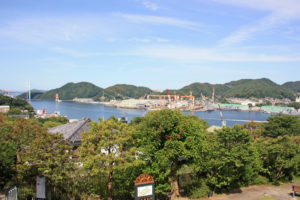
Nagasaki travel guideExplore Glover Garden in Nagasaki Located on Minami-Yamate Hill, Glover Garden offers a captivating look into Nagasaki’s history from the late Edo to the Meiji period. The park features nine traditional Western-style buildings with unique Japanese roof tiles, where foreign merchants once lived. Among these, the Glover, Alt, and Ringer Residences are over 150 years old and stand as invaluable historic treasures. Beyond its rich history, the garden boasts a stunning panoramic view of Nagasaki Port, with the iconic Mt. Inasa serving as a beautiful backdrop. The Glover Residence: A UNESCO World Heritage Site Built in 1863, the Glover Residence is Japan’s oldest wooden Western-style building and was registered as a UNESCO World Heritage Site in 2015. It was the home of Thomas Glover, an enterprising Scotsman who arrived in Nagasaki in 1859. He played a massive role in modernizing Japan by operating coal mines, founding Japan’s first modern shipyard, supplying weapons to the Satsuma clan, and helping establish the famous Kirin Brewery. Today, this beautiful historic house offers a captivating glimpse into 19th-century Western culture overlooking Nagasaki Bay. The Inspiration for Madame Butterfly The Glover Residence is widely believed to be the setting for Puccini’s famous opera, Madame Butterfly. Inside the park, you can see a life-size statue of Tamaki Miura, …
-
-
Nagasaki travel guide
2026/08/18
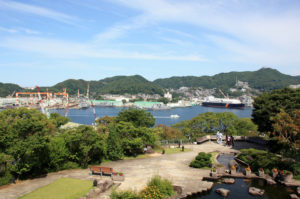
Nagasaki-prefectureSince the opening of its port in 1571, Nagasaki has flourished as Japan’s premier international gateway. The city offers a unique blend of history, from the early spread of Christianity to its pivotal role in Japan’s industrial revolution. While it is a place of profound historical significance—including its tragic experience as the site of an atomic bombing—Nagasaki today stands as a beautiful city of peace and culture. Exploring Nagasaki Glover Garden / UNESCO World Heritage Glover Garden is located on Minami-Yamate Hill in Nagasaki City and features nine traditional Western-style buildings. Among these, the Glover, Alt, and Ringer Residences date back to the settlement era and are invaluable structures that have stood on this site for over 150 years. The garden boasts a stunning location overlooking Nagasaki Port, with the iconic Mt. Inasa visible in the background. Peace Park The Peace Statue was erected in 1955 near Ground Zero, where the atomic bomb was dropped at 11:02 a.m. on August 9, 1945. Every year on August 9, the Peace Memorial Ceremony is held in front of the statue, where the Mayor of Nagasaki delivers the Nagasaki Peace Declaration to the world. Atomic Bomb Museum The museum displays a collection of photographs that depict the devastation of the atomic bombing, the lead-up to the tragedy, the history of nuclear arms, and a collective hope …
-
-
Peace Park
2026/08/18
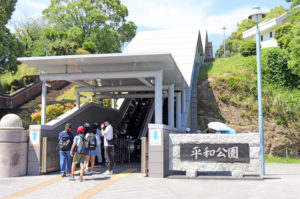
Nagasaki travel guideThe Peace Park was established in 1955 near ground zero, where an atomic bomb was dropped at 11:02 a.m. on August 9, 1945. The Peace Memorial Ceremony is held in front of the statue on August 9 every year, during which the Mayor of Nagasaki delivers the “Nagasaki Peace Declaration” to the world. Peace Fountain The Peace Fountain reminds us of the tragic scene unfolded shortly after America dropped the Atomic bomb in Nagasaki at 11:02 am on Aug. 09, 1945. Bell of Nagasaki Peace Statue The Peace Statue was completed in 1955, ten years after the atomic bombing. The 9.7-meter-high statue sits on a 4-meter-tall pedestal and was created by the renowned sculptor Kitamura Seibo, who was born in Minami-Shimabara, Nagasaki Prefecture, in 1884. Its raised right hand points to the threat of nuclear weapons, while the outstretched left hand symbolizes eternal peace. Monuments Donated from Around the World Design Your Kyushu Trip We arrange tailor-made Kyushu private tours. Connect below via your preferred method:
-

-
About us
2026/08/18
About usThe specialist in Kyushu customized tours from Fukuoka Based in Fukuoka, we are a premier travel agency dedicated exclusively to crafting customized tours throughout Kyushu since 2008. As true specialists of this island, we believe that a perfect itinerary cannot be built from behind a desk. To offer you exclusive access to Kyushu’s hidden gems, we personally explore every corner of the island—from its volcanic highlands to its sacred coastal heritage. This ongoing fieldwork ensures that our recommendations are always current, deeply personal, and verified by our own eyes. When you choose us, you are choosing unmatched local expertise and a journey designed by those who truly know and love Kyushu. Operating fully in English, we are thrilled to welcome travelers from English-speaking nations and all corners of the globe to experience the wonders of Kyushu. Why travelers choose us We propose the most suitable plans precisely tailored to each guest—from standard comfortable trips to luxury experiences and senior groups. To build your dream itinerary, we combine three essential elements of seamless travel: ・Private Transportation: Premium private car with professional English-speaking drivers for small groups, or chartered buses for larger groups. ・Handpicked Accommodations: Carefully selected hotels and traditional Ryokans matching your themes, budget, and cultural pilgrimage tour. Our Services We offer …
 WhatsApp: Chat with us