
Dejima
Dejima was a fan-shaped artificial island in Nagasaki Bay that
was used as a trading port during Japan’s period of national
isolation in the Edo period. In 1636, Dejima was constructed to
confine the Portuguese living in Nagasaki and to prevent the
spread of Christianity. In 1639, trade with Portugal was banned,
leaving Dejima temporarily uninhabited. In 1641, the Dutch trading
post in Hirado was moved to Dejima, marking the beginning of trade
with the Dutch as Japan’s sole gateway to Europe. Until 1853,
numerous European technologies and cultures were introduced
here through the Dutch.
|
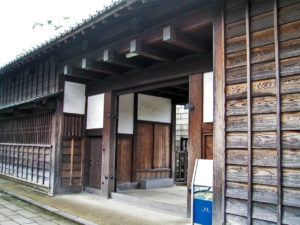
Entrance of Dejima |
Fan-shaped artificial island, was built in 1636 |
Dejima used from 1641 until 1853 |
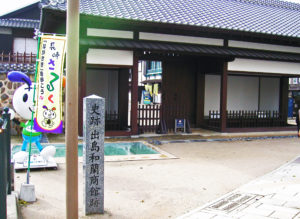
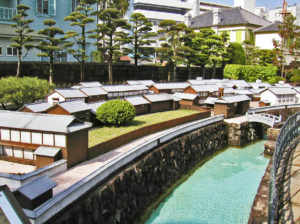
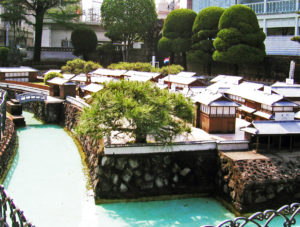
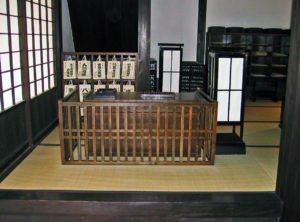
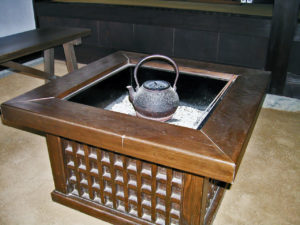
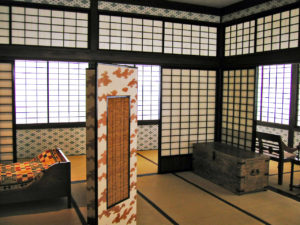
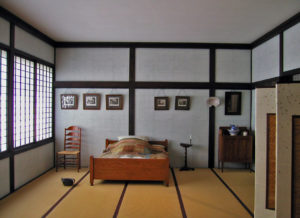
A project to restore Dejima is underway. In 2000, five buildings
including the Deputy Factor’s Quarters were completed and
opened to the public.
|
Dejima International Club
|
Building of residence, cooking room, warehouse |
The old Dejima seminary, a Christian theological school |
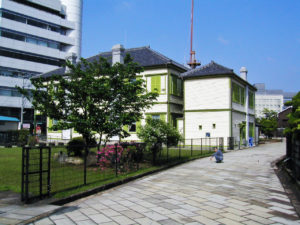
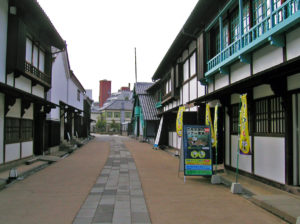
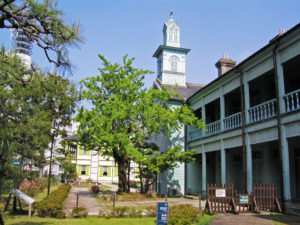
In the spring of 2006, the restoration was finalized for several key
structures, including the Chief Factor’s Residence, the Japanese
Officials’ Office, the Head Clerk’s Quarters, No. 3 Warehouse,
and the Sea Gate.
 |
|
|
 |
 |
 |
|
|
|
|
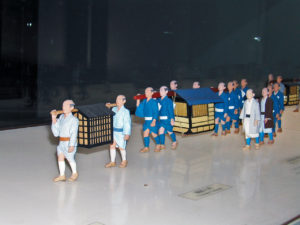
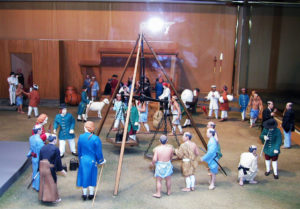
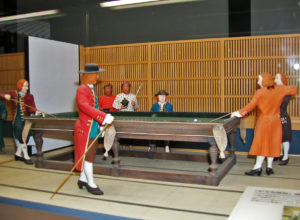
|
|
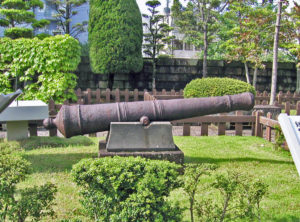 |
|
Design Your Kyushu Trip
We arrange tailor-made Kyushu private tours.
Connect below via your preferred method:
 WhatsApp: Chat with us