
Hidden Christians from 1612
Severe oppression began with the Tokugawa Shogunate’s ban on Christianity.
Missionaries were expelled overseas, while those who remained in secret were
captured and martyred. Konishi Mansho, the last remaining priest during this period,
was also martyred in 1644.
In the absence of priests, believers maintained their faith by ostensibly pretending
to be Shinto or Buddhist. Christian organizations were formed in each village to
preserve their teachings, and the faith was passed down from parents to children,
and from children to grandchildren for generations.
 |
 |
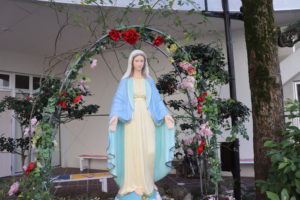 |
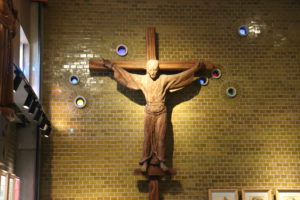
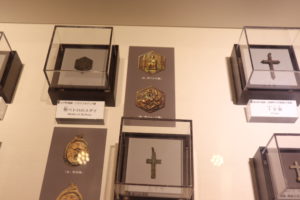
“Kakure Kirishitan” (Hidden Christians)
Even after the ban on Christianity was lifted, some believers chose to continue
practicing their faith in the traditional way passed down through the generations,
rather than returning to the Catholic Church. These people are known as
“Kakure Kirishitan.”
The traditions of the Kakure Kirishitan have been preserved in regions such as
Hirado, Ikitsuki, the Goto Islands, Sotome, and areas surrounding Nagasaki.
 WhatsApp: Chat with us