
Beautiful park and garden
This Tourist information is created by Japan KYUSHU Tourist for enjoyment
of your travel. We are a Travel Agent in Fukuoka specializing in Kyushu.
When you have an idea or a plan for traveling in Kyushu, Japan, please contact
us by sending an Enquiry. Make an Enquiry
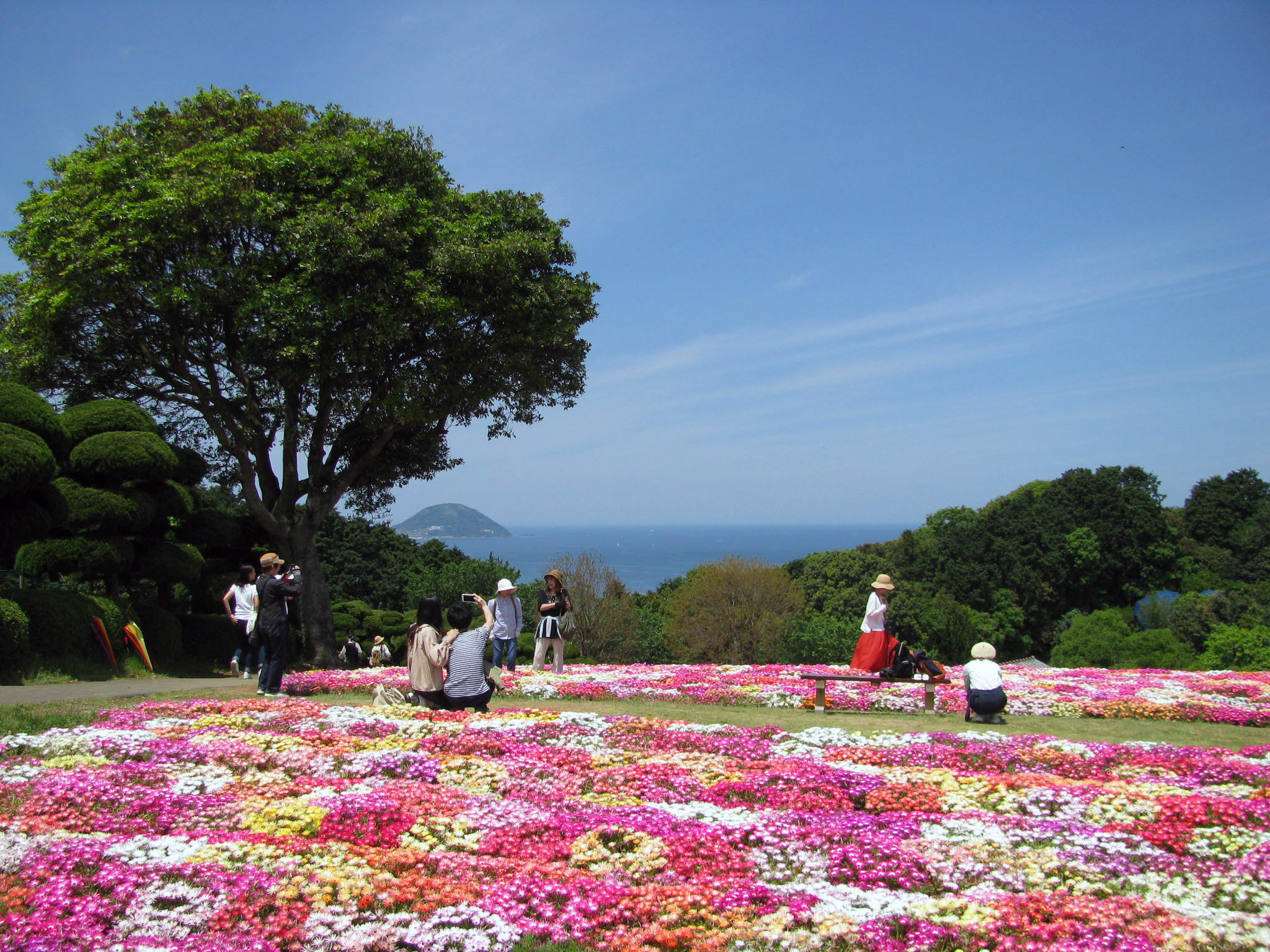
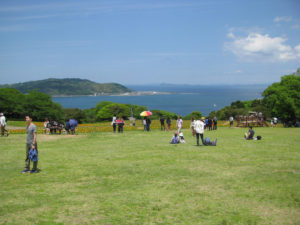
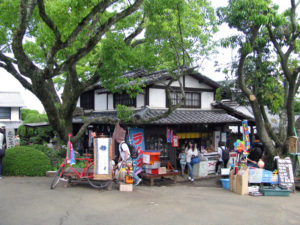
Nokonoshima Island, Fukuoka-city
Nokonoshima Island is located in the middle of Hakata Bay Beautiful flowers can be
enjoyable throughout the year. Rapeseed blossom, Cherry blossom, Livingstone daisy
Poppy, Rhododendro, Marigold, Hydrengea, Plumed cockscomb, Dahlia, Sunflower,
Cockspur coral tree Bougainvillea, Scarlet sage, Cosmos, Dahlia, Autumn leaves,
Scarlet sage, Japanese narcissus, Japanese camellia, Plum.
 |
 |
 |
 |
 |
 |
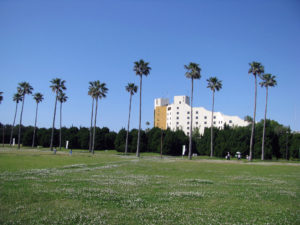
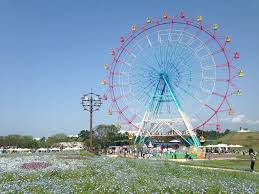
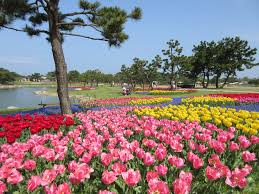
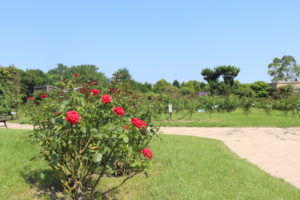
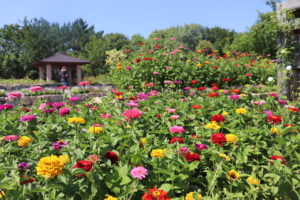
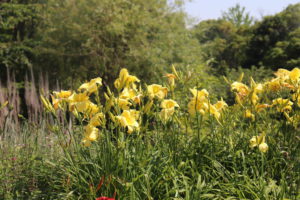
Uminonakamichi Seaside Park, in Fukuoka-city
The sprawling, family oriented public park located on a narrow peninsula across the bay from
central Fukuoka. The park is made up of several different areas including flower gardens,
playgrounds, an amusement park with ferris wheel, sports fields, a water park, a zoo and large
open spaces and lawns perfect for picnicking.
 |
 |
 |
 |
 |
 |
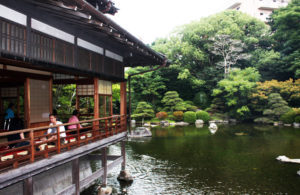
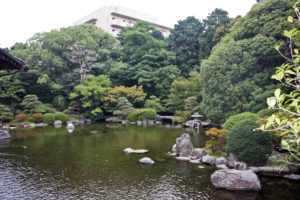
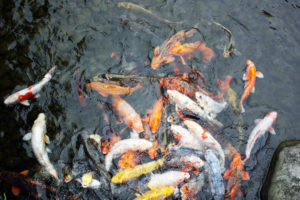
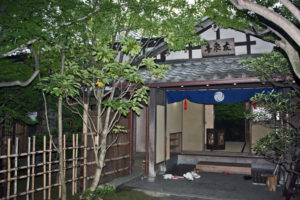
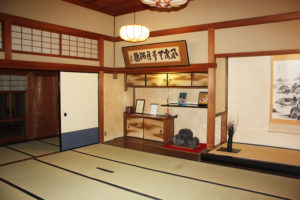
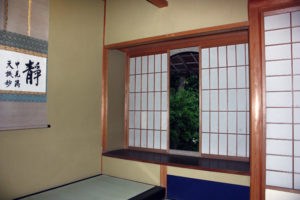
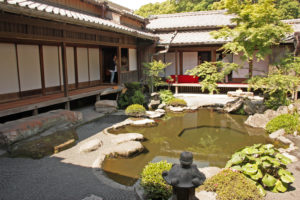
Yusentei Garden, Fukuoka-city
The time-honored Japanese garden. The Japanese traditional Garden; it was originally built
in the 1754 for Kuroda Tsugutaka who was the lord of Fukuoka clan. You can feel Japanese
traditional cultures and enjoy Tea Ceremony.
 |
 |
 |
 |
 |
 |
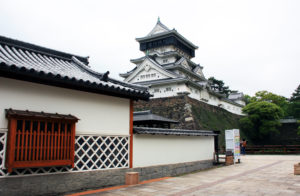
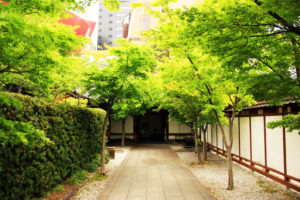
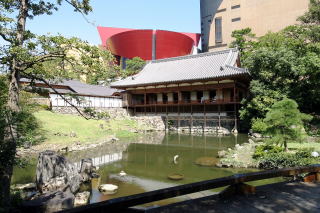
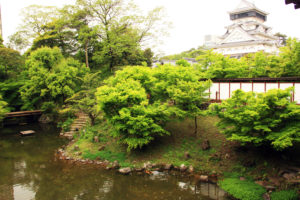
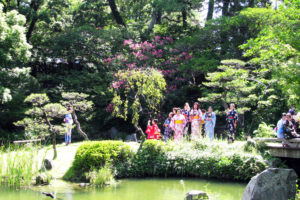
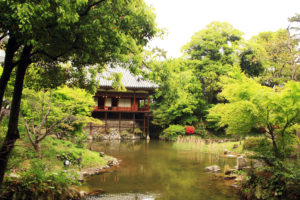
Kokura Castle Garden
Kokua Castle Garden made at the former site of Shitayashiki (lord’s guest house) located
next to Kokura Castle. This garden consists of a Japanese garden and a daimyo yashiki
(a lord’s house), a building of the Shoin-zukuri type (a style of Japanese domestic architecture).
In this garden, not only can you see Japanese traditional architecture, but also enjoy the Tea
Ceremony at the Experience Zone.
 |
 |
 |
 |
 |
 |
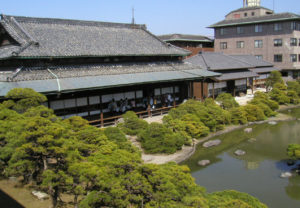
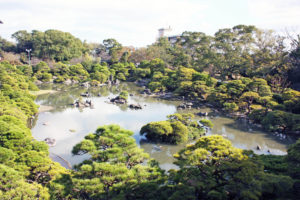
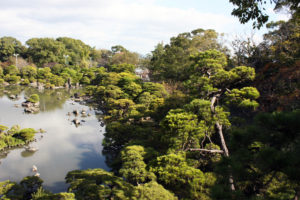
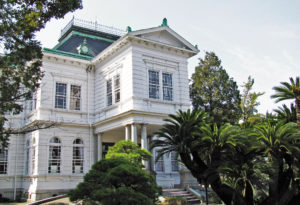
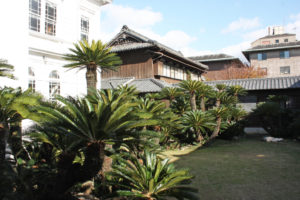
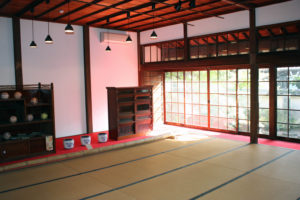
Ohana and Shotoen Garden, in Yanagawa, Fukuoka-prefecture
Listed on National Scenic Landmark. Built in 1697 as the villa of the Fourth Lord Tachibana
Akitora. At that time the region was called Hanabatake (Field of flower), so the villa was
named Ohana or Flower. The garden itself spread out over 3300 square meters and is laid
out in such a way as to evoke the image of Matsushima in Sendai. It was extensively
renovated in 1908 to 1910. There are around 280 pines within the garden 1500 stones and
14 stone lanterns. From October to March the pond is host to a flock of wild ducks.
 |
 |
 |
 |
 |
 |
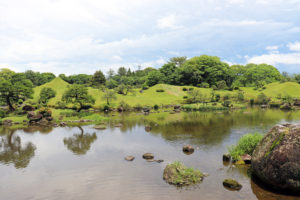
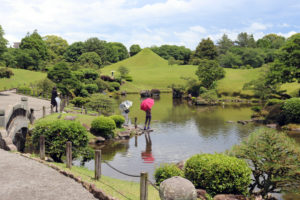
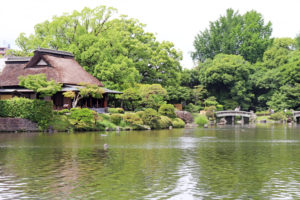
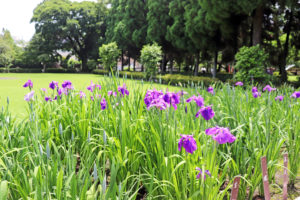
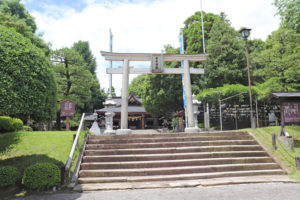
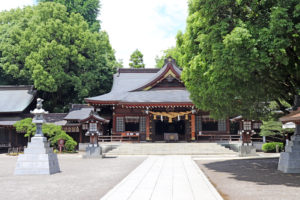
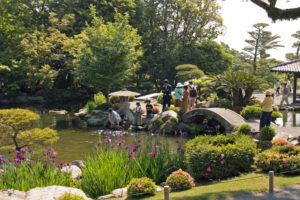
Suizenji-koen Park, in Kumamoto-city
Imitated the beautiful scenery of Japan. It is a refined circular garden of Momoyama period style
and represents the 53 Stations of the Tokaido Road including Mt. Fuji. The fresh springs in the
garden release clean, cold water, which flows there from Mt. Aso via underground currents.
In 1636, Tadatoshi, the third Lord of Hosokawa, began its construction as a tea retreat, and
he also built the temple here for Priest Gentaku called Suizenji.
This beautiful Momoyama style garden evolve during the reigns of the fourth and fifth Lords.
In all it took about 80 years to complete.
 |
 |
 |
 |
 |
 |
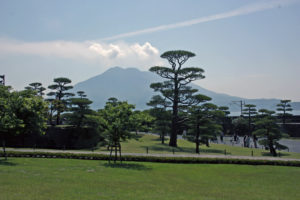
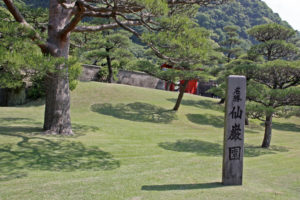
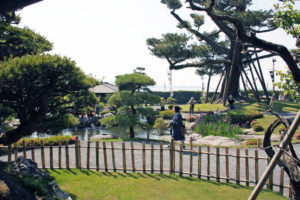
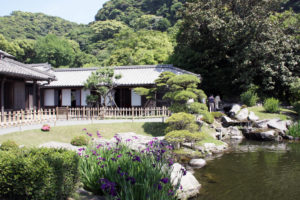
Sengan-en, Kagoshima-city
Sengan-en is the most famous garden in Kagoshima-ken, made by Shimazu lord in the 19th
century at the beautiful bay side Kinko bay. The garden contains many historic artifact that
tell of its long history.
 |
 |
 |
 |
 |
 |
Home Exclusive Private tour Christian Pilgrimage tour Golf tour What our Customers have to say
 WhatsApp: Chat with us