Beppu Onsen
Welcome to Beppu, the ‘Onsen Capital’ of the world.
With over 2,000 vibrant hot spring sources and mystical steam rising from every
corner of the city, Beppu offers an unparalleled paradise for true relaxation and
healing.
Here, you can explore the famous ‘Beppu Hatto’—eight distinct hot spring districts,
each boasting its own unique history and mineral benefits. Beyond these traditional
baths, the city offers extraordinary experiences, such as the Michelin-starred
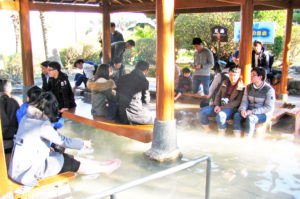
‘Hyotan Onsen, ‘ the famous therapeutic mud baths of ‘Beppu Onsen Hoyo-land,
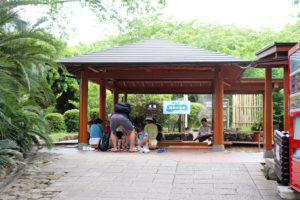
‘ and numerous charming foot baths (Ashiyu) scattered throughout the streets.
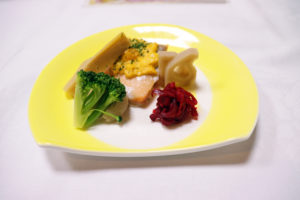
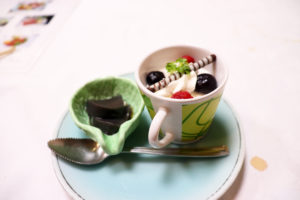
Experience a unique culinary journey in Beppu, where the earth’s volcanic heat
meets the ocean’s bounty.
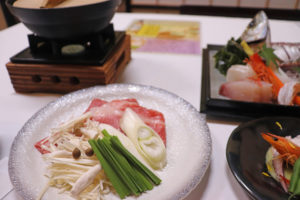
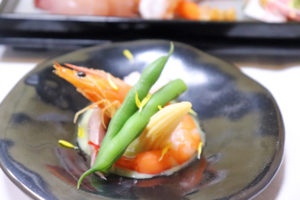
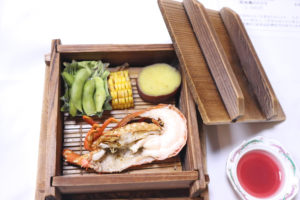
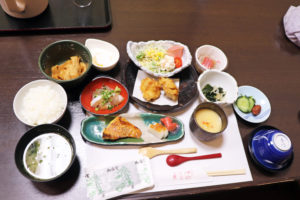
Savor ‘Jigoku-mushi’ (Hell Steaming), a traditional method using natural geothermal
steam to lock in the rich flavors of fresh seafood and vegetables.
Alongside premium Oita ‘Bungo Beef’ and world-class ‘Seki-aji’ mackerel, every
meal offers an unforgettable taste of Beppu’s rich natural heritage.
Design Your Kyushu Private Tours
Let’s bring your vision to life.
Connect below via your preferred method.
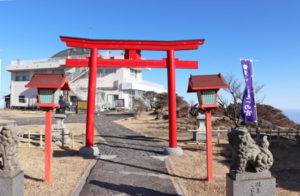
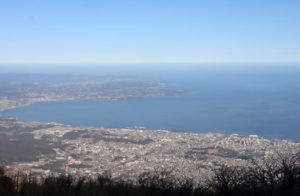
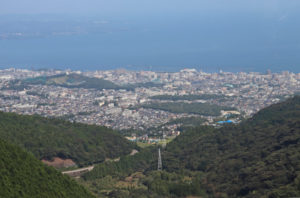
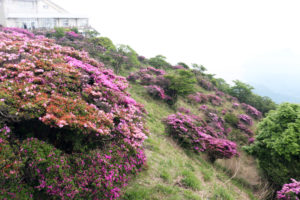
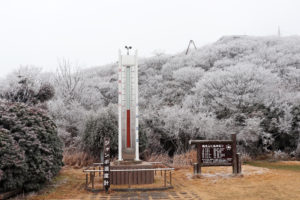
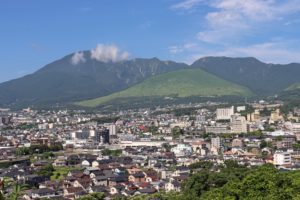
Mount Tsurumi
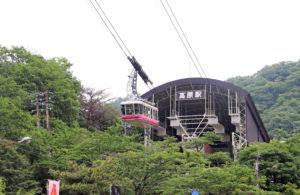
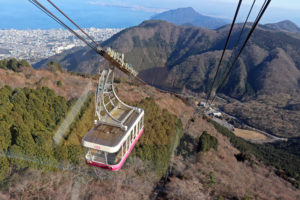
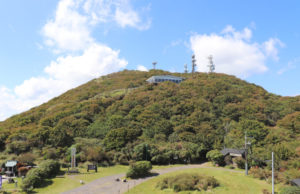
Soaring 1,375 meters into the sky, Mount Tsurumi is a breathtaking mountain
overlooking Beppu that offers excellent hiking, rare flora, and outstanding vistas.
Visitors can take a ropeway 800 meters up and revel in being surrounded by
acres of rolling greenery. On clear days, you can see as far as the Kuju
Mountains, a famous mountain range that runs between Oita and Kumamoto
Prefectures.
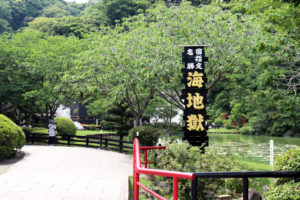
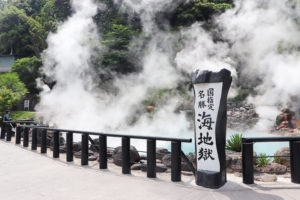
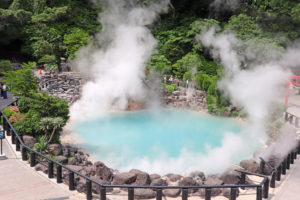
Umi jigoku
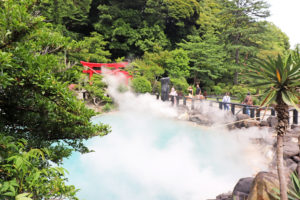
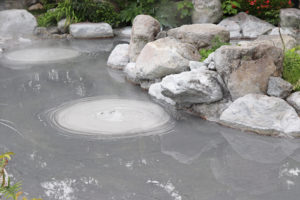
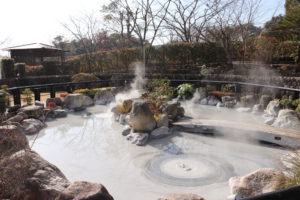
True to its name, Umi-Jigoku resembles a beautiful, sweeping sea. This stunning,
cobalt-blue pond of boiling water reaches a depth of 200 meters and first emerged
over 1,200 years ago following a powerful volcanic eruption.
Beppu Hell tour
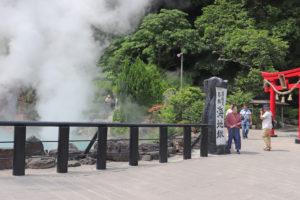
Beppu’s most famous attraction is the ‘Hell Tour’ (Jigoku Meguri)—a spectacular
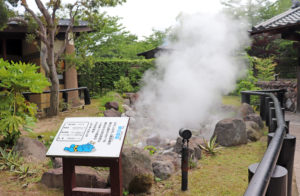
collection of geothermal hot springs where boiling water and steam bubble
forth violently from deep underground.
Of the seven official hells, five are located in the historic Kannawa district
(about 4 km northwest of Beppu Station), while the remaining two are found
in the more serene, remote Shibaseki district.
The Kannawa District
In this area, five of the spectacular hells are conveniently located within easy
walking distance of each other.
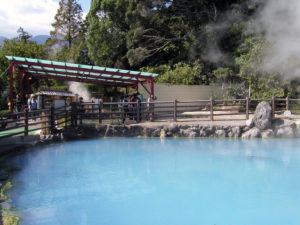
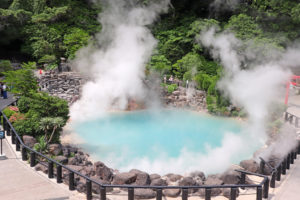
Umi-Jigoku (Sea Hell)
True to its name, Umi-Jigoku resembles a beautiful, sweeping sea. This stunning,
cobalt-blue pond of boiling water reaches a depth of 200 meters and first emerged
over 1,200 years ago following a powerful volcanic eruption.
.
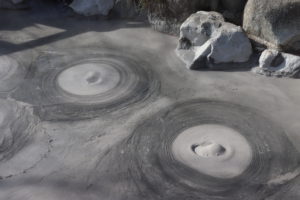
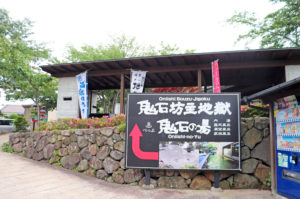
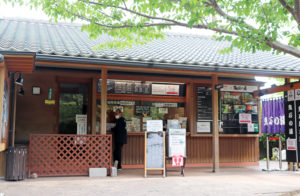
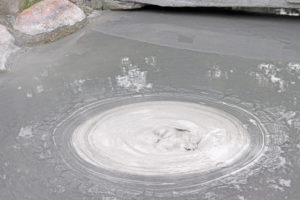
Oniishi Bouzu-Jigoku (Shaven Head Hell)
Named the ‘Shaven Head Hell,’ this unique site features large and small
bubbles of boiling gray mud that rise continuously from the ground, perfectly
resembling the shaven heads of Buddhist monks.
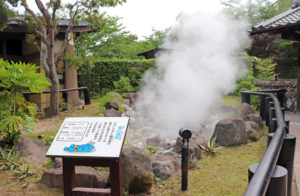
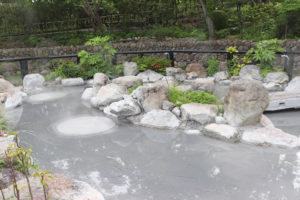
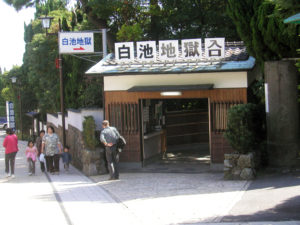
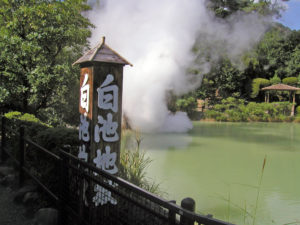
Shiraike-Jigoku (White Pond Hell)
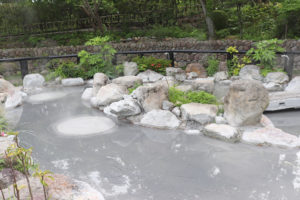
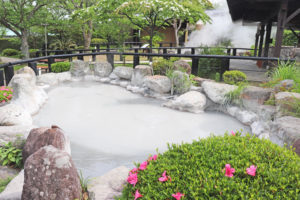
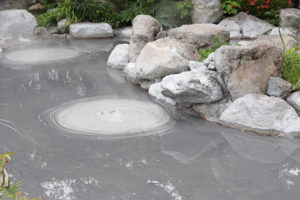
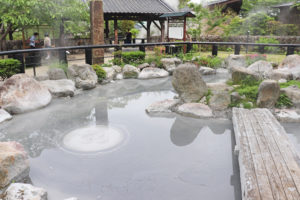
At the ‘White Pond Hell,’ the colorless water that naturally spouts from the
ground mysteriously turns a soft, creamy white as it enters the pond.
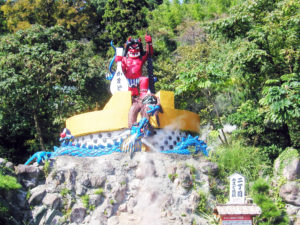
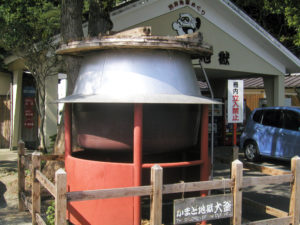
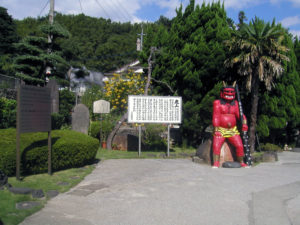
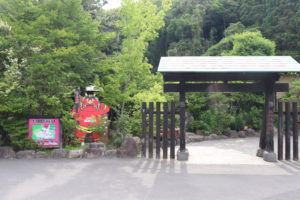
Kamado-Jigoku (Cooking Pot Hell)
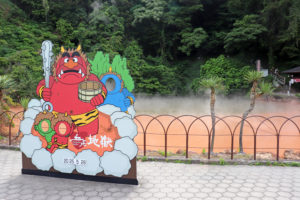
At the ‘Cooking Pot Hell,’ a bright demon standing atop an enormous cooking
pot serves as the iconic mascot of the site. This fascinating area is divided into
six unique ponds, each featuring its own style of bubbling, steaming, and
boiling thermal waters.
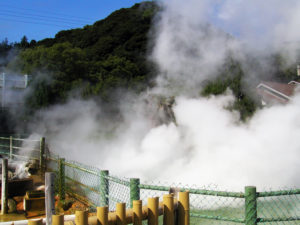
Oniyama-Jigoku (Monster Mountain Hell)
Also known as ‘Monster Mountain Hell,’ the pure force of the steam produced
at this hot spring is so powerful it could move one and a half train cars.
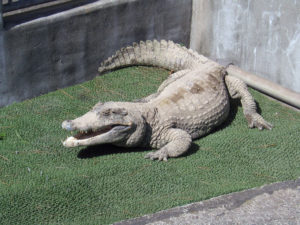
This dramatic, steam-filled site is also the thriving home to a large variety of
crocodiles and alligators, who happily slither through the warm, geothermally
heated waters.
The Shibaseki District
While it takes about 5 minutes by car or bus from the Kannawa district, letting our
private car and English-speaking driver seamlessly chauffeur you between these
two areas ensures you won’t waste a single moment of your vacation.
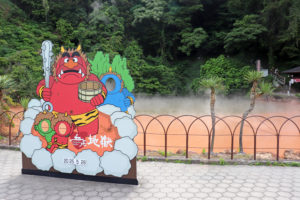
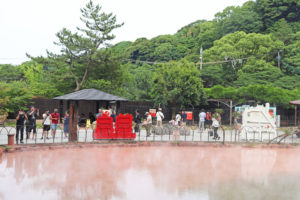
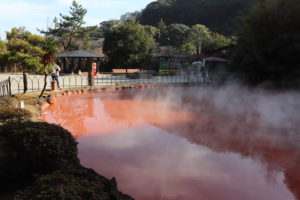
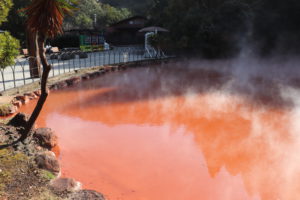
Chinoike-Jigoku (Blood Pond Hell)
Known as the ‘Blood Pond Hell,’ this striking site features steaming hot, iron-rich
red clay that colors both the water and the steam a deep crimson. It is Japan’s
oldest known natural hell, recorded over 1,300 years ago in the Bungo Fudoki
(Bungo Province Topography) as ‘Akayusen’—the legendary reddish hot spring.
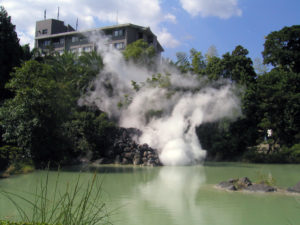
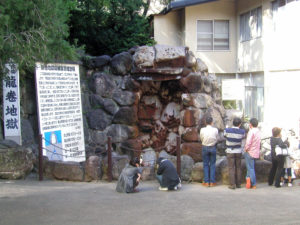
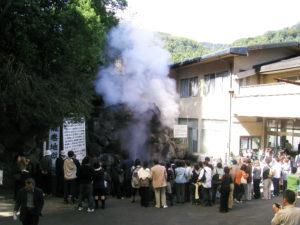
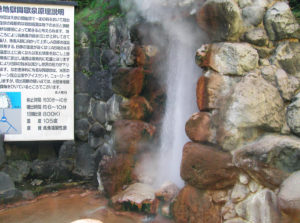
Tatsumaki-Jigoku (Tornado Hell)
Known as the ‘Tornado Hell,’ this spectacular geyser is a protected natural monument
celebrated for its dynamic power. A geyser is a rare type of hot spring that spouts
boiling water and high-pressure steam upward at regular intervals, putting on a
breathtaking show of nature’s energy.
Chinoike-Jigoku
The literal meaning of ‘Chinoike’ is ‘blood-colored pond.’ At this striking site, the
steaming hot clay is so rich in iron that it turns both the water and the steam a
deep red.
It is Japan’s oldest known natural hell, recorded over 1,300 years ago in the
Bungo Fudoki (Bungo Province Topography) as ‘Akayusen’—the legendary
reddish hot spring.
The site is conveniently located in the Shibaseki district, right next to
Tatsumaki-Jigoku (Tornado Hell).
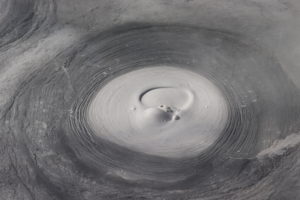
Oniishi Bouzu-Jigoku
Oniishibozu-jigoku is one of the recommended site along with Umi-jigoku.
Oniishi shaving Head Hell, large and small bubble of hot gray mud that boiling up here
look like the shaven head of monks.
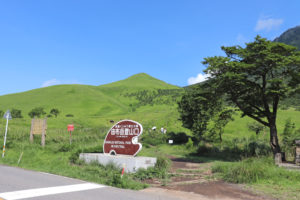
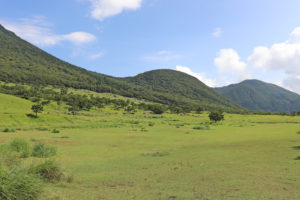
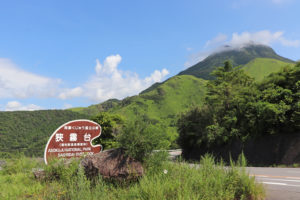
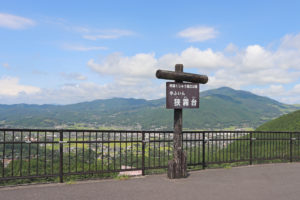
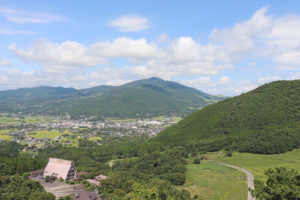
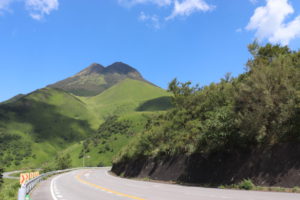
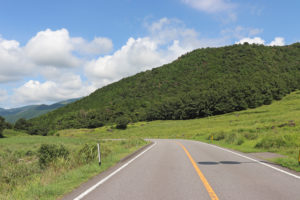
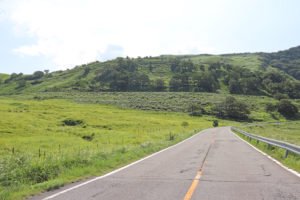
Beppu Yufuin road
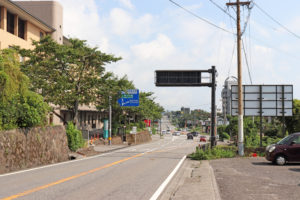
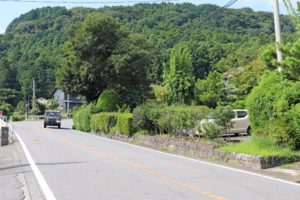
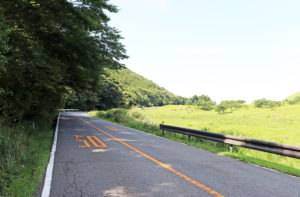
Beppu Yufuin driving road is connected from Beppu Onsen and to
Yufuin Onsen through scenic beatiiful area, about 40 minutes drive
can be enjoyed.
Beppu
Beppu to Yufuin
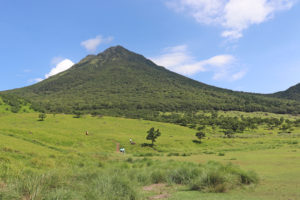
Entrance of Mount Yufu trail
Asagiri Pasa
Drive to Yufuin
Yufuin
Oniishi Bouzu jigoku
Named the ‘Shaven Head Hell,’ this unique site features large and small
bubbles of boiling gray mud that rise continuously from the ground, perfectly
resembling the shaven heads of Buddhist monks.
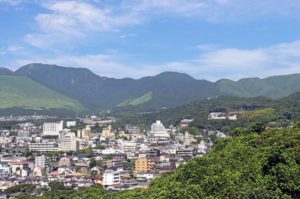
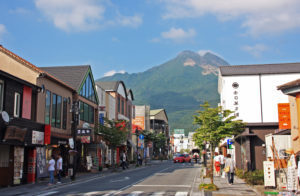
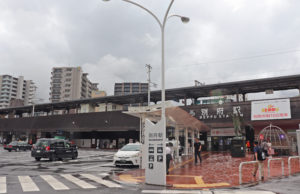
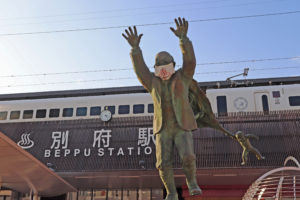
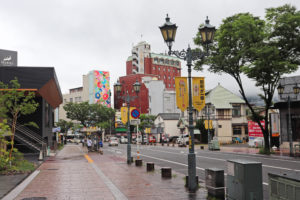
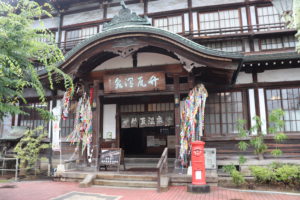
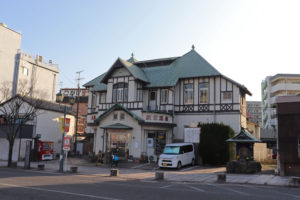
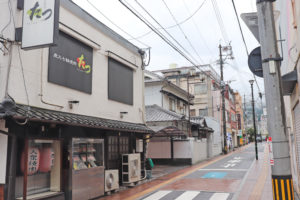
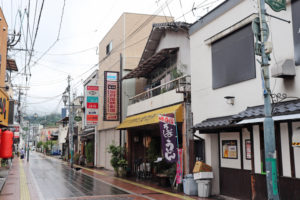
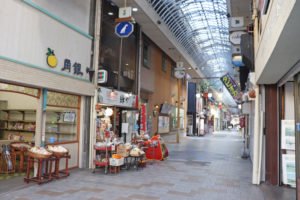
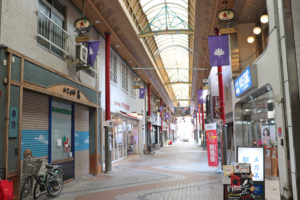
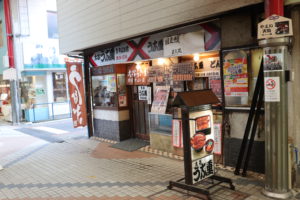
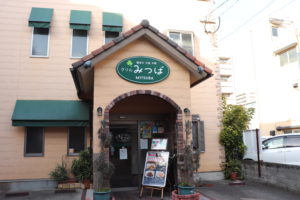
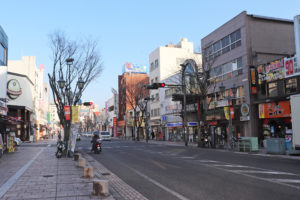
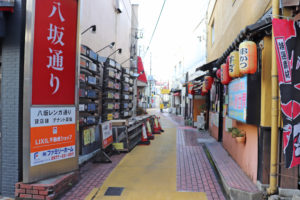
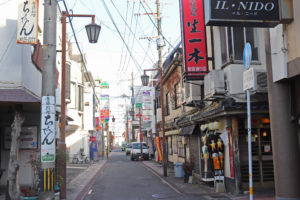
Beppu Onsen down town
Beppu is considered a paradise of hot springs famous for high therapeutic effects.
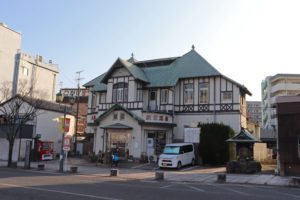
One of the most visiting place to wander about is the down town around JR Beppu Station
where you can find a lot of Japanese culture what you near seen and felt before.
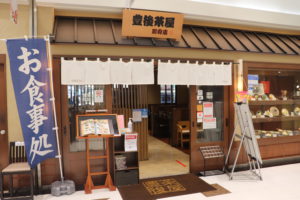
Public Onsen facilities, shoppes, restaurants, cafes and bars.
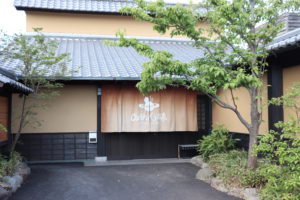
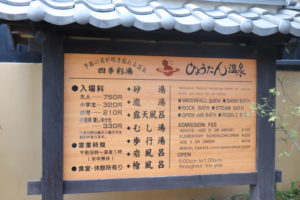
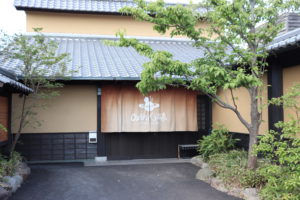
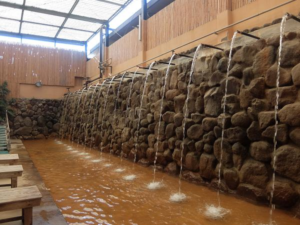
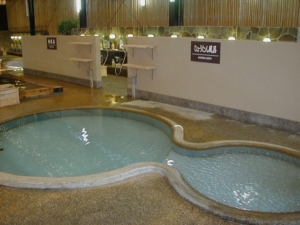
Hyotan Onsen, sand bath
The most popular pubulic bath in Beppu. You can enjoy various type of Onsen including the
sand bath. Hyotan Onsen is a public bath where is located in Kannawa district in Beppu.
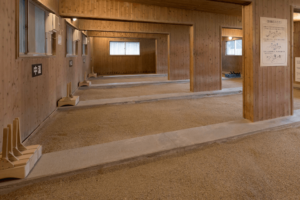
There are Outdoor bathes, Hyotan bath, Waterfall bath, Steam bath and Sand bath. You can
also enjoy meals at the restaurant; local specialty cuisine Dangojiru, or food steamed with the
steam from hot spring. The waters of this Onsen contain sodium chloride which is effective for
neuralgia and women’s diseases.











 WhatsApp: Chat with us