
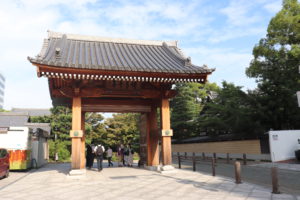
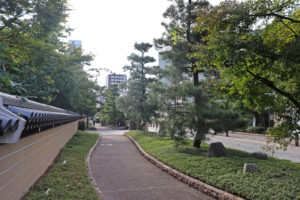
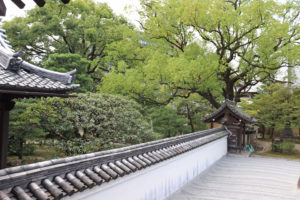
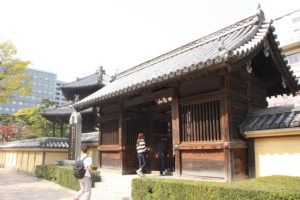
Hakata Temple and Shrine town
.
 |
 |
 |
 |
 |
 |
 |
 |
 |
 |
 |
 |
 |
 |
 |
 |
 |
 |
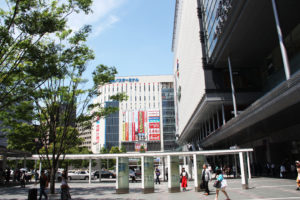
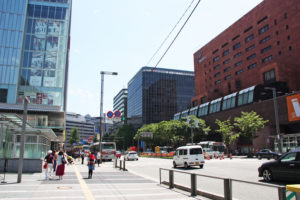
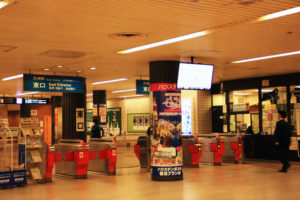
JR Hakata Station
The major railway station in Fukuoka. It is the largest and busiest
station in Kyushu, and serves as a gateway to other cities in
Kyushu for travelers from Honshu.
|
Hakata-gucbi Side |
Chikushi-guchi Side |
Lobby of the Station |
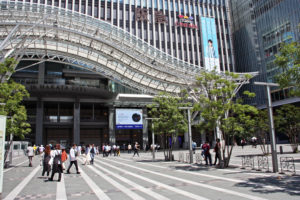
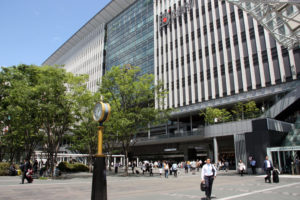
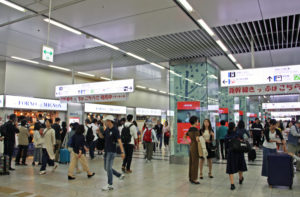
The station building and its surroundings feature numerous shops,
restaurants, and hotels. This area is one of the most fascinating
tourist destinations in Fukuoka.
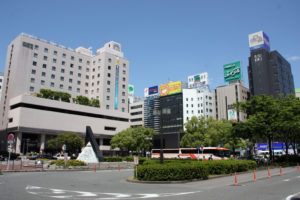 Chikushi-guch Side Chikushi-guch Side |
Japanese Restaurant |
Yodobashi Camera |
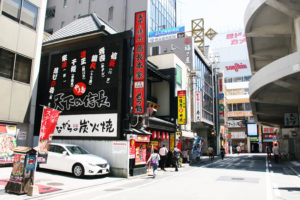
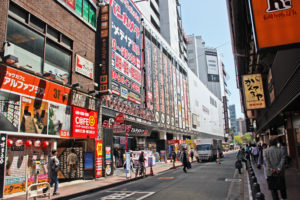
|
Tourist Information Center at Hakata Station |
Hakata-guchi Side |
Halata-guchi Side |
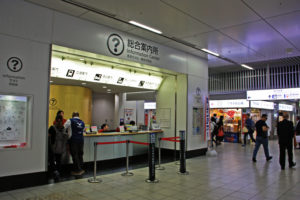
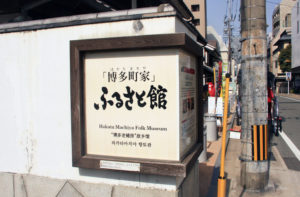
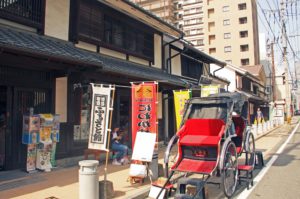
Hakata Machiya Furusatokan
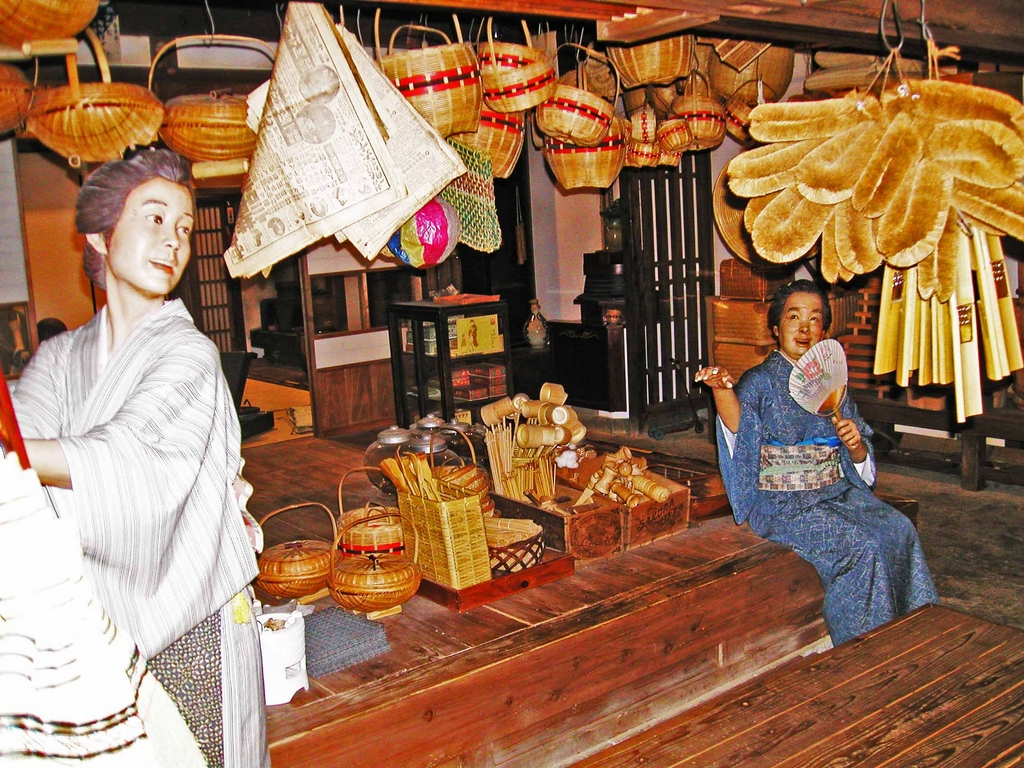
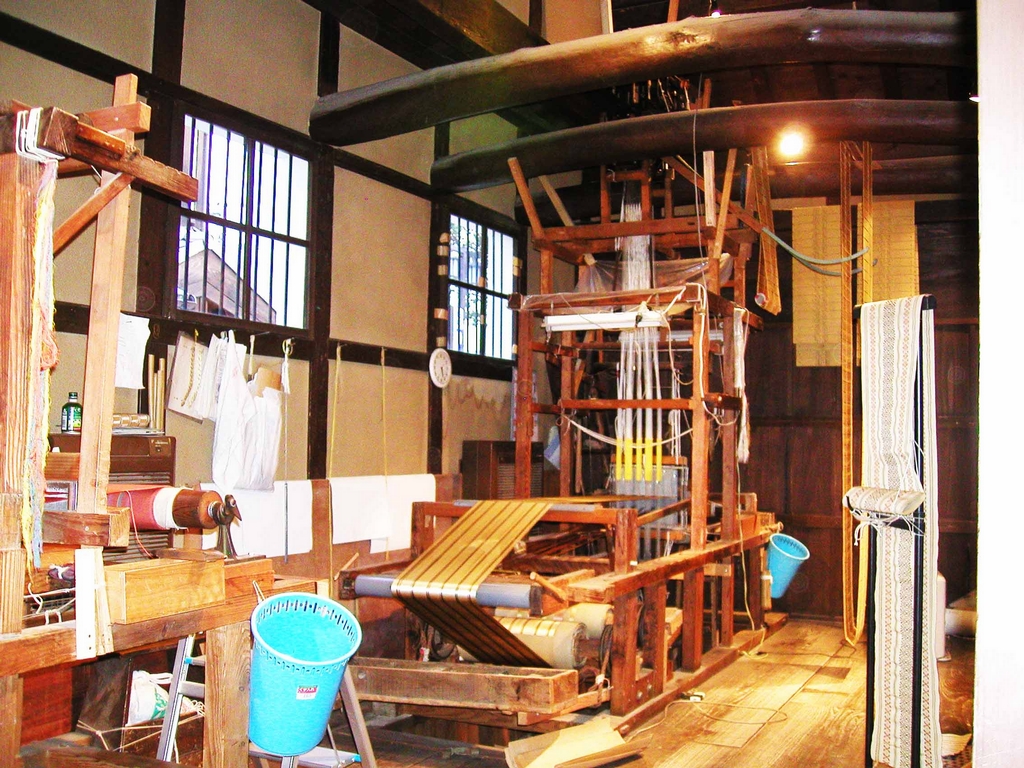
This folk museum vividly depicts the traditional life and culture of Hakata.
It is conveniently located near Kushida Shrine, Tochoji Temple, and Canal
City Hakata.
 |
 |
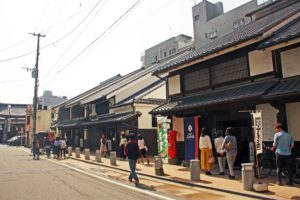 |
Exhibition hall, you can find the many faces and facets of the Hakata way
of life, Machiya hall, is a superb example of traditional architecture and
has been moved here and restored to provide a glimpse into the past.
 |
 |
 |
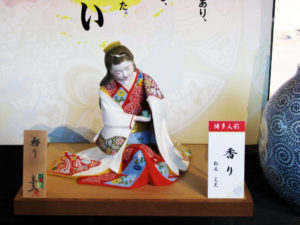
In the Souvenir Hall, you can find unique traditional crafts that make
perfect gifts and souvenirs.
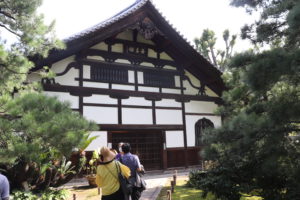
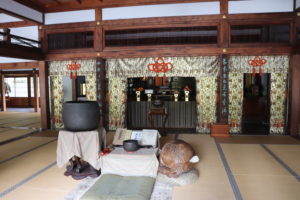
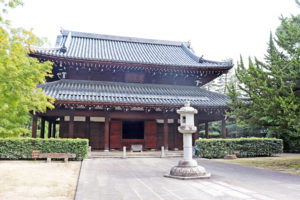
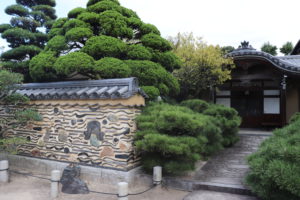
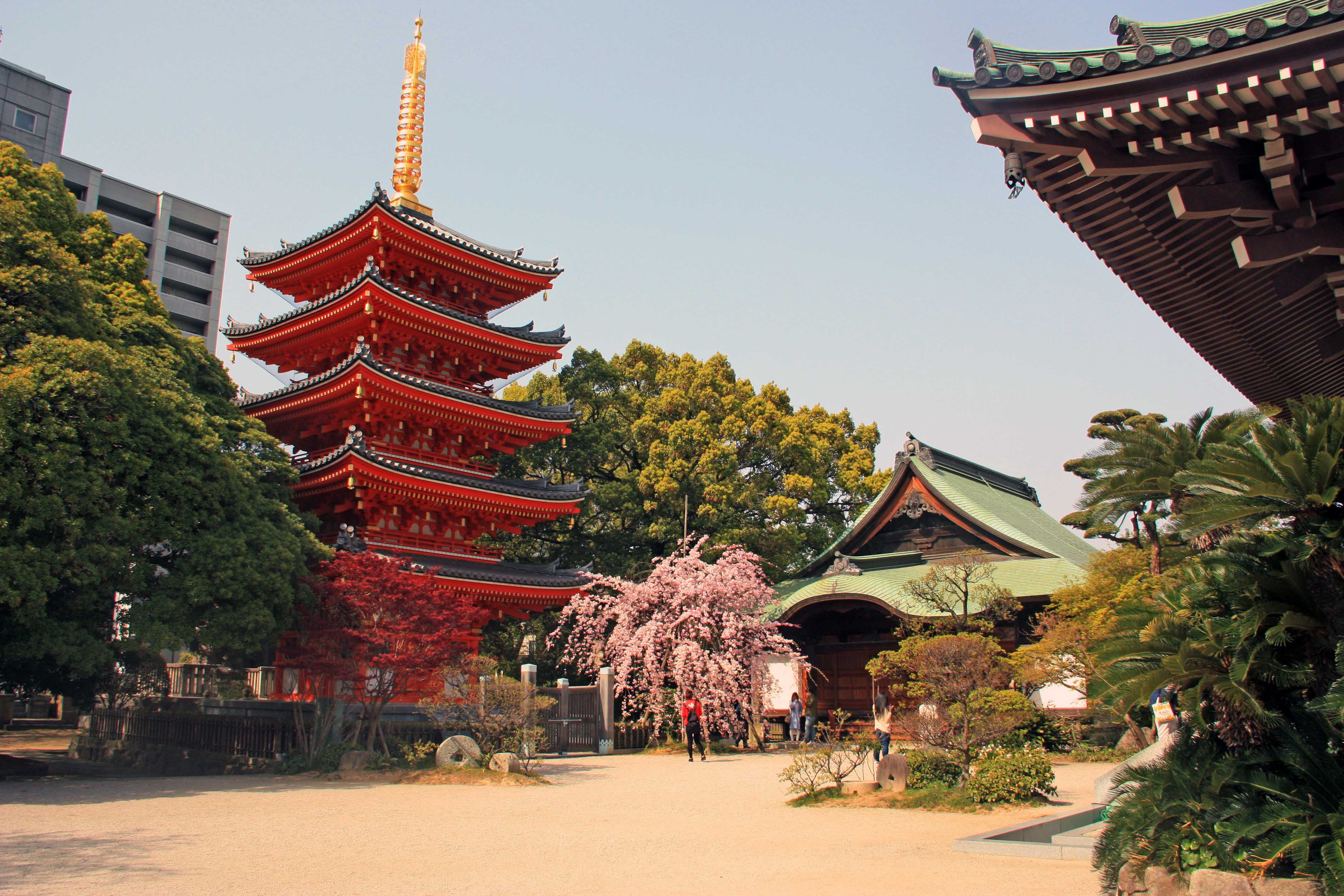
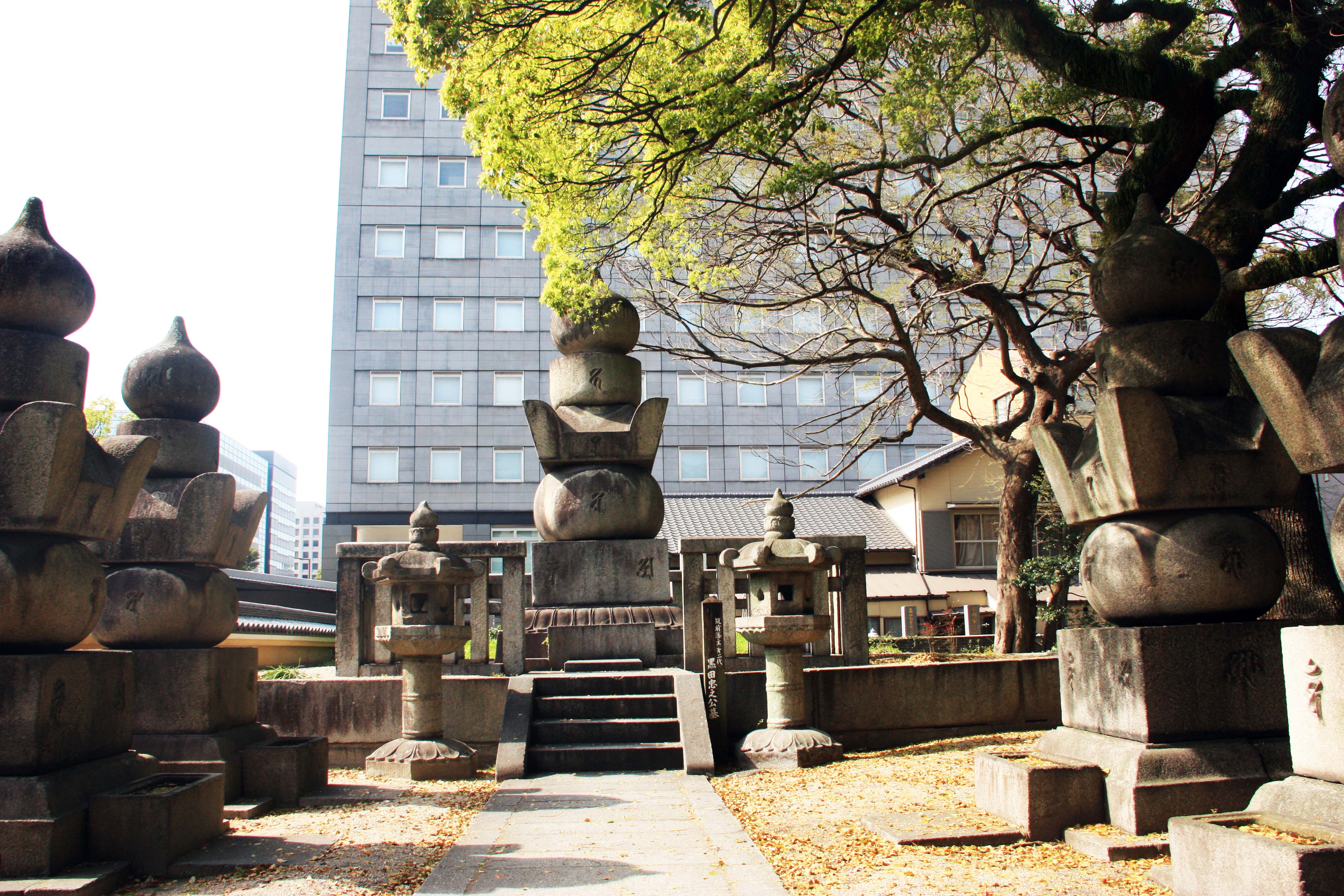
Tochoji temple
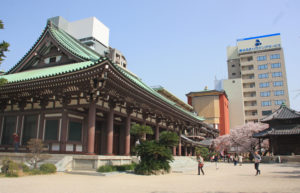
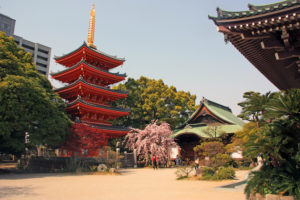
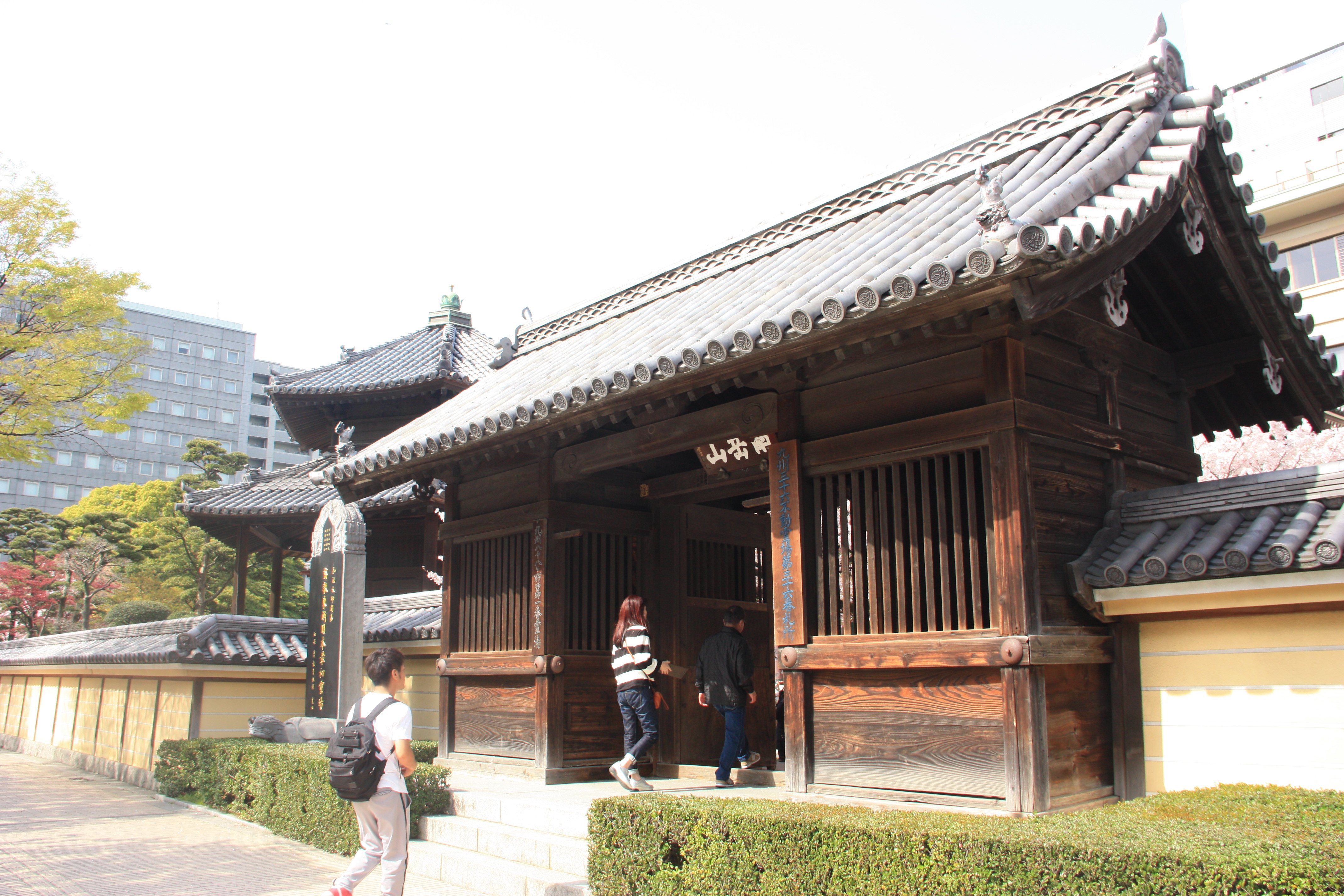
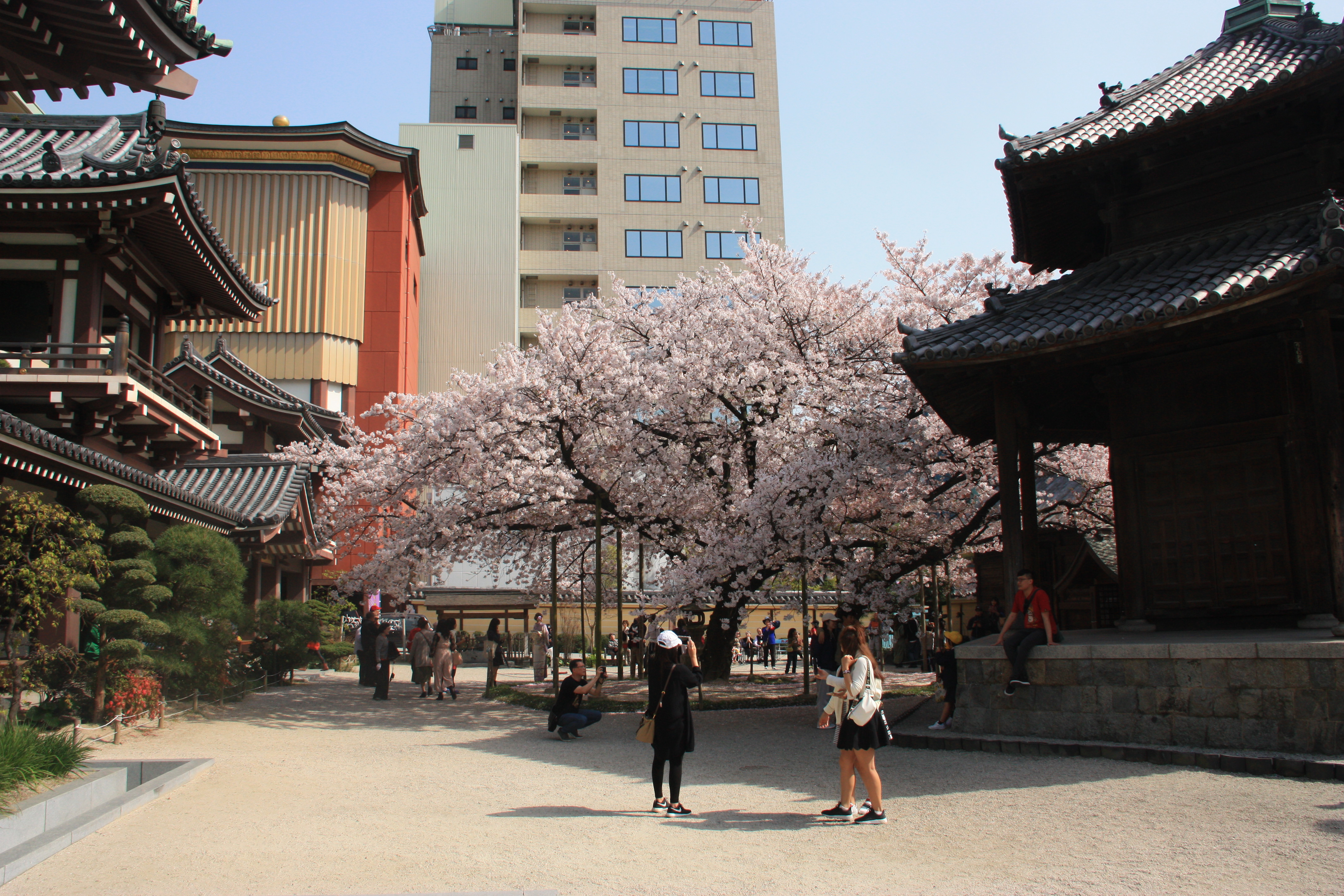
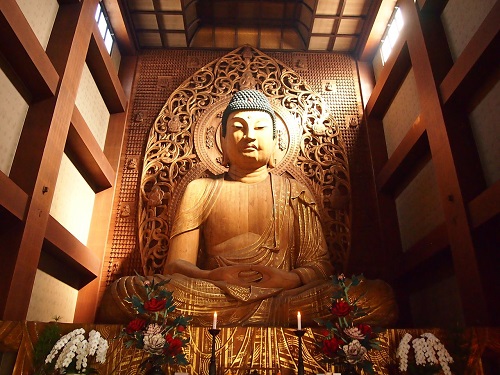
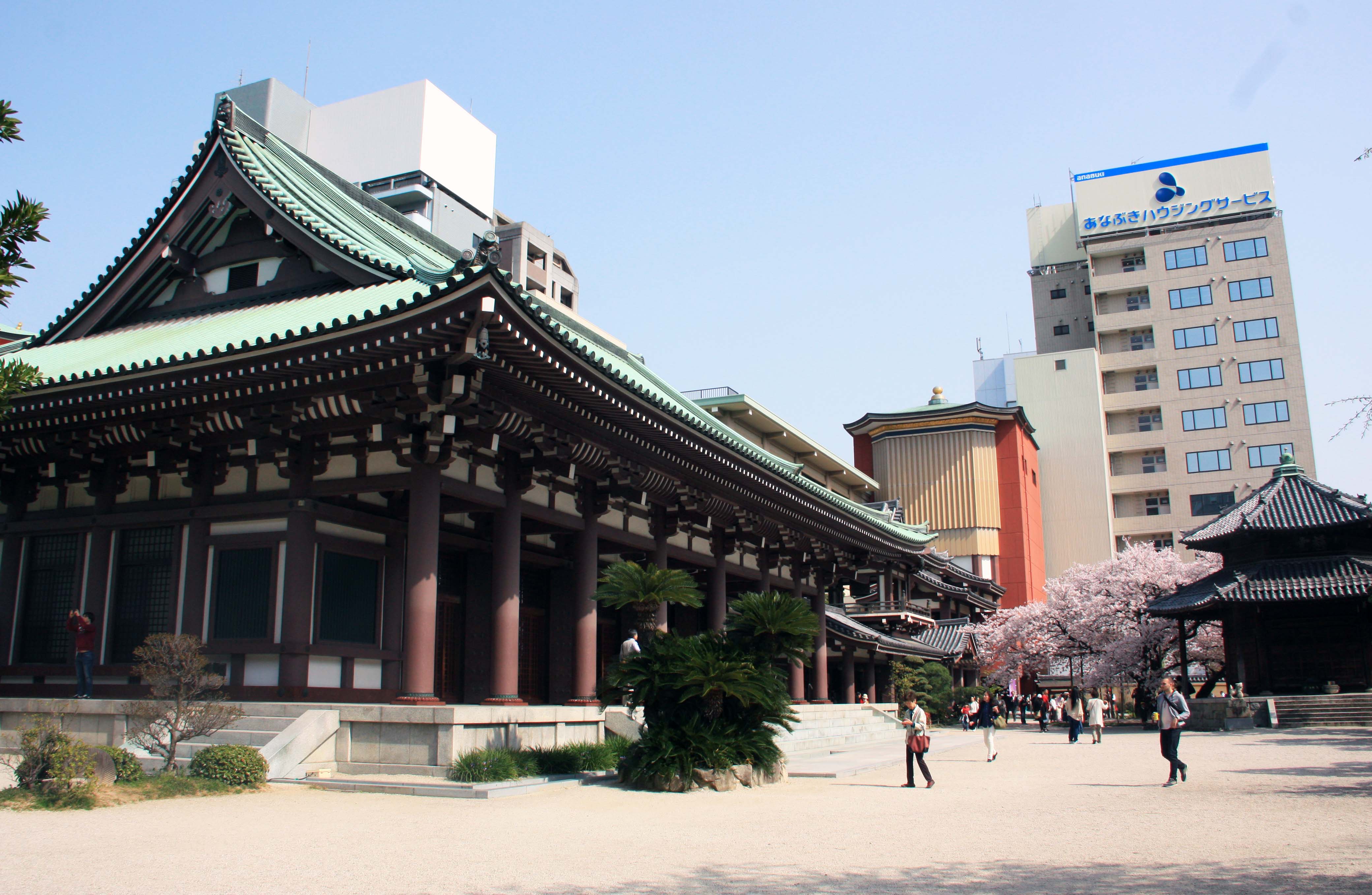
Home to the largest seated wooden Buddha in Japan, Tochoji Temple was
founded in 806 by Kobo-daishi Kukai, making it the oldest Shingon sect
temple in the country. Also known as “Tocho-mitsuji Temple,” it is said that
Kobo-daishi founded it upon his return to Hakata after his Buddhist training
in Tang China. He built the temple to pray for the eastward dissemination
and perpetuation of Shingon Esoteric Buddhism.
 |
 |
 |
 |
 |
 |
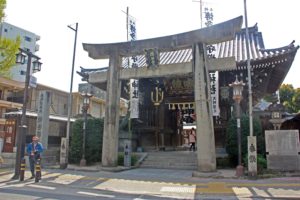
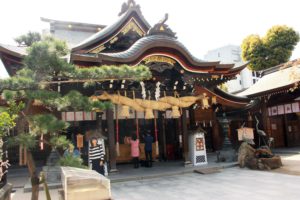
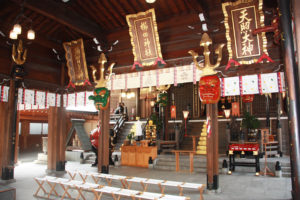
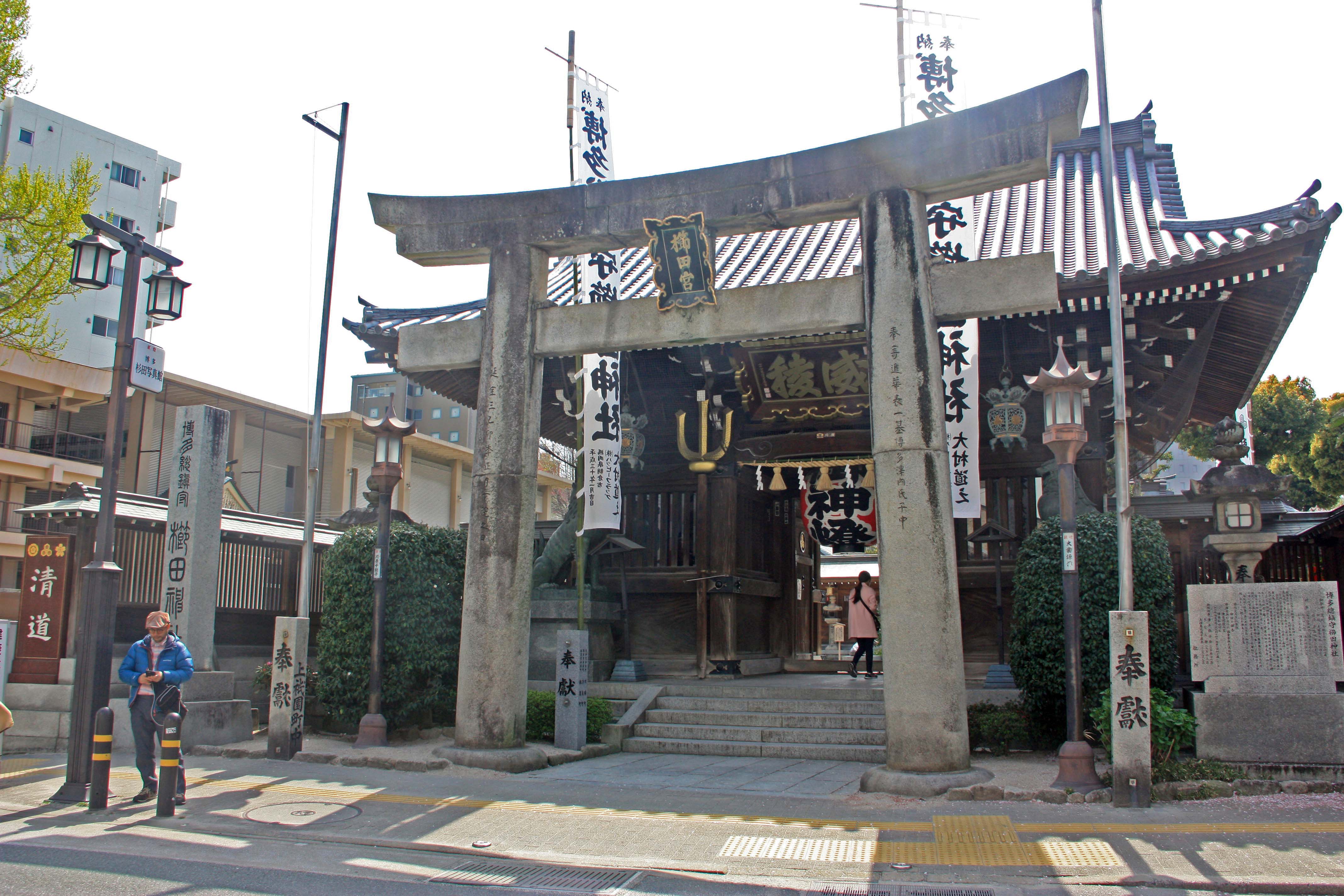
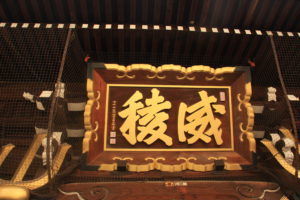
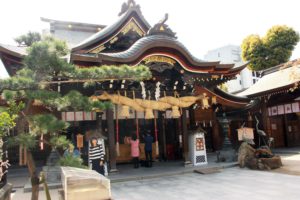
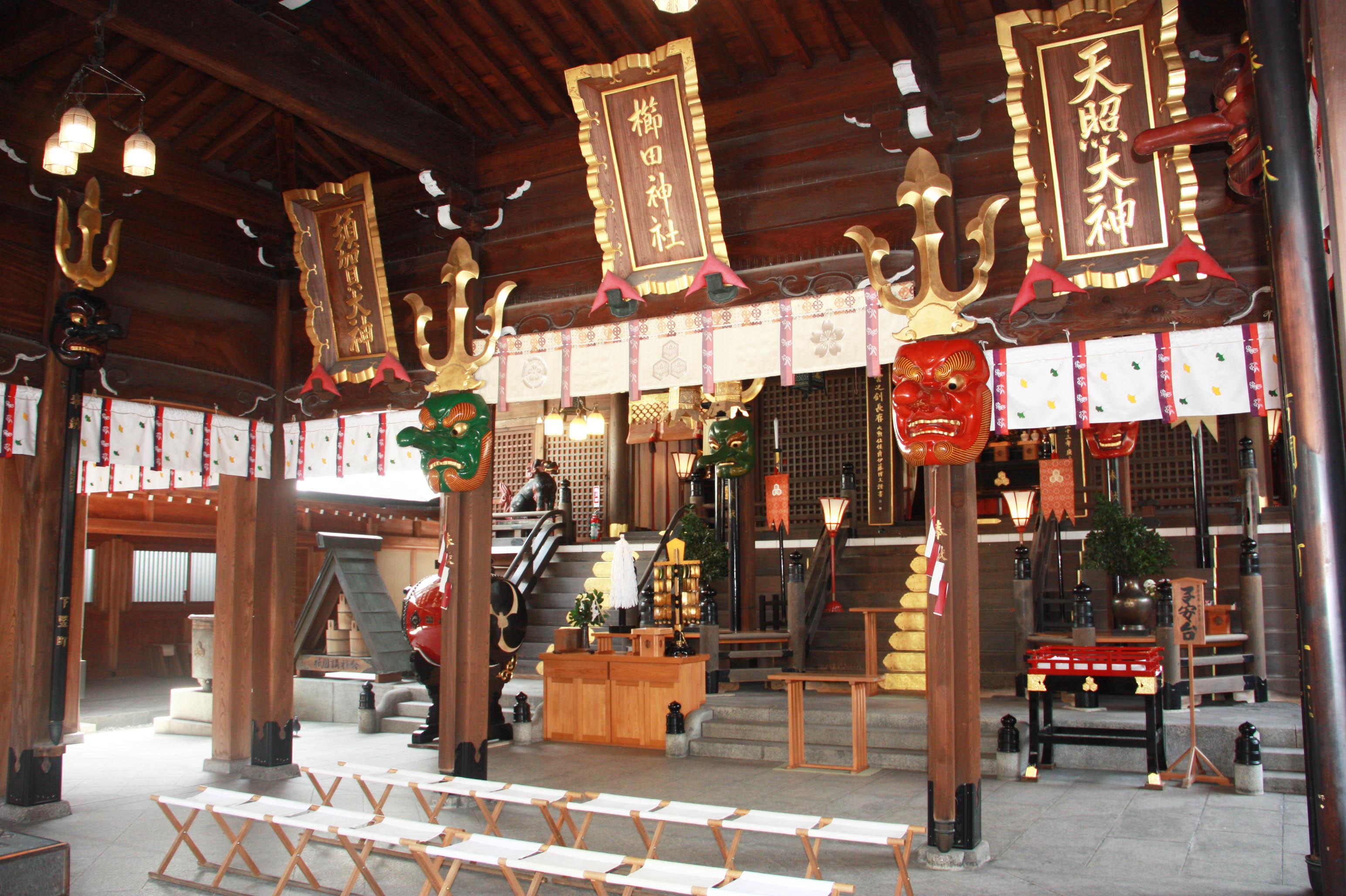
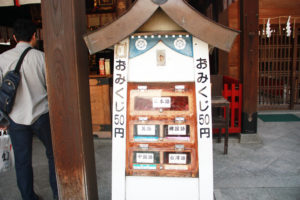
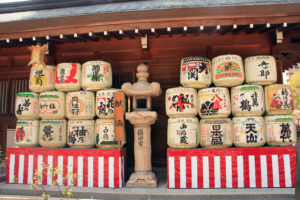
Kushida Shrine
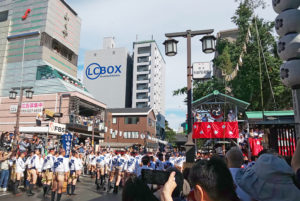
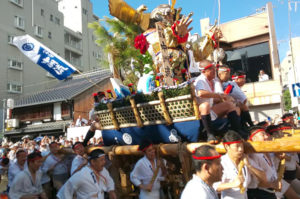
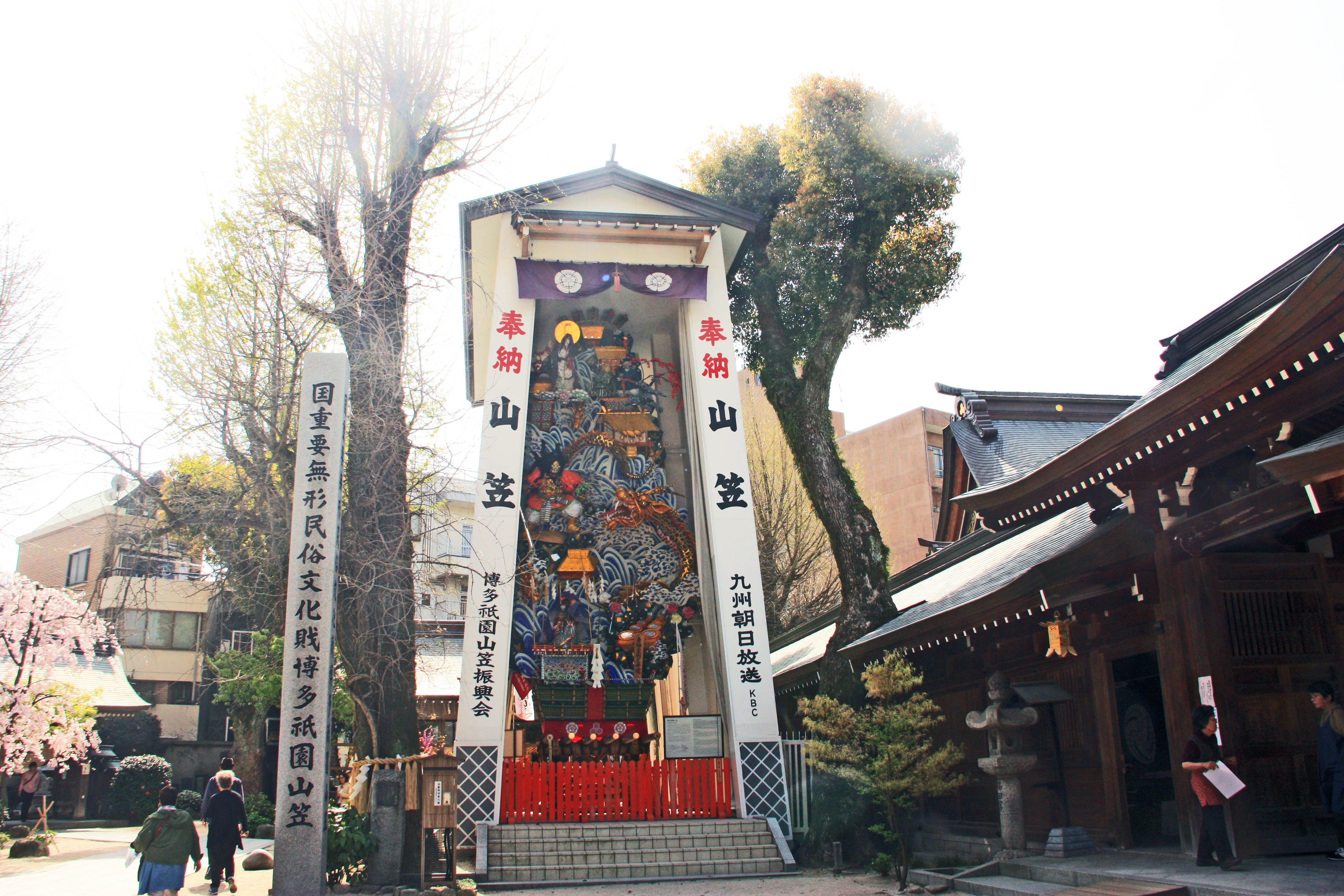
The Shrine of Hakata Gion Yamagasa Festival. Located in Hakata nearby Canal
City Hakata and was built in 757 as a guardian deity of Hakata. The most exciting
summer festival in Kyushu, Hakata Gion Yamakasa is held in the shrine in July.
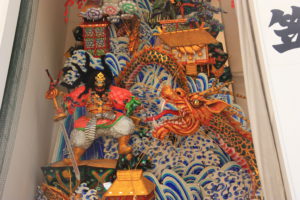
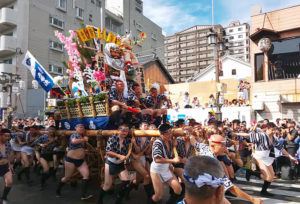
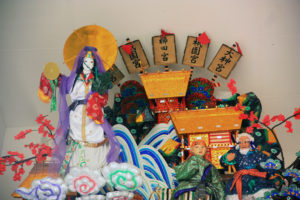
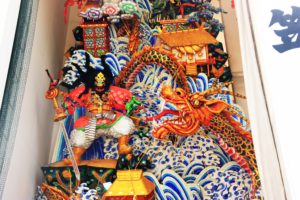
The tall Kazari Yamakasa, a luxuriously decorated float, is always displayed.
The float was constructed without using even a single nail.
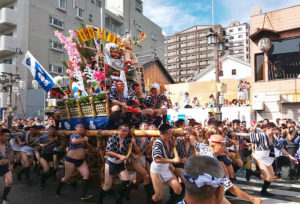
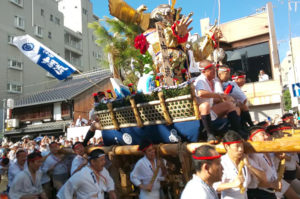
The Oi Yamakasa, in which floats weighing over a ton race through the streets
of Hakata carried on the shoulders of 26 people, presents a dynamic spectacle
of bravery and strength that attracts many spectators.
 |
 |
 |
The shrine is also famous for its annual Setsubun (bean-throwing) ceremony,
which takes place every year on February 3rd.
 |
 |
 |
 |
 |
 |
 |
 |
 |
 |
 |
 |
Tenjin
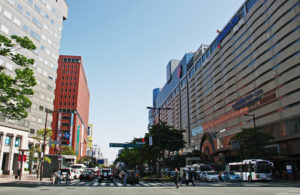
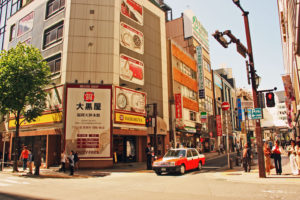
The biggest shopping district in Kyushu island. It offers department
stores, fashion boutiques and an extensive variety of cuisine and
fantastic restaurants and a street food stall Yatai.
 |
 |
 |
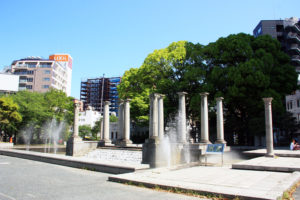
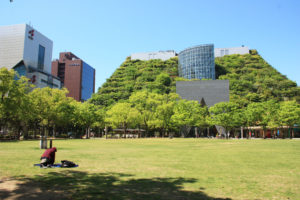
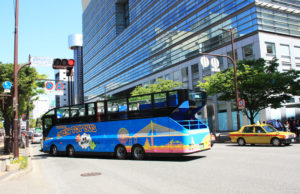
If you change your perspective even slightly while walking through
Tenjin, you will discover places that offer a glimpse into Fukuoka’s
history, peaceful parks to take a break, and other surprising sights
that leave a lasting impression.
 |
 |
 |
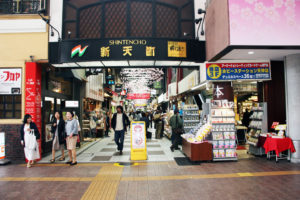
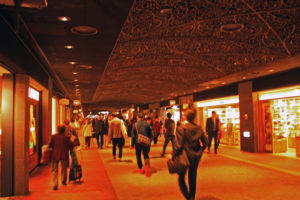
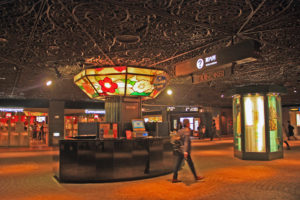
The cobblestone walks leading to the Tenjin Subway Station add a
quaint atmosphere to this underground arcade. Shops in the arcade
bring the fashion of Tokyo, Paris, Milan, London and New York to
Fukuoka.
 |
 |
 |
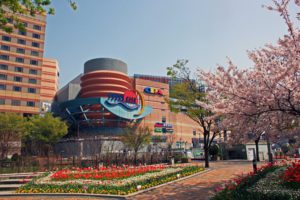
Canal City Hakata
Canal City Hakata is a massive commercial complex located in
the heart of Fukuoka’s business district. Situated adjacent to
the Nakasu entertainment district, it sits perfectly between
Tenjin, Kyushu’s largest commercial area, and the bustling
business hub surrounding JR Hakata Station.
|
|
|
|
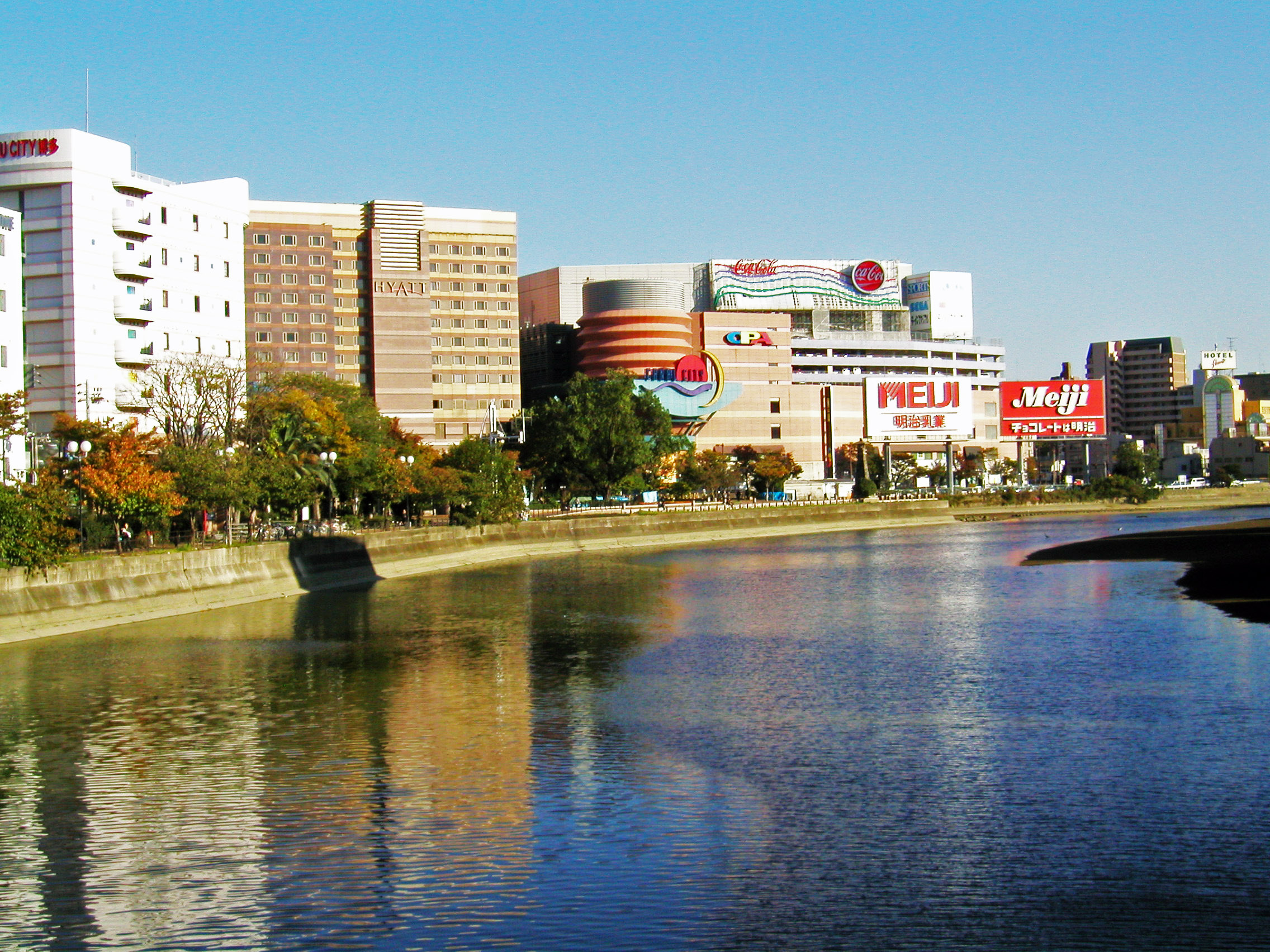
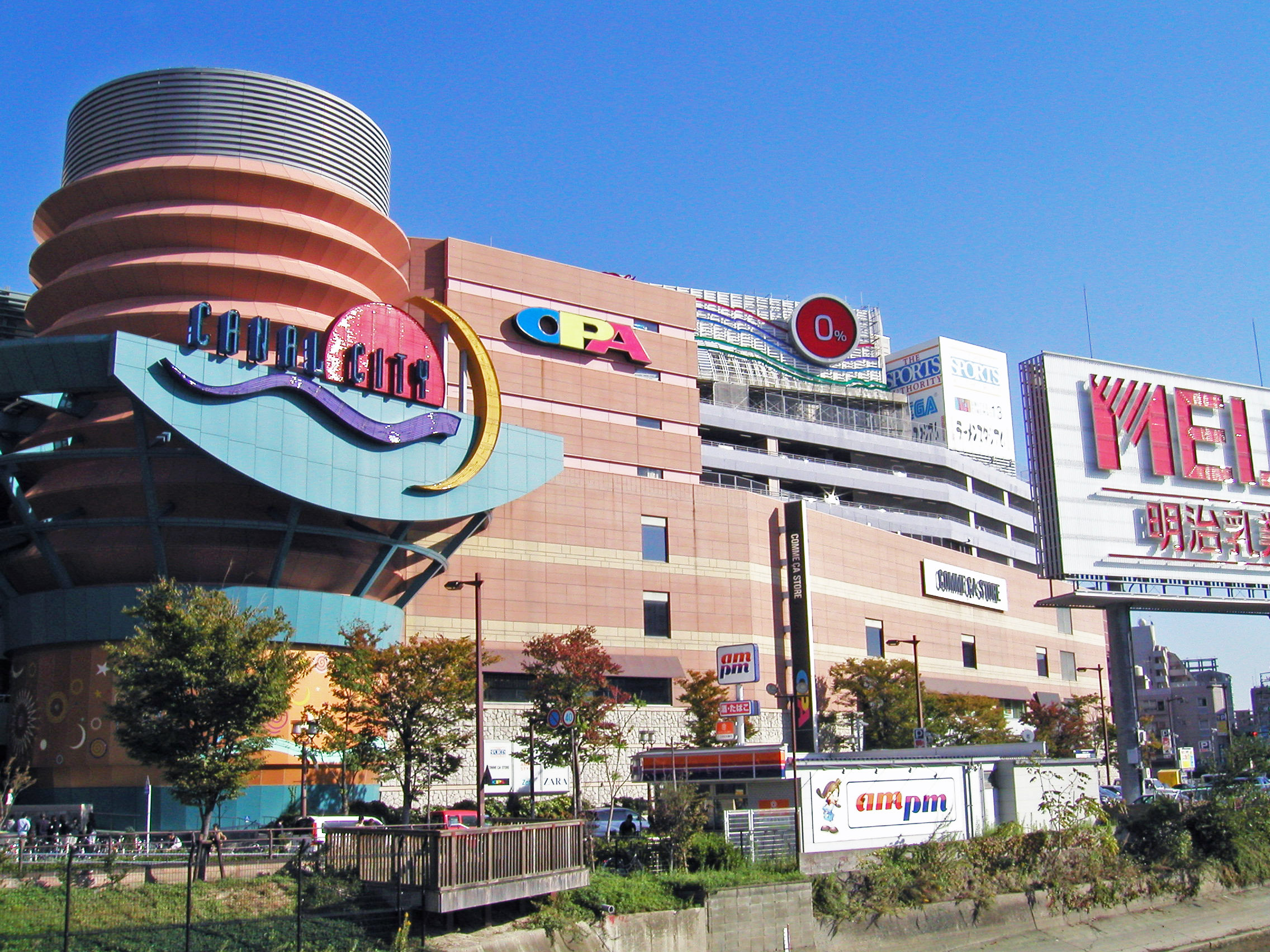
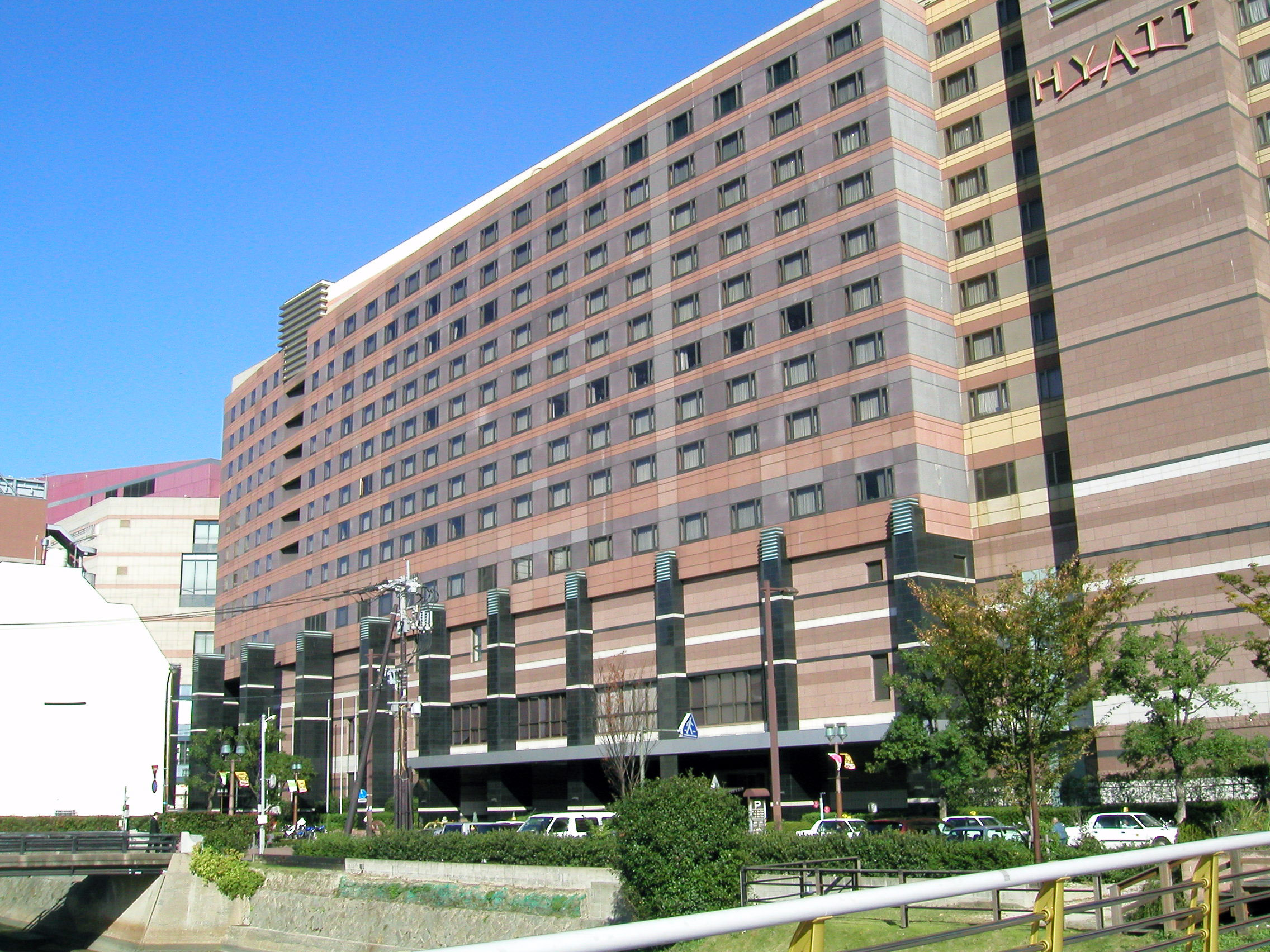
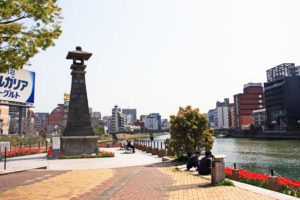
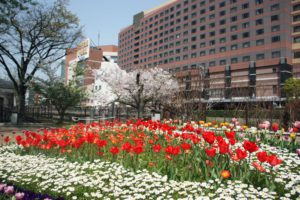
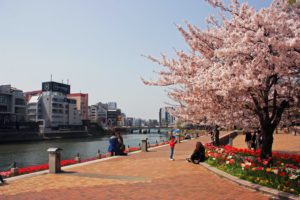
Canal City features an artificial canal as its main attraction.
It houses two hotels, including the Grand Hyatt Fukuoka and the
Washington Hotel. Other highlights include the Fukuoka City
Theater, an entertainment zone, a cinema complex, and a wide
variety of shops and restaurants.
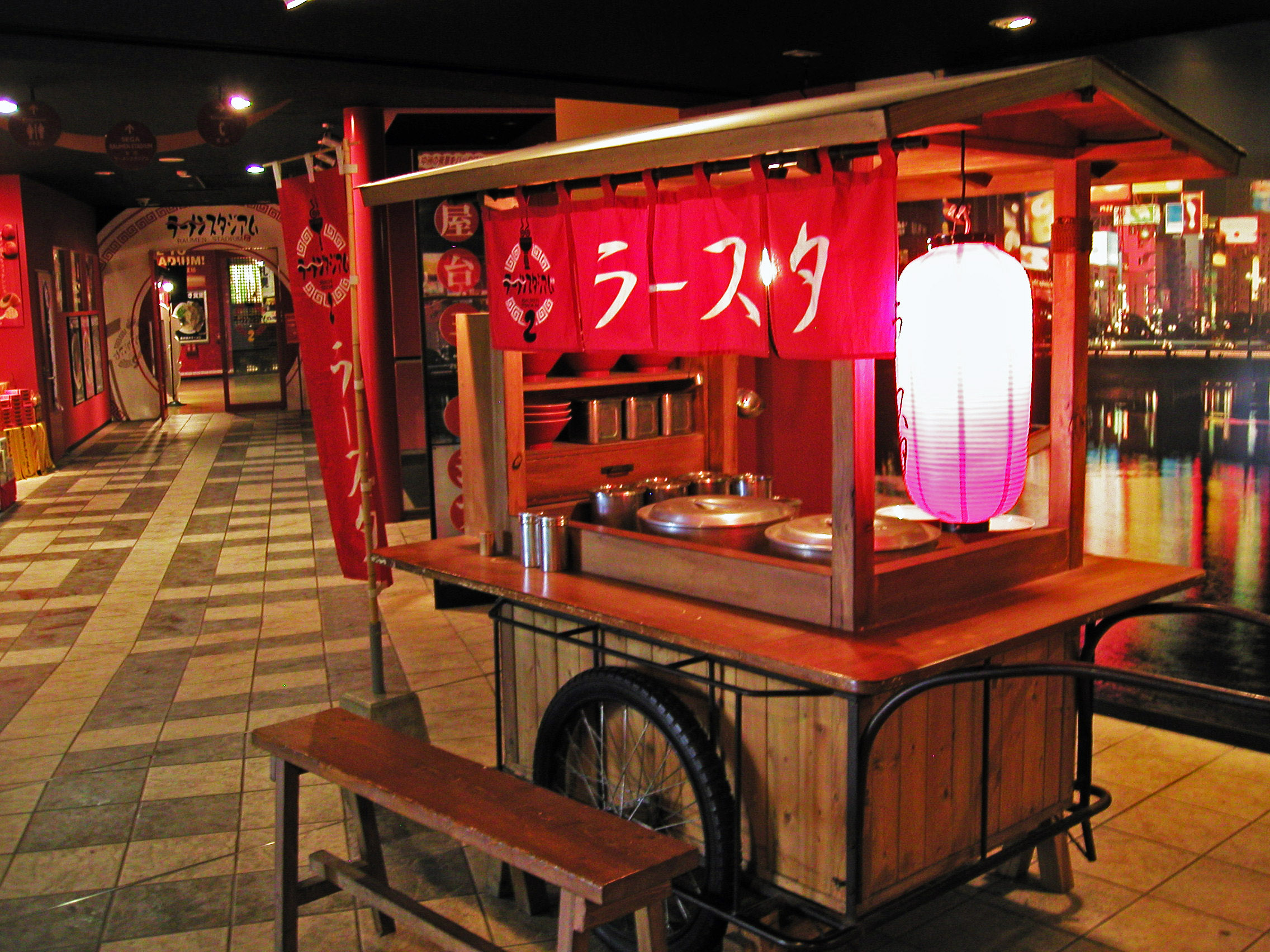
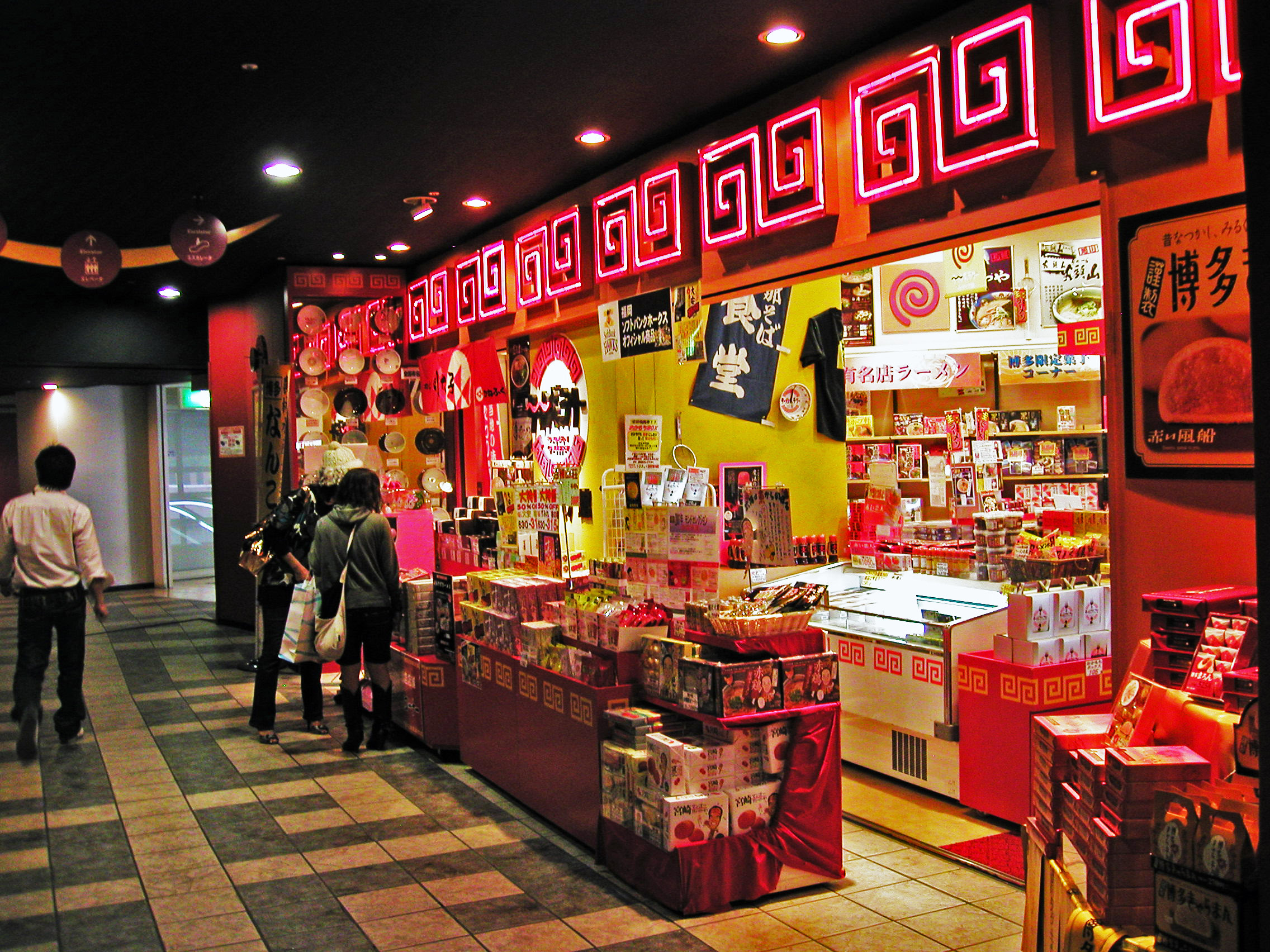
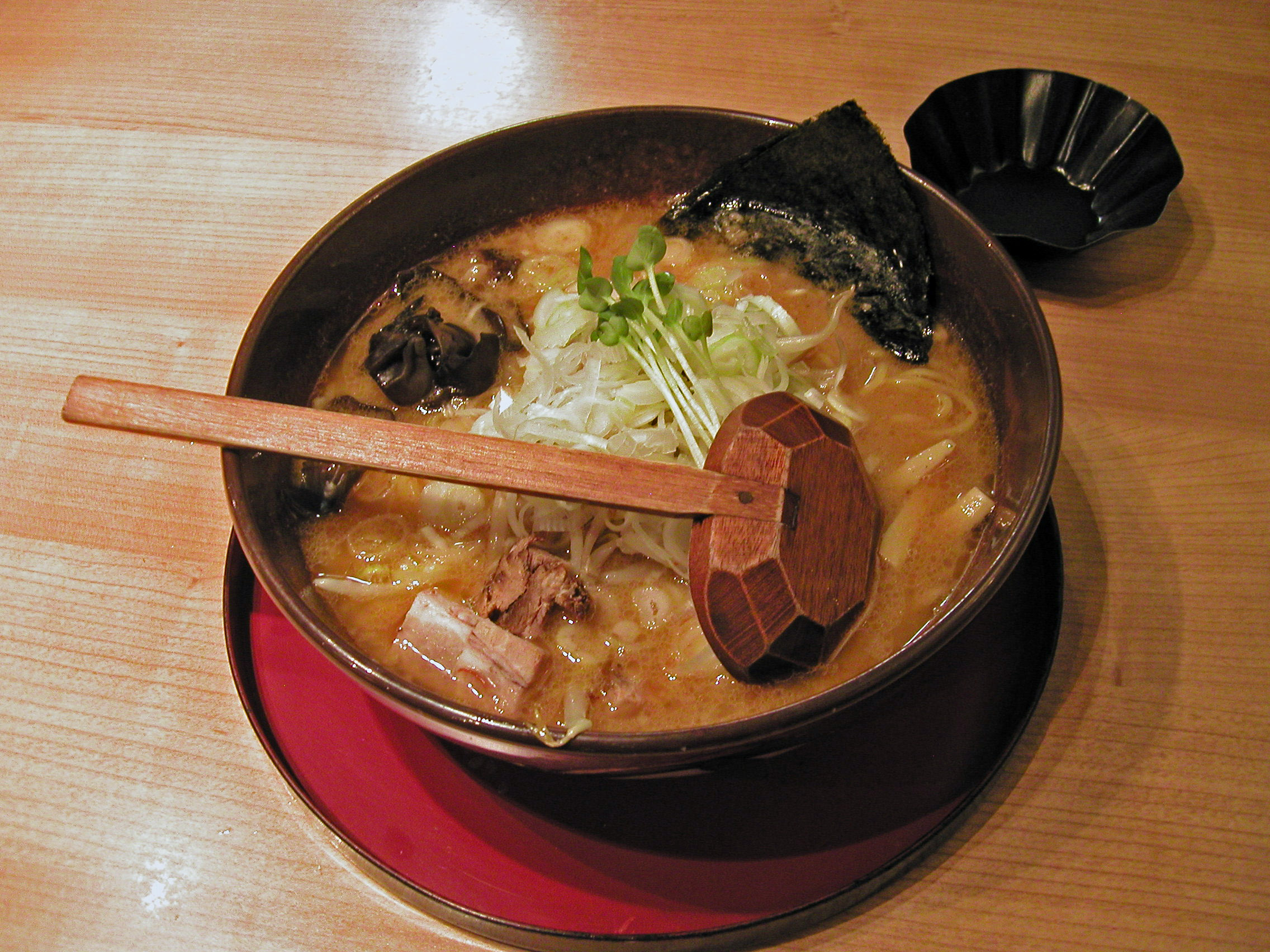
On the 5th floor, you will find the Ramen Stadium, a popular food
court featuring eight famous ramen restaurants from all over Japan.
Which ramen shop would you like to try?
|
|
|
|
 |
 |
 |
 |
 |
 |
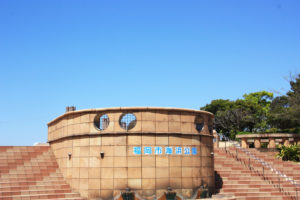
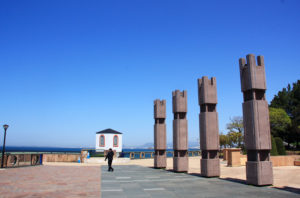
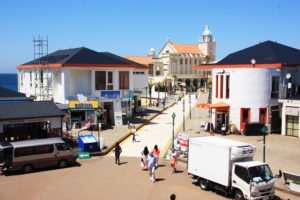
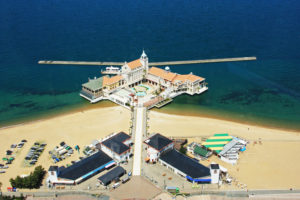
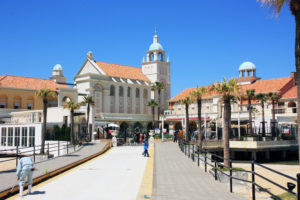
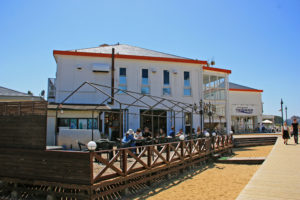
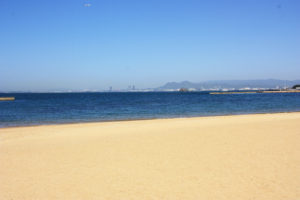
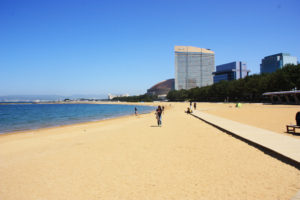
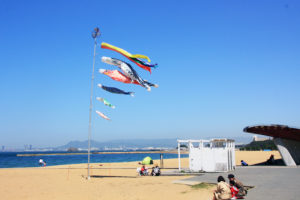
Marizon
Marizon is a complex facility for the wedding hall, shops and restaurants and is located in
Seaside Momochi Park.
 |
 |
 |
 |
 |
 |
 |
 |
 |
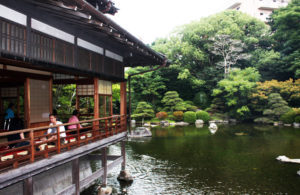
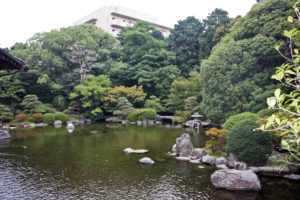
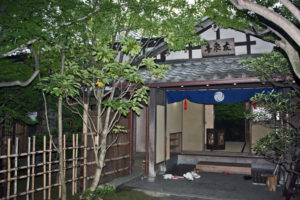
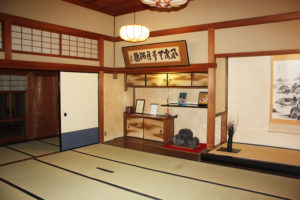
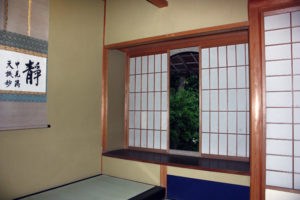
Yusentei Garden
The time-honored Japanese garden. The Japanese traditional Garden; it was originally built
in the 1754 for Kuroda Tsugutaka who was the lord of Fukuoka clan. You can feel Japanese
traditional cultures and enjoy Tea Ceremony.
 |
 |
 |
 |
 |
 |
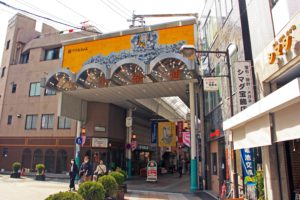
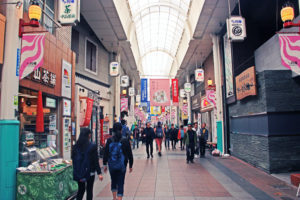
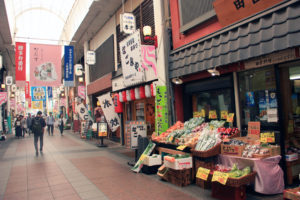
Kawabata-dori Shopping Street
The most historical and traditional local shopping street in Hakata. The entrance of the
shopping street is located next to Kushida Shrine. Approximately 130 shops built in the
400 metre arcade.
 |
 |
 |
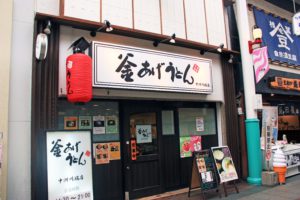
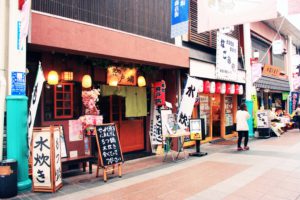
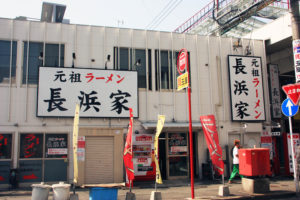
There are also souvenir shops including Hakata dolls, shops collected Hakata Gion Yamakasa
goods, restaurants included Ramen shop where the birth place of Nagahama Ramen.
 |
 |
 |
On the weekend, Friday, Saturday and Sunday, various events are held at the Event square.
 WhatsApp: Chat with us