
Chikugo Yoshii Hinadoll Festival in 2020
This Tourist information is created by Japan KYUSHU Tourist for enjoyment
of your travel. We are a Travel Agent in Fukuoka specializing in Kyushu.
When you have an idea or a plan for traveling in Kyushu, Japan, please contact
us by sending an Enquiry. Make an Enquiry
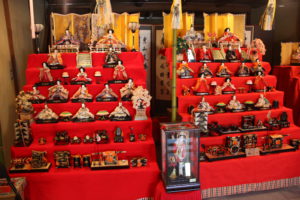
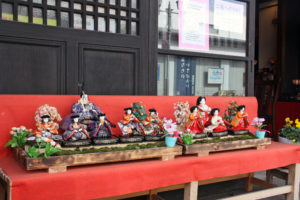
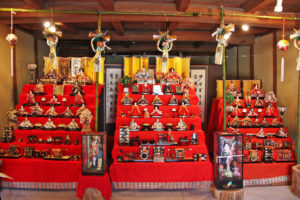
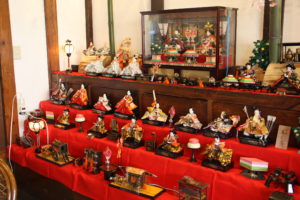
Hina matsuri, also called Doll’s Festival or Girls’ Day, is a special day in Japan, celebrated
each year on 3 March. A platforms covered with a red carpet-material are used to display a
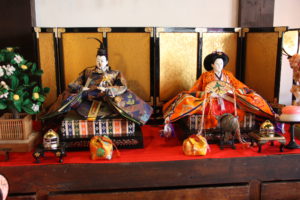
set of ornamental hina dolls, representing the Emperor, Empress, attendants, and musicians
in traditional court dress of the Heian period.
 |
 |
 |
It is an occasion to pray for the well-being and prosperity of girls. It is thought that the festival has its roots
in an ancient purification ceremony, in which dolls were floated down the river, taking all of the girls’ bad
luck with them.
Yoshii-machi, Ukiha-city Hina doll Festival
from February 11 through April 3
 |
 |
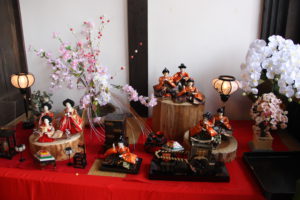 |
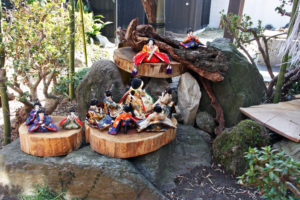
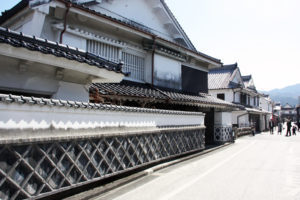
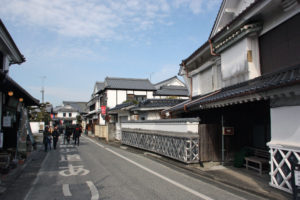
Main Hina dolls are displayed at Shirakabe Avenue district, where the river is lined by attractive former
warehouses, all with traditional wood and white plaster exteriors. The doll displays of Ukiha usually
feature two types of dolls: okiage (paper cut-outs covered in cotton and wrapped in fabric) and hakobina
(dolls in individual display cases).
 |
 |
 |
General information
| Address | Yoshii-machi, Ukiha-city, Fukuoka-prefecture |
| Access |
50 minutes by a vehicle from Fukuoka-city 45 minutes by a vehicle from Dazaifu-city 60 minutes by a vehicle from Yanagawa-city 90 minutes by a vehicle from Kitakyushu-city |
Japan Heritage, Kanmon Strait
Kanmon Strait has been registered on the Japan Heritage as Kanmon Nostalgic
Strait in 2017.
Kanmon Strait was an important and key place of inland and sea transportation
since ancient times.

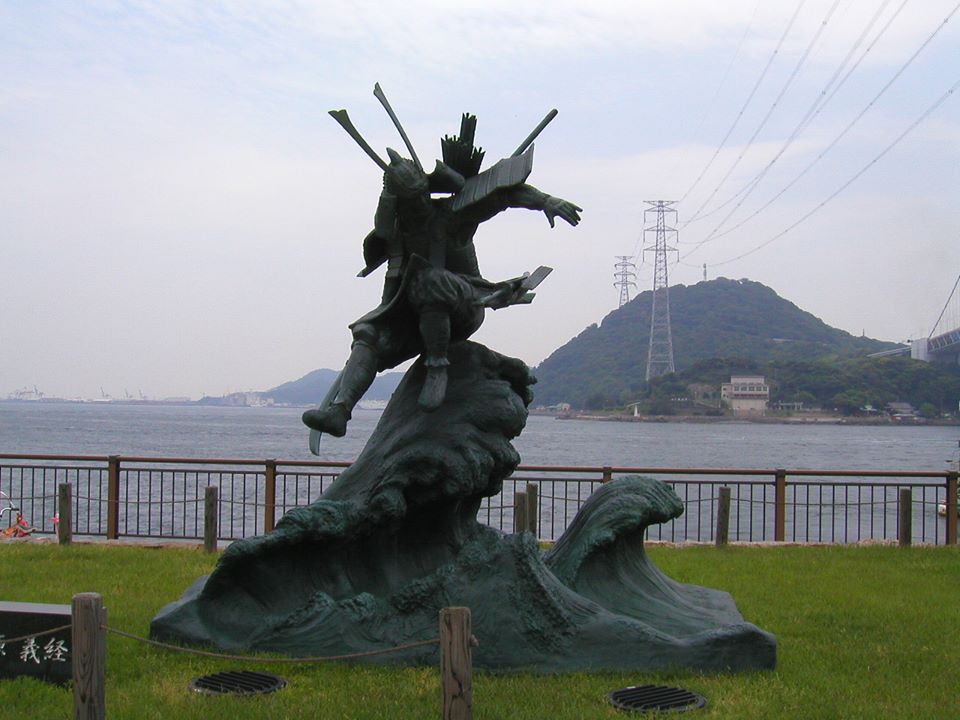
And at the end of Tokugawa Shogunate period in the middle of 19th century, Moji and
Shimonoseki ports were established at both side of Kanmon Kaikyo Strait.
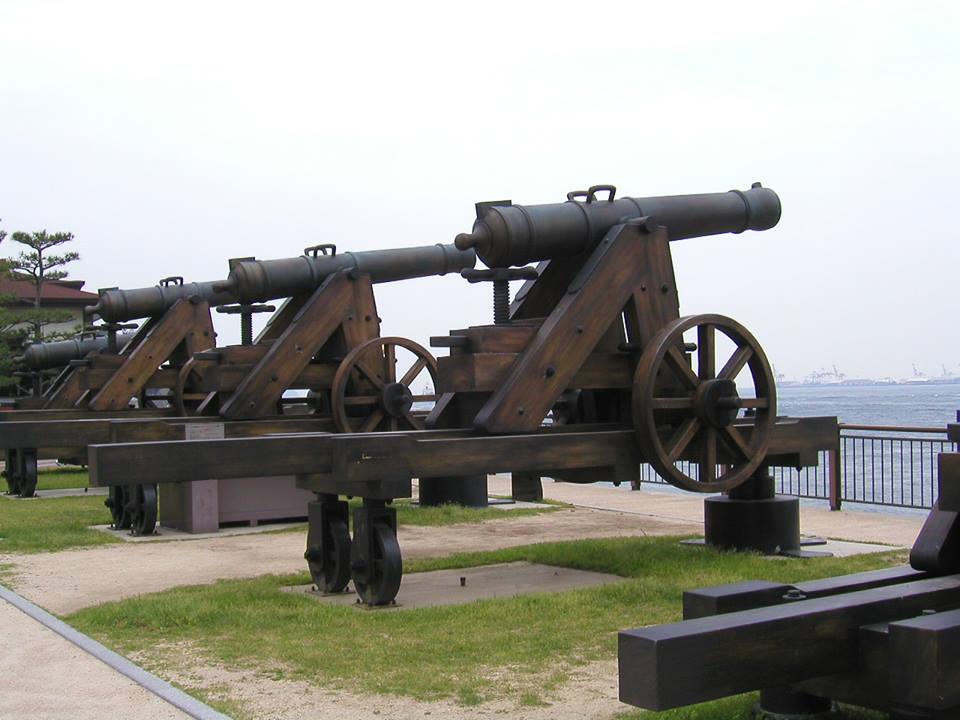
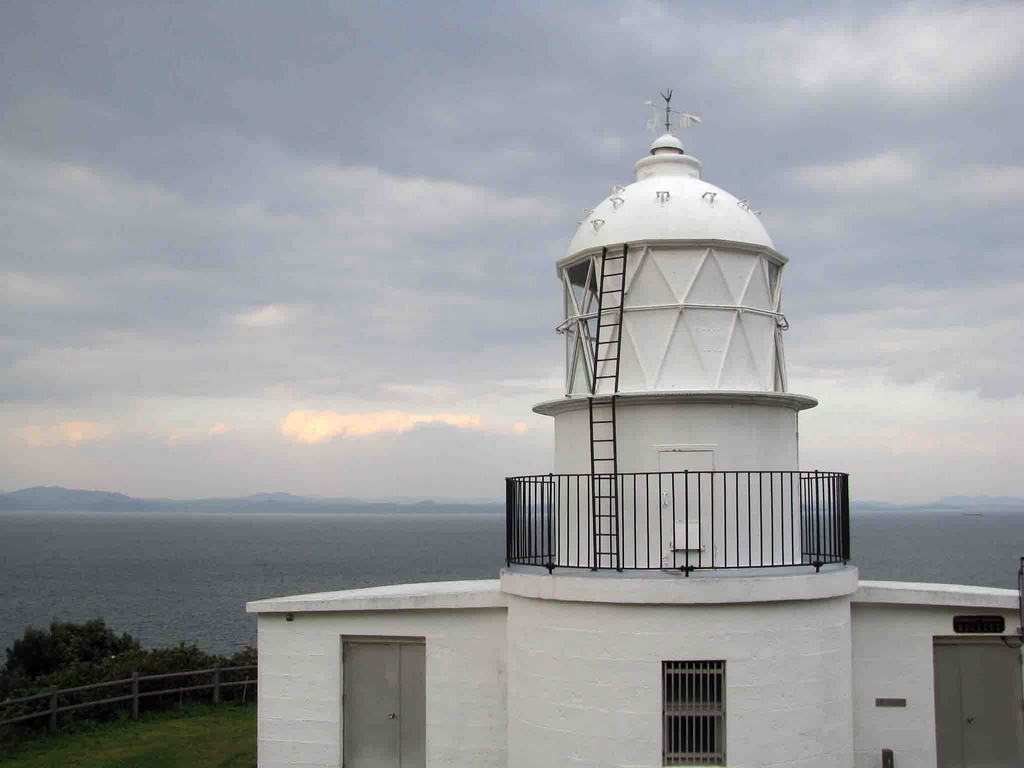
Since then, the western style lighthouses were constructed and many heavy modern
western buildings were constructed one after another at Moji and Shimonoseki.
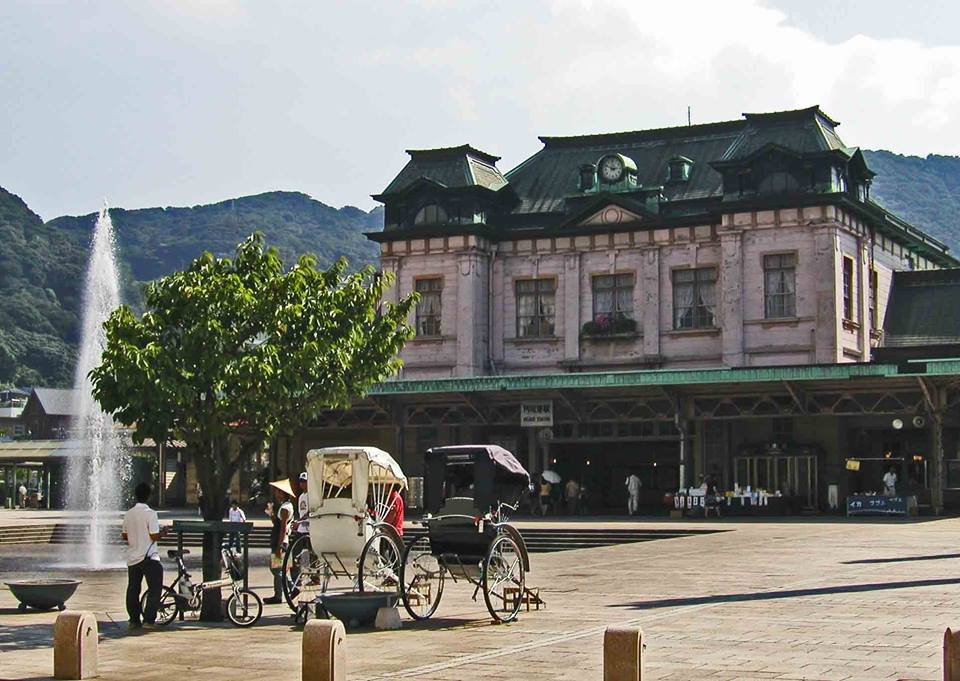
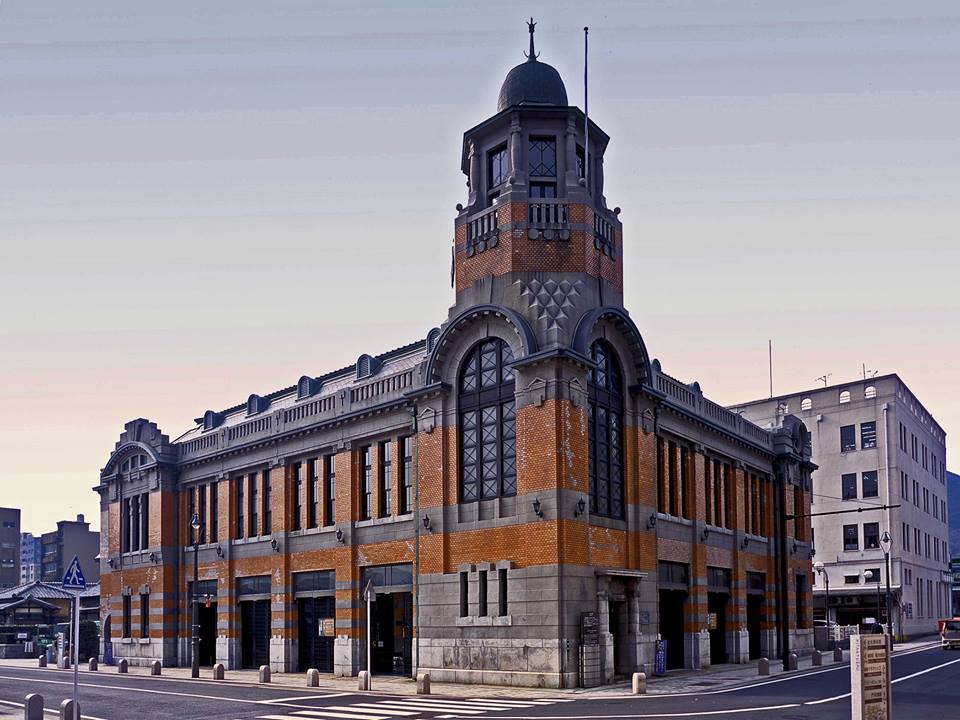
Kanmon Strait was a stage of Japan’s modernization history.
At the both side of Strait, Moji and Shimonoseki, there are lot of retro
buildings and historical places used for modernization of Japan are still remain.
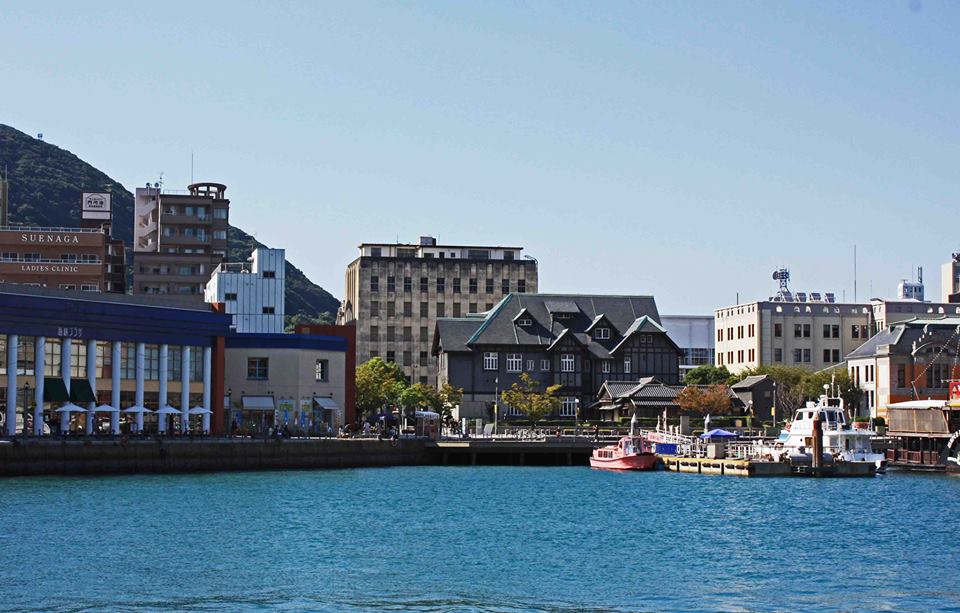
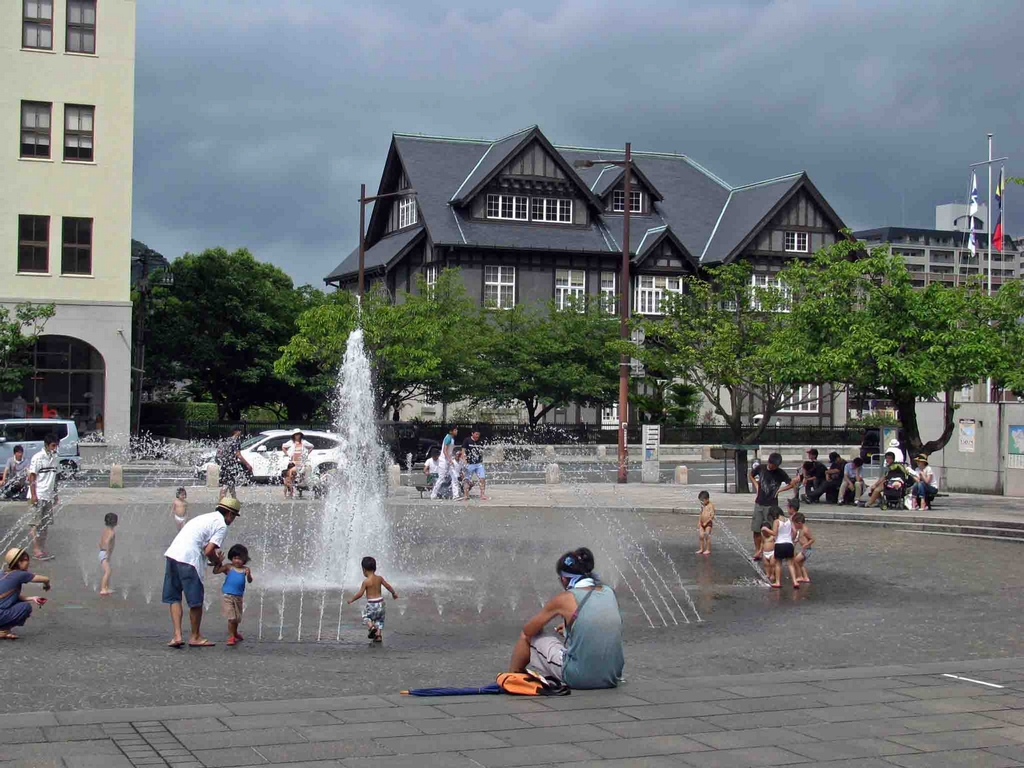
When you visit here, you can feel a nostalgic atmosphere, as if you are in a
historical movie scene.
Home Tailor-made tours Study tours Christian Pilgrimage tours Golf tour Kyushu tour packages
Baked Eel
physical energy.
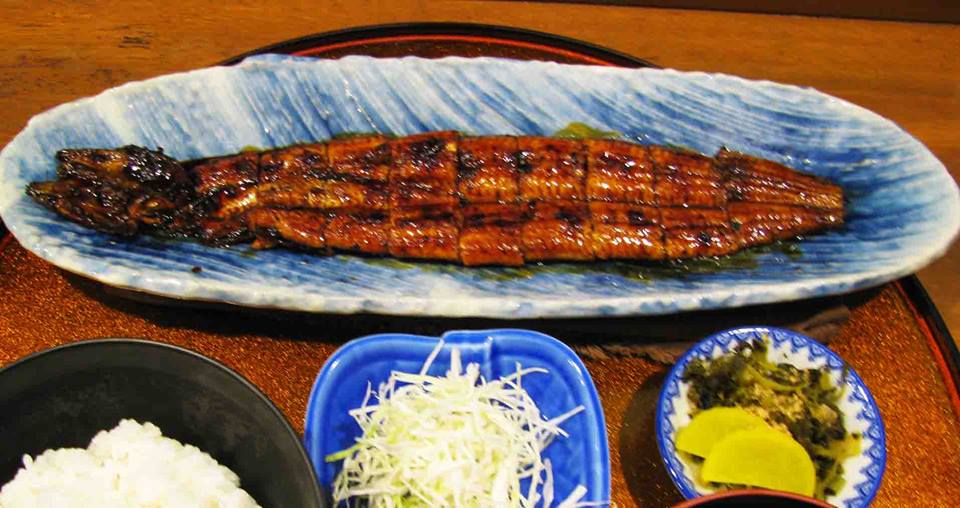
the eel to heighten its flavor.
is broiled over a charcoal fire while being dipped several times in a
special sauce.
rice wine.
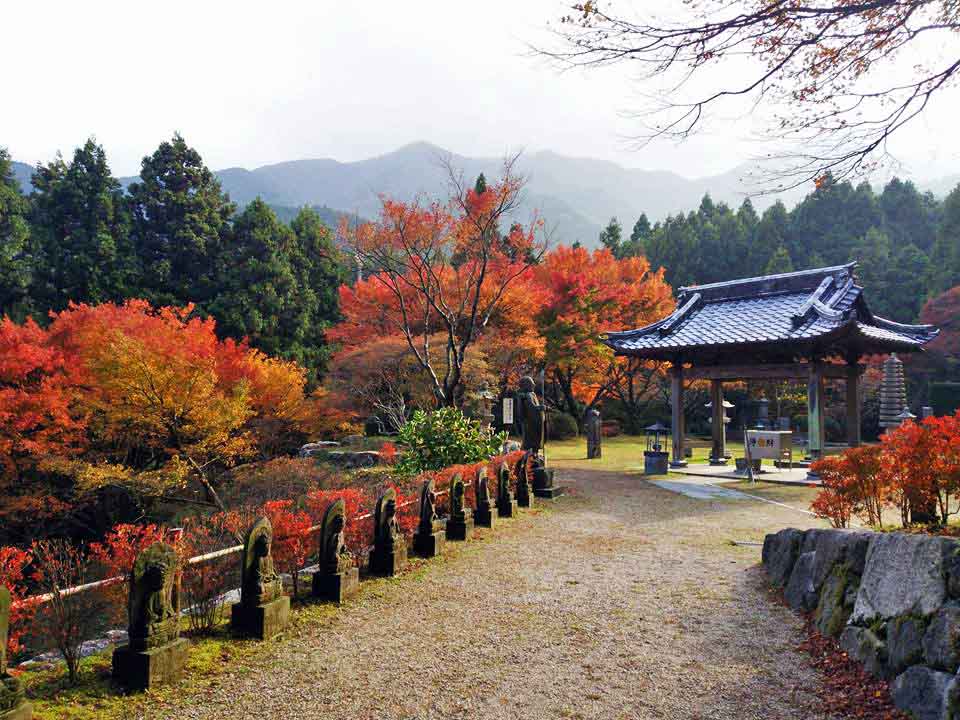
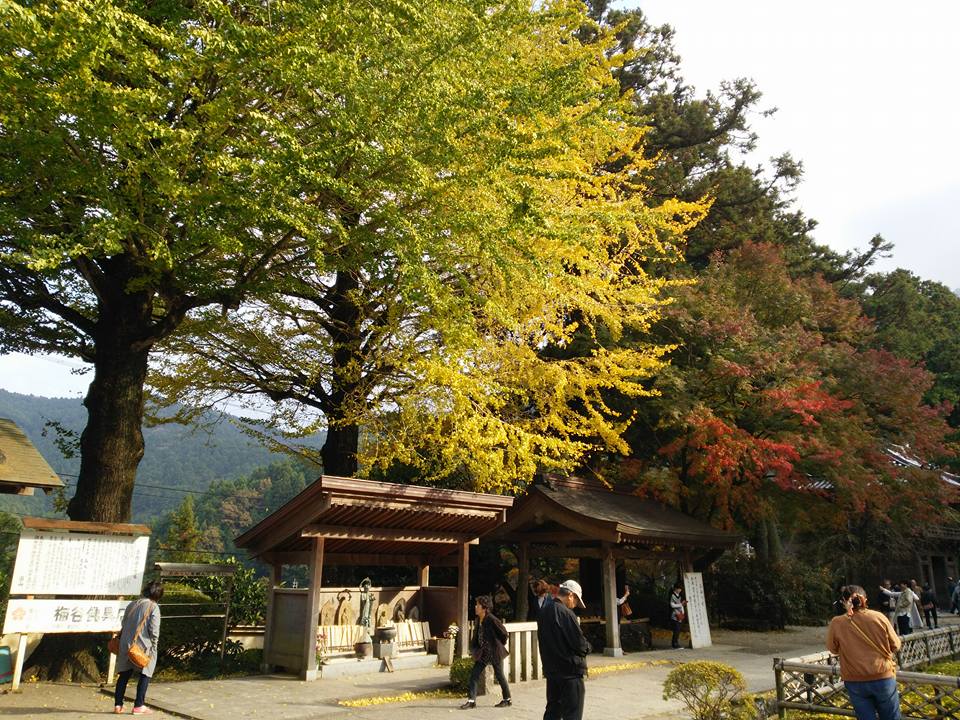
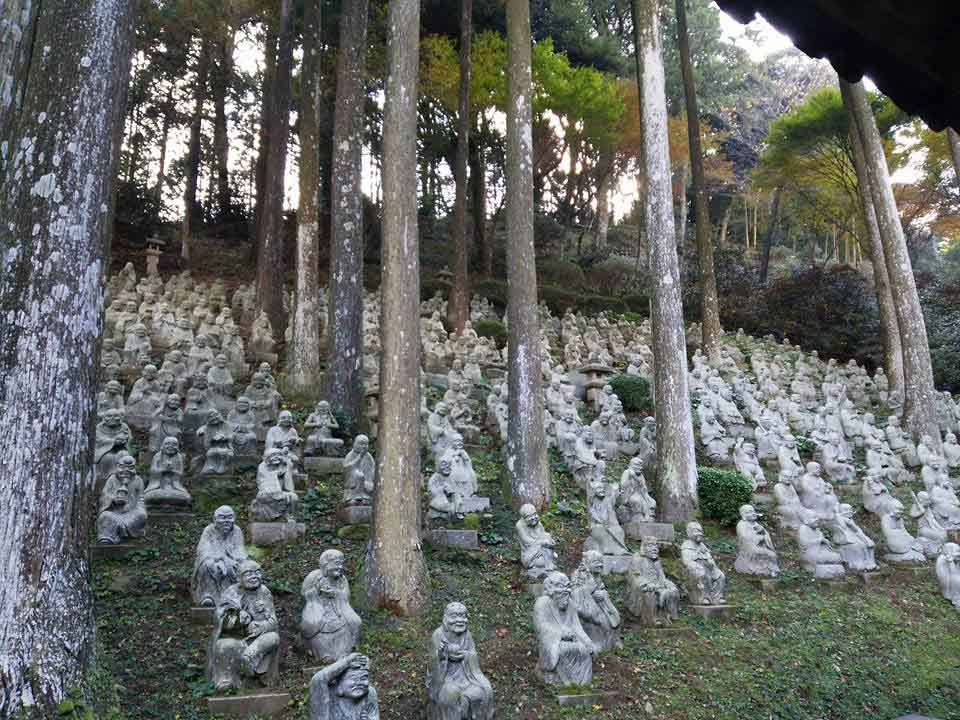
Autumn in Itoshima
is used to refer to the changing colors of autumn foliage.
as a natural monument.
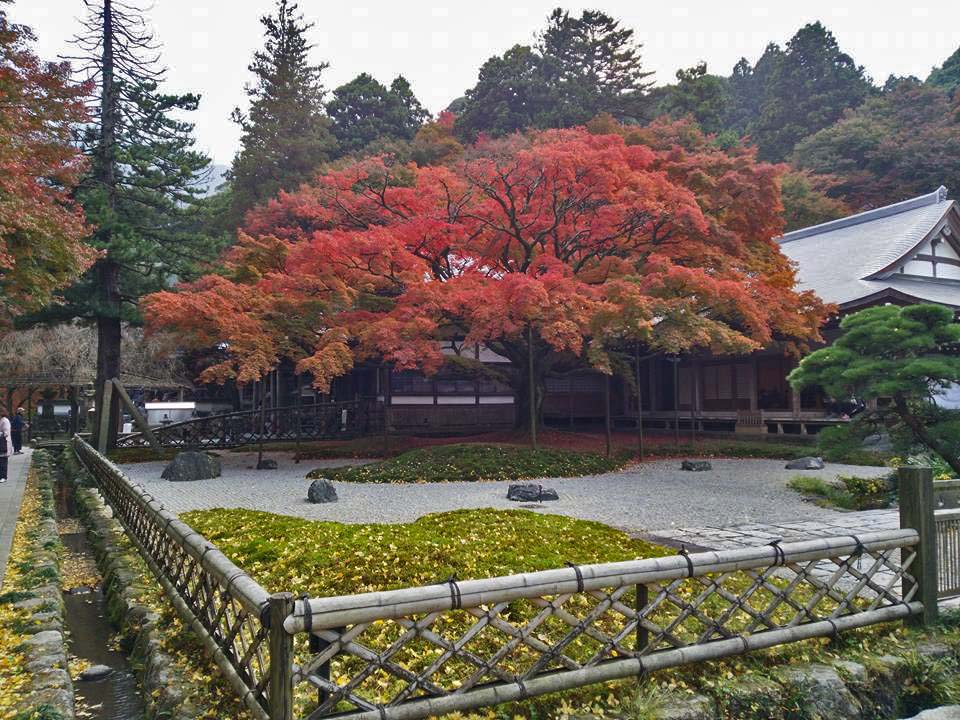
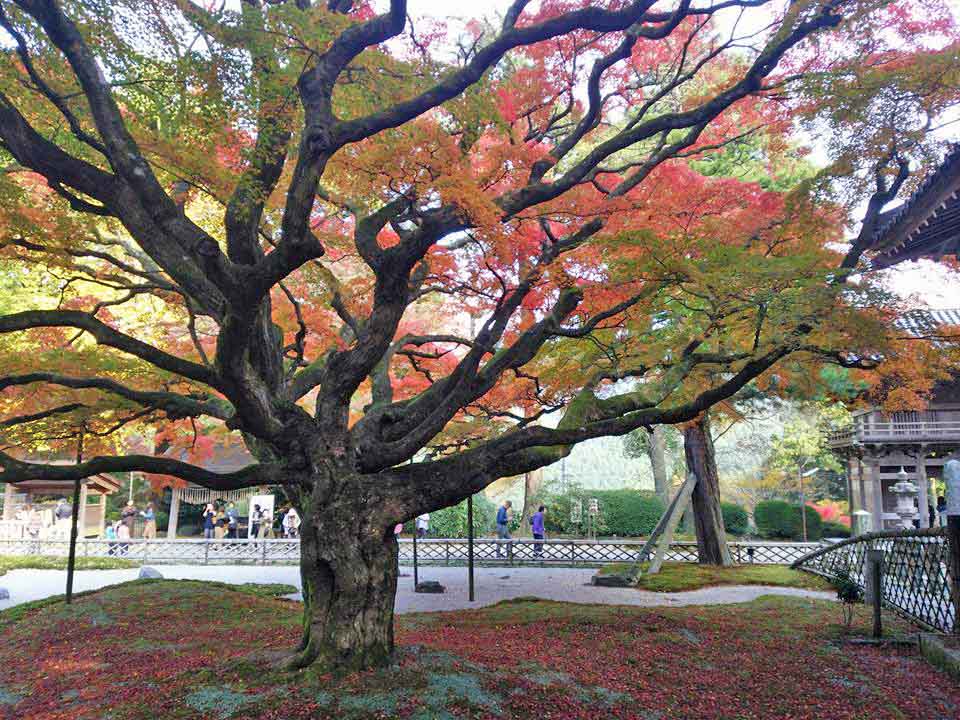
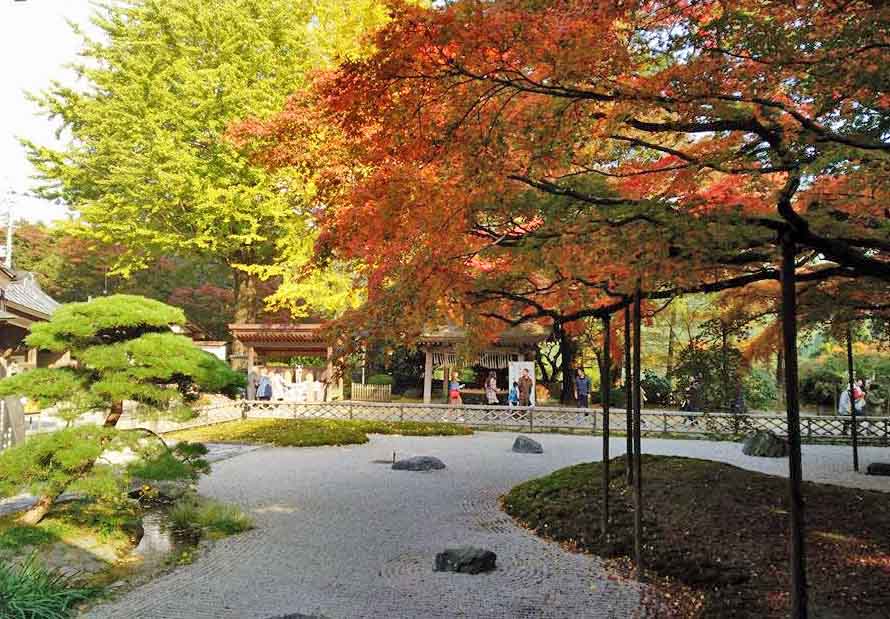
monument, a white sandalwood tree located in the inner garden called
Shinji Teien, along with the autumn leaves.
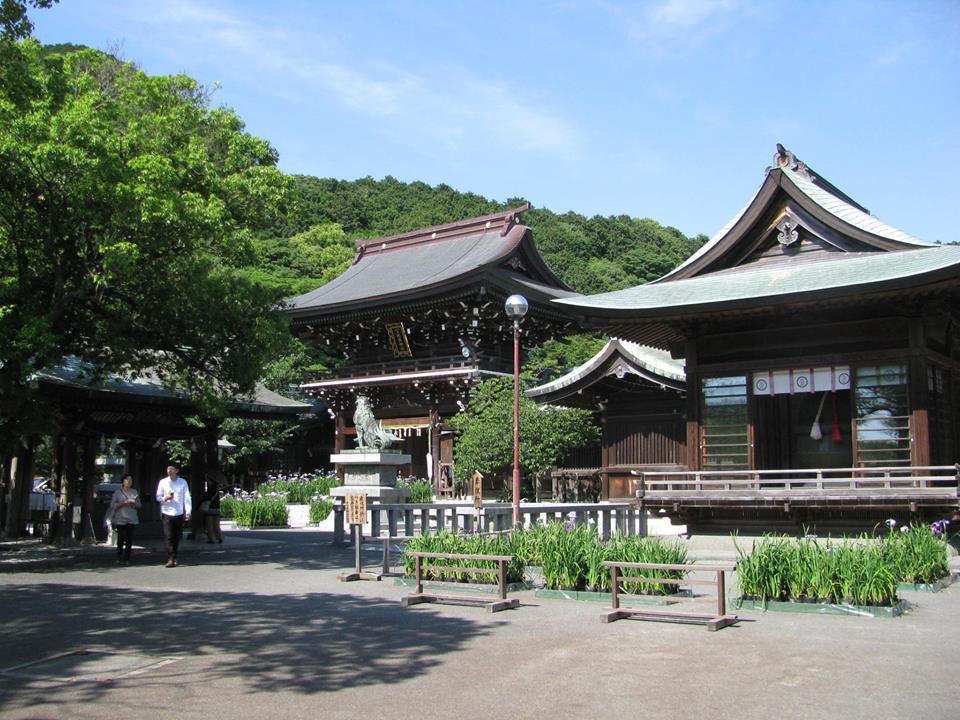
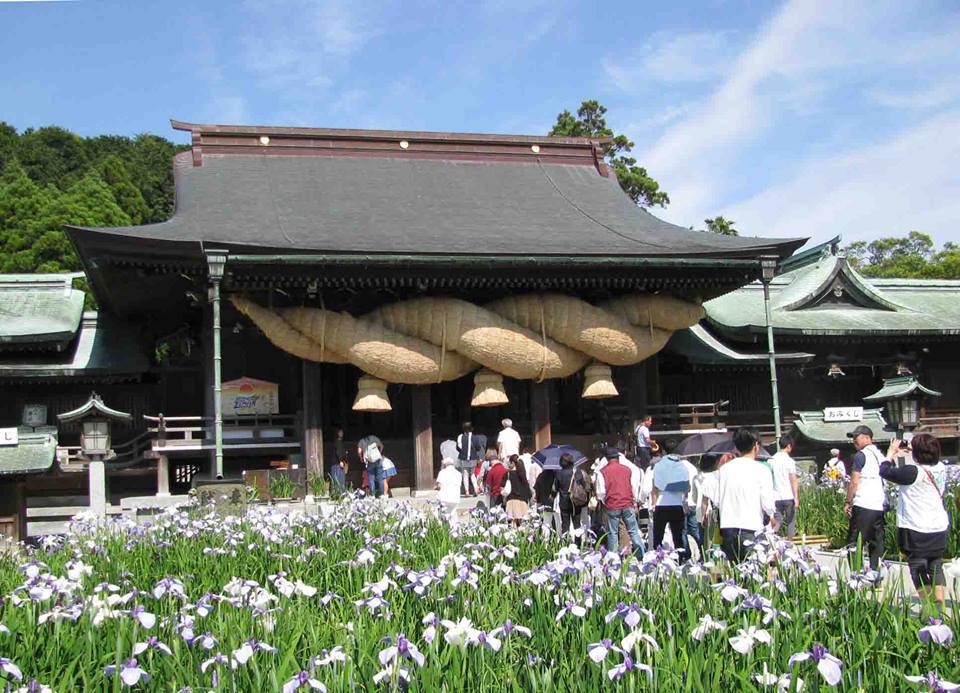
The biggest Shimenawa in Japan (宮地嶽神社の日本一の注連縄)
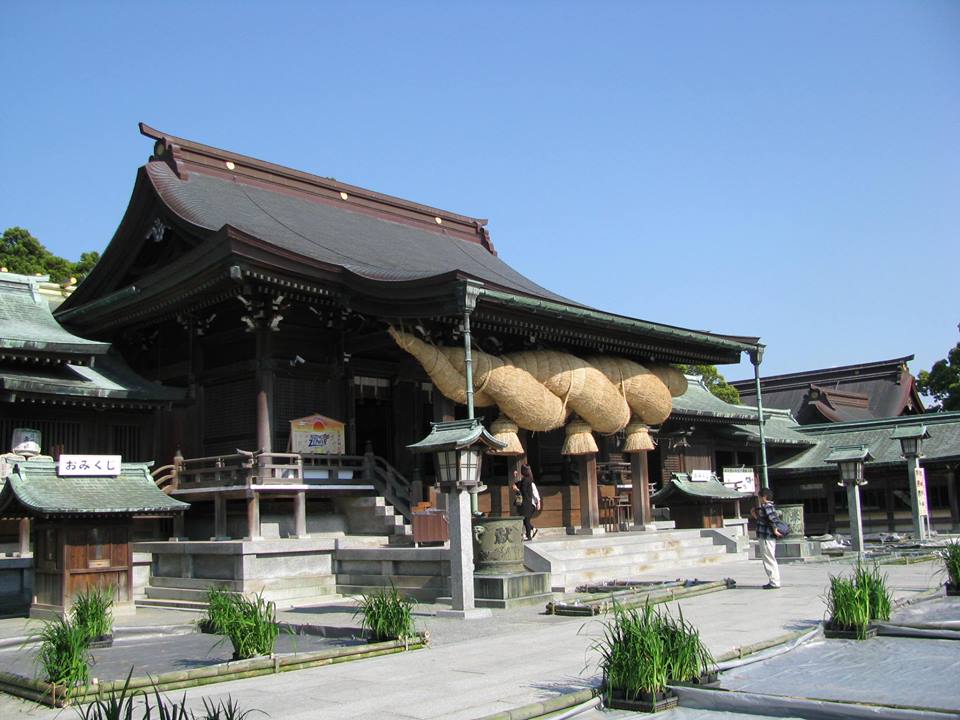
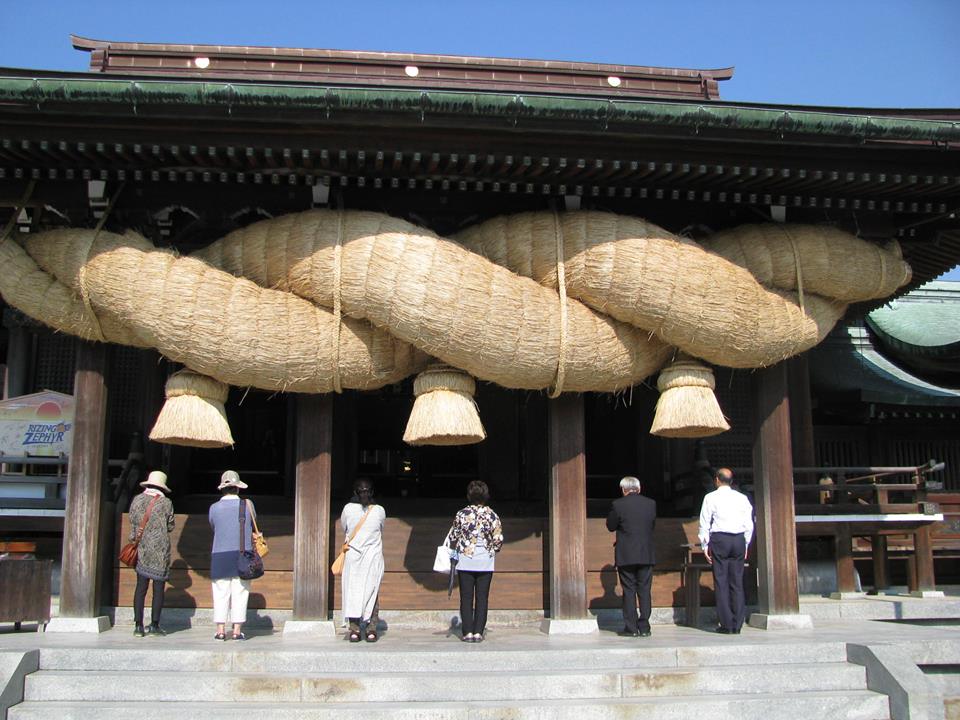
Shimenawa is the thick, twisted, straw rope. It was believed in ancient days that
a Shimenawa had the power to keep off evil sprits, so many objects connected
with Shinto Shrines decorated with Shimenawa.
長さが11mあります。
昔、注連縄には悪魔を退ける力があるとしんじられていて、神社に関係の深い
多くのものには注連縄が飾られています。
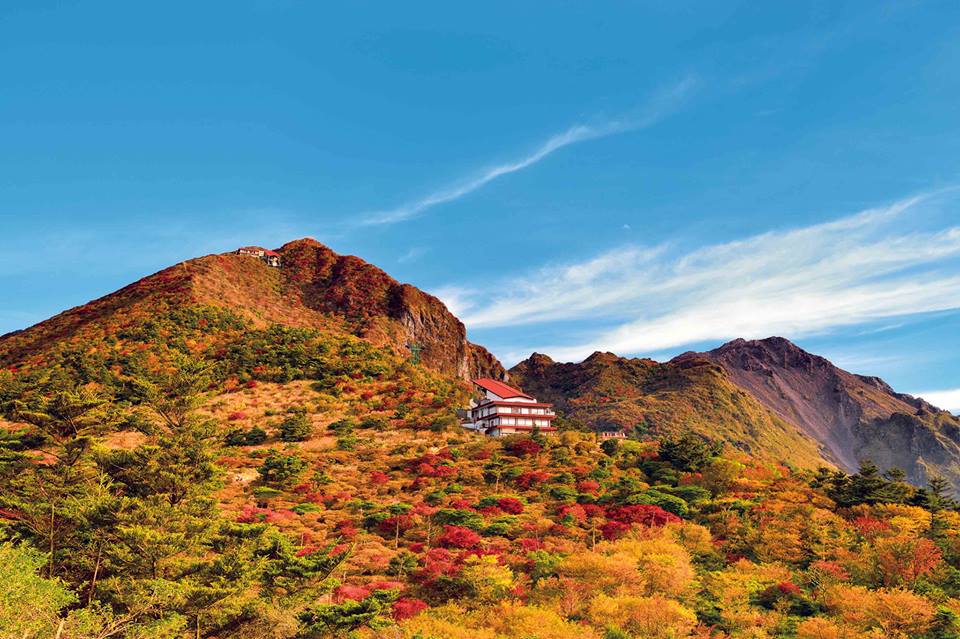
Colorful autumn leaves in Unzen
where you can discover its absolute beauty in Japan.
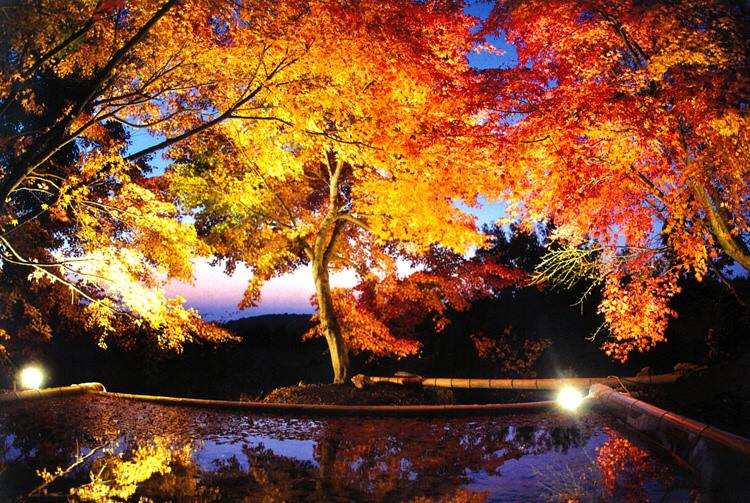
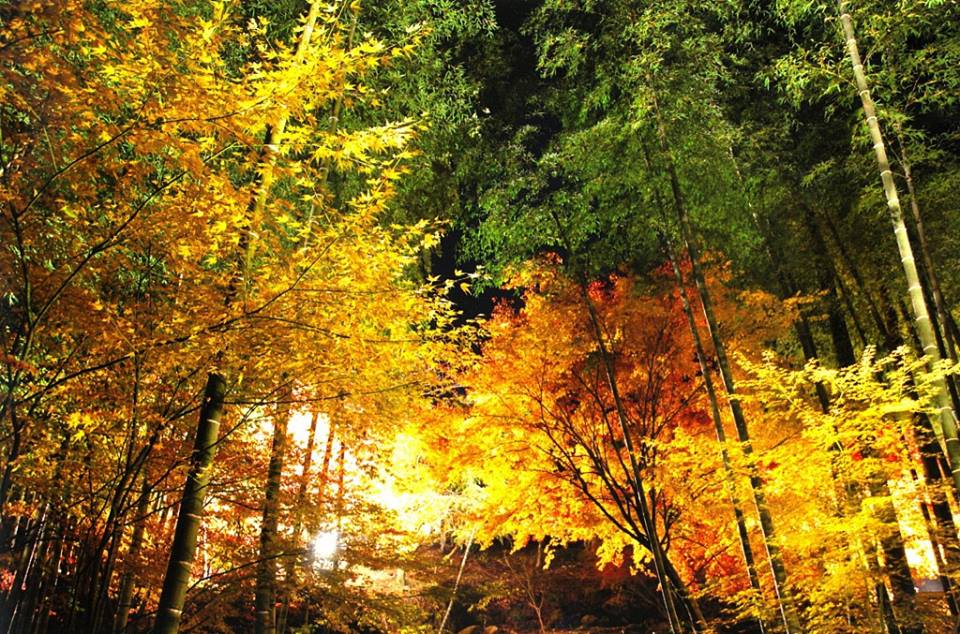
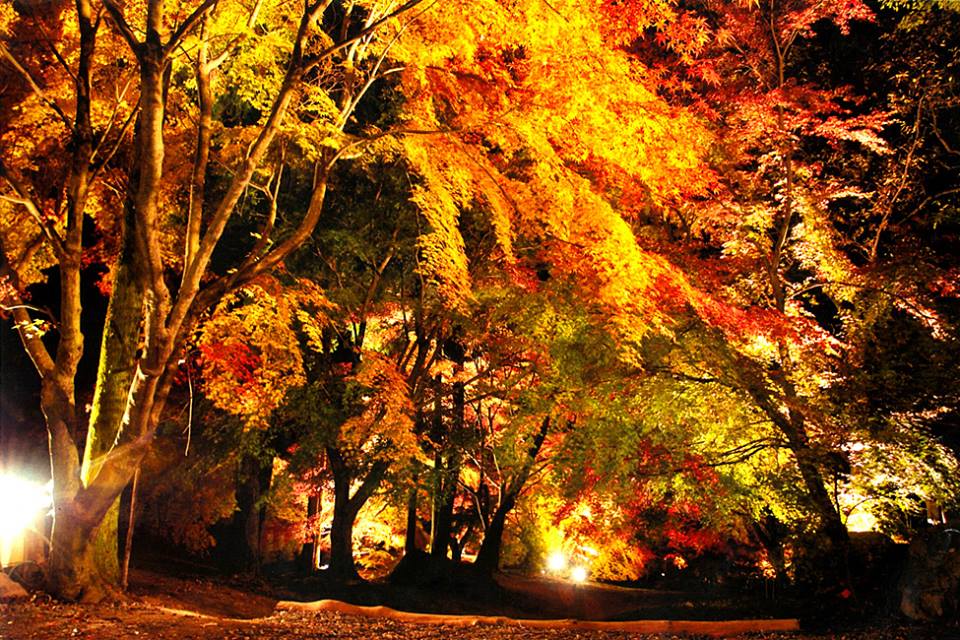
Nita-toge Pass is the best place to enjoy autumn foliage.
Ema (絵馬)
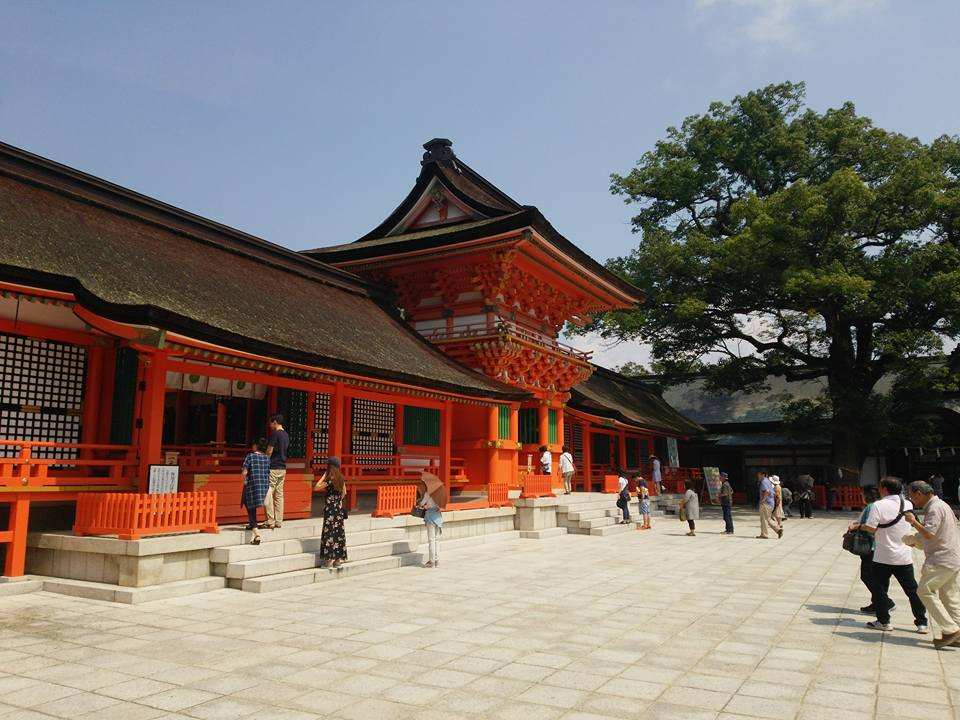
Shrine and Temple.
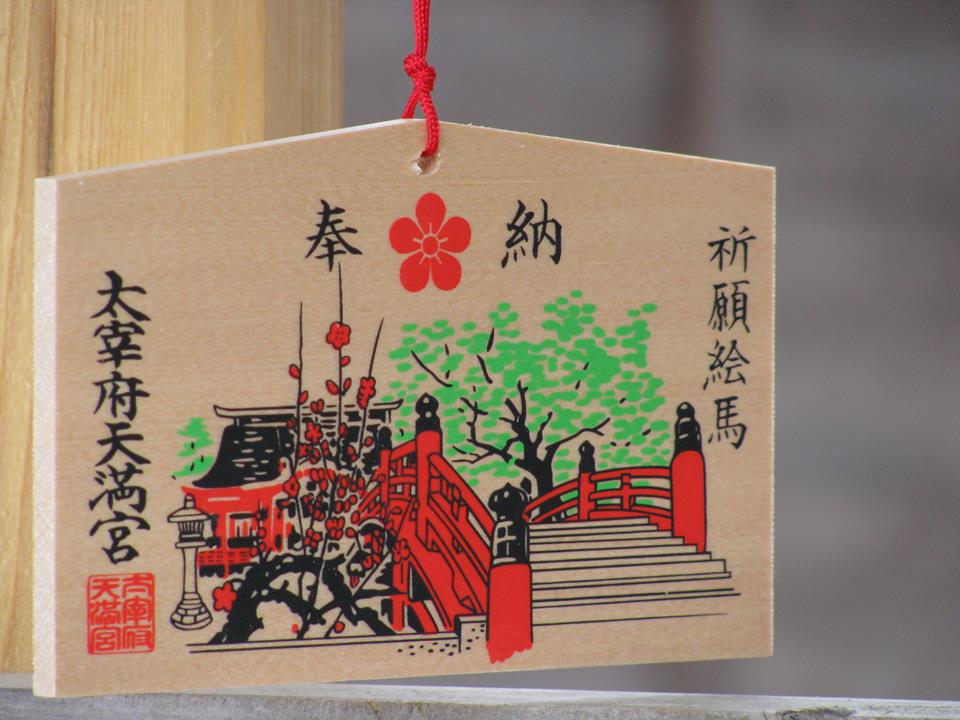
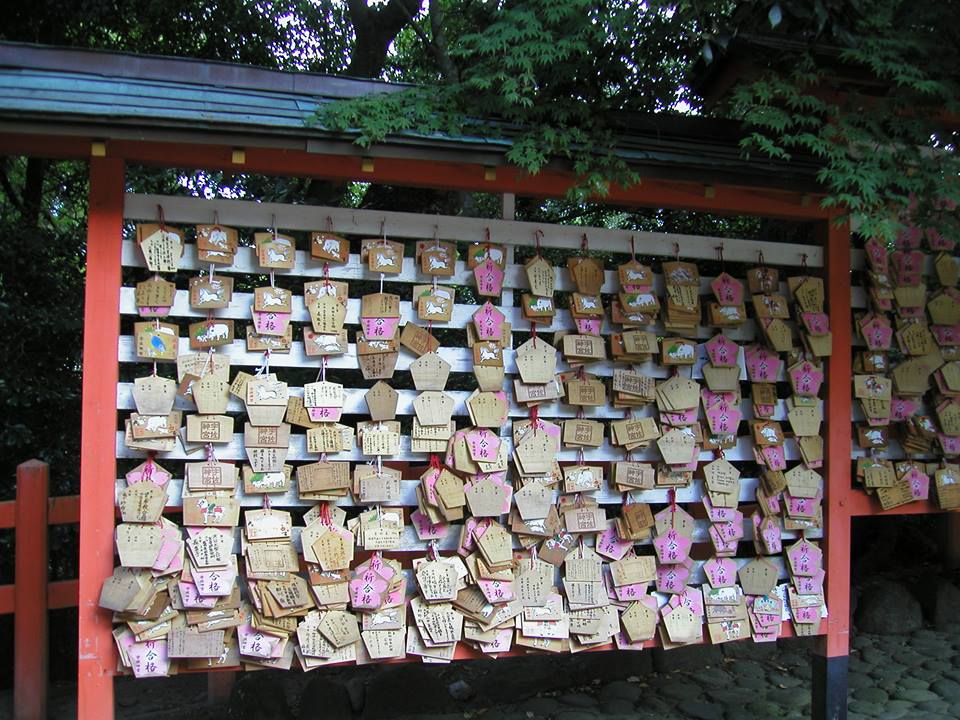
One side of the plaque usually has a picture of horse or the
animal representing the zodiac sigh of that year.
for wide variety of things, then hang the Ema up the certain
places in the Shrine or Temple.
of offering real horses when they made wishes.
horse, as donating real horses became too much of financial
strain.
Japanese Cultural exprience, wearing in Kimono
Experience of wearing in Kimono is done in Kokura Castle and Kokura Castle Garden.
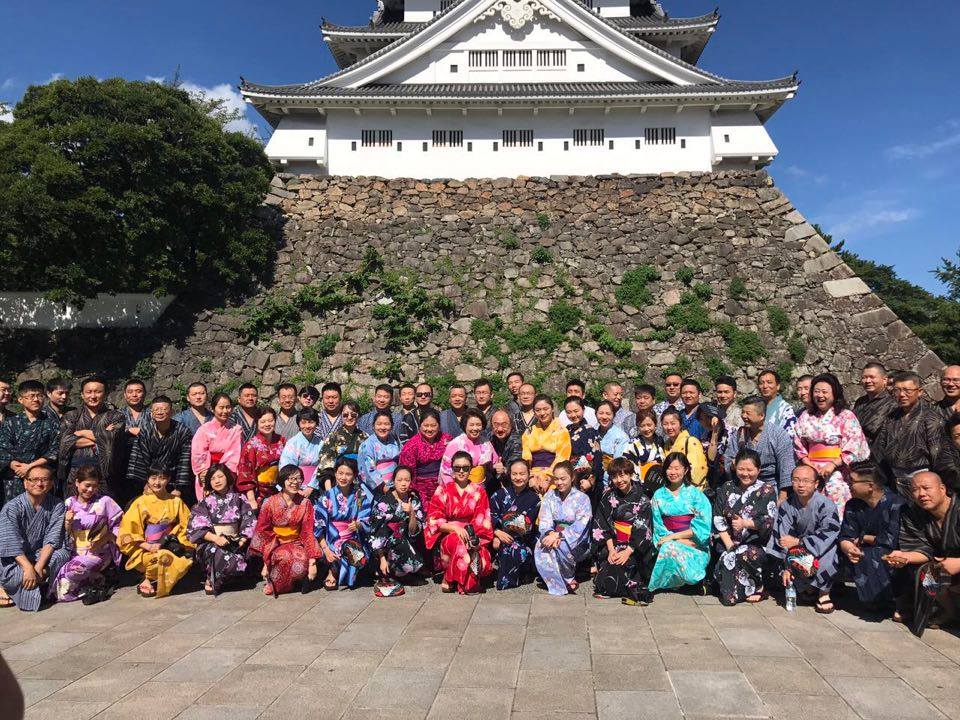
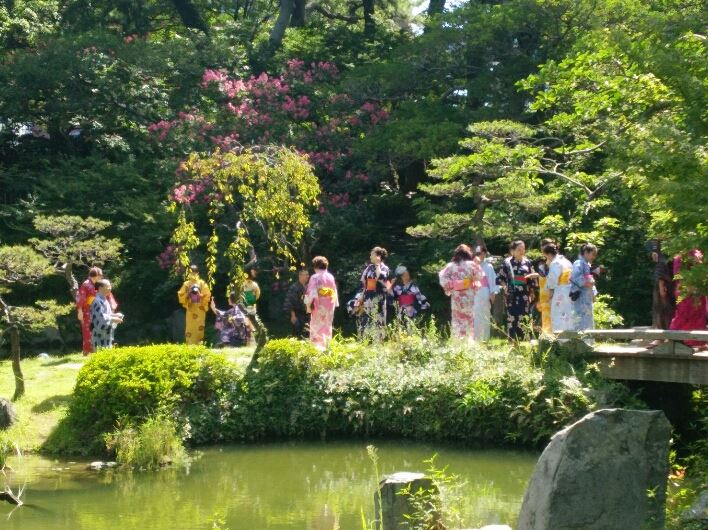
Kimono is the traditional is the Japanese traditional costume, and there are
various type of Kimono.
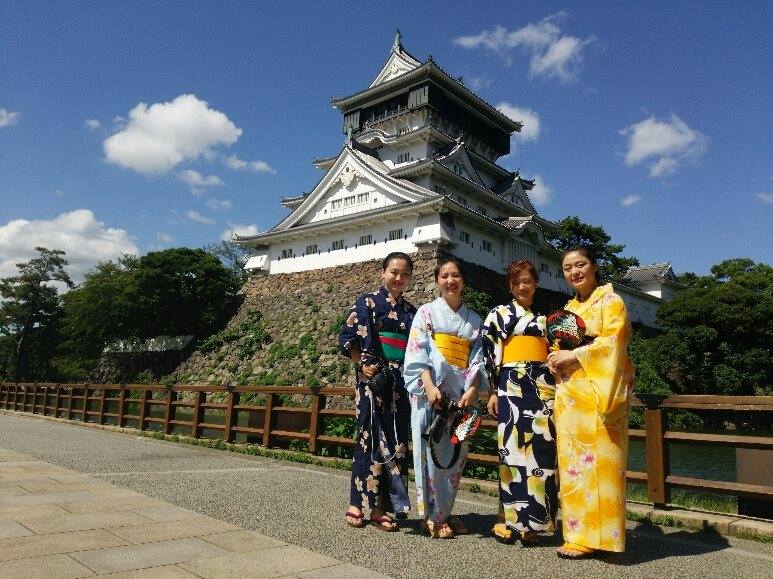
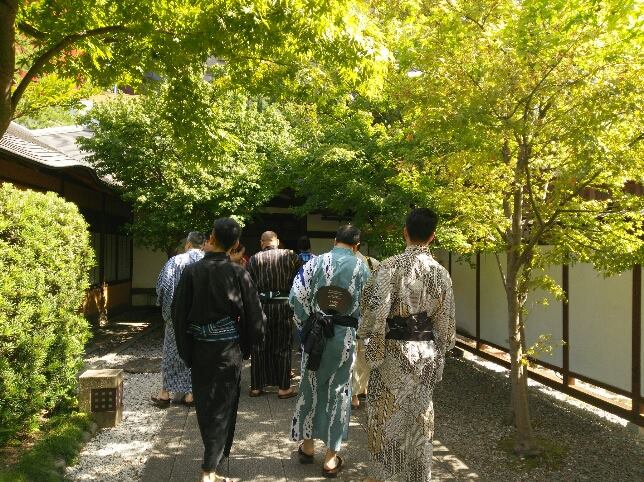
Yukata which is a simple Kimono worn in summer is used today’s experience.
About us Tailor-made tour Self-guided tour Golf tour Study tour Contact us
Kyushu Travel Guide Suggested itinerary Blog & local News About Japan 日本語

Japanese Castle
designed to keep the enemy out.
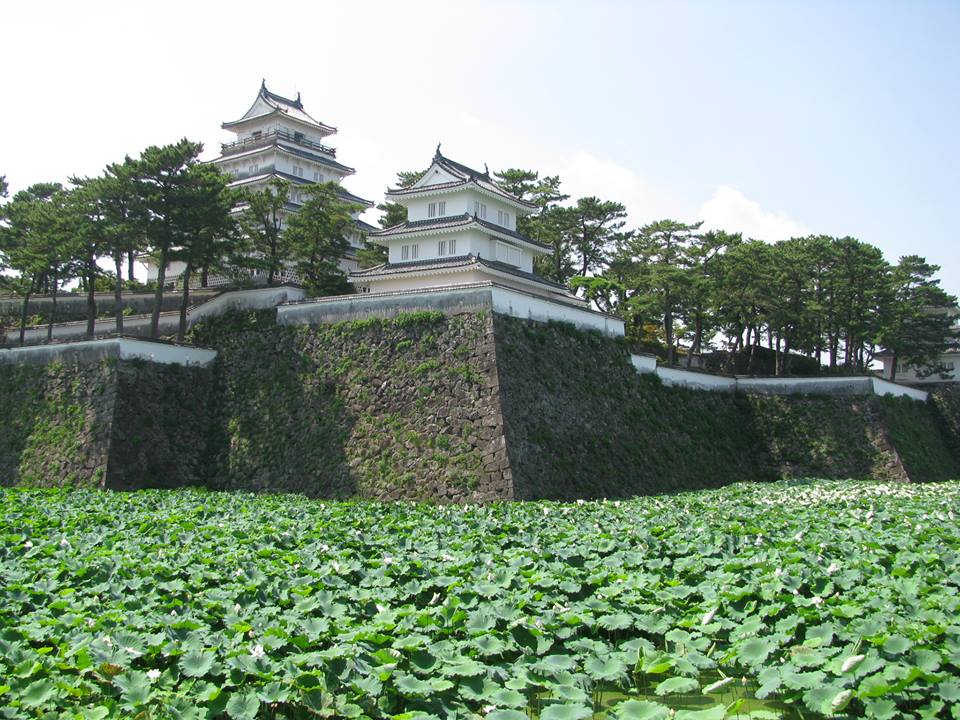
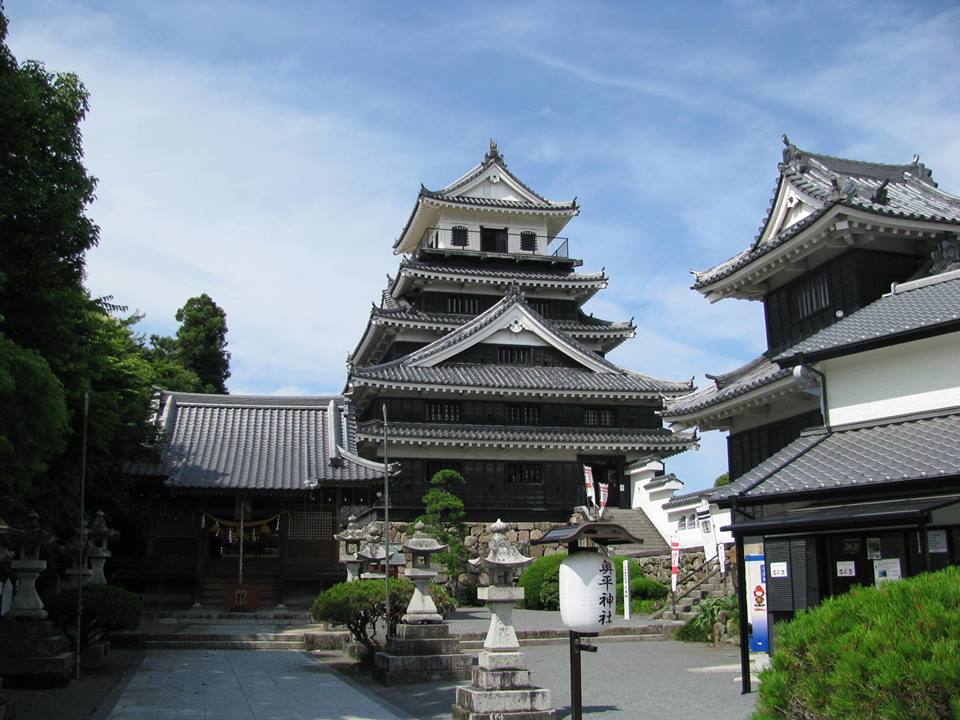
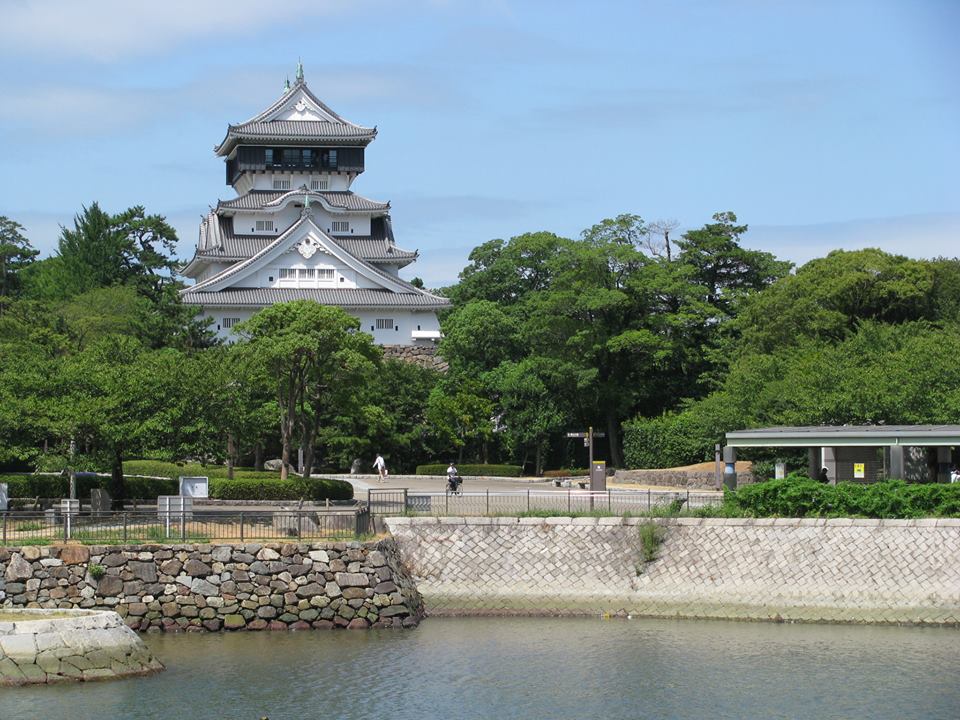
In the Sengoku (civil war) period from 15th to 16th century, territorial warlords
competed in building castles in mountainous areas across the country.
demonstrate the power of feudal lords.
Tailor-made tour Self-guided tour Golf tour Study tour Contact us
Kyushu Travel Guide Suggested itinerary Blog & local News About Japan 日本語
Martial art, Karate
Karate is a martial art developed in the Okinawa, Kyushu, and is art of self-defense
that use no weapons and relies instead on three main techniques; arm strike,
thrusts and kicks.
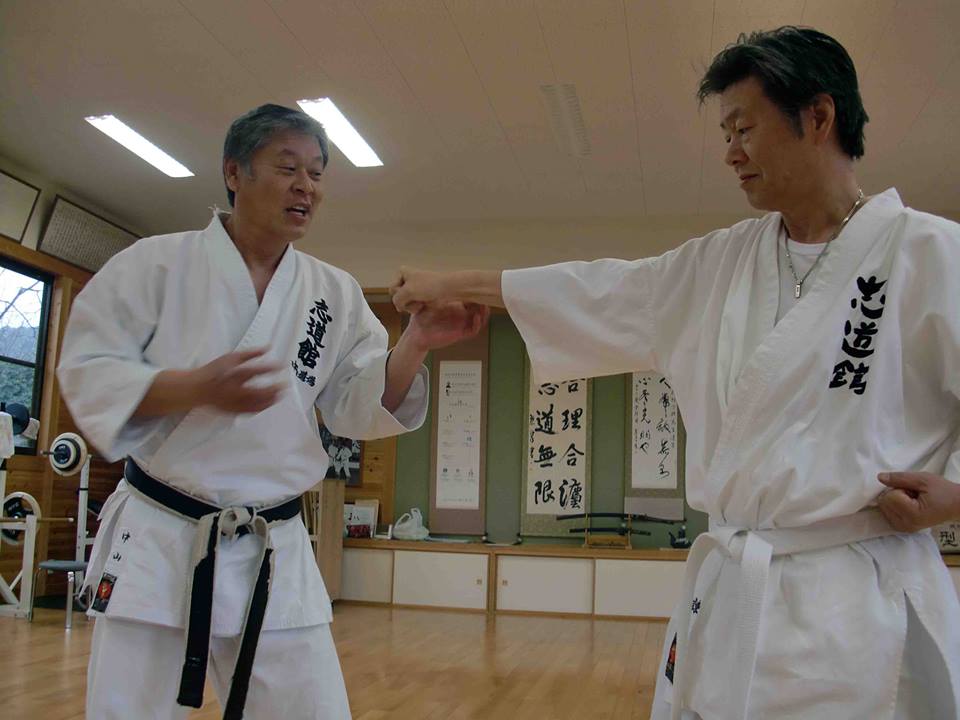
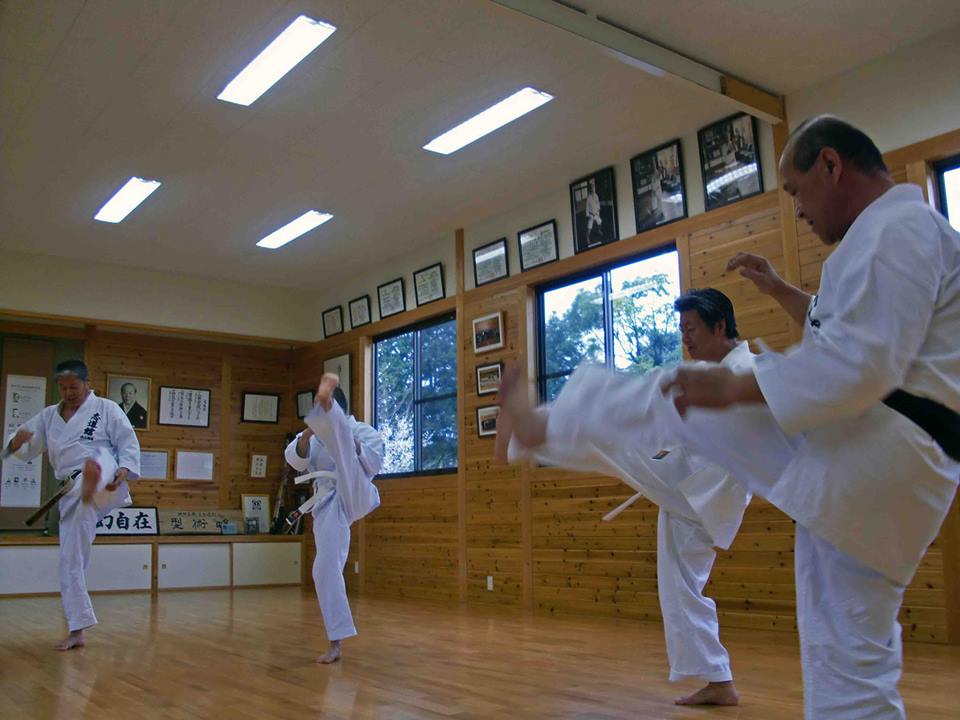
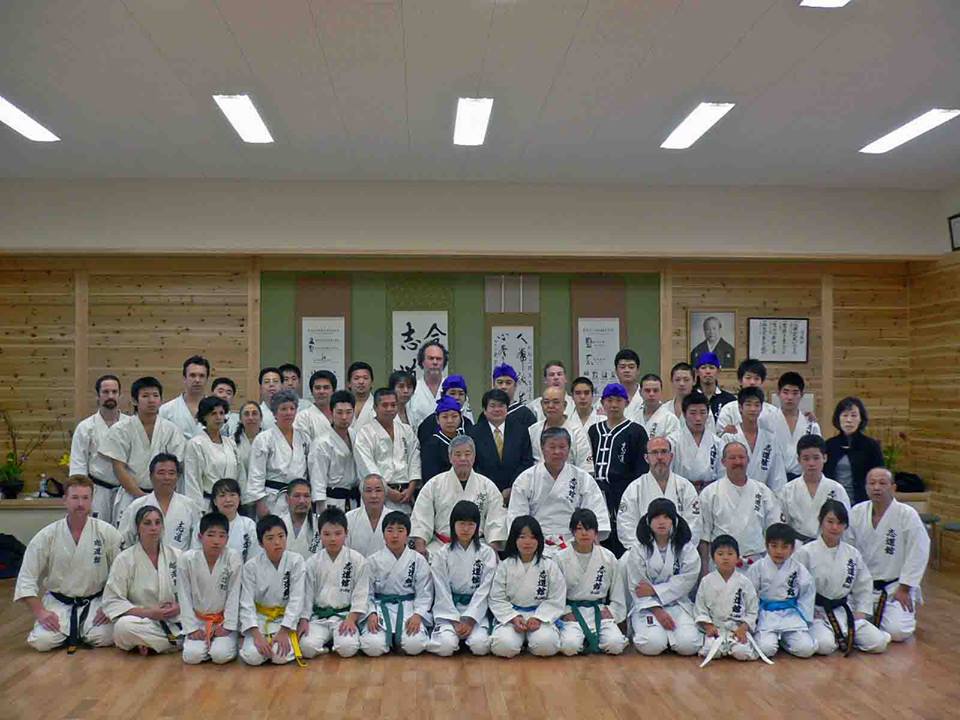
| A distinction is made between offensive and defensive tourniquets, which are modified according to the position of one’s opponent. Today karate becomes popularity for self-perfection, for cultural reasons, for self-defense and as a sport. |
About us Tailor-made tour Self-guided tour Golf tour Study tour Contact us
Kyushu Travel Guide Suggested itinerary Blog & local News About Japan 日本語
 WhatsApp: Chat with us