
-

-
環境・エコツアー 長行校区 柳川
2022/01/23
●スタッフ ブログ柳川の水環境を学ぶエコツアーを実施しました。 行程 長行出発→八幡泊地→水の資料館→柳川川下り→夜明茶屋で昼食(有明海の海鮮料理) →柳川散策→柳川酒造→道の駅みやま→長行解散 2022年1月21日
-
-
環境・エコツアー 中島校区 北九州市内
2022/01/20
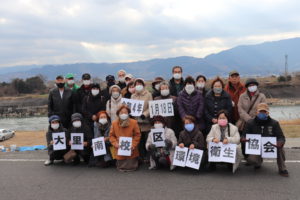
●スタッフ ブログ北九州市内環境を学ぶエコツアーを実施しました。 中島小学校前出発 → 響灘ビオトープ → 軍艦防波堤 響灘風力発電 → 牡蠣小屋で昼食 → 皿倉山 → 中島小学校前解散 2022年1月20日
-
-
環境・エコツアー 大里南校区 朝倉・うきは
2022/01/18
●スタッフ ブログSDGsを学ぶ朝倉&うきはのツアーを実施しました。 訪問場所:山田堰、朝倉三連水車、藤井養蜂場、白花綜で昼食、にじの耳納の里 紅乙女酒造 2022年1月18日
-
-
Shinto shrine
2022/01/14
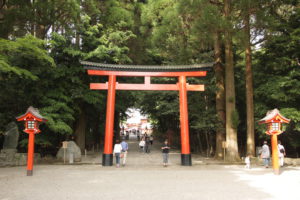
Staff BlogThere are over eighty thousand Shinto shrines in Japan, and they represent the oldest architectural style in the country. Shinto is a religion unique to Japan. Respect for land and nature is its basic premise. Usually there is a mirror in the case inside each Shrine. This is the symbol of Shrine’s deity. Shinto customs are common in Japanese life. Jan. 14, 2022
-
-
Japanese religions
2022/01/13
JapanWhy is Japanese religious orientation eclectic? Japanese indigenous religion, Shinto, has no founder or written doctrine and places a great emphasis on ancestor and nature worship. Japanese with no strong religious beliefs consider religion as traditional customs handed down from ancestors. This has developed great tolerance for other religions. The other Japanese major religion, Buddhist, has the founder, but he was a human, not the absolute, almighty god as that of Christianity or Islam. This has also contributed to Japanese tolerance toward other religions. Those are the reason why Japanese religious orientation is eclectic.
-
-
Japanese Castle
2022/01/16
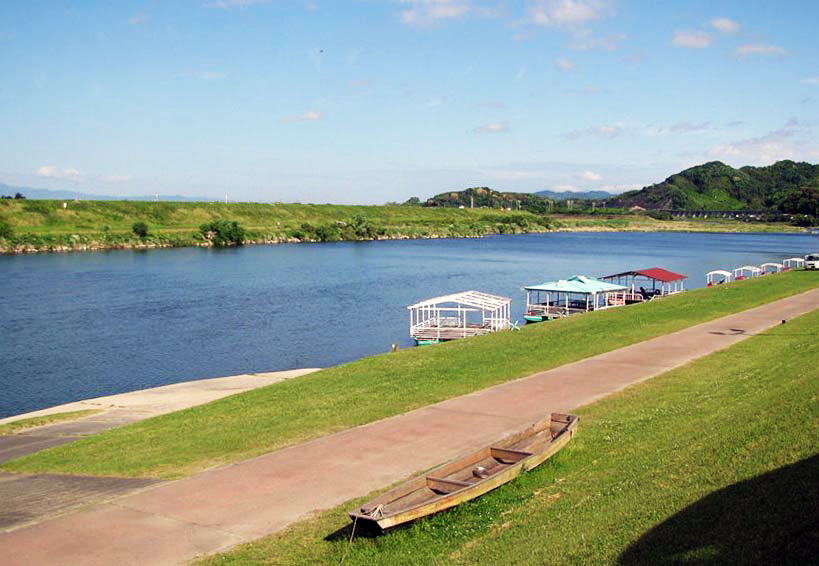
JapanLong ago Japan was divided into many small provinces. The lords of each province fought to take each other’s territory. Castles were built by the lords to show off their power and control their provinces. They were both residences and military bases. They were made of wood, but used various defensive devices for protection. For example, moats were built around some castles. Additionally, many castles were built on plateaus or hills. The slopes were then steepened, making them difficult for enemies to climb. In some castles the grounds from the gate to main building were designed like a maze to confuse enemies. The main castle building is usually in the center and is called the Tensyukaku (Castle tower). They are tall and magnificent structure. The loads and their immediate servants lived in the Tensyukaku. Castles in Kyushu Kokura Castle The Castle located within a walking distance of JR Kokura Stations. Hosokawa Tadaoki commenced the construction of Kokura Castle in 1602 and spent 7 years to completed it. The castle had a five fold and six layered Castle tower and it was built in the architectural style called “Kara-zukuri”. Then, it served as a residence of the Ogasawara clan. Karatsu Castle Karatsu Castle is called Dancing Crane Castle. The Castle, which stands beside Karatsu Bay, is unusual in that the stonework rises directly out of the water, using the ocean as …
-
-
Onsen Resorts
2022/01/13
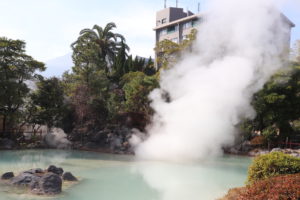
JapanIn Japan, Onsen are the country’s hot springs and the bathing facilities and traditional inns around them. Most Japanese love bathing in Onsen (hot springs), and many believe that the water can cure certain ailments. There are many volcanoes around Japan, and therefore many Onsen. Each Onsen is said to have its own healing property. Onsen resorts or hotels either use water from actual spring or they boil mineral water. Onsen resorts have opened all over the country, and many hotels have outside baths offering spectacular views. Public baths are also very common in Japan. They generally have Jacuzzies, garden bathe, and saunas. At Onsen, people actually wash their bodies before getting into the water. It is bad manners to use soap or towels in the bath itself. Onsen Resorts in Kyushu Kyushu is known for the best and most picturesque Onsen resorts in all of Japan. The profusion of Onsen is due in part to Kyushu’s very landscape: it’s home to no less than 9 volcano groups that are responsible for creating the island’s thermal waters. The featured Onsen Resorts Harazuru Onsen A tranquil Onsen Resort near Fukuoka-city and is located on the banks of Chikugo River. The quality hot spring is weakly alkaline and sulfur is mixed and has the effect of dropping old horn and creating beautiful skin. Takeo Onsen Takeo has 1200 years history and is located in the western …
-
-
Onsen
2022/01/13
Staff BlogIn Japan, Onsen are the country’s hot springs and the bathing facilities and traditional inns around them. Most Japanese love bathing in Onsen (hot springs), and many believe that the water can cure certain ailments. There are many volcanoes around Japan, and therefore many Onsen. Each Onsen is said to have its own healing property. Onsen resorts or hotels either use water from actual spring or they boil mineral water. Onsen resorts have opened all over the country, and many hotels have outside baths offering spectacular views. Public baths are also very common in Japan. They generally have Jacuzzies, garden bathe, and saunas. At Onsen, people actually wash their bodies before getting into the water. It is bad manners to use soap or towels in the bath itself. Jan. 13, 2022
-
-
Hidden Christian in Japan
2022/01/11
Staff BlogHidden Christian refers to the Christian believers who adhered to the Christian faith in secret during the period of prohibition of Christianity in Edo period ( 1603-1868). Many Christians were forced to apostatize to avoid being persecuted. However, some went underground secretly to keep their faith, and some remained true to their faith in secret in remote area. Some Christians disguised themselves as Buddhist by keeping an image of Virgin Mary which looked like the Kannon, Buddhist deity of mercy (Maria-Kannon Image). Some kept crosses hidden in their homes, along with Jesus disguised as Jizo-Bosatsu ( the Buddhist guardian deity of children ). Suspected Christians were forced to step on pictures of Virgin Mary and infant Jesus (Fumi-e) in order to prove that they were not Christians. In 1873, during Meiji Restoration, the prohibition of Christianity was abolished after appeals by foreign countries. Jan. 11, 2022
 WhatsApp: Chat with us