Temples in Kyushu
This Tourist information is created by Japan KYUSHU Tourist for enjoyment
of your travel. We are a Travel Agent in Fukuoka specializing in Kyushu.
When you have an idea or a plan for traveling in Kyushu, Japan, please contact
us by sending an Enquiry. Make an Enquiry
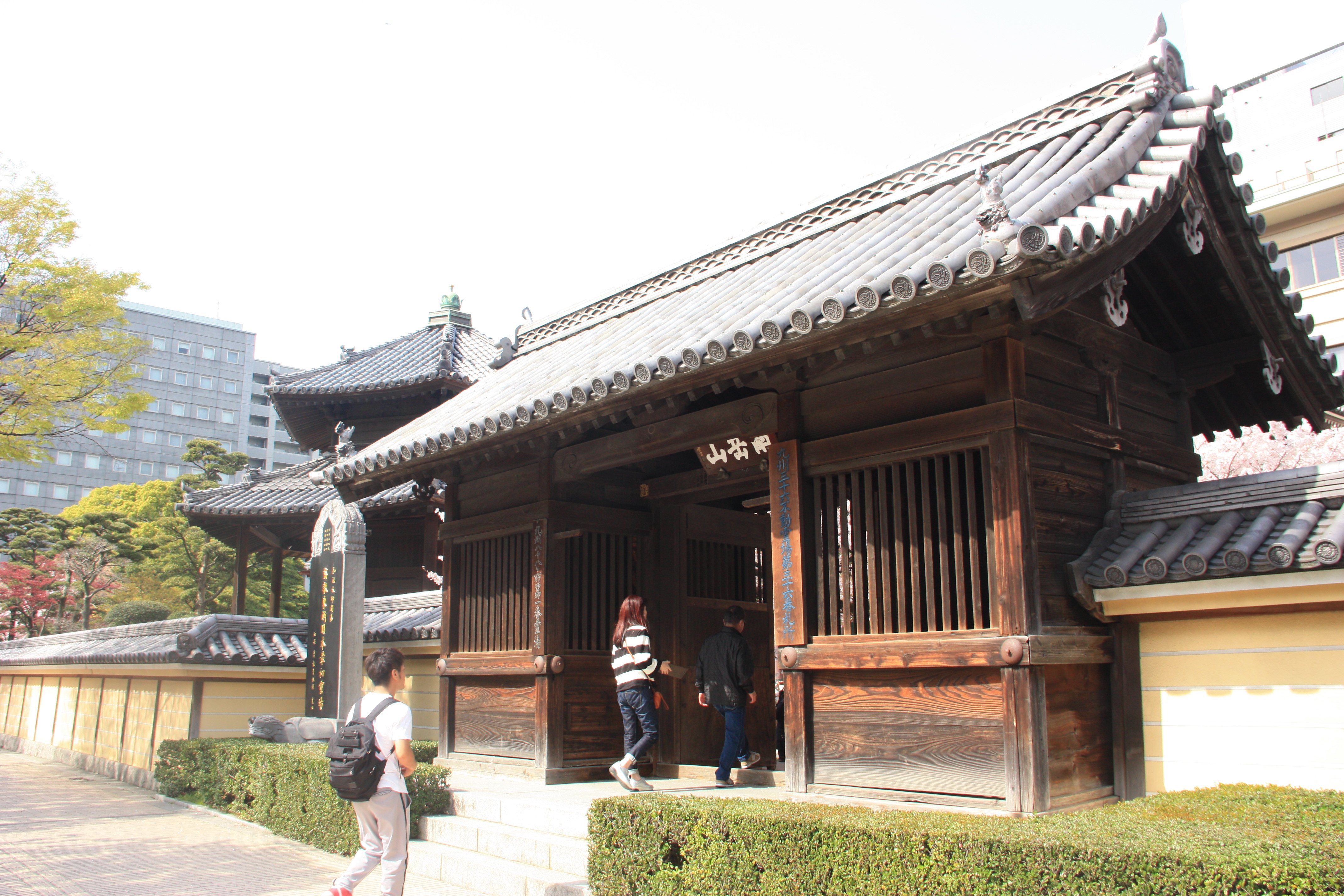
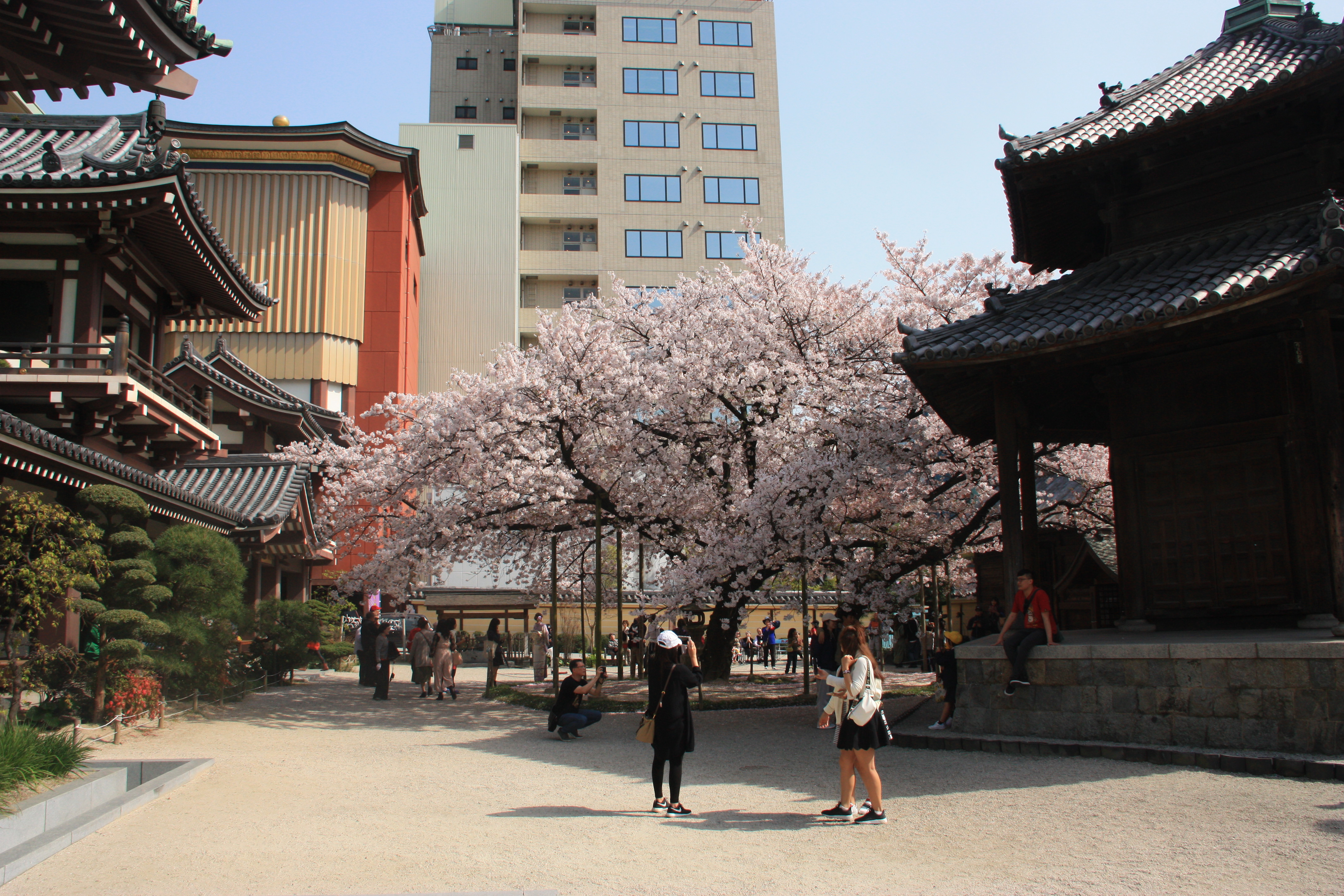
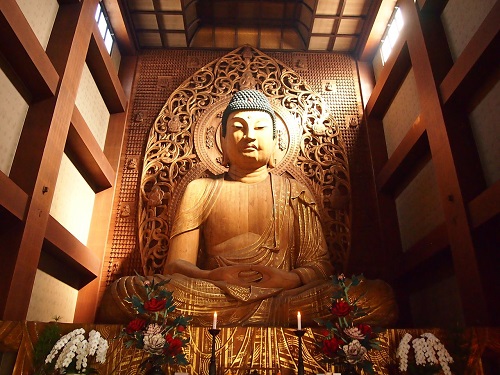
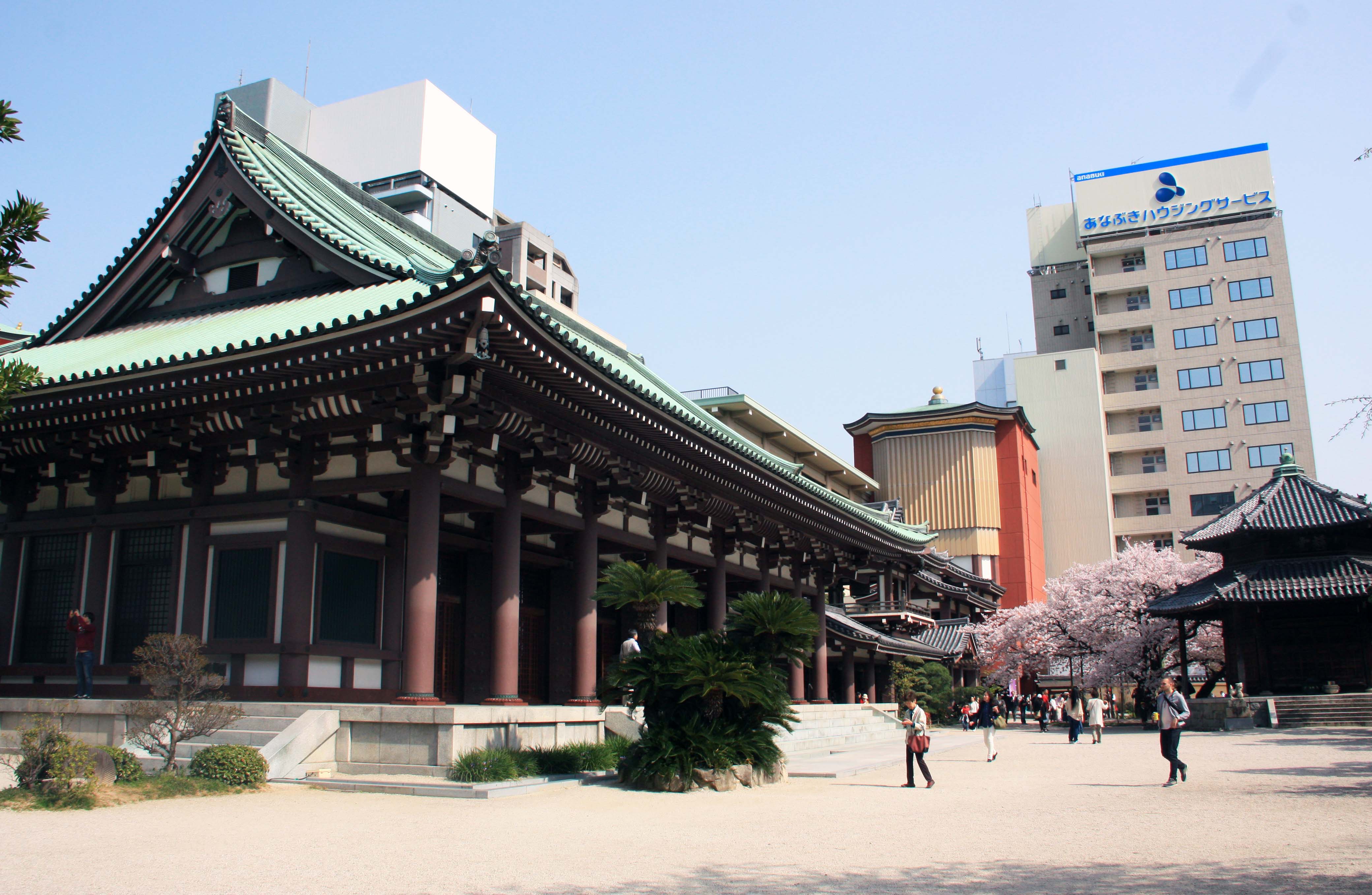
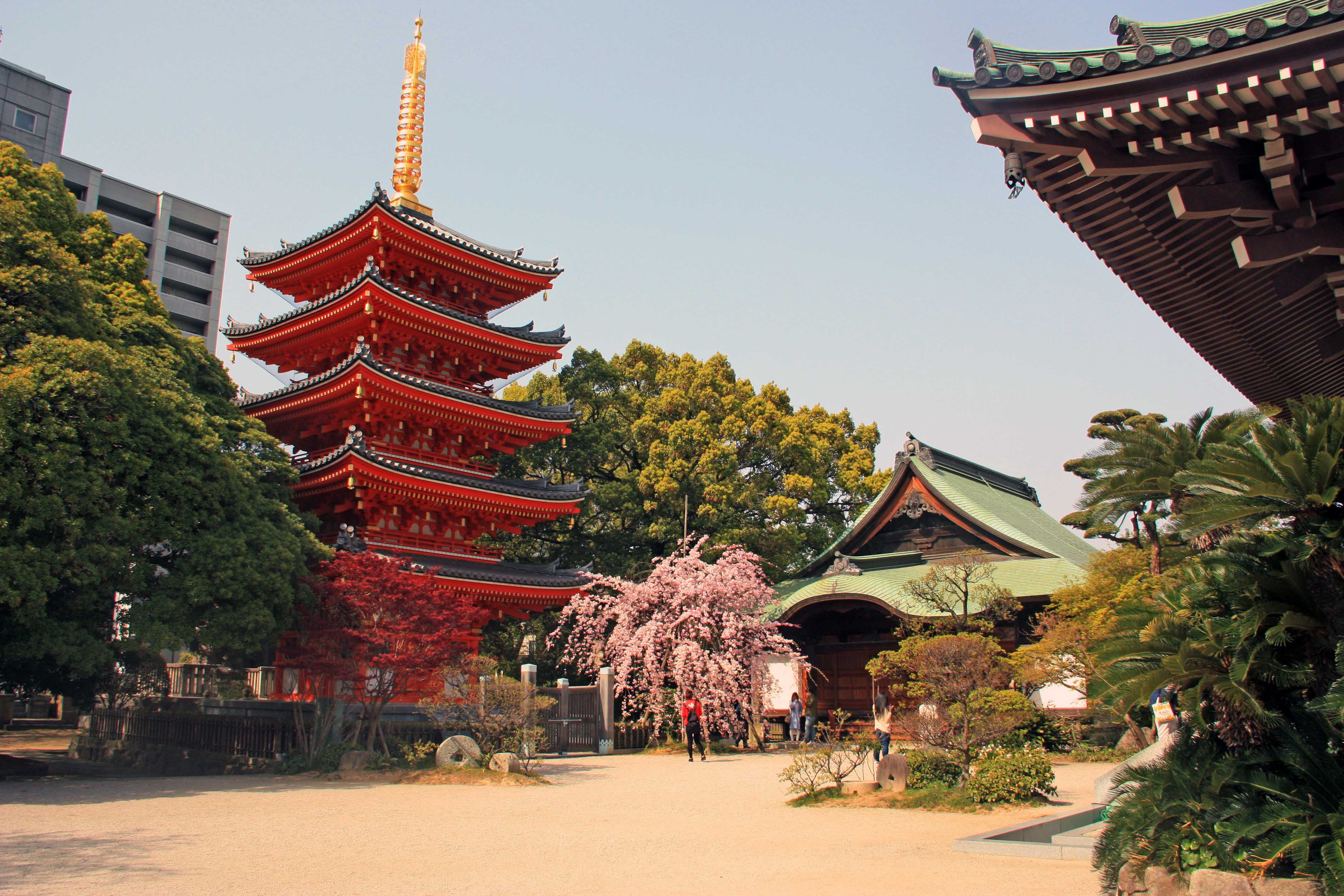
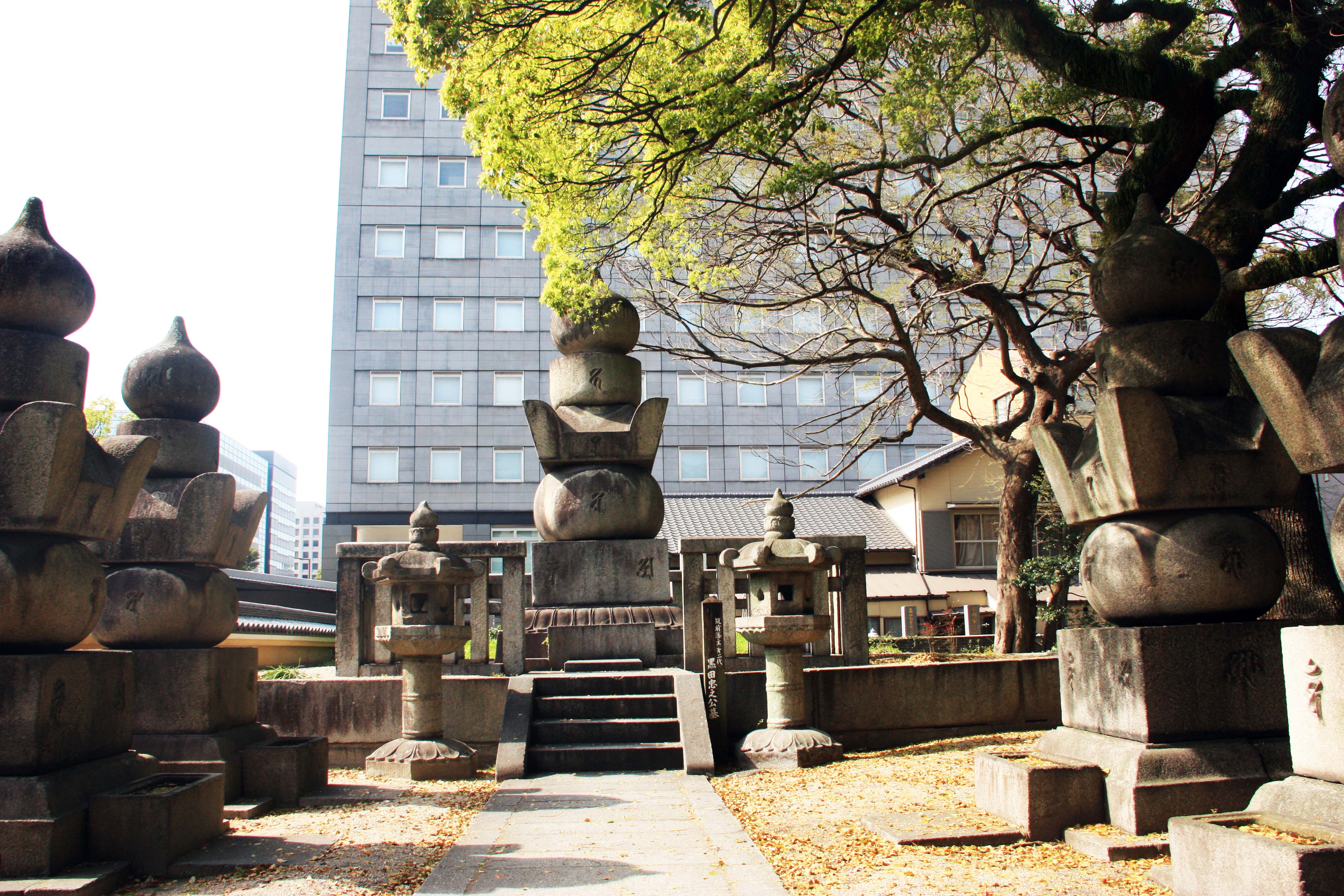
Tochoji temple in Fukuoka-city
The largest seated wooden image of Buddha in Japan. Tochoji temple was founded in
806 by Kobo-daishi Kukai and it is the oldest temple of the Shingon sect in Japan that
Kobo-daishi set up. It is also known as “Tocho-mitsuji Temple”. It is said that Kobo-daishi,
who returned to Hakata after undergoing ascetic training in China called Tang back then,
prayed for the eastward dissemination and perpetuation of Shingon Esoteric Buddhism.
 |
 |
 |
 |
 |
 |
Nanzoin is a Shingon Buddhist Temple in Sasaguri, Fukuoka-prefecture.
It is notable for its bronze statue of a reclining Buddha, said to be the largest
bronze statue in the world.
Completed in 1995, the giant bronze Reclining Buddha statue, known as Nehanzo,
depicts the historical Buddha at the moment of his death and entry into nirvana.
The statue’s impressive dimensions and intricate details make it a sight to behold,
attracting visitors from all over the world.
length : 41m, height : 11m, weight 330ton
|
|
|
|
 |
|
|

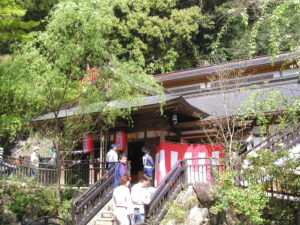
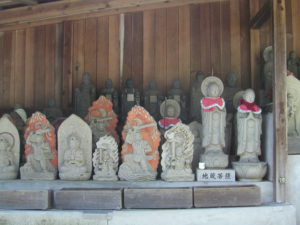
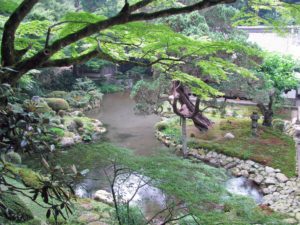
Raizen Sennyo-ji temple in Itoshima, Fukuoka-prefecture
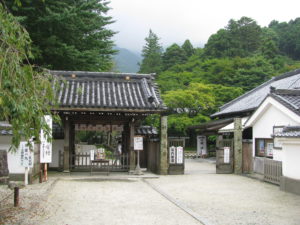
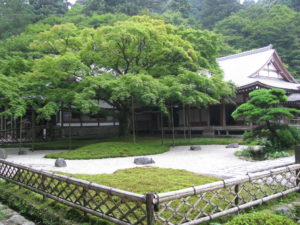
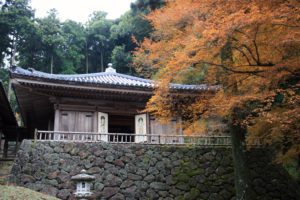
One of the most famous temple in Fukuoka prefecture known for being a great place for cherry
blossom viewing in the spring, and many people visit in the autumn to see the fall foliage.
 |
 |
 |
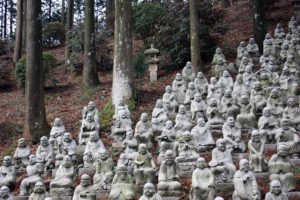
The temple was founded in 725, Nara period by Seiga, who come from India as a priest
during the period. There is an Important Cultural Property which is the 4.8 meter wooden
Avalokitesvara statue in the main hall. The main hall was founded by Kuroda Tsugutaka
who was the 6th feudal lord of Kuroda clan in Fukuoka.
 |
 |
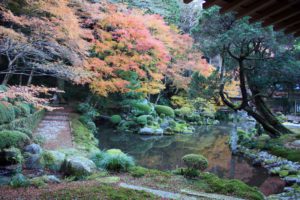 |
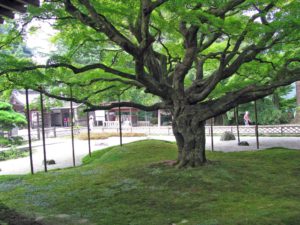
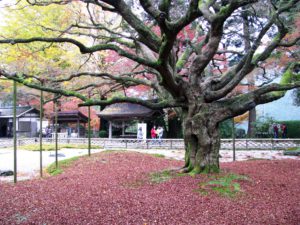
400 years of age big maple tree, which has been designated as natural monument of
Fukuoka prefecture, has been said to be planted by him.
 |
 |
 |
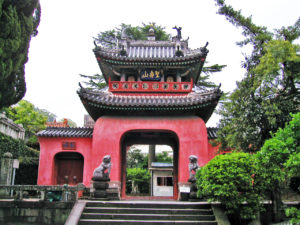
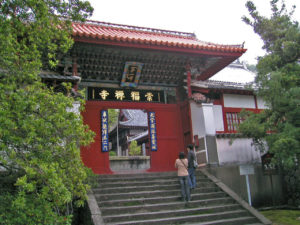
Sofukuji temple, Nagasaki-city
The first Chinese style temple in Nagasaki. Shortly after the construction of Kofukuji Temple,
Chinese traders asked the Nagasaki governor for permission to built Chinese temples
according to their home provinces. It is recorded that this temple was built in 1629 by people
who came from Fuzhou in Fujian Province. It is designated as a National Treasure.
|
|
|
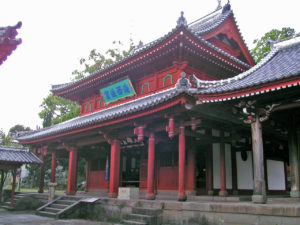 |
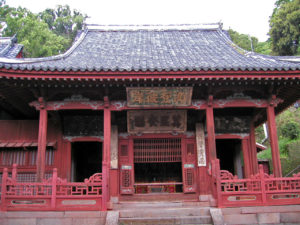
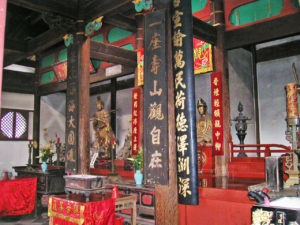
The existing main hall ( called Daiyuhoden ) was first prefabricated in China, then transported by
Chinese ship and constructed in 1646. As the oldest existing structure to retain the Obaku style
of the end of the Ming Dynasty, the temple’s hall is highly evaluated.
|
|
|
|
Kofukuji temple, in Nagasaki-city
After the Tokugawa Shogunate banned Christianity, non-Christian Chinese merchants
began making port at Nagasaki around 1600. Chinese people soon started living in Nagasaki
and etitioned the Nagasaki government to let them built a Chinese temple to pray for safe
navigation and console of the deceased. Permission was granted for the construction of
first Chinese temple.
|
|
|
|
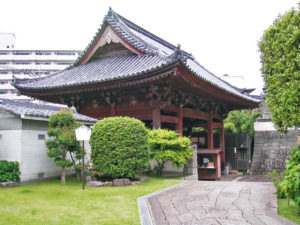
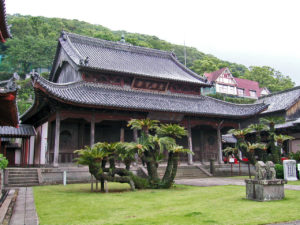
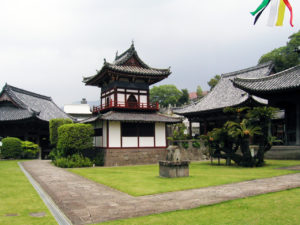
Kofukuji Temple was completed in 1620, and Chinese traders then planned to invite a high-ranking
priest from China as the temple’s chief abbot. The Kofukuji Temple’s present main hall was built in
1883 by Chinese experts who were invited to Japan mainly by residents in Nagasaki hailing from
Nanjin. It was designated as an Important Cultural Asset.
|
|
|
|