
-

-
Nagasaki Kunchi
2024/05/13
Festivals and Events, Staff BlogNagasaki Kunchi is one of big-three festival in Japan, held on October 7 to 9 at Suwa Shrine. The festival features Chinese dance including Ja-odori (Snake dance), this time dancing all around the city but especially at Suwa Shrine. History of the Festival, after Christianity was harshly suppressed in Nagasaki in 1624, a festival was dedicated to Suwa Shrine, the guardian god of local people. It is believed that Suwa Shrine festival called “Nagasaki Kunchi” and danced were offered to shrine with cooperated of local people in 1634. At the outset, dedicated dance were very simple but gradually became colorful. During Eiho Era (1673-80), a Chinese dance with an exotic flavor offered to the shrine. The Ja-odori or snake dance was first performed in the Nagasaki Kunchi during period 1789-1800. In 1970, the government designated the whole of Nagasaki Kunchi dance including Ja-odori as an Important Intangible Cultural Asset.
-
-
Sand bath, in Ibusuki
2024/05/13
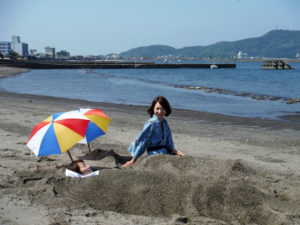
Japanese CultureIbusuki is an Onsen Resort that is famous for its sand baths, where bathers are buried in naturally heated sand. The town encompasses the southern tip of the Satsuma Peninsula, and the main downtown area is along the coast facing Kinko bay.
-
-
10-Day Kyushu Private Tour for Australian Travelers
2024/05/13
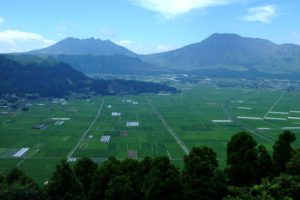
● What our Guests have to sayNumber of traveller : 5 persons Schedule : April 28 to May 8, 2024 Transportation : Private vehicle with English speaking driver Where to visit : Nagasaki, Shimabara, Unzen, Kumamoto, Takachiho, Aso Beppu, Yufuin, Yanagawa, Fukuoka What our Customer have to say Hi ‘Takako, Thank you for your enquiry. We LOVED Kyushu and were so glad we put it into our itinerary. What a beautiful place you live in! The scenery around Aso was spectacular, the hotels were great especially the ones with onsens, we loved the food a highlight being the meal at Obama Onsen. I guess we should have really asked for a guide as well as a driver. Ken was an excellent and safe driver but were all wanting a lot more information than he could tell us. A wonderful trip, and I will be recommending Kyushu to everyone.
-
-
Beppu Hell tour, in Beppu, Oita-prefecture
2024/05/13
ExperiencesBeppu’s most hyped attraction, Hell (Jigoku Meguri ) tour that is a collection of hot spring where the water bubbles forth from underground, often with unusual result. Five of the hells are located in the Kannawa district where over 4 km northwest of Beppu station, and two in the more remote Shibaseki district. Kannawa district : 5 hells are located within walking distance of each other in this area. Umi-Jigoku Sea Hell, it resemble of sea, this 200 metre deep, cobalt blue pond of boiling water emerge 1200 years ago after a volcano explosion. Oniishi Bouzu-Jigoku Oniishi shaving Head Hell, large and small bubble of hot gray mud that boiling up here look like the shaven head of monks. Shiraike-Jigoku White Pound Hell, the colorless water that naturally spouts from the ground mysteriously turn creamy white. Kamado-Jigoku Oven Hell, a bright demon standing on an enormous cooking pots is the mascot of the site, temptingly divided into six unique, pots of murky, budding thumping boiling water. Oniyama-Jigoku Devil’s Mountain Hell, the force of the steam produced at this Spring can pull one and a half train cars. This hellish site is the happy home of a variety of crocodile and alligator who slither down breeding water into the warm. Shibaseki district It takes about 5 minutes by car or bus from Kannawa district to this Shibaseki district. Chinoike-Jigoku Blood Pull Hell, the clay is steaming hot point that the steam is red. Japan’s oldest natural Jigoku as written about in the Bungo Topography …
-
-
Dazaifu was the western capital of Japan from 7th century
2024/05/13
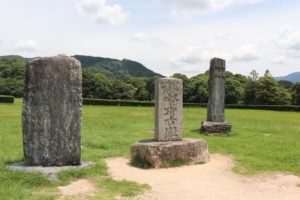
Japanese historyFrom the late 7th century to the late 12th century, Dazaifu was the western capital of Japan and controlled Kyushu as an administrative institution. Geographically, it served as the front line of Japan’s diplomacy and defense, as well as it is gate way to the Asian continent. Dazaifu Tenmangu Shrine was built in 919 and Dazaifu is now Fukuoka most important tourist destination with more than 8.5 million tourists visiting annually.
 WhatsApp: Chat with us