
Kurogane Railway
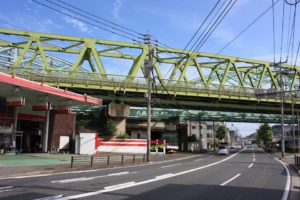
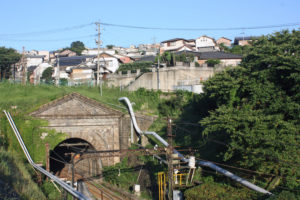
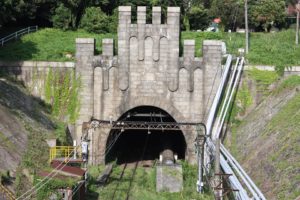
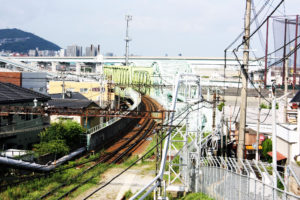
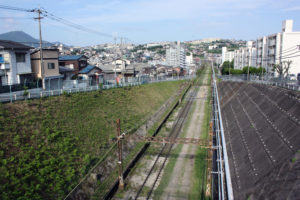
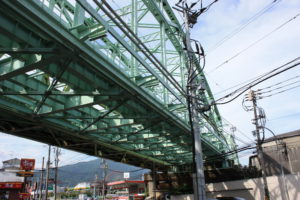
Dedicated Railway for Yawata Steel Works. The railway connected between Yawata and
Tobata, construction work took three years, and completed in 1930. The most difficult
and hard work was making Miyatayama tunnel with a total length of 1180 m due to suffering
from floods. The gates of the Miyatayama tunnel are decorated with stately designs.
|
The rail way crossing the road |
Miyatayama tunnel Yahata side |
Miyatayama tunnel Tobata side |
 |
 |
 |
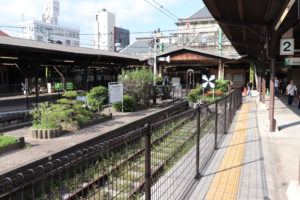
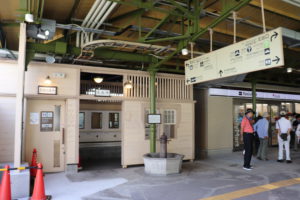
Mojiko Station
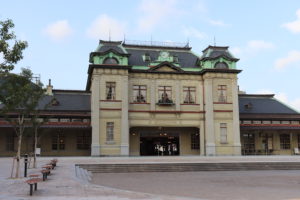
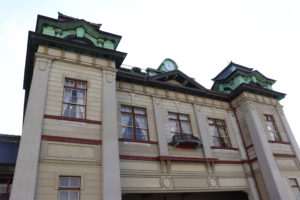
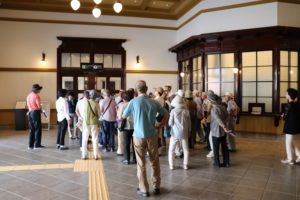
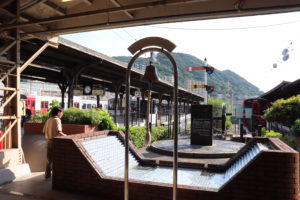
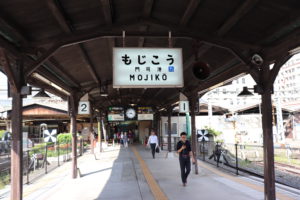
It is the only Station building that is designated as an Important National Cultural Property
together with Tokyo Station. Mojiko Station is a beautiful station built in the Renaissance
style and modeled on the Termini Station in Italy.
 |
 |
 |
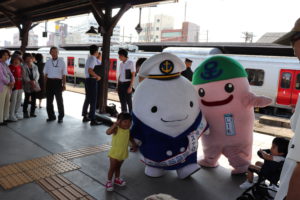
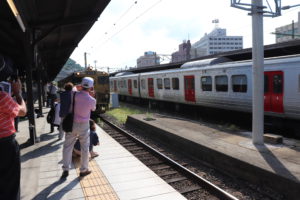
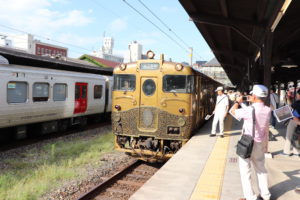
Kyushu Railway (nowadays JR Kyushu) began rail services between Mojiko Station
and Takase Station in 1891 and the Station building was built in 1914.
 |
 |
 |
This was the first railway in Kyushu and subsequently Mojiko prospered greatly as a gateway
to the Kyushu region after that.
 |
 |
 |
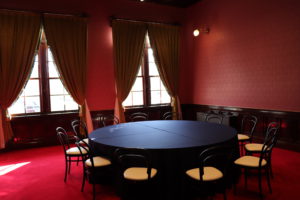
This was the first railway in Kyushu and subsequently Mojiko prospered greatly as a
gateway to the Kyushu region after that.
 |
 |
 |
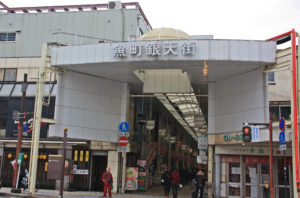
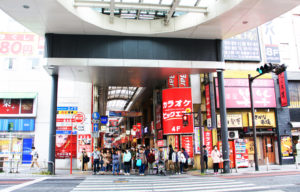
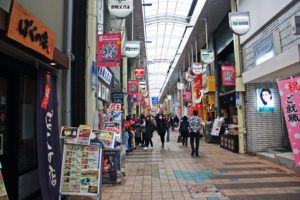
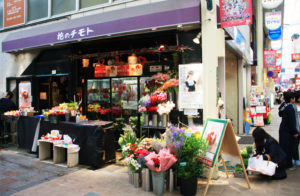
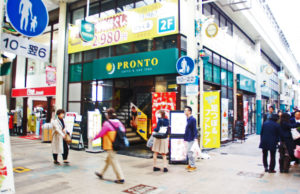
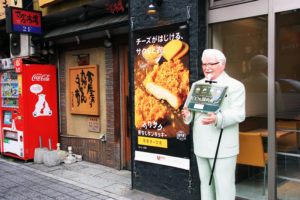
Uomachi & Kyomachi Shopping street
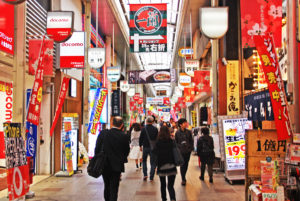
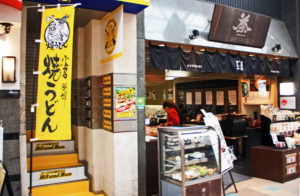
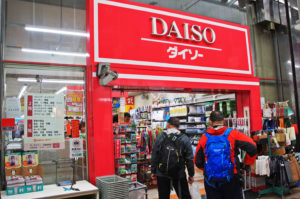
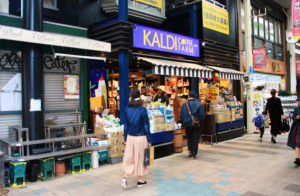
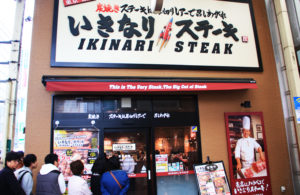
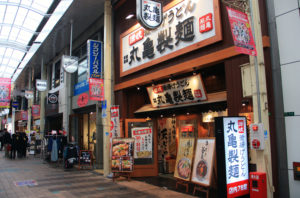
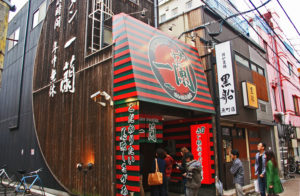
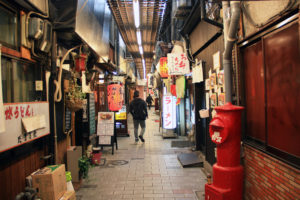
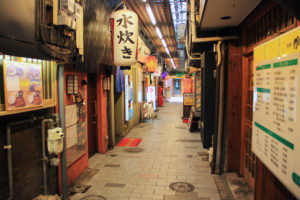
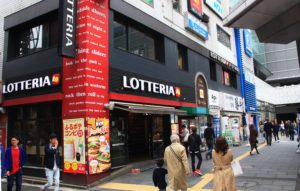
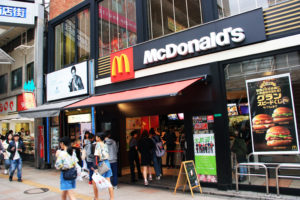
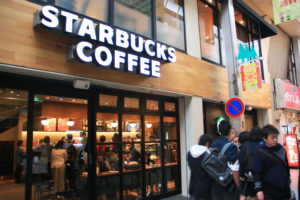
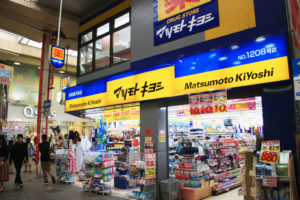
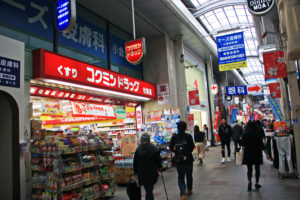
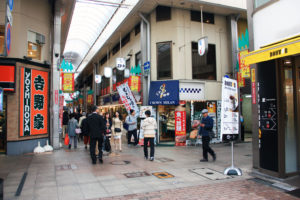
Uomachi and Kyomachi Ginteigai are the arcade downtown shopping streets connected from
JR Kokura Station. The literal meaning of Gintengai is the Silver roof arcade shopping street
and Uomachi Gintengai is the birth place of Japanese arcade shopping street constructed in
1991. Now, there are many kind of fantastic shops and restaurant along the street.
 |
 |
 |
 |
 |
 |
 |
 |
 |
 |
 |
 |
 |
 |
 |
 |
 |
 |
 |
 |
 |
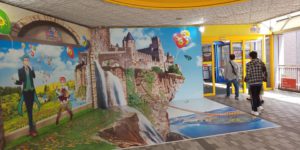
Manga Museum and Aru Aru City
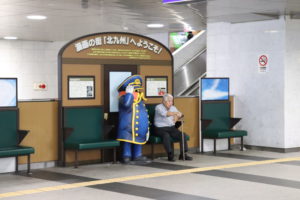
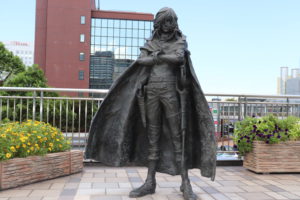
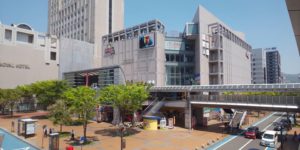
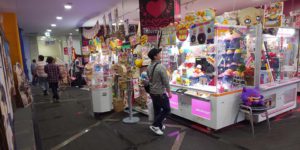
The Kitakyushu Manga Museum is located next to JR Kokura station. The museum is located
on the 6th floor of Aru Aru City, a multi-floored shopping mall devoted to products and
services for anime, manga, idol culture, and cosplay fans, a kind of Harajuku in miniature.
 |
 |
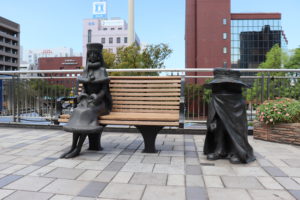 |
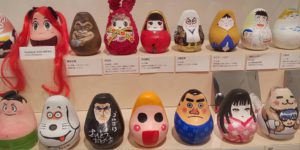
The permanent exhibition area on the 6th floor concentrates on manga writers and artists who
have a connection with Kitakyushu; and while more than thirty are listed, the best known is Reiji
Matsumoto, who is also the honorary director of the museum.
 |
 |
 |
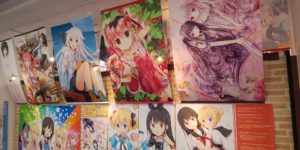
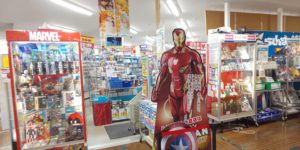
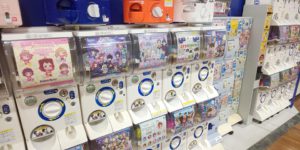
The rest of the Aru Aru City shopping mall is devoted to shops and services for Japan’s pop youth
culture. There are lots of shops selling manga, anime DVDs, J-Pop CDs, computer games, trading
cards, as well as related paraphernalia such posters and figurines. There are games arcades, an
internet cafe, model car racetrack, a karaoke bar, and several cafes and bars serving alcohol, as
well as a full maid cafe.
 |
 |
 |
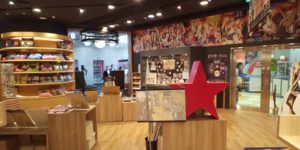
There are numerous establishments offering services for otaku, including a rehearsal space with
a recording studio for budding musicians, an event space with a stage and lighting that can be rented,
and a cosplay studio where cosplayers can be photographed professionally in a variety of settings.
 |
 |
 |
Onga River Pump Station
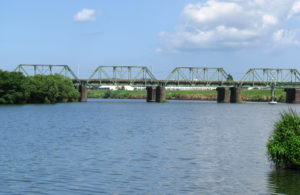
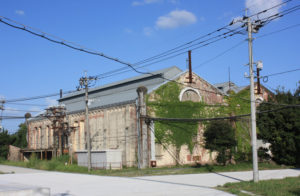
Built in 1910 on the east bank of the Onga River. It served, and still serves, to deliver
industrial water to Yawata via an 11.4 km pipeline. This supply is integral to the steel
production process and was necessary to cope with the 1st phase expansion of the
Imperial Steel Works. The site has been registered on the UNESCO World Heritage,
Sites of Japan’s Meiji Industrial Revolution
|
Onga River |
Onga River Pump Station |
Water piping to the Steel Works |
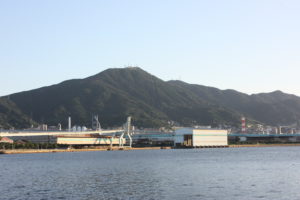
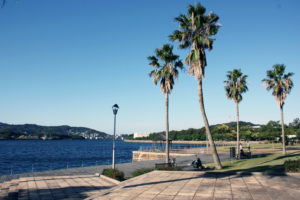
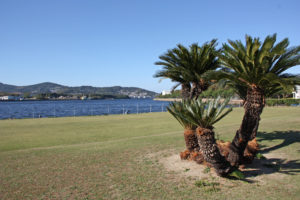
Yahata port
Japan’s Modern Steel Works history started here. Yawata was a rural village with a small
population of agriculture and fishing industry. And this place was decided in Parliament as
the Japan’s Modern Steel Works construction site in 1897.
 |
 |
 |
At that time, there were no construction machineries, the Steel Works was constructed
with human power in just 4 years.
 |
 |
 |
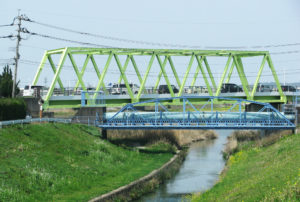
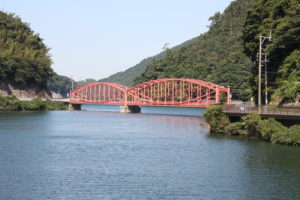
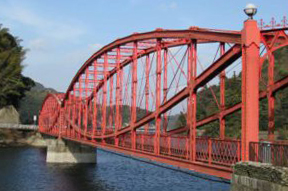
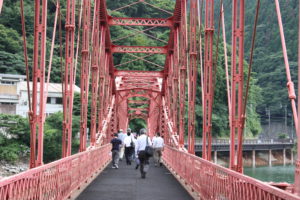
Minami Kawachi-bashi bridge
This shape and color really harmonize with nature and become a symbol of the Iron town Yahata.
 |
 |
 |
Mojiko Retro
Moji is the beautiful port town and facing to Kanmon Strait where one of the most
beautiful Strait in the World. On the other side of the Kanmon Strait is Shimonoseki.
Moji Port designated as a Japan’s special trading port in 1889.
Where to explore
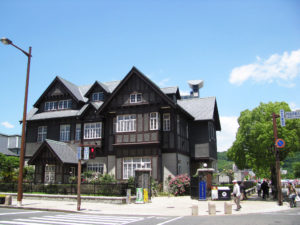
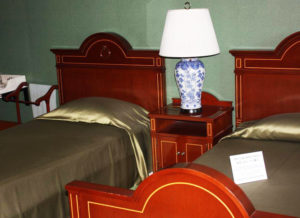
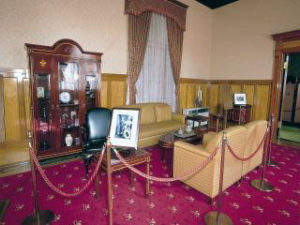
It was built by the Mitsui Co., Ltd in 1921 as a reception centre and to provide accommodation for
VIP’s. Albert Einstein (1879-1955), one of the world’s most famous theoretical physicists, stayed
here during his visit to Japan with his wife in 1922.
What Dr. Einstein acclaimed Moji. Dr. Albert Einstein awarded Nobel Prize in Physic
visited Moji in 1922, and he acclaimed that everything could see were ARTS.
 |
|
 |
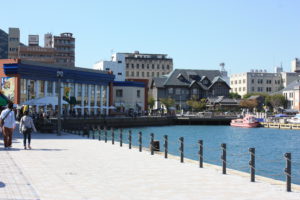
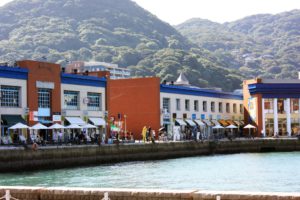
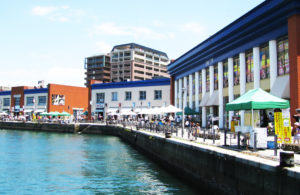
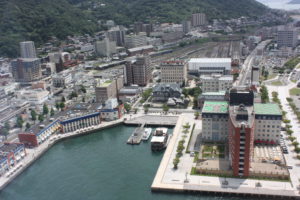
The shopping area in the Mojiko Retro district located by the sea. “Full of a romance market which
stir up forgetting contentment” is the direct translation of the concept Kaikyo Plaza is based on.
The area has a very romantic ambience and evokes feeling of nostalgia and contentment that will
never be forgotten.
 |
 |
 |
It is the only Station building that is designated as an Important National Cultural Property
together with Tokyo Station. Mojiko Station is a beautiful station built in the Renaissance
style and modeled on the Termini Station in Italy.
 |
 |
 |
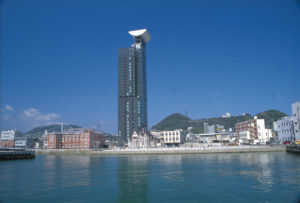
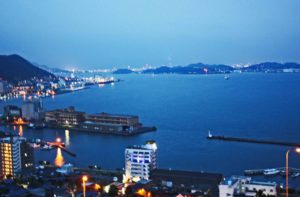
Situated on the 31st floor of the high-rise apartment building “Retro Hi-Mart”. The 103 metre-high
observatory offers magnificent views of the Mojiko Retro district, the Kanmon-kyo Bridge over the
Kanmon Strait, as well as the Shimonoseki area.
 |
 |
 |
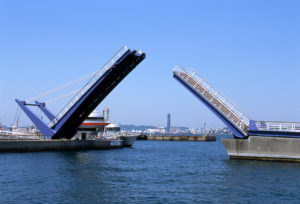
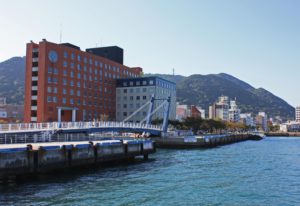
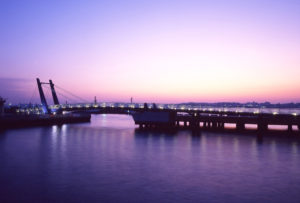
This bridge, made in 2003, is the only pedestrian draw bridge in Japan, and is one the
most popular photo spot in Mojiko Retro. The length of the bridge is 108 meters and
it is opened 6 times a day at 10h, 11h, 13h, 14h, 15h and 16h.
 |
 |
 |
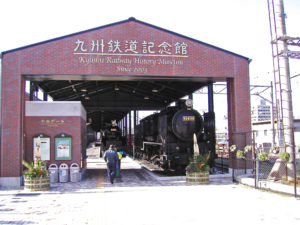
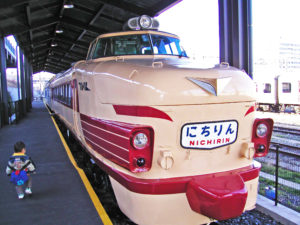
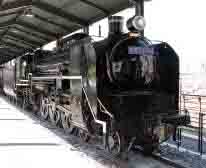
It is a railway theme park organized by JR Kyushu, showing the history of Kyushu Railways.
The display of steam locomotives and old trains used by Kyushu Railway is fascinating and
always evokes feelings of nostalgia among visitors.
 |
 |
 |
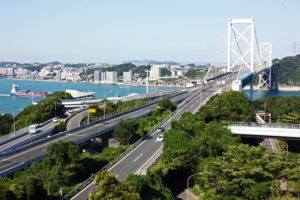
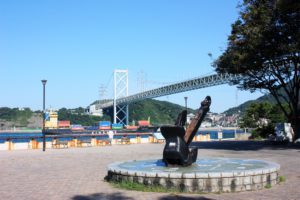
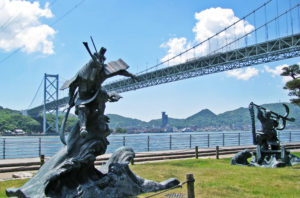
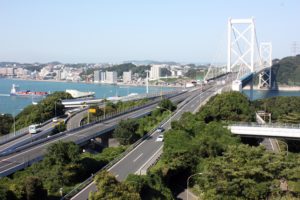
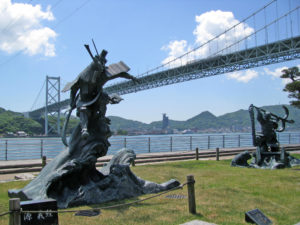
The suspended bridge crossing the Kanmon Straits, a stretch of water separating two of Japan’s
four main islands. On the Honshu Island side of the bridge is Shimonoseki and on the Kyushu
Island side is Kitakyushu.
 |
 |
 |
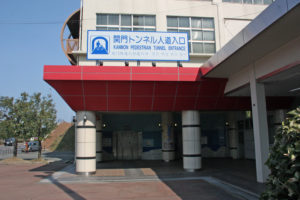
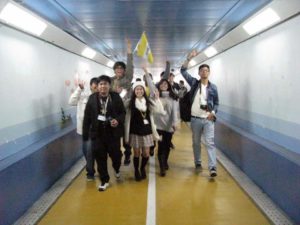
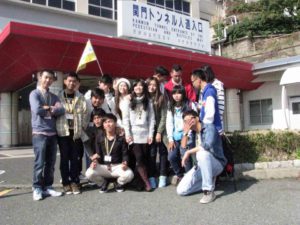
Only the place in the world . You can cross the strait on foot. The Kanmon Strait, separating
Honshu and Kyushu, is a very beautiful and busy waterway with as many as 700 small and large
ships a day passing through it.
 |
 |
 |
Local Cuisines
Kawara Sobe
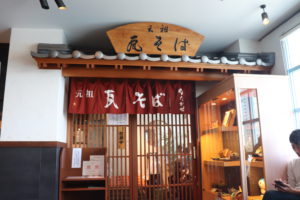
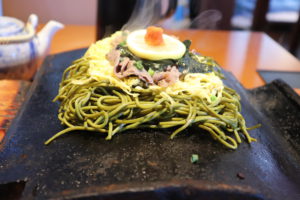
Kawara soba is a local cuisine which Soba noodles and meat are cooked together on a Kawara
(stone roof tile) and dipped into a special sauce when eating it. It is said that the hints were
obtained from the time when during the Seinan civil war in 1877, soldiers of Satsuma who
surrounded the Kumamoto castle used kawara (stone roof tiles) to cook wild plants and meat.
 |
 |
 |
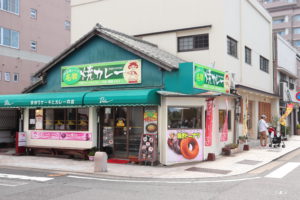
Yaki curry
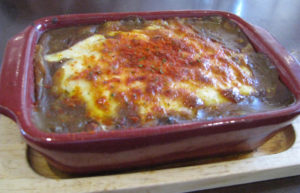
Yaki curry latterly means baked curry and is local cuisine in Moji which is curry with rice
topped with cheese and/or egg heated in oven. The melted cheese and soft-boiled egg
combine with the spicy curry to enhance its flavor even more.
 |
 |
 |
Higashida
Birth place of Steel Making Industry in Japan. Located at the food of Mt. Sarakura and
facing to Dokai Bay, which is used as a shipping port for the steel industry. The area has
various Industrial Heritages and Museums.
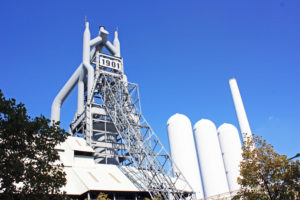
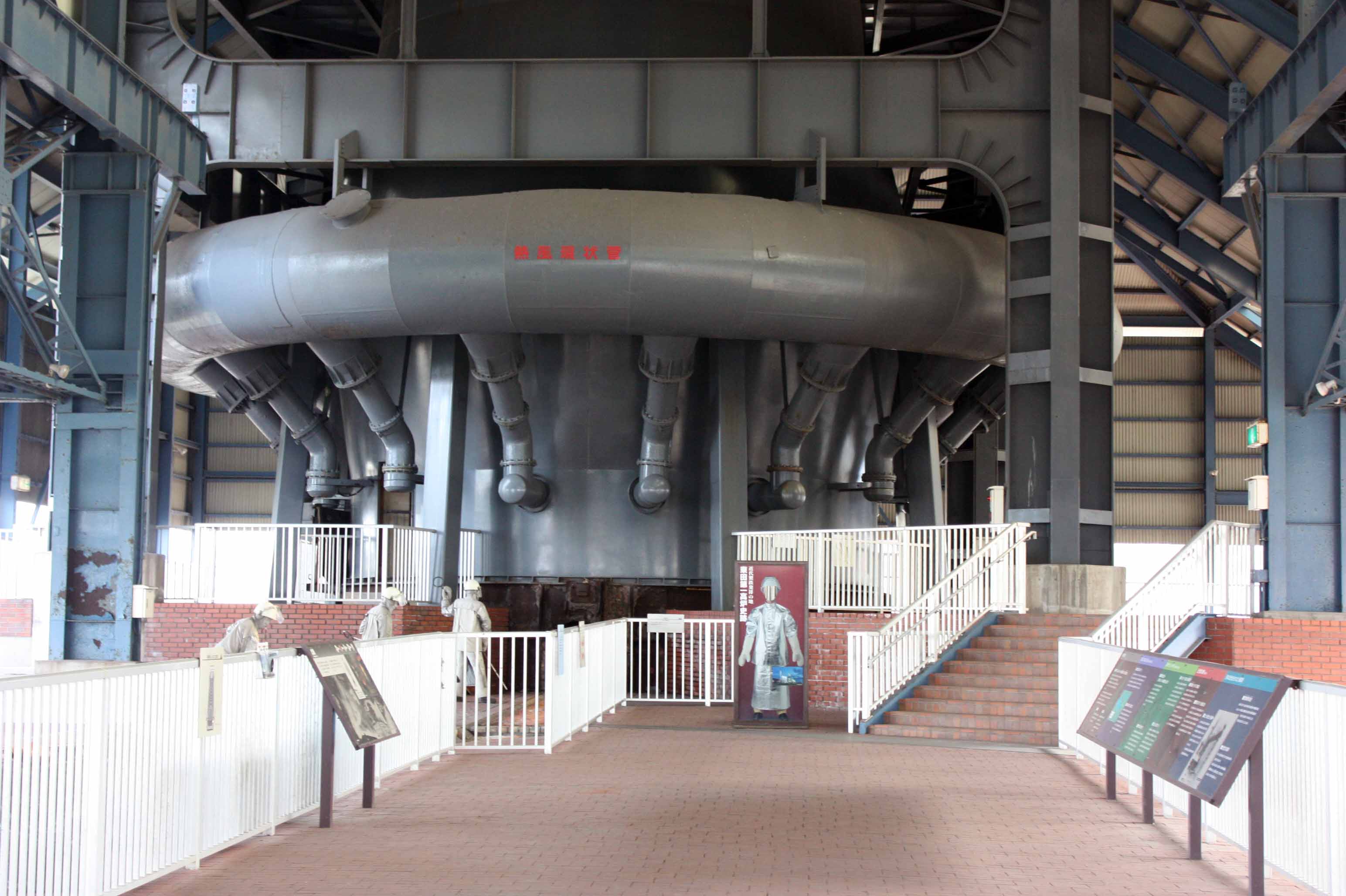
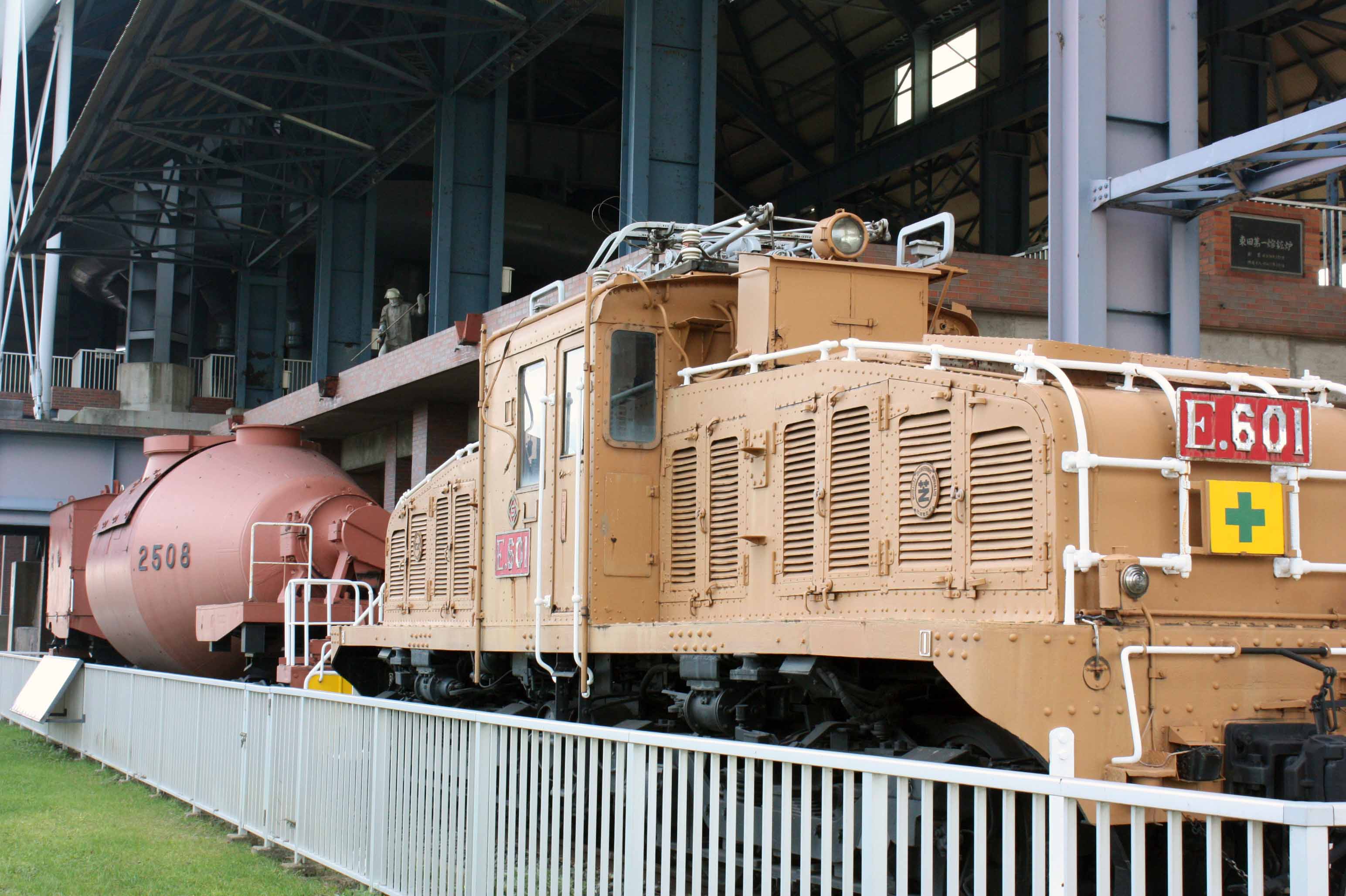
Only the Blast Furnace in the world which preserved as it was. The birth place where
Japan’s steel industry began in 1901. It contributed greatly to the development of the
Japanese steel industry and was used until 1972, and has been preserved just as it was.
|
|
|
|
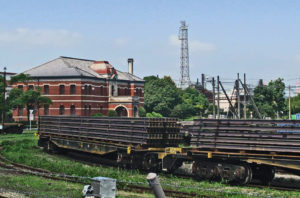
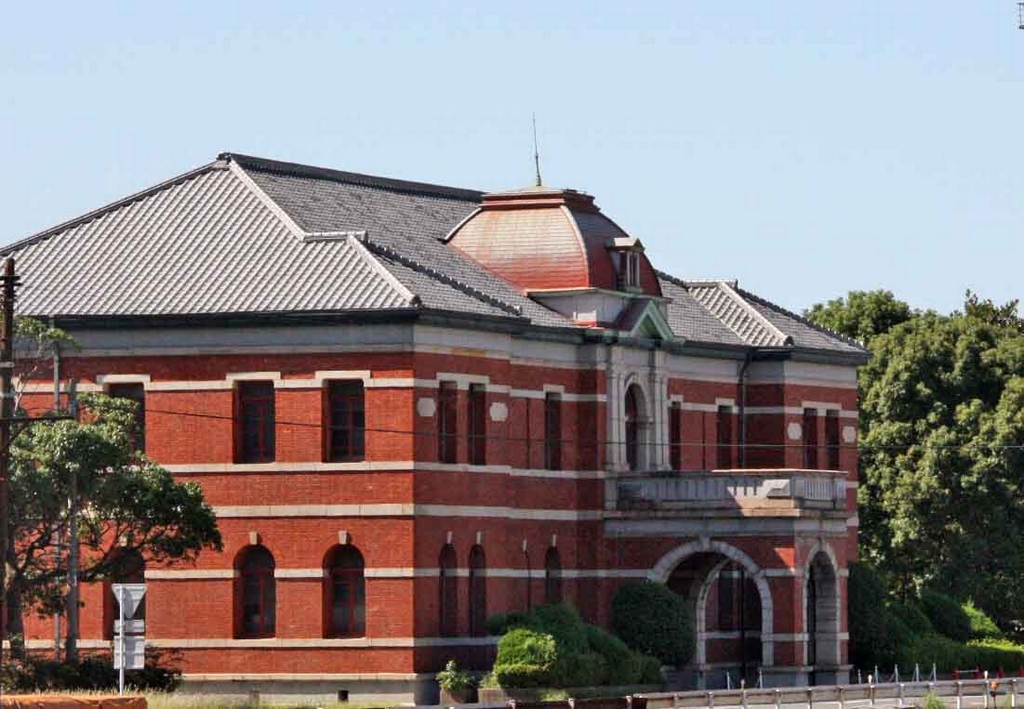
First Head Office of the Steel Works / UNESCO World Heritage
Built in 1899, ahead of production facilities. It is an architectural fusion of Japanese and
European design, a two story red brick building with bilateral symmetry and a central dome
set in a Japanese tile roof.
|
|
|
|
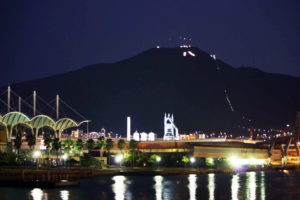
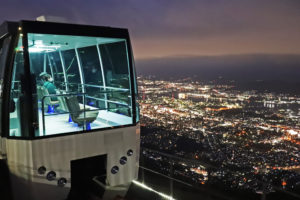
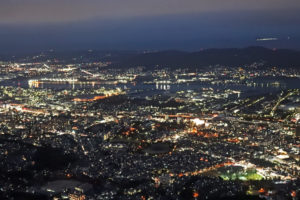
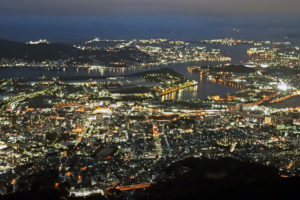
Kitakyushu is the dynamic city where one million people are living and working, is creating
the beautiful Night view which you have never seen before.
The area of Night view is the largest in the World ; about 40km east to west and 10km south
to north and also the number of lighting to create the night view is the largest in the World.
 |
 |
 |
Japan’s Modern Steel Works history started here. Yawata was a rural village with a small
population of agriculture and fishing industry. And this place was decided in Parliament as
the Japan’s Modern Steel Works construction site in 1897.At that time, there were no
construction machineries, the Steel Works was constructed with human power in just 4 years.
 |
|
|
Dedicated Railway for Yawata Steel Works. The railway connected between Yawata and Tobata,
construction work took three years, and completed in 1930. The most difficult and hard work was
making Miyatayama tunnel with a total length of 1180 m due to suffering from floods. The gates of
the Miyatayama tunnel are decorated with stately designs.
|
|
|
|
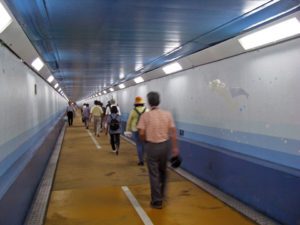
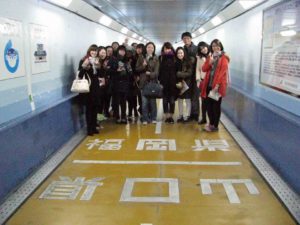
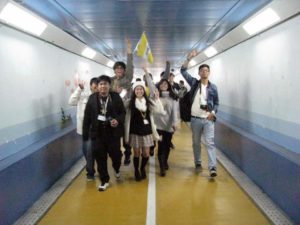
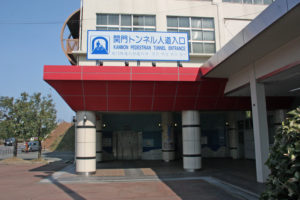
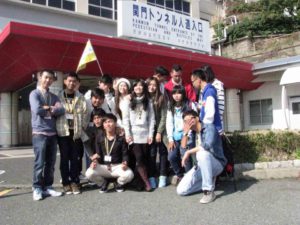
Kanmon Pedestrian tunnel
Only the place in the world ! You can cross the strait on foot. The Kanmon Strait, separating
Honshu and Kyushu, is a very beautiful and busy waterway with as many as 700 small and
large ships a day passing through it.
How to cross the strait on foot
|
780m length tunnel start from Moji |
The boundary of Moji and Shimonoseki |
to Shimonoseki |
Moji, Kyushu Island side
 |
 |
 |
Shimonoseki, Honshu Island side
 |
 |
 |
 WhatsApp: Chat with us