
Pilgrimage tour Itineraries
Sample Itineraries
We have a curated selection of sample itineraries, ranging from multi-day tours
to Path of the 26 Martyrs Walking Experience
The following itineraries are for your reference. Feel free to use them.
2-Day: Echoes of Faith ー The Sacred Sites of Nagasaki
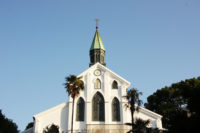 |
A concise spiritual journey through the heart of Japan’s Christian
history.
This tour invites you to trace a profound history through a curated
journey to the most significant historical sites in Nagasaki.
|
|
Price: From JPY 45,000 per person (Based on 6 passengers traveling together) Included: Customized itinerary design, private vehicel with English-speaking driver Excluded: Accommodations, meals, and entrance fees for sightseeing spots. |
|
6-Day: Echoes of Faith ー A Deep Journey Across the Nagasaki Region
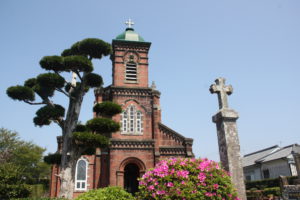 |
Uncover the secrets of the Hidden Christians across Nagasaki and
its coastal villages.
This immersive 6-day tour takes you deep into these sacred sites,
offering profound insight into the resilience and enduring spirit of
Japan’s Hidden Christians.
|
|
Price: From JPY 135,000 per person (Based on 6 passengers traveling together) Included: Customized itinerary design, private vehicel with English-speaking driver Excluded: Accommodations, meals, and entrance fees for sightseeing spots. |
|
8-Day: Echoes of Faith ー The Grand Pilgrimage of Nagasaki & Amakusa
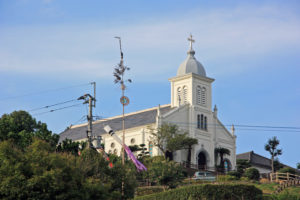 |
The ultimate pilgrimage tracing the complete 450-year legacy of
faith across two regions.
This comprehensive 8-day journey spans the historic landscapes
of Nagasaki and Amakusa, offering an unparalleled exploration of
Japan’s Christian heritage. From the early missions to the long
years of hidden faith, this tour reveals the full, awe-inspiring story
of a devotion that survived against all odds
|
|
Price: From JPY 174,000 per person (Based on 6 passengers traveling together) Included: Customized itinerary design, private vehicel with English-speaking driver Excluded: Accommodations, meals, and entrance fees for sightseeing spots. |
|
Path of the 26 Martyrs Walking Experience
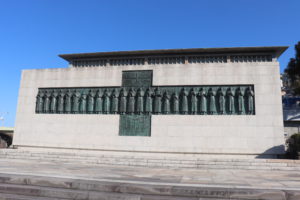 |
The 26 Martyrs of Japan, the nation’s first Christian martyrs who
were later canonized as saints, left behind a legacy of unwavering
faith. This tour traces their historic pilgrimage route from Fukuoka
to Nishizaka by private transport. The highlight of the itinerary is a
guided walking experience from Tokitsu Port to Nishizaka Hill—the
very path the martyrs traveled on their final journey.
|
Japanese Christianity
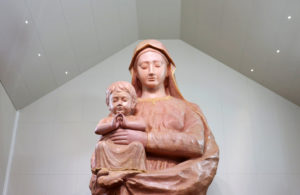 |
To introduce the extraordinary history of Japanese Christianity—a story unlike any other in the world—we have dedicated ourselves to extensive research and study. We have summarized our findings below to provide you with a deeper understanding of this unique heritage. Please feel free to explore and use this resource as you discover the faith and history of this region. |
|
▶ History of Japanese Christianity
▶ Churches and Cathedrals in Nagasaki region
▶ Christian sacred sites including museums
▶ Martyrdom of the 26 Saints of Japan
|
|
Start Your Journey
If you are planning a trip to Kyushu, please feel free to contact us through our enquiry
form. We are happy to help with even the simplest questions.
 Enquiry Form (Click here to start your customized tour planning )
Or reach us directly via
 WhatsApp: +81-90-1349-2929 (Fastest Reply)
 Email: info@japan-kyushu-tourist.com
 Tel: +81-93-521-8897
Japan KYUSHU Tourist Co., Ltd.
3-8-1 Asano, Kokurakita-ku, Kitakyushu, Fukuoka 802-0001, Japan
 Government Licensed Travel Agency: Fukuoka Prefecture Registration No. 3-688
Sightseeing Itineraries
Sample Itineraries
We have a curated selection of sample itineraries, ranging from multi-day tours to
one-day excursions.
The following itineraries are for your reference. Feel free to use them.
9-Day: Ultimate Kyushu ー The Grand Tour
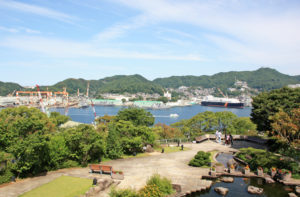 |
Embark on the ultimate Kyushu experience. From volcanic wonders to sacred traditions, we invite you on a bespoke journey through the island’s most breath-taking landscapes and exquisite culinary arts. Destinations:
Fukuoka → Nagasaki → Kumamoto → Takachiho → Aso →
Yufuin → Beppu → Yanagawa → Fukuoka
|
|
Price: From JPY 197,000 per person (Based on 6 passengers traveling together) Included: Customized itinerary design, private vehicle with English-speaking driver Excluded: Accommodations, meals, and entrance fees for sightseeing spots |
|
8-Day: Across Kyushu ー North to South Journey
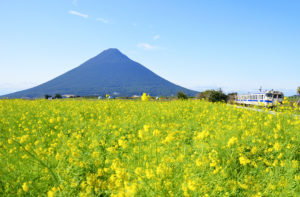 |
Experience the full breadth of Kyushu on this cross-island journey,
offering an immersion into iconic landmarks, breathtaking nature, and
the authentic spirit of Japan through its seasonal flavors.
Destinations:
Fukuoka → Kumamoto → Ibusuki → Kagoshima → Sakurajima Island
Nichinan & Miyazaki → Takachiho → Aso → Yanagawa → Fukuoka
|
|
Price: From JPY 175,000 per person (Based on 6 passengers traveling together) Included: Customized itinerary design, private vehicel with English-speaking driver Excluded: Accommodations, meals, and entrance fees for sightseeing spots |
|
7-Day: Kyushu Highlights ー Nature, History & Spirit
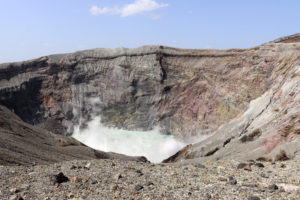 |
Discover the “Essence of Kyushu” through a curated journey into pristine
natural landscapes, rejuvenating onsen retreats, and an authentic heritage
found nowhere else.
Destinations:
Fukuoka → Harazuru Onsen → Yufuin → Beppu → Aso → Takachiho
Yanagawa → Fukuoka
|
|
Price: From JPY 156,000 per person (Based on 6 passengers traveling together) Included: Customized itinerary design, private vehicle with English-speaking driver Excluded: Accommodations, meals, and entrance fees for sightseeing spots |
|
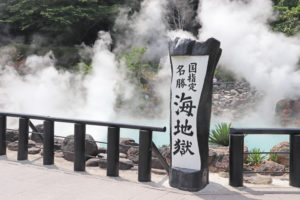 |
This tour features Beppu and Yufuin, two of Kyushu’s most iconic onsen resorts, each destination provides uniquely distinctive experiences, highlighted below. ・Yufuin : Tranquil onsen resort, scenic beauty, stroll along Yunotsubo Avenue, savor local delicacies ・Beppu : Hell tour (jigoku meguri), wide variety of bathing experiences Variety of theme parks |
|
Price: From JPY 39,000 per person (Based on 6 passengers traveling together) Included: Customized itinerary design, private vehicle with English-speaking driver Excluded: Accommodations, meals, and entrance fees for sightseeing spots |
|
 |
This tour offers an experience of the breathtaking landscapes of Aso and Takachiho, formed by the intense volcanic activity of Mount Aso in ancient times. In Takachiho, the cradle of Japanese mythology, you can enjoy various activities such as boat riding through the breathtaking Takachiho Gorge. |
|
Price: From JPY 39,000 per person (Based on 6 passengers traveling together) Included: Customized itinerary design, private vehicle with English-speaking driver Excluded: Accommodations, meals, and entrance fees for sightseeing spots |
|
Fukuoka : Curated One-Day Excursion
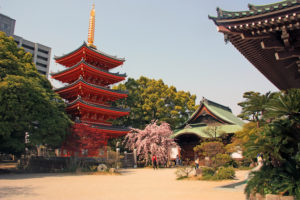 |
Exploring the traditional area of Fukuoka. First, travelling Hakata Old Town where is the first gateway and prospered as the largest trading port in medieval Japan, Visit Seaside Momochi where is water-front resort facing to Hakata bay. Final destination is Fukuoka Castle Ruins to feel Japanese culture in Edo period. |
|
Price: From JPY 24,000 per person (Based on 6 passengers traveling together) Included: Customized itinerary design, private vehicle with English-speaking driver Excluded: Accommodations, meals, and entrance fees for sightseeing spots |
|
Yanagawa & Dazaifu One-day Tour
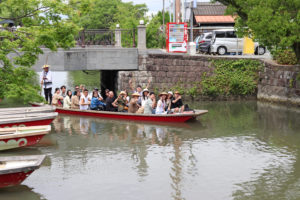 |
Explores two popular destinations in Fukuoka Prefecture, Yanagawa and Dazaifu. Yanagawa is the beautiful canal town where the Canal boat cruise and local cuisines can be enjoyed. Dazaifu is the most recommended place to visit in Fukuoka Prefecture where has 1300 years history, featured spot is Dazaifu Tenmangu Shrine. |
|
Price: From JPY 24,000 per person (Based on 6 passengers traveling together) Included: Customized itinerary design, private vehicle with English-speaking driver Excluded: Accommodations, meals, and entrance fees for sightseeing spots |
|
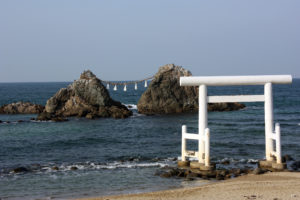 |
Itoshima is located next to Fukuoka-city, the north side is facing Genkai Sea and has intricate coastline created by dynamic wave. The plain and several low mountains between the coastline in the north and Seburu mountain range in the south create beautiful landscape.
|
|
Price: From JPY 24,000 per person (Based on 6 passengers traveling together) Included: Customized itinerary design, private vehicle with English-speaking driver Excluded: Accommodations, meals, and entrance fees for sightseeing spots |
|
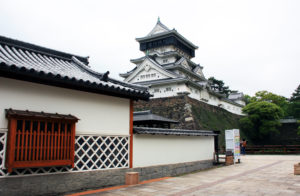
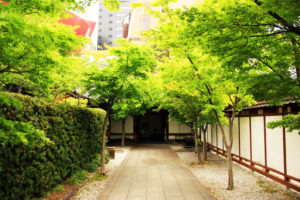
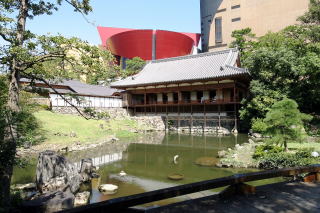
Kokura Castle Garden
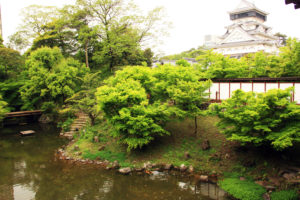
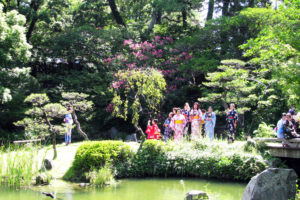
Kokua Castle Garden made at the former site of Shitayashiki (lord’s guest house) located
next to Kokura Castle. This garden consists of a Japanese garden and a daimyo yashiki
(a lord’s house), a building of the Shoin-zukuri type (a style of Japanese domestic architecture).
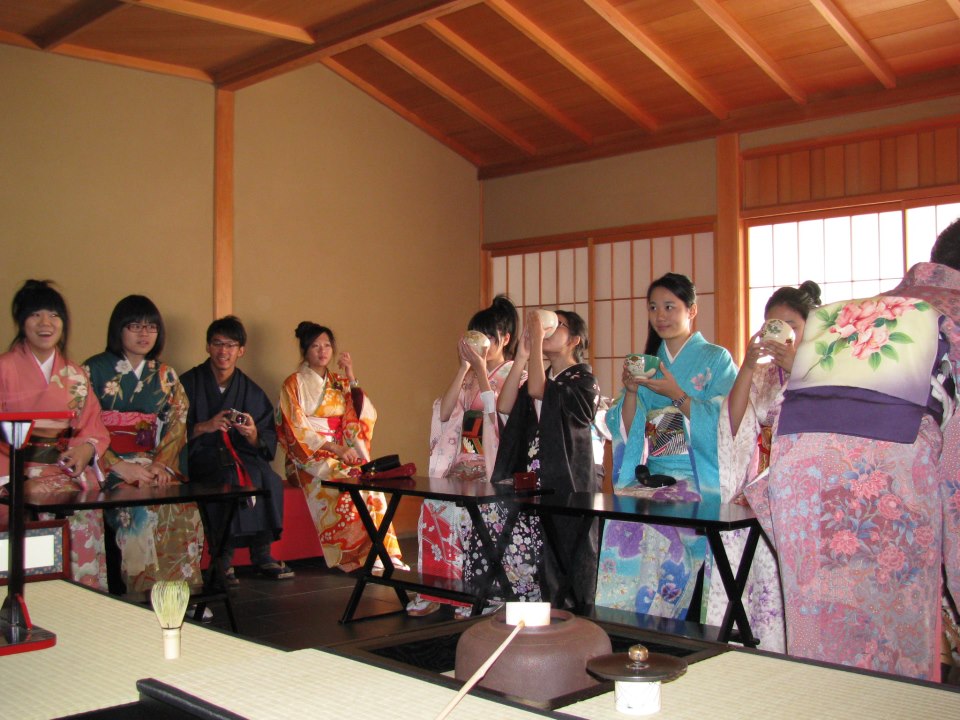
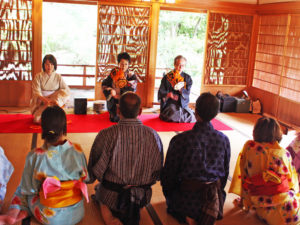
In this garden, not only can you see Japanese traditional architecture, but also enjoy the Tea
Ceremony at the Experience Zone.
 |
 |
 |
Japanese Garden
 |
 |
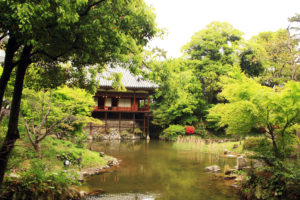 |
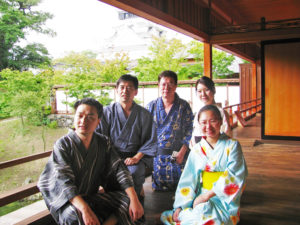
Time to enjoy dressing in Kimono, tea ceremony experience, and Rickshaw riding experience
Kokura Castle Garden and Kokura Castle. You can also take beautiful photographs in this location
to provide you with wonderful memories and recollection of your visit to Kokura.
 |
 |
 |
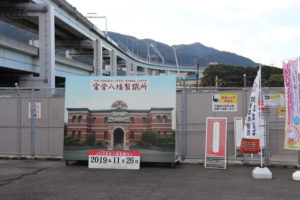
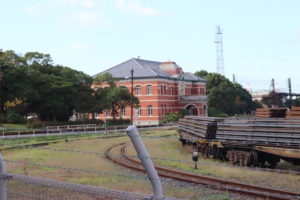
First Head office of the Steel Works
The the building for the Head office of the Imperial Steel Works was constructed in 1899,
two years before commencement of Japan’s Steel Industry.
The design of the building is a harmony of European and Japanese architectural styles.
The construction of the structure below the roof is a European style and uses red bricks
for the outside walls.
Aiming to symbolize a Good future for Japan, the roof was designed with a traditional
Japanese triangular shape and Japanese tiles were used to complete the roof.
The building was initially used as a Head office until 1922, however with the expansion
of production facilities, the Head Office was moved to another place due to lack of space.
After that, the building was used for various purposes such as a Research and Developing
Center for Steel Products.
|
World leading rail produced in the Steel Works |
First Head Office registered on the World Heritage |
Observation deck of the World Heritage |
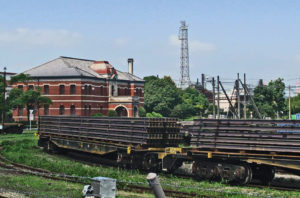
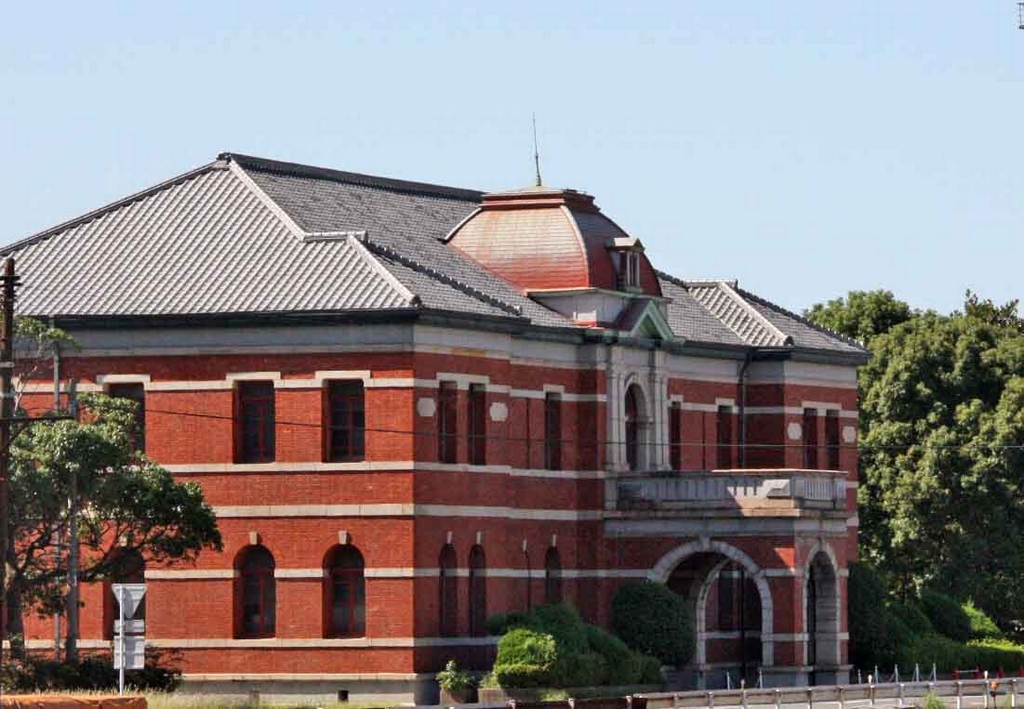
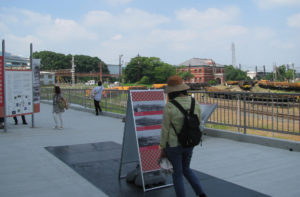
 |
 |
 |
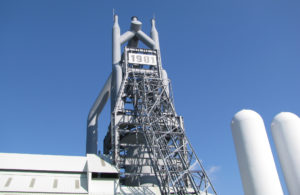
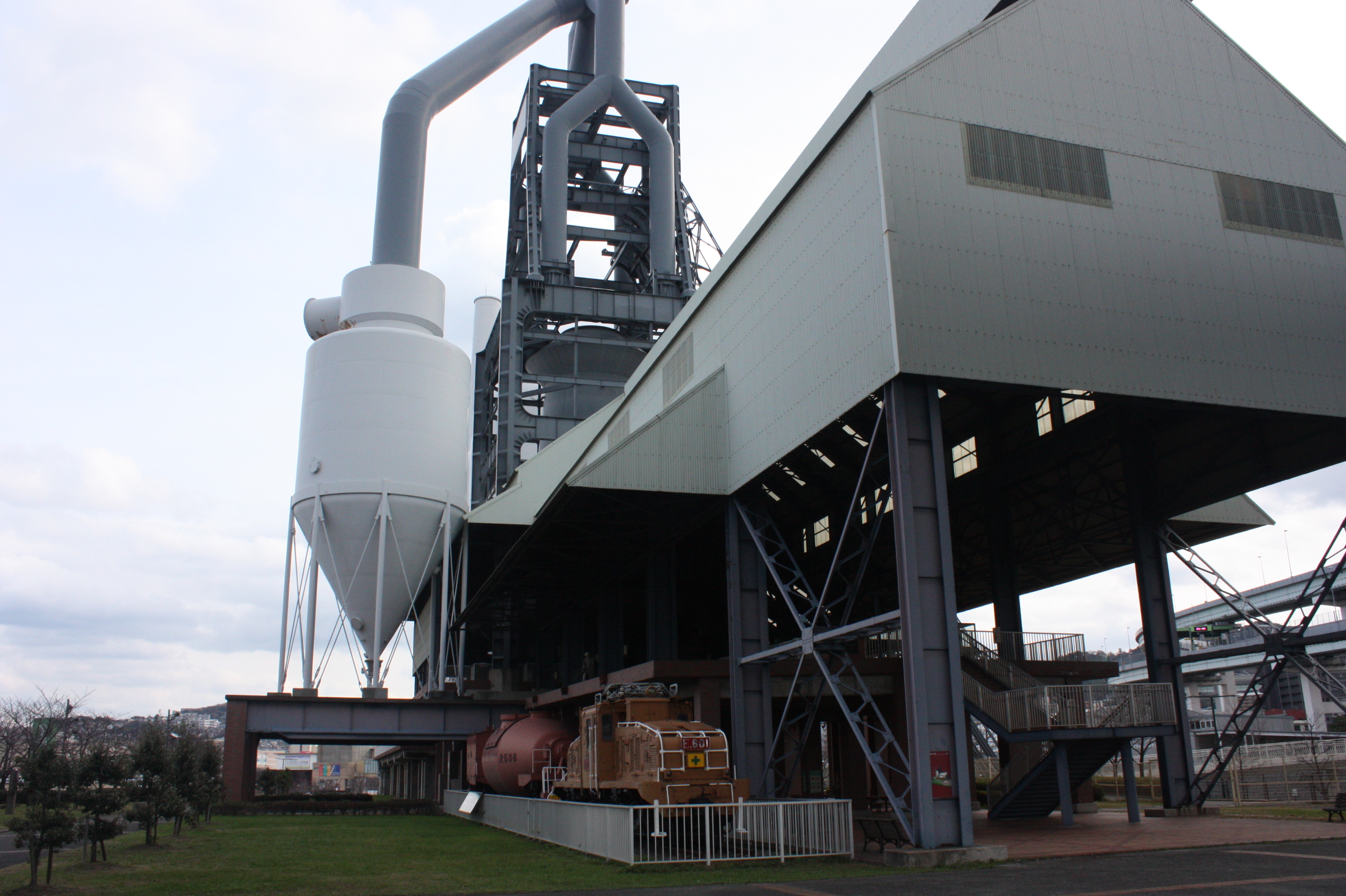
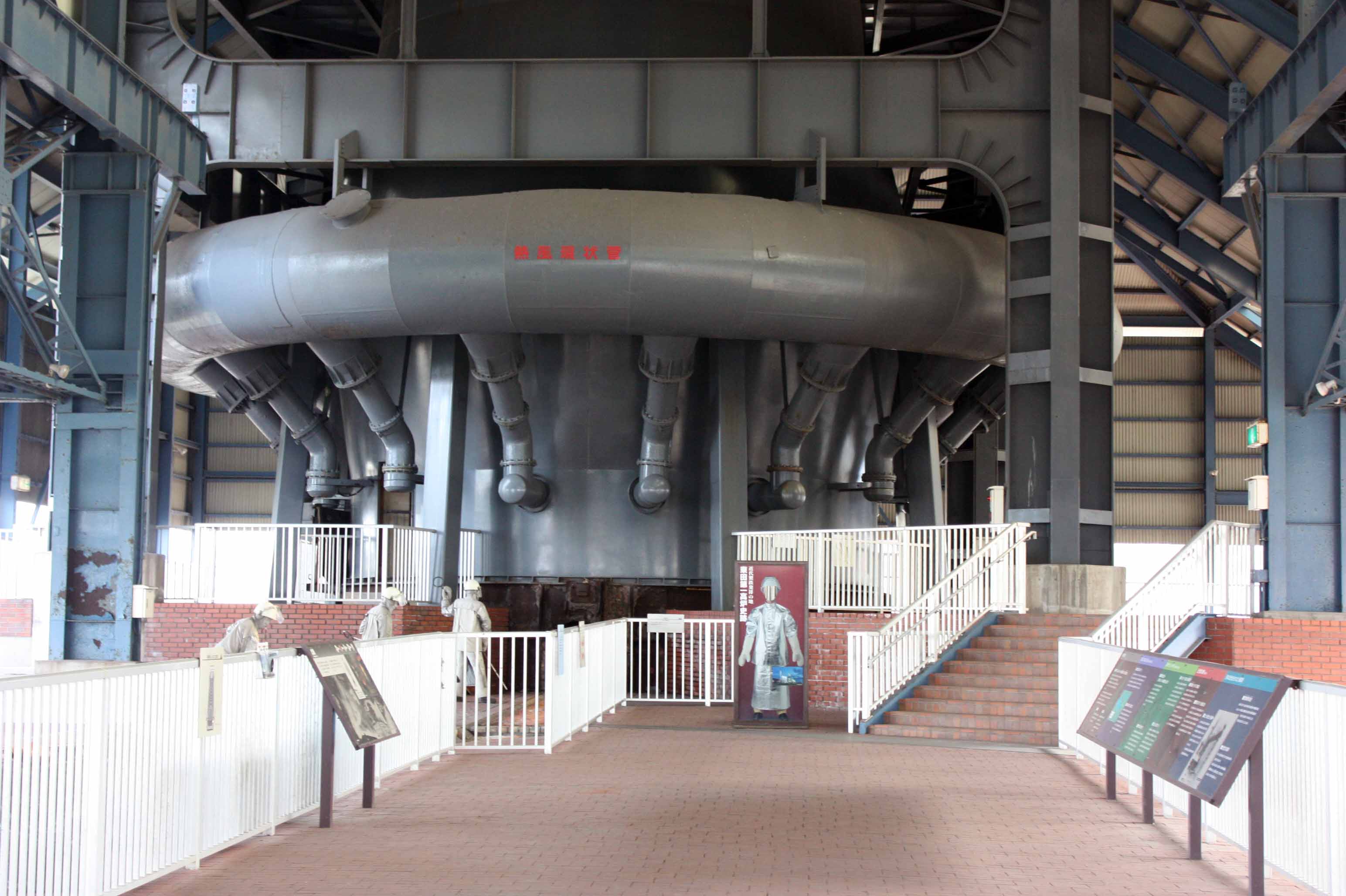
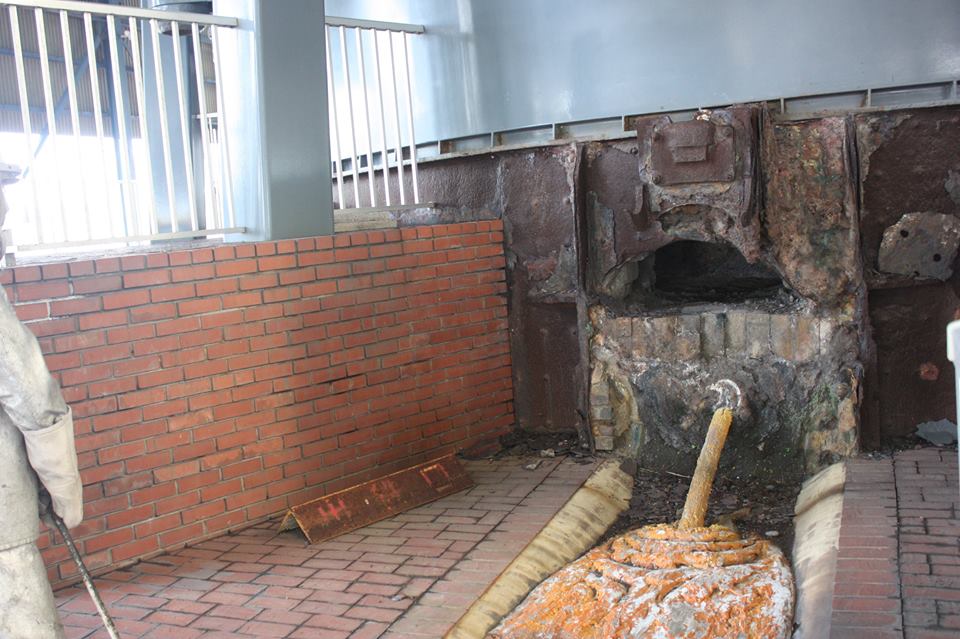
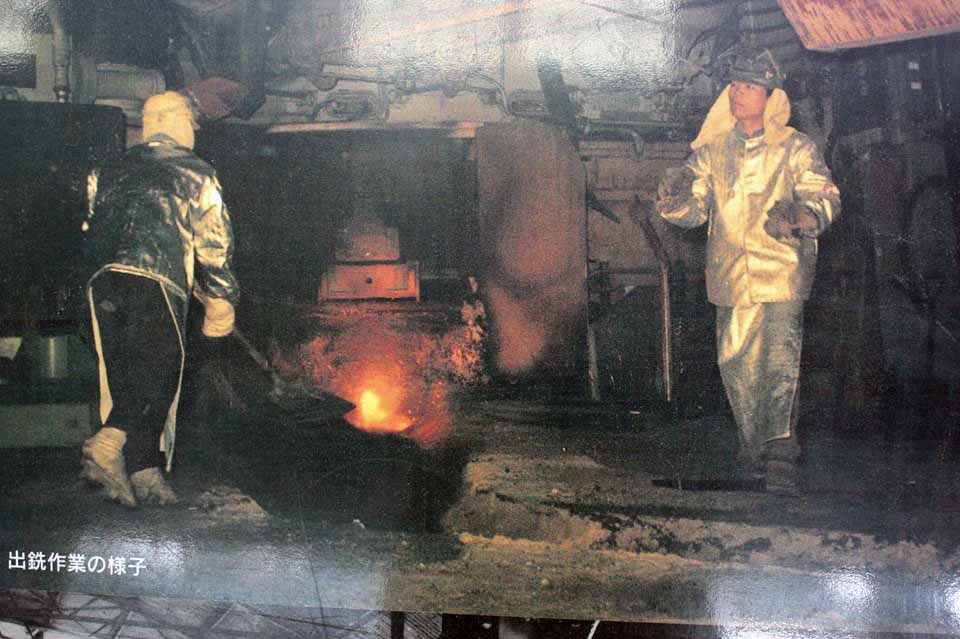
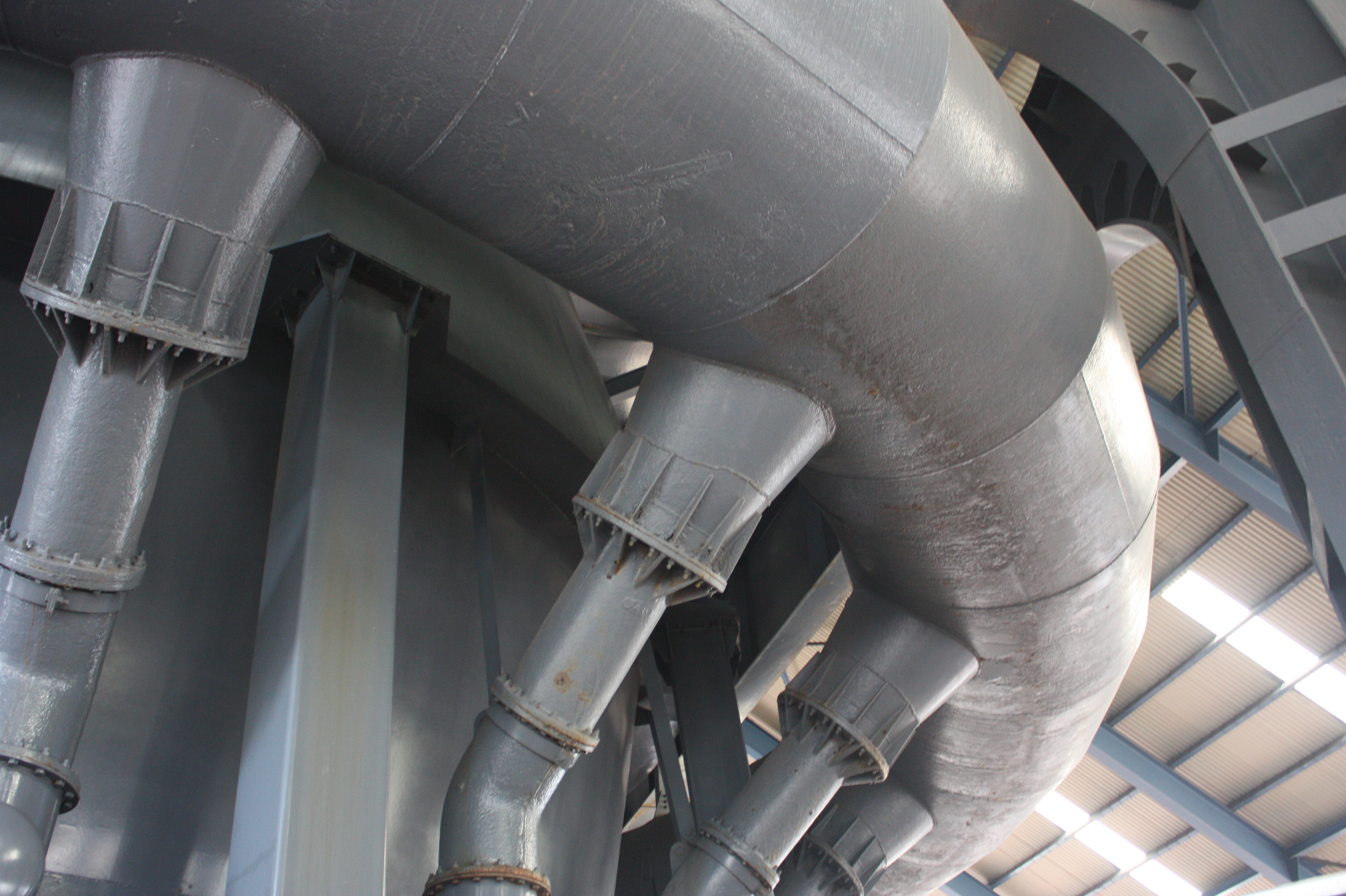
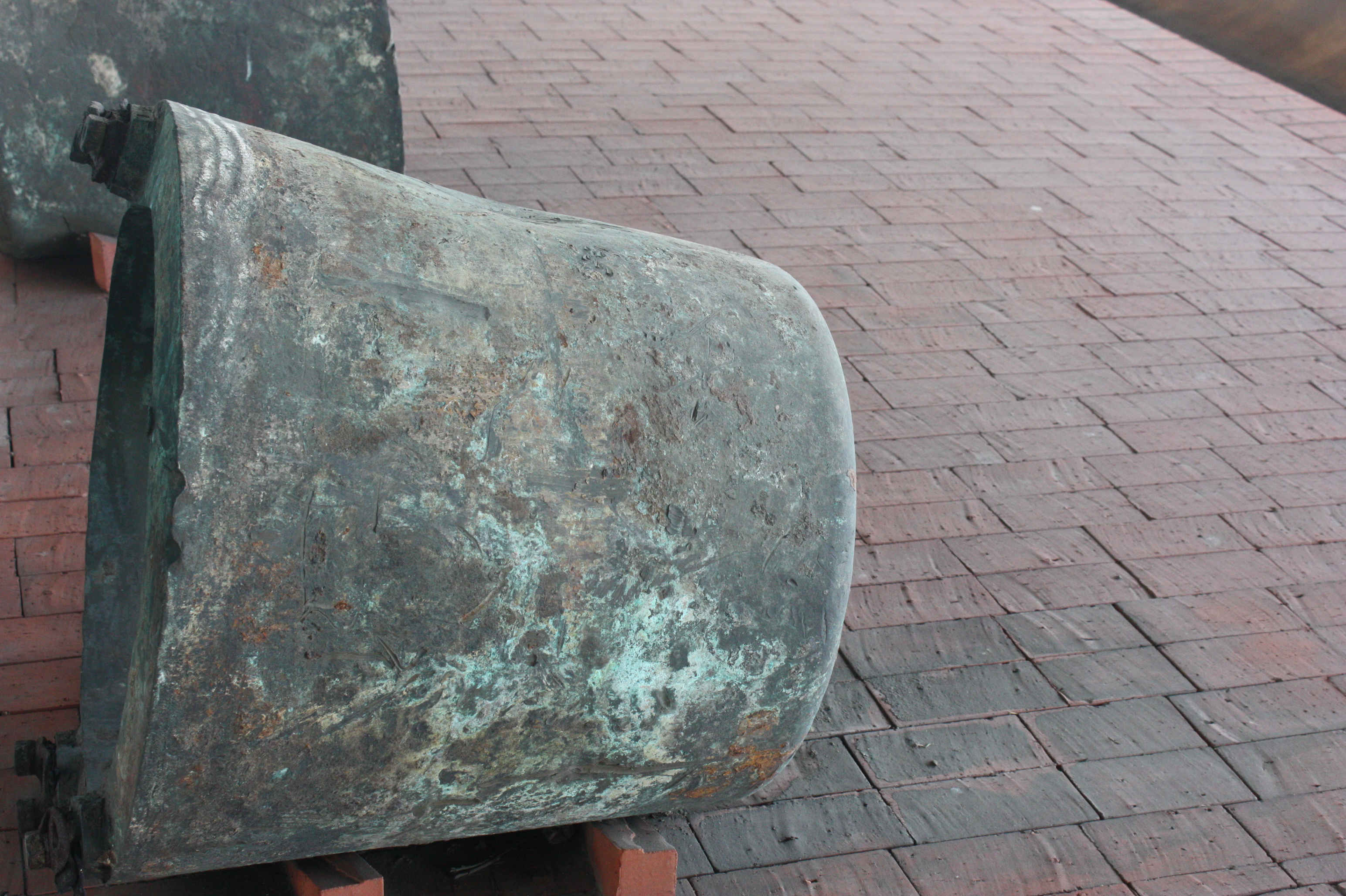
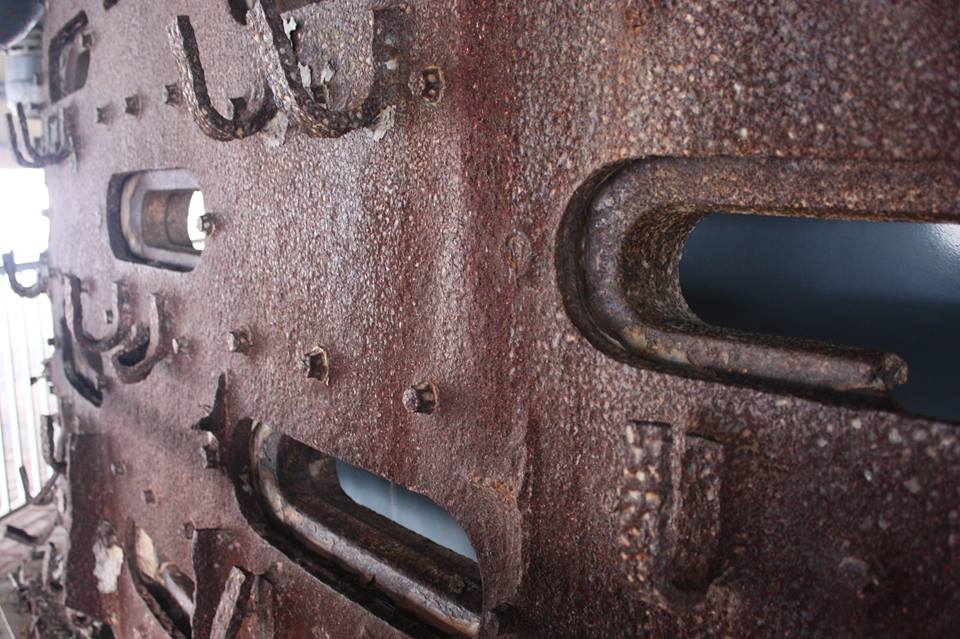
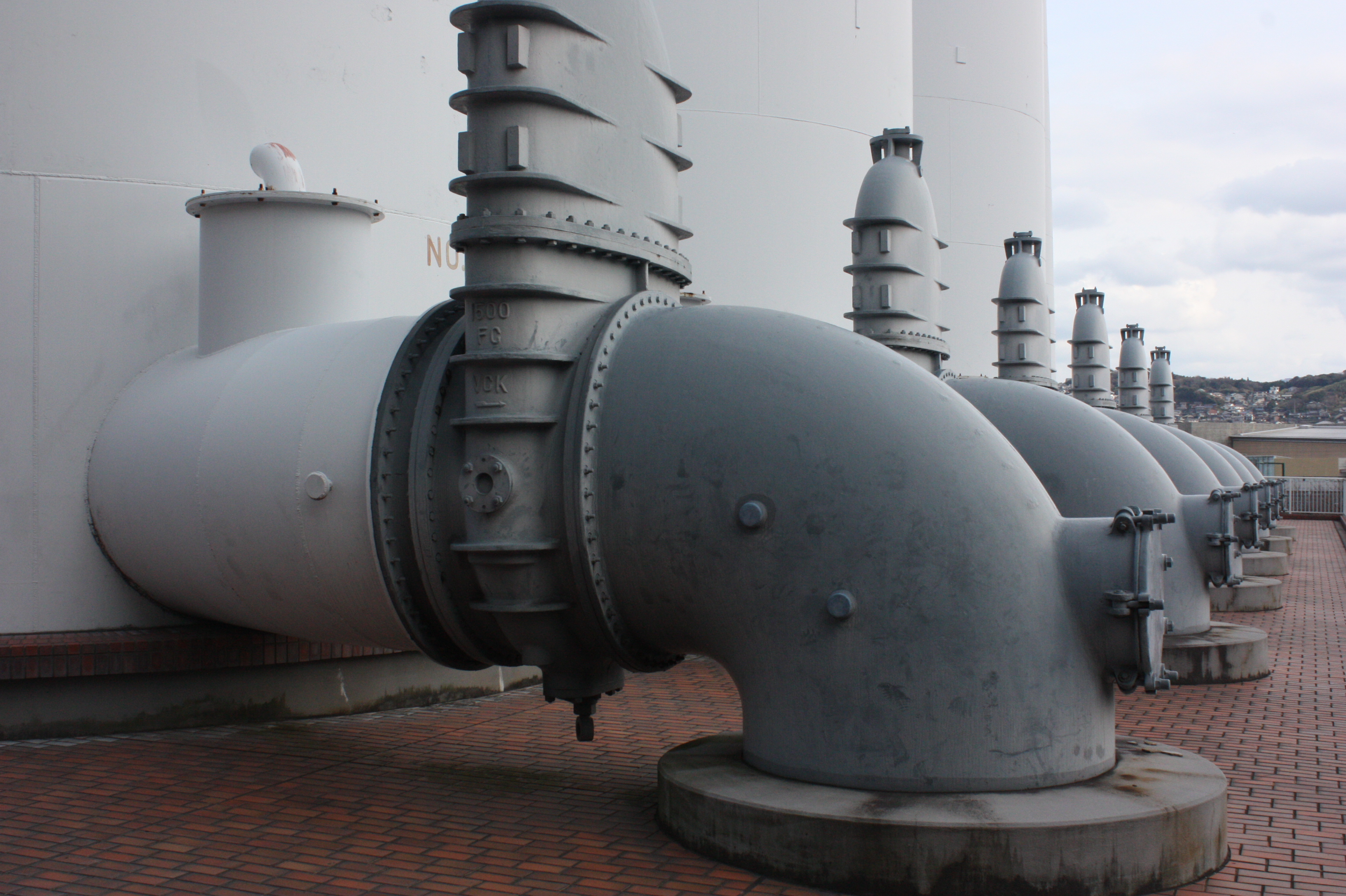
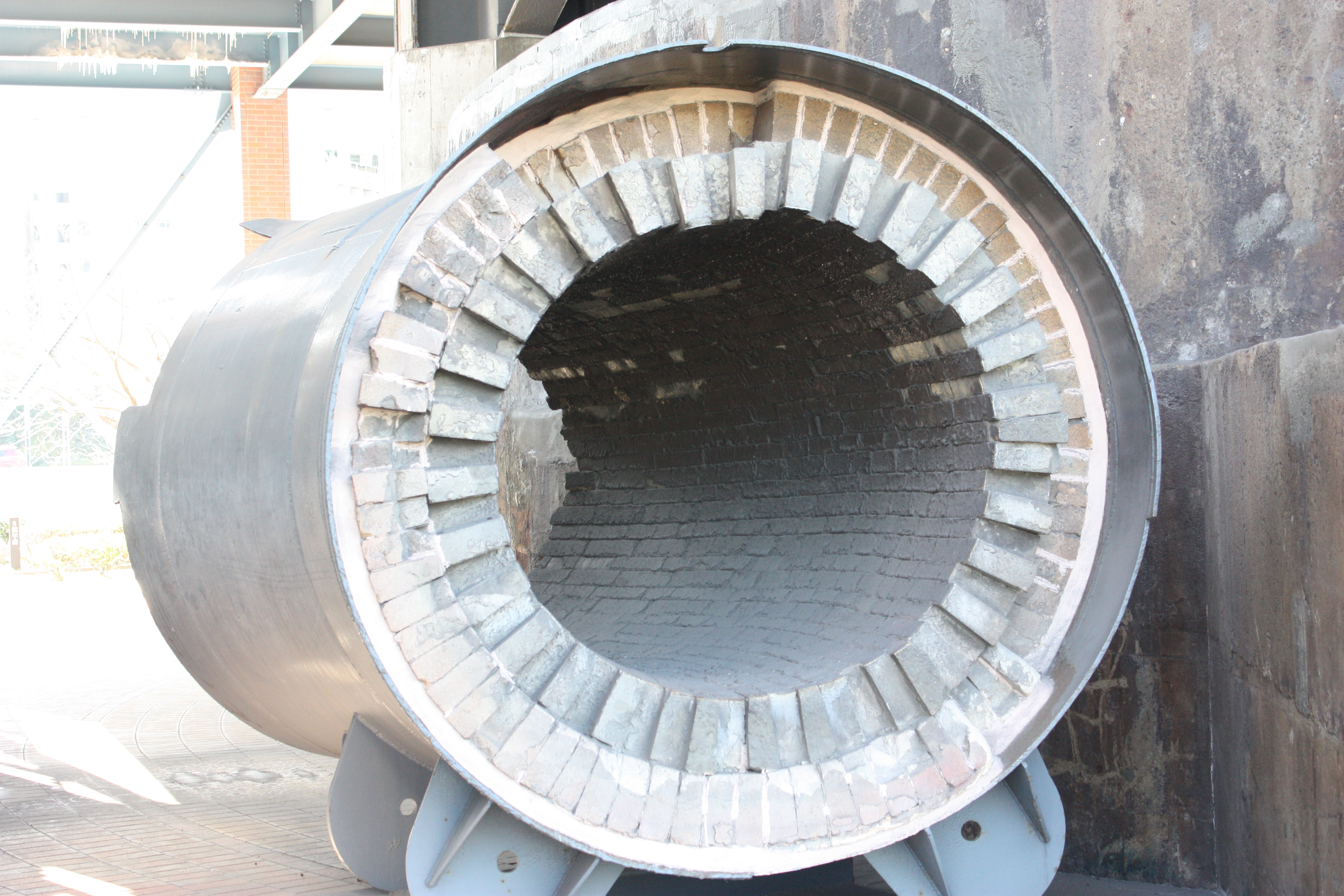
Higashida No.1 Blast Furnace
Blast Furnace is a Steel plant for making the pig iron from iron ore and coke.
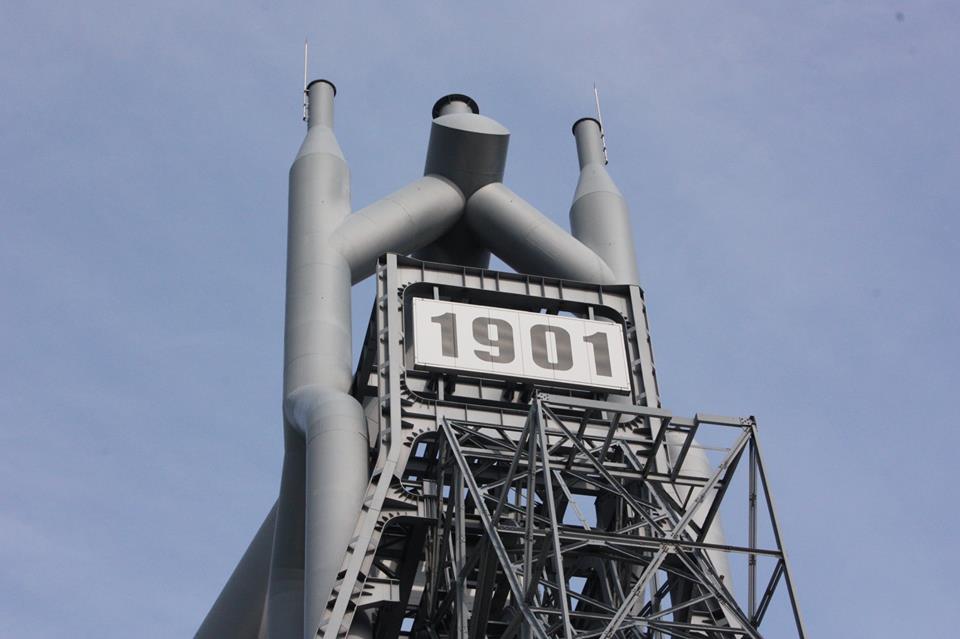
Higashida No.1 Blast Furnace is only the Blast Furnace in the world which preserved as it was.
The birth place where Japan’s steel industry began in 1901. It contributed greatly to the
development of the Japanese steel industry and was used until 1972, and has been preserved
just as it was. The big signboard at the top of the Blast Furnace displaying “1901” indicates
the year in which the Blast Furnace commenced operation.
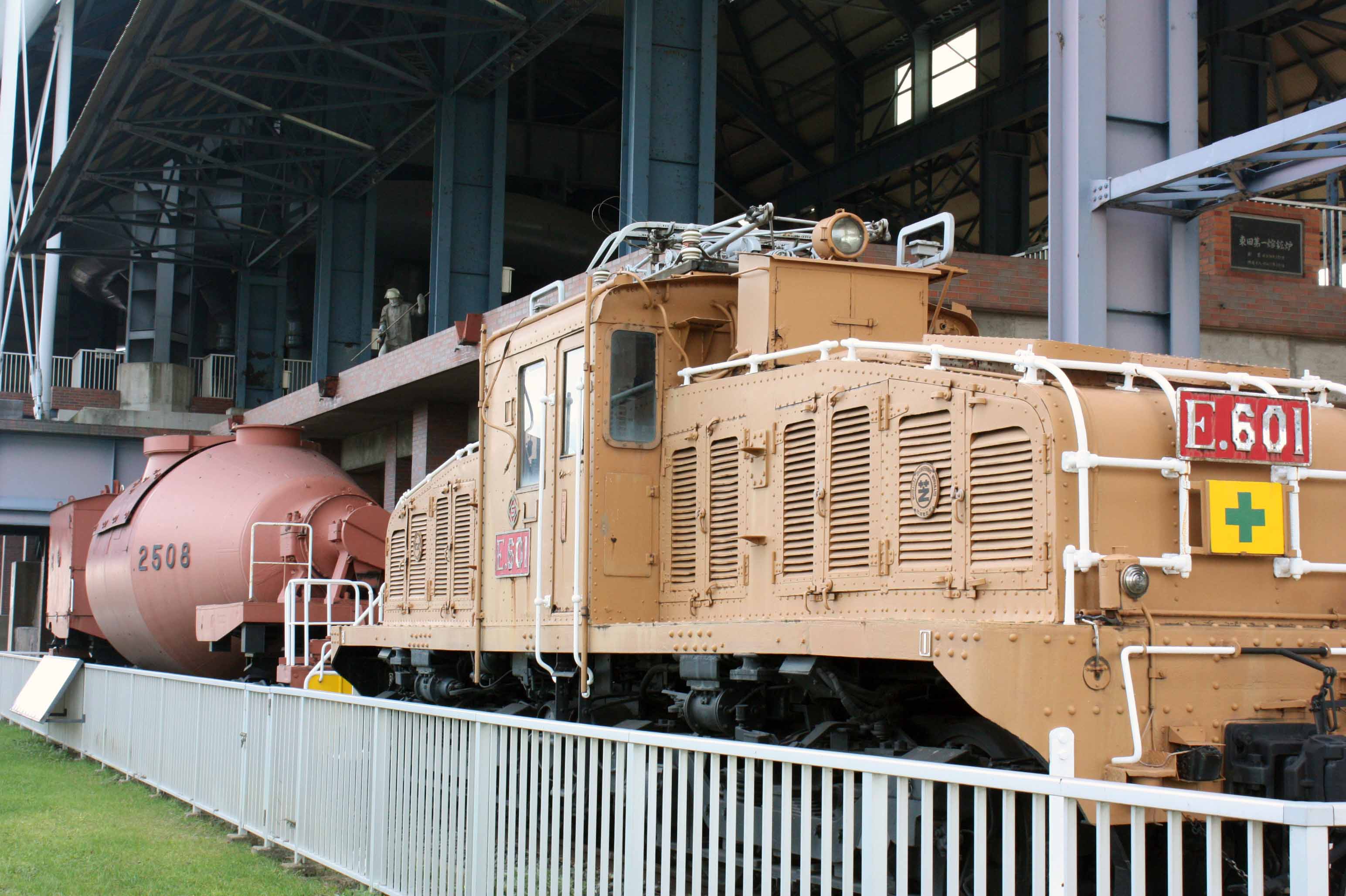
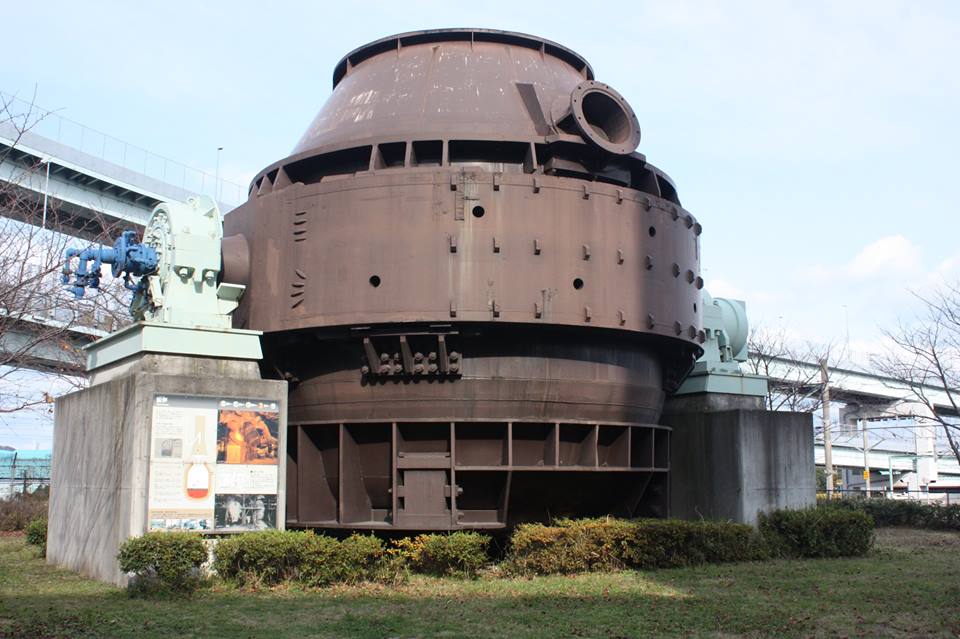
Equipment and tools which were actually used are exhibited in the square, and you can see
the iron-making process from the raw material (ore and coke)to production of pig iron.
|
Name Plate indicated blow-in year |
Blast Furnace proper |
Hot Stove and Stack |

|
Dust Catcher & Cast house |
Torpedo Car |
Converter |
|
Cast house floor |
Tap hole |
Tapping activity |
|
Bustle main & Goose neck |
Tuyere |
Shaft shell |
|
Inside of Furnace |
Valves of Hot Stove |
Bustle main brick work |

Mejiro Limestone Cave
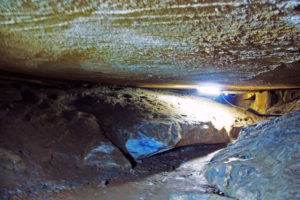
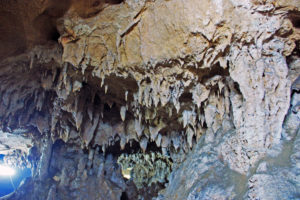
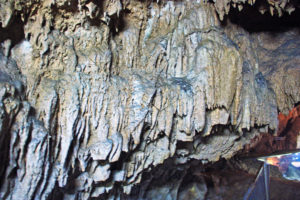
It is the longest cave in Hiraodai Karst, over 2 km in length. The highlight of this cave
is the monolithic ceiling which is a very unique structure as a limestone caves.
 |
 |
 |
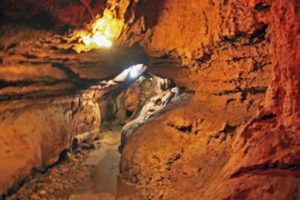
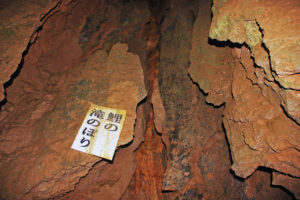
Ojika Limestone Cave
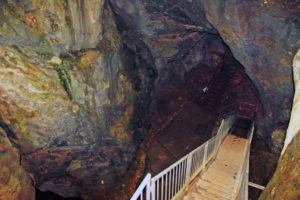
The cave is called footfall of dinosaurs. It is the very rare cave in Japan; the entrance
is vertical pit with 25 meter, when getting down to the bottom, you follow the underground
horizontal cave and you can see the hidden aspects of Hiraodai Karst.
 |
 |
 |
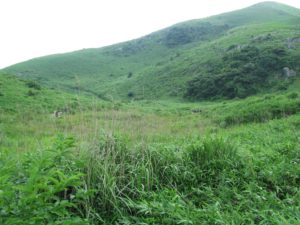
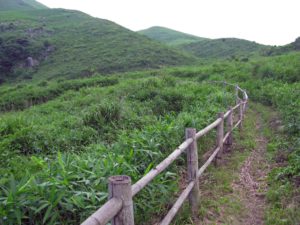
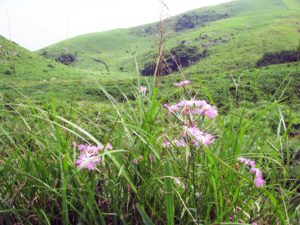
Hirotani Wetland
It is the only wetland in Fukuoka-prefecture. Located 600 meters west from Seiryu Cave
and 2,500 m east from Hiraodai Nature Observation Center. The wetland is an important
part of Hiraodai Karst landform, offering a variety of wetland plant life such as the Sagiso
(rein orchis), Tokiso (pogonia), and Nohanasyobu (iris).
 |
 |
 |
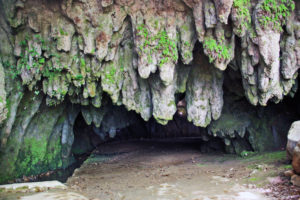
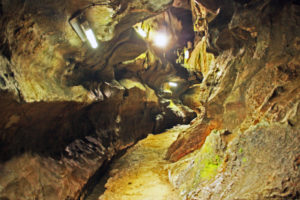
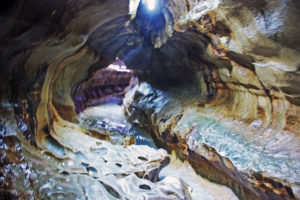
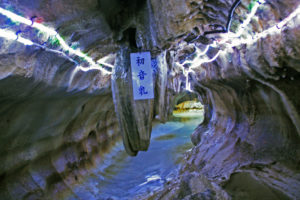
Senbutsu Limestone Cave
The largest limestone caves in Hiraodai Karst Plateau, extending about 900 m while
meandering toward the northeast. Senbutsu Literally means 1,000 Buddha Cave and
the shape of the cave is narrow. The narrow ceiling ravine with a maximum width of
10 m and a maximum ceiling height of 15 m.
 |
 |
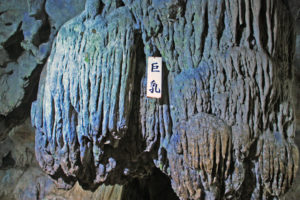 |
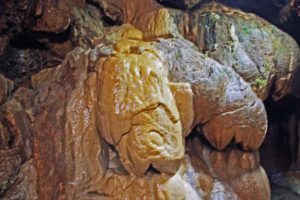
Approximately 30 large and small stalactites hang down at the entrance, giving a spectacular scenery.
Abundant groundwater still continues to erode in the cave.
 |
 |
 |
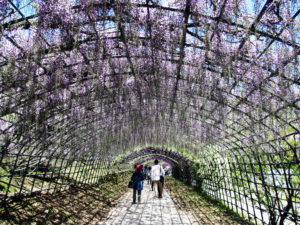
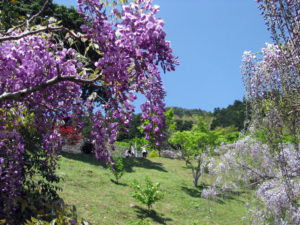
Kawachi Wisteria Garden
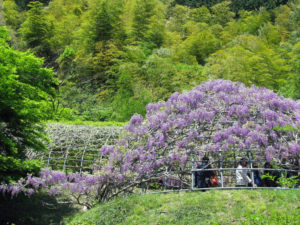
Kawachi Wisteria Garden is a private garden at the Mountain foot of Sarakura in Kitakyushu City
and famous for its spectacularly presented, large numbers of wisteria flowers.
The garden is opened to the public seasonally during the wisteria season which usually peaks
around late April to middle of May.
 |
 |
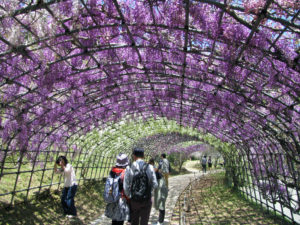 |
The garden’s most prominent features are two, roughly 100 meter long tunnels made of wisteria
trees of differing varieties and colors, ranging from white to dark purple.
 |
 |
 |
 WhatsApp: Chat with us