
Kawachi Reservoir
The first-class civil construction heritage, the triggered the registration of World Cultural
Heritage of Sites of Japan’s Meiji Industrial Revolution
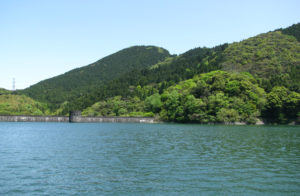
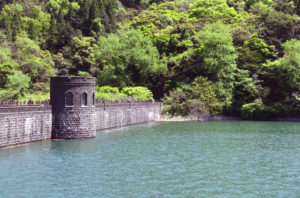
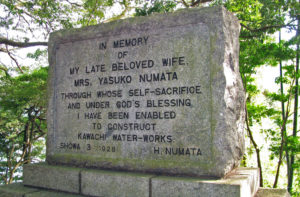
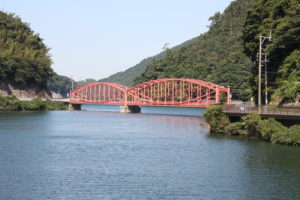
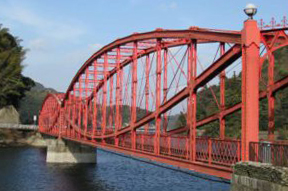
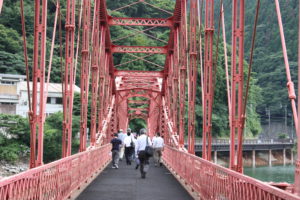
The Kawachi Reservoir was constructed for the industrial water supply to Yawata
Steel Works. The dam was constructed at the Okura River and upper stream of the
dam was expanded and making the 7milion cubic metre reservoir.
 |
 |
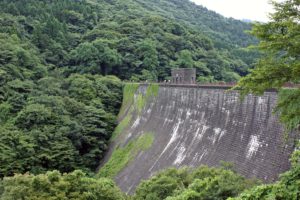 |
Specification of the dam
・completion year : 1927
・height : 43.1 metre
・Width : 189 metre
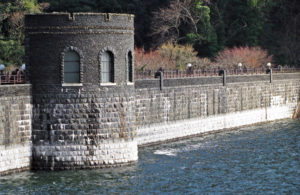
In the construction of the dam, the unprecedented design in the world has been applied in order
to harmonize with nature and to save the construction cost. The stones come out from the mountain
when the river was expanded have been utilized for construction of the dam.
 |
 |
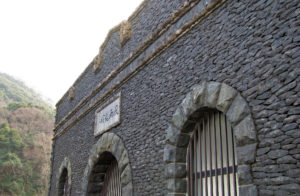 |
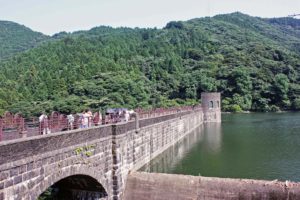
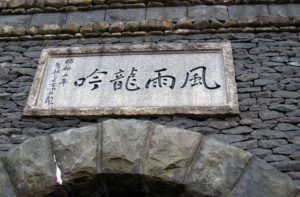
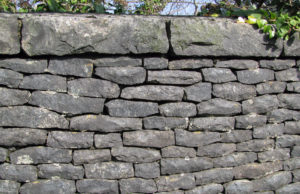
All stones are cut into sizes and shapes by the stone technicians according to the place of use.
The large size stone were used at the main construction of the dam and the small size stones
were used for other places as per size and shape. Construction was started in 1919 and was
completed in1927 by 900 thousand total number of workers.
 |
 |
 |
 |
 |
 |
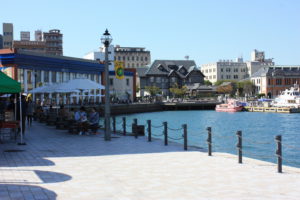
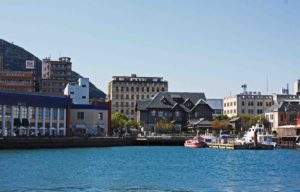
Kaikyo Plaza
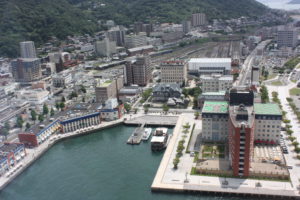
The shopping area in the Mojiko Retro district located by the sea. “Full of a romance market
which stir up forgetting contentment” is the direct translation of the concept Kaikyo Plaza is
based on.
 |
 |
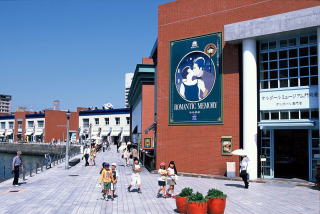 |
The area has a very romantic ambience and evokes feeling of nostalgia and contentment that
will never be forgotten. There are about 40 stores for shops and restaurants.
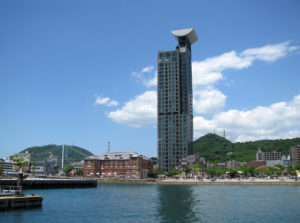
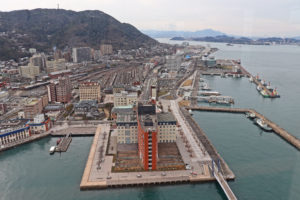
Mojiko Retro Observatory
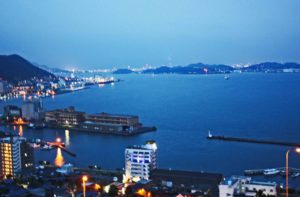
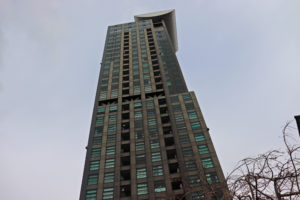
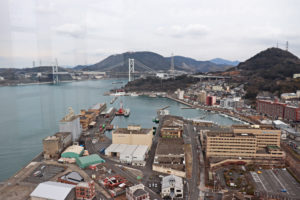
Situated on the 31st floor of the high-rise apartment building “Retro Hi-Mart”. The 103m high
observatory offers magnificent views of the Mojiko Retro district, the Kanmon-kyo Bridge over
the Kanmon Strait, as well as the Shimonoseki area. It can be used until 10 pm and from
around 8pm, Mojiko Retro district is lights up with beautiful illuminations, creating a very
romantic ambience, making it a very popular dating spot.
 |
 |
 |
 |
 |
 |
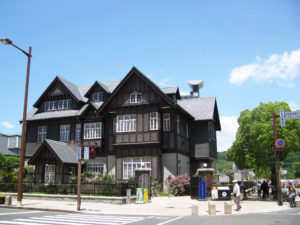
Mitsui Club
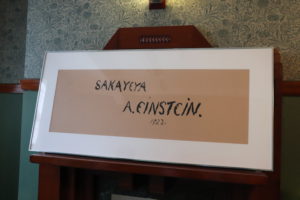
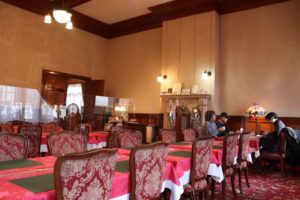
Dr. Albert Einstein who awarded Nobel Prize in Physics stayed here. It was built by the
Mitsui Co., Ltd in 1921 as a reception centre and to provide accommodation for VIP’s.
It is now designated as an important cultural property.
 |
 |
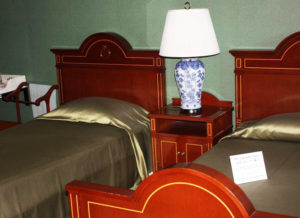 |
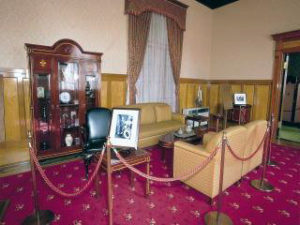
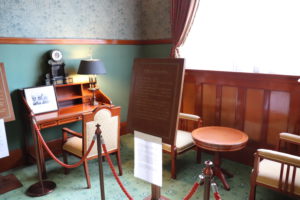
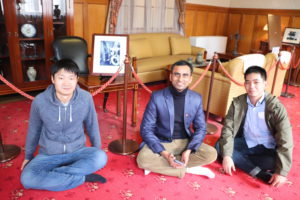
Albert Einstein (1879-1955), one of the world’s most famous theoretical physicists, stayed here
during his visit to Japan with his wife in 1922, and his room is displayed exactly as it was at that time.
 |
 |
 |
 |
 |
 |
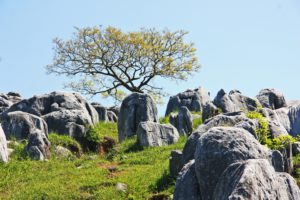
Hiraodai Karst Plateau & Caves
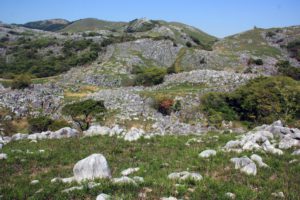
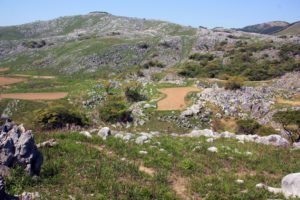
One of the three largest karst plateau in Japan along with the Akiyoshi-dai Plateau and the
Shikoku Karst. It is located in south-eastern part of Kitakyushu-city. At altitudes between
400 and 600 meters above sea level and stretching 6 km from north to south and 2 km from
east to west.
 |
 |
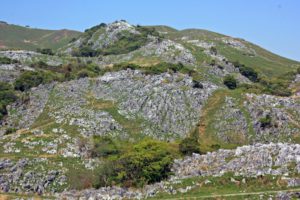 |
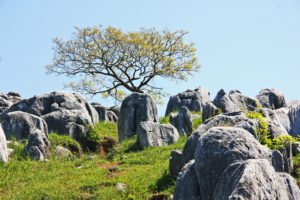
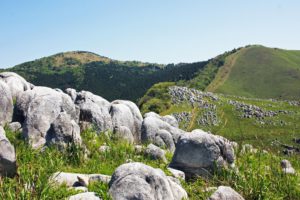
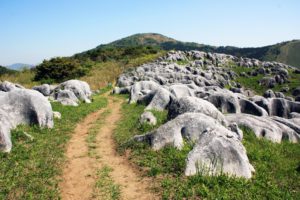
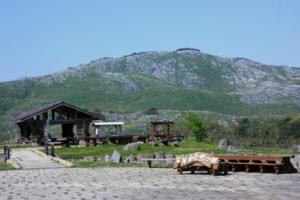
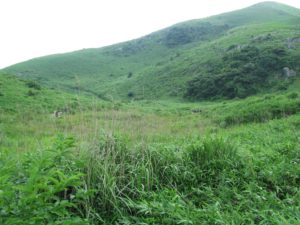
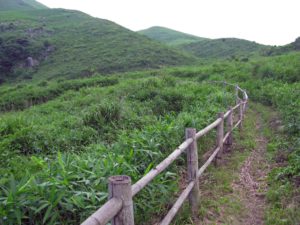
Yougunbaru, which was so names because of the limestone which stands in row like a flock
of sheep in a vast meadow, dolines (conical hollows) and limestone caves create distinctive
scenery. The Plateau offers a different views in each of the four seasons, resembling a burnt
field in the spring, appearing fresh and green in the early summer, and similar to a dry plain
in the fall.
 |
 |
 |
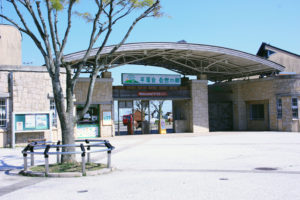
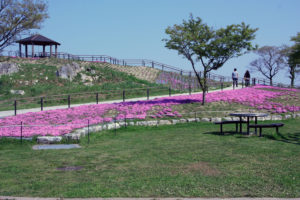
There is 22ha of lawn square with observation platform, and a wild grass garden.
There is also a plateau fruit tree garden. Moreover, the visitor can enjoy the experience
of doing activities such as making buckwheat noodle (soba), ceramics, art flower, and
woodwork.
 |
 |
 |
Limestone Caves
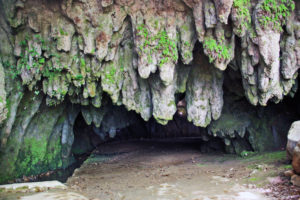
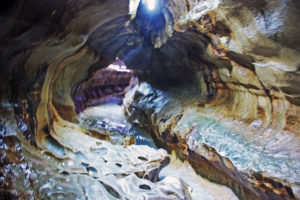
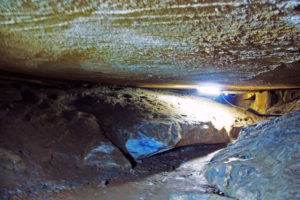
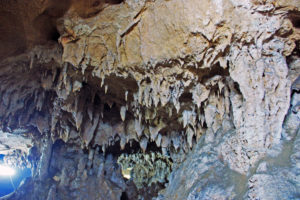
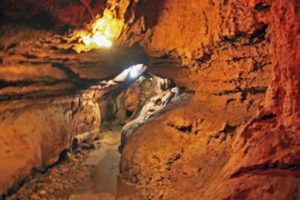
There are three limestone Caves in Hiraodai Karst and each cave has different unique features.
The largest limestone caves in Hiraodai Karst Plateau
extending about 900 m while meandering toward the northeast. The shape of the cave is narrow,
narrow ceiling ravine with a maximum width of 10 m and a maximum ceiling height of 15 m.
 |
 |
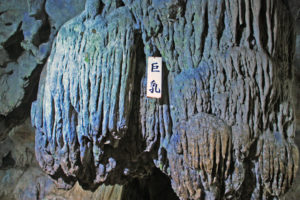 |
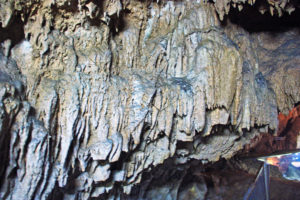
It is the longest cave in Hiraodai Karst, over 2 km in length. The highlight of this cave is the
monolithic ceiling which is a very unique structure as a limestone caves.
 |
 |
 |
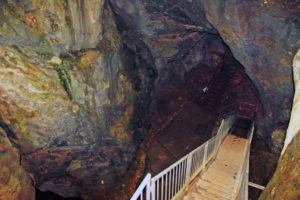
The cave is called footfall of dinosaurs. It is the very rare cave in Japan; the entrance is vertical
pit with 25 meter, when getting down to the bottom, you follow the underground horizontal cave
and you can see the hidden aspects of Hiraodai Karst.
 |
 |
 |
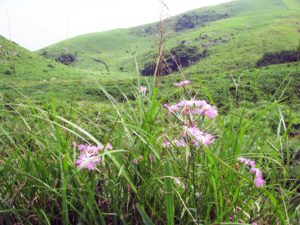
It is the only wetland in Fukuoka Prefecture, located 600 meters west from Seiryu Cave and
2,500 m east from Hiraodai Nature Observation Center. The wetland is an important part of
Hiraodai Karst landform, offering a variety of wetland plant life such as the Sagiso (rein orchis),
Tokiso (pogonia), and Nohanasyobu (iris).
 |
 |
 |
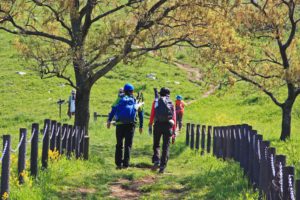
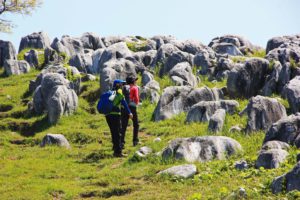
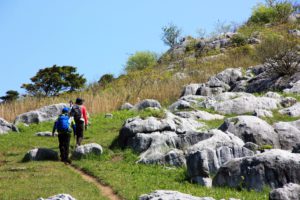
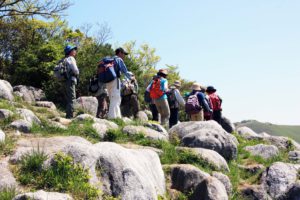
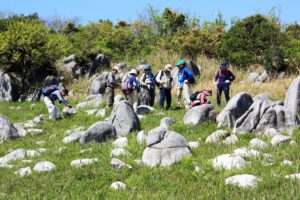
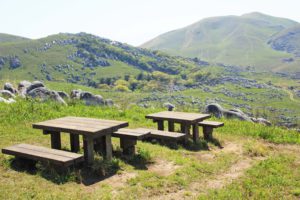
Hiraodai Karst Plateau Trekking
 |
 |
 |
 |
 |
 |
Hiraodai Countryside Park
The most distinguished Japanese Karstic Hiraodai Park. There is 22ha of lawn square with
observation platform, and a wild grass garden. There is also a plateau fruit tree garden.
Moreover, the visitor can enjoy the experience of doing activities such as making buckwheat
noodle (soba), ceramics, art flower, and woodwork.
|
|
|
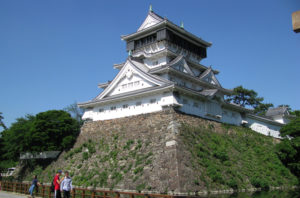
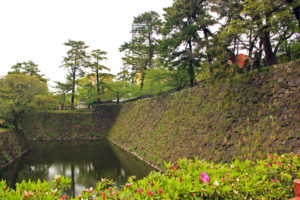
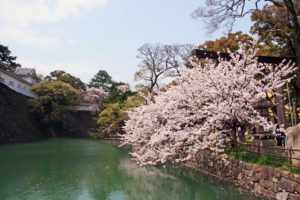
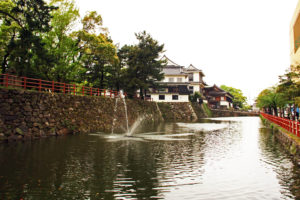
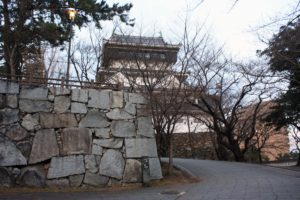
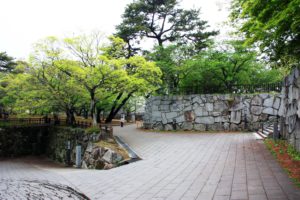
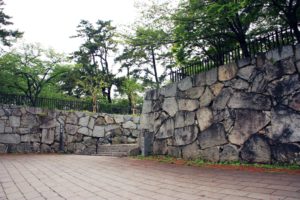
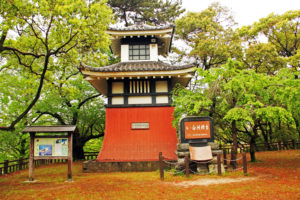
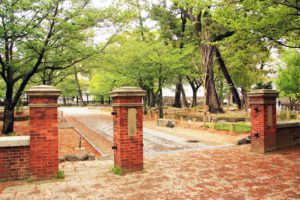
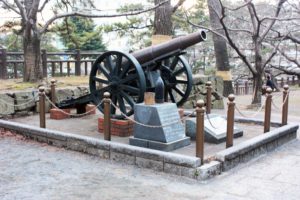
Kokura Castle
Kokura was the transportation hub from Honshu and all areas of Kyushu during Edo
period from 17th to 19th century. The Castle town was constructed in the Kokura and
Kokura Castle was build in 1602 and spent 7 years construction at the north side of
Kokura facing to Kanmon strait and next to Murasaki river.
The height of Castle tower is 6th tallest in Japan after Himeji Castle.
The castle had a fivefold and six layered donjon and it was built in the architectural
style called “Kara-zukuri”.
You can take many photos of traditional Japanese scenery that you have never
seen before.
Castle tower
 |
 |
 |
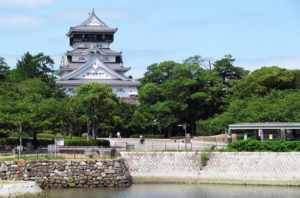
Moat around Castle tower
 |
 |
 |
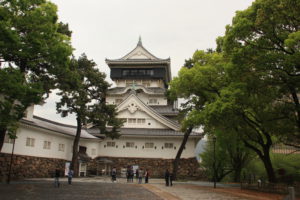
Around Castle
 |
 |
 |
 |
 |
 |
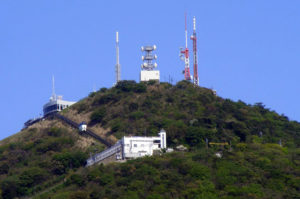
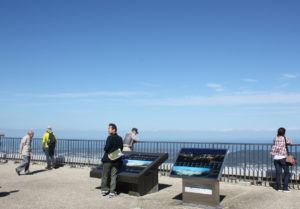
Mount Sarakura
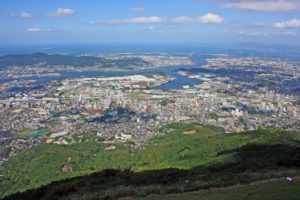
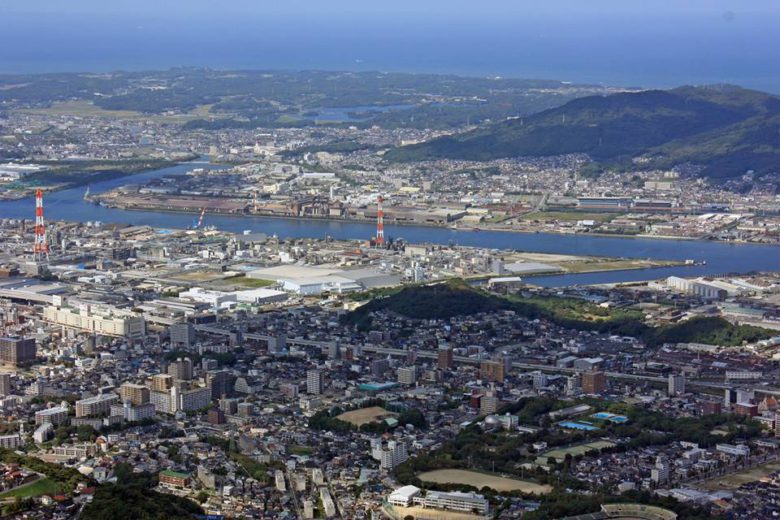
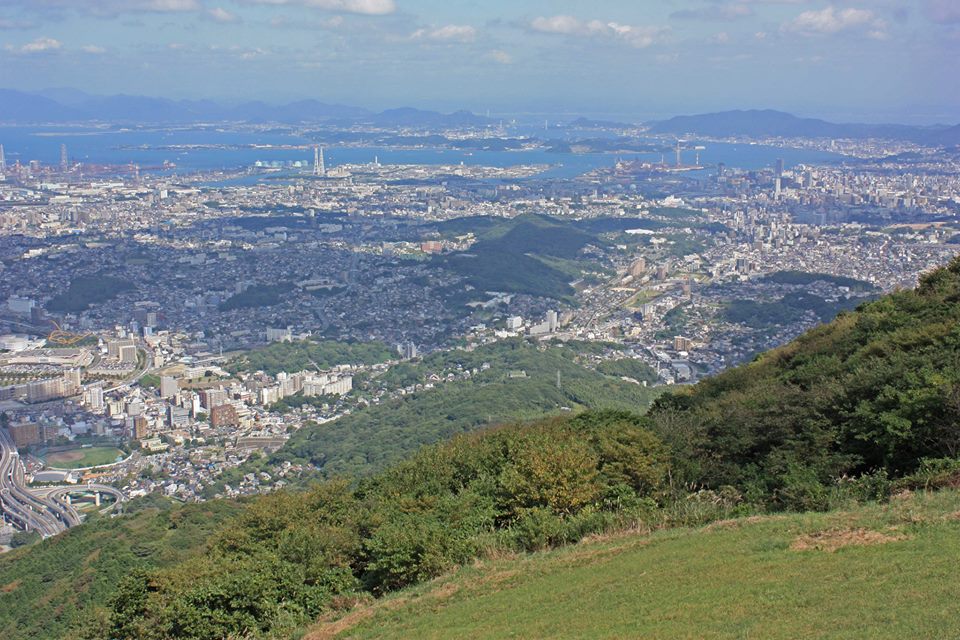
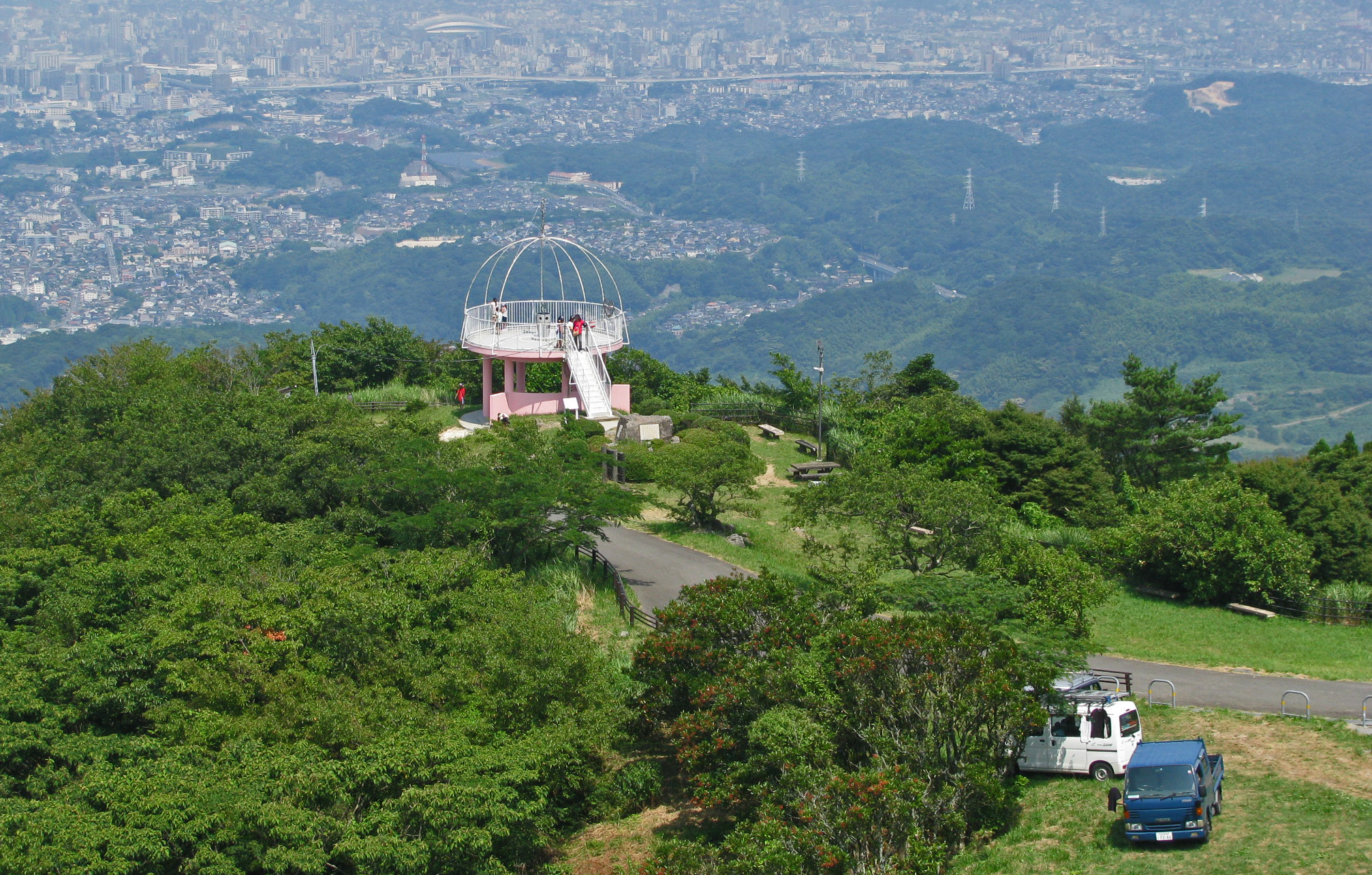
Mount Sarakura is the best scenic spot in Kitakyushu City.
The height of the mountain is 622 meters from sea level. At the top you are presented with a
magnificent and spectacular view of Kitakyushu. In 10 minutes, you can reach the summit
from the Cable Car Station using the Cable car and the Slope car.
 |
 |
 |
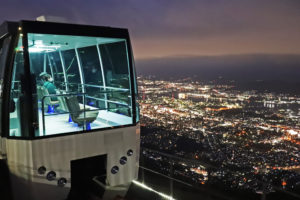
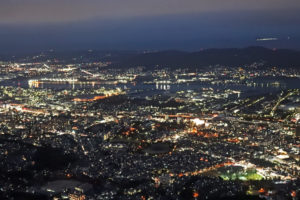
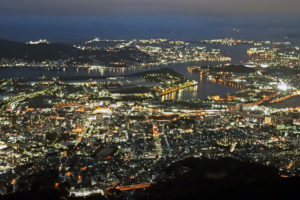
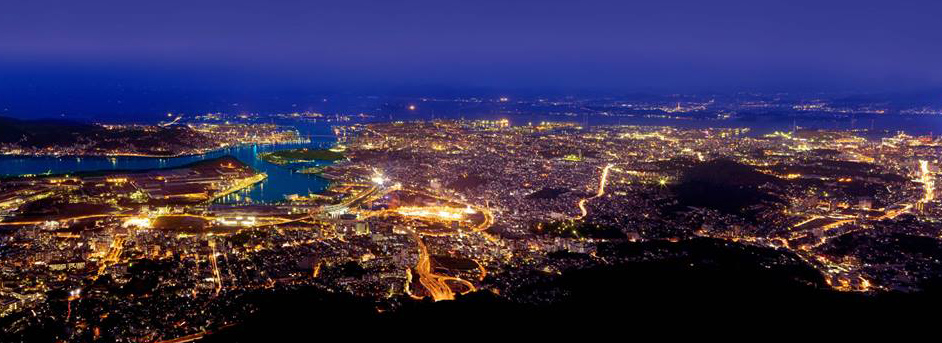
We offer the most dynamic night view in the World.
The dynamic city where one million people are living and working, is creating the beautiful Night view
which you have never seen before. The night view from the mount Sarakura is chosen the three major
Night View in Japan along with Nagasaki from Mount Inasa.
The area of Night view is the largest in the World ; about 40km east to west and 10km south to north
And also the number of lighting to create the night view is the largest in the World.
 |
 |
 |
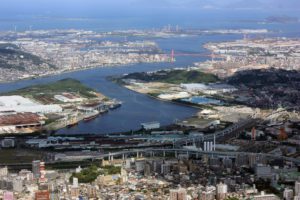
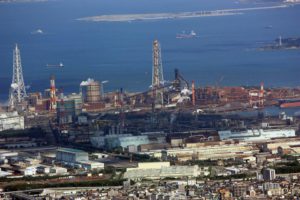
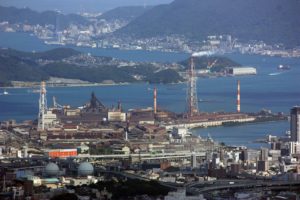
Day time view
We offer you the magnificent and spectacular view.
|
Summit of the mountain |
Observatory area |
Top of the mountain |
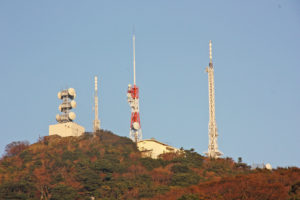
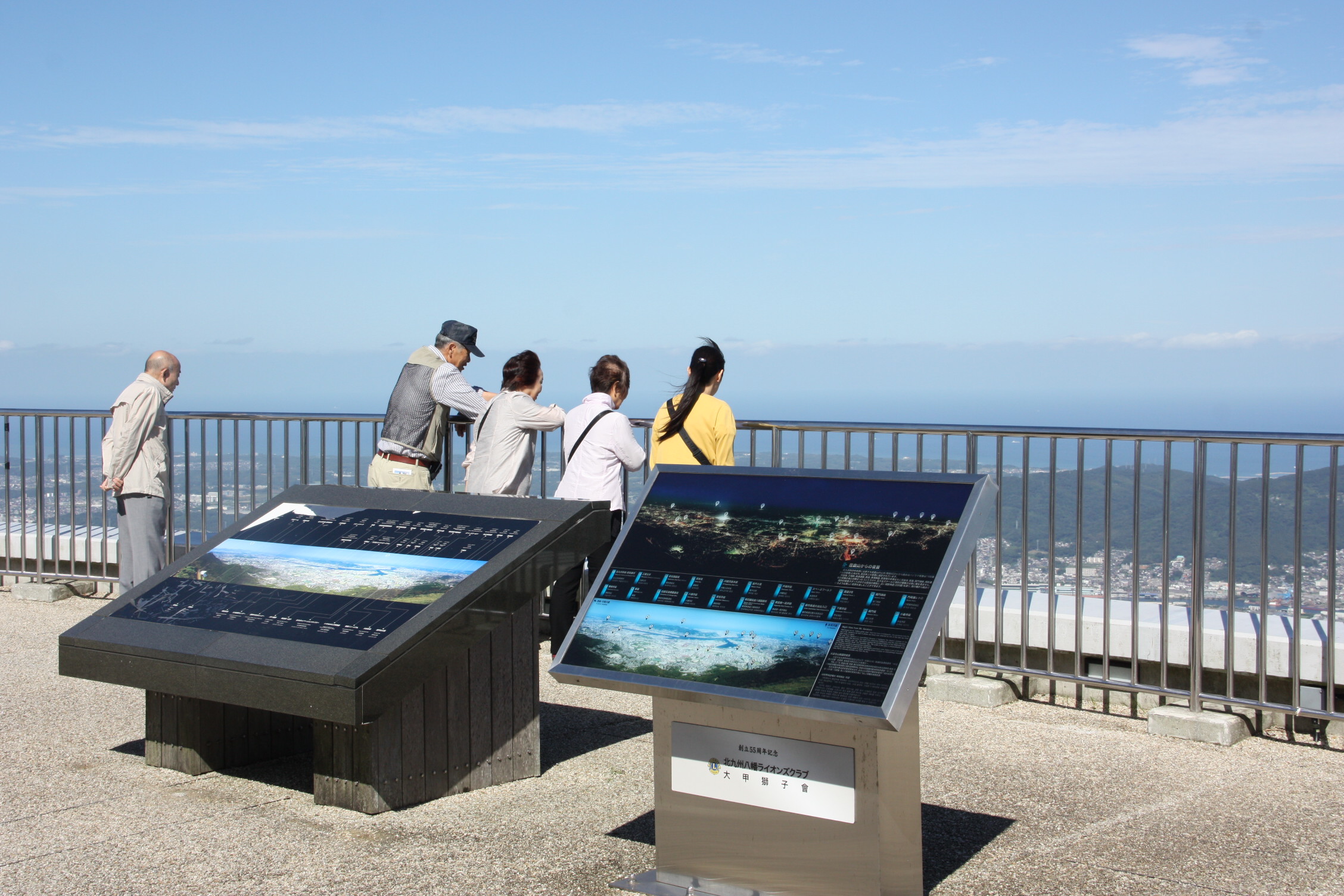
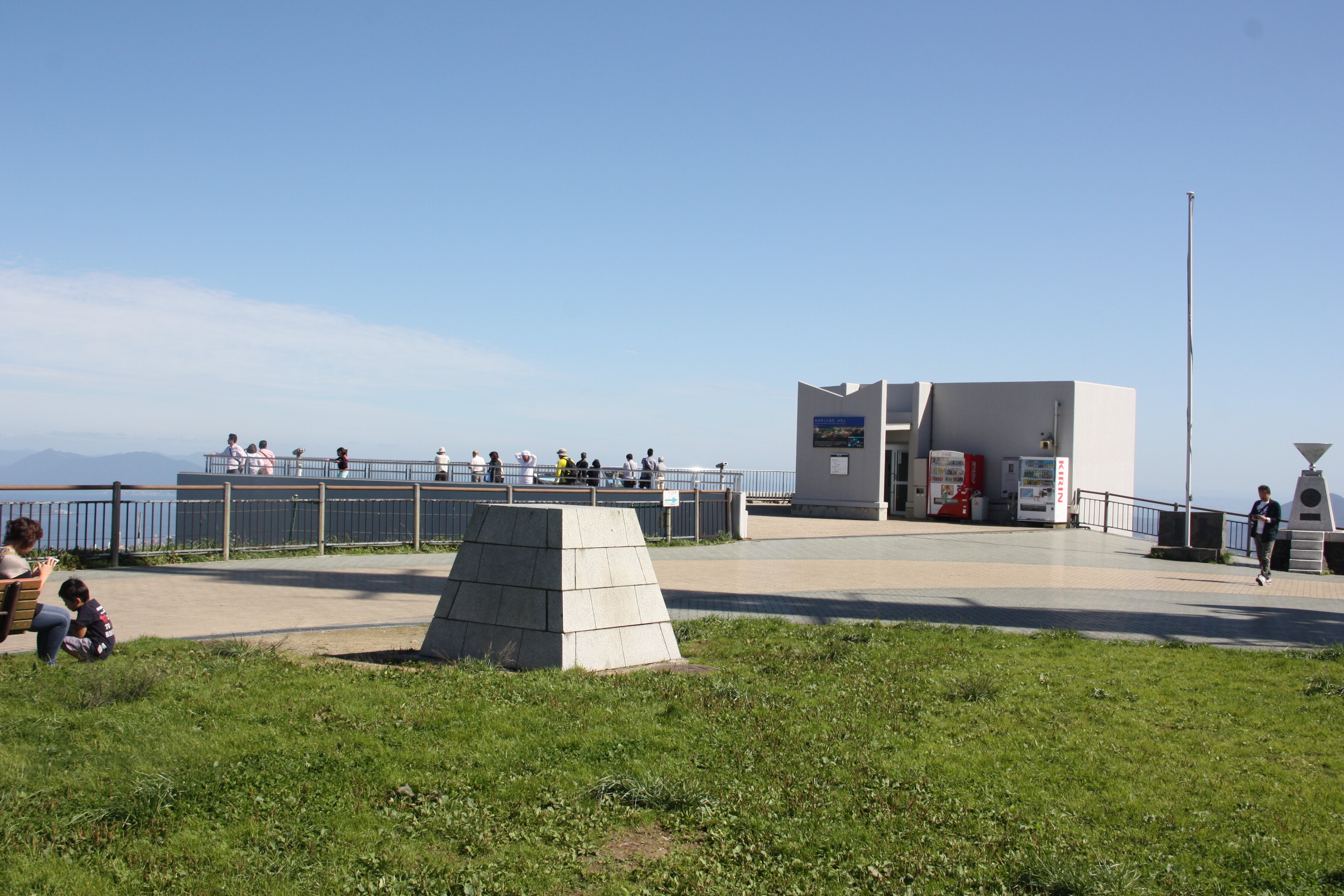
|
Munakata and Ashiya |
Yahata and Wakamatsu |
Tobata, Kokura and Moji |
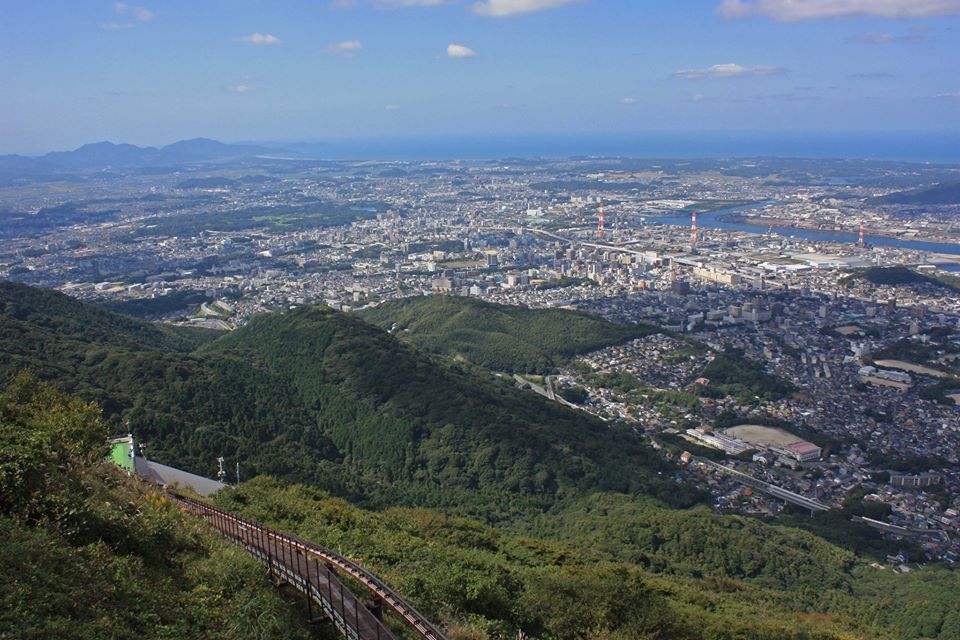
|
From the Cable car |
From the Cable car |
Kokura |
|
Higashida |
Wakato Bridge |
Kanmonkyo Bridge |
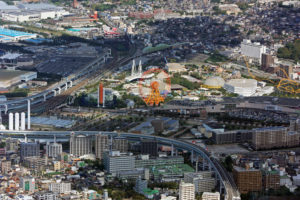
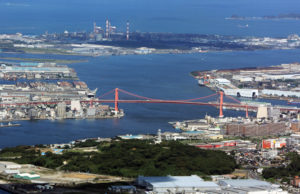
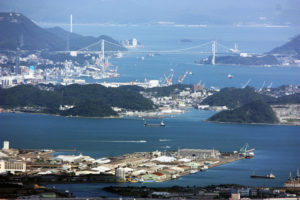
Nippon Steel / Yawata Works
|
Yahata area |
Tobata area |
Kokura area |
Access to the summit
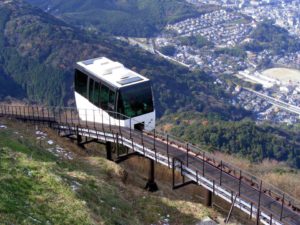
Easy access to the summit by using the Cable Car and Slope Car.
|
Cable car station |
Cable car |
Slope car |
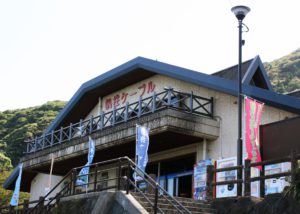
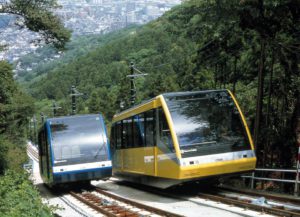
Cable car
The longest cable car in Kyushu, the total length is 1,100 metre from the Moutain-foot Station to
the Summit Station, connecting the elevation difference 440 metre in 5 minutes.
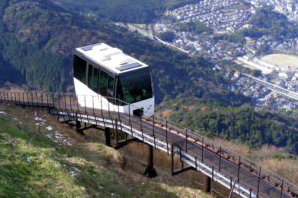
Slope Car
The self-drived monorail, the inclination angle of the rail changes while running, but the floor is
always kept horizontally by the hydraulic control system. connecting the the total length of
159 metre rail in 3 minutes from the Cable Car Top Station to the Summit.
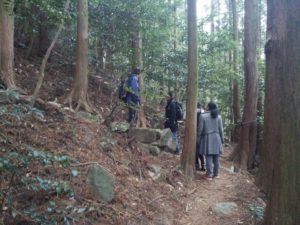
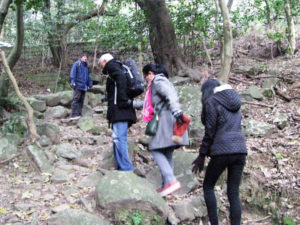
You can also enjoy a Trekking instead of using Cable car and Slope car.
It takes about one and half hours on foot to top of the mountain from the Cable Car Station.
 |
 |
 |
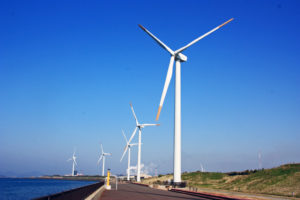
Environmental Future city Kitakyushu
Kitakyushu is the city of leading Global Environment
Kitakyushu-city has the long history of Environmental improvement since the pollution problem
experienced in 1960′. Now Kitakyushu-city is leading World environment as the Environmental
Future City selected by Japanese Government and also designated as the first ‘ Model City for
Green Growth ‘ in Asia by the Organization for Economic Co-operation and Development
(OECD) in 2011.
 |
 |
 |
The history of Environmental improvement
The History has commenced in 1901. The city once experienced the worst air pollution in Japan
and saw Dokai Bay turned into a “sea of death.” But it regained blue skies after overcoming its
pollution problem by the efforts of city, companies as well as the women’s association. Kitakyushu
City, once known as a “town of pollution,” now plays the role of the driving force in creating a
recycling-oriented society in Japan making use of the experience and know-how it accumulated
in the process of overcoming its pollution in order to provide international cooperation.
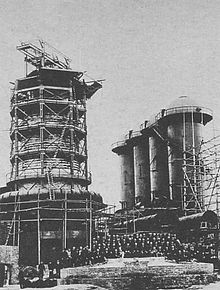
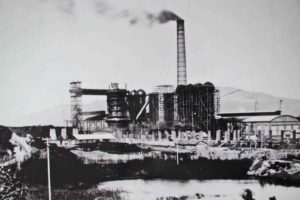
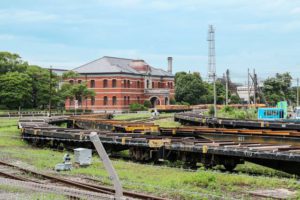
The city grew as an industrial city after the establishment of Yawata Steel Works in 1901.
It led Japan during the period of modernization and high economic growth with a focus
placed on heavy industry.
 |
 |
 |
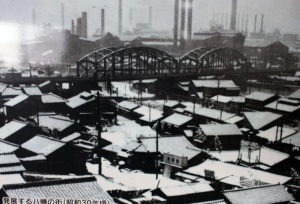
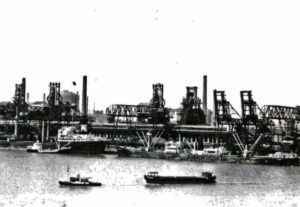
Back then, plumes of smoke coming out of the steelworks were referred to as “seven-colored
smoke” which was sung as part of the lyrics of the song of former Yahata City as it was regarded
as a symbol of prosperity. However, the prosperity of industries brought about severe pollution
and quite naturally the “seven-colored smoke” polluted the air and caused dust deposition.
 |
 |
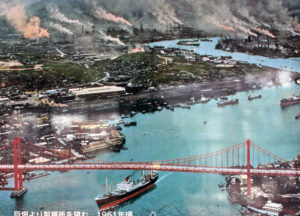 |
In the 1960s, air pollution in the Kitakyushu area was the worst in Japan and Dokai Bay was turned
into a “sea of death” due to effluent from factories. It was citizens who first noticed this problem of
pollution. The city started to hear the voices of its residents saying such things as, “my house is
becoming sandy” and “the laundry gets dirty” from around 1950.
The Women’s Association in Tobata area stood up, investigated the problem themselves and asked
the council, administration and companies to take measures against pollution. ‘I Want Blue Sky’, a
documentary film produced by the Tobata Women’s Association in 1965 was what symbolized the
citizens’ campaign calling for measures against pollution.
Pushed by the voices of its citizens, the Kitakyushu administration started to take action to grasp
the actual situation by measuring the level of air pollution. It then gave instructions and conducted
on-site inspections at these companies urging them to take measures to improve the situation.
Finally, the city concluded a pact on pollution prevention with each plant and established the Council
on Air Pollution Prevention made up of the city, Fukuoka Prefecture, then Regional Bureaus of
International Trade and Industry and about 30 companies in the city.
These companies responded by putting pollution control facilities in place as well as improving the
process of production.
In the meantime, the Air Pollution Control Act and Noise Regulation Act came into force in 1968 and
the following year, in 1969, a smog alert was issued for the first time in Japan. Fourteen pollution
control related bills passed the so-called ‘Pollution Diet’ in 1970. Thus, public concern towards
pollution problems grew high throughout Japan while in Kitakyushu, the city and companies worked
hand in hand to tackle the pollution problem which resulted in rapid improvement in the environment.
 |
 |
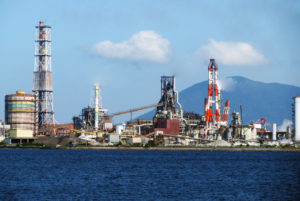 |
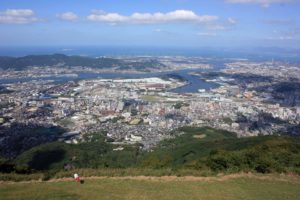
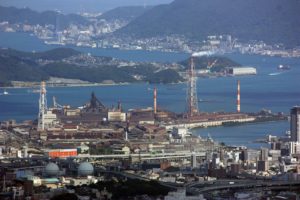
As a result, by around 1980, the blue sky came back to the town once covered with ‘ seven-colored
smoke.’ Furthermore, over 100 species of fish live in Dokai Bay which was once nicknamed the ‘sea
of death’ where not even bacteria could live. In 1985, the Organization for Economic Co-operation
and Development (OECD) introduced Kitakyushu in its White Paper on the environment as a city
that transformed itself from a ‘Gray Town’ into a ‘Green Town.’ Also the city was selected as one of
the ‘Starry Towns’ with a favorable atmospheric environment in the ‘Starry Town Contest’
held by the Environment Agency in 1987.
These initiatives by Kitakyushu City are highly recognized by the global society. In 1990, the city
received the ‘Global 500 Award’, which is given by the UN Environment Program (UNEP) to
individuals and organizations that combat environmental issues, and was the first local government
to win the Award in Japan. At the Earth Summit held in Rio de Janeiro, Brazil in 1992, Kitakyushu
City was honored with the ‘Local Government Honors Award. The city is the only local government
to win the Award in Japan.
 |
 |
 |
In addition, the initiative towards a better environment was enhanced and it started the sorted
collection of cans and bottles in 1993. In 1998, a system in which residents are obliged to use
designated plastic bags for municipal waste started. In 2001, ‘Kitakyushu Expo-Festival 2001’
with the environment as a theme was held at Higashida area, an idle land owned by Nippon
Steel Corporation, where infrastructure improvement work was going on based on the concept
of ‘Kitakyushu Renaissance. Then, the concept of a ‘Green Village’ in Yahata Higashida began
in 2003. Thus, efforts towards a better environment advanced further.
As mentioned above, Kitakyushu was recognized as the ‘Environmental Model City’ together with
12 other local governments in 2008. The ‘Kitakyushu Asian Center for Low Carbon Society’ was
opened in 2010, and in 2011 the city was selected as a ‘Environmental Future City’ and also as
the first ‘Model City for Green Growth’ in Asia by the Organization for Economic Co-operation and
Development (OECD).
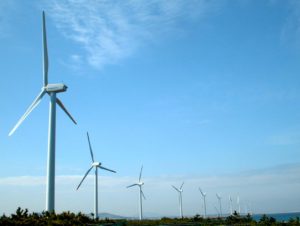
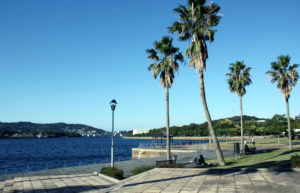
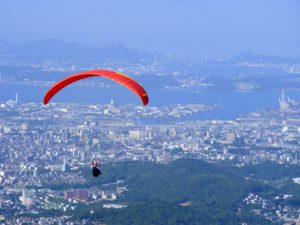 |
 |
 |
A new challenge as the driving force towards realizing a global low carbon society has started
in Kitakyushu City where Japanese industry started.
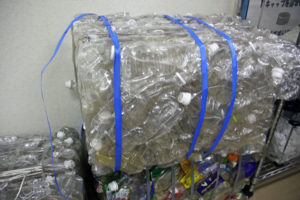
Plastic PET Bottle recycling
This Tourist information is created by Japan KYUSHU Tourist for enjoyment
of your travel. We are a Travel Agent in Fukuoka specializing in Kyushu.
When you have an idea or a plan for traveling in Kyushu, Japan, please contact
us by sending an Enquiry. Make an Enquiry
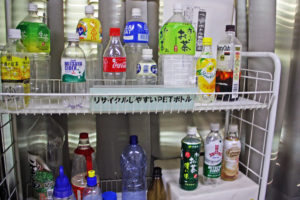
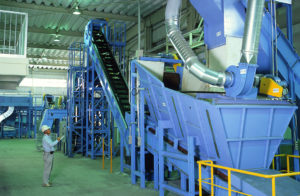
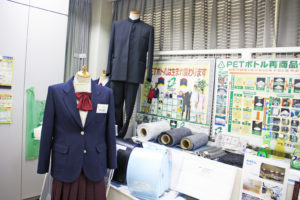
Plastic PET Bottle recycling by Nishi-Nippon PET Recycling. Based on the “Law for Recycling
of Containers and Packaging,” plastic (PET: polyethylene terephthalate) bottles are sorted by
municipalities and recycled into pellets/flakes, which can be used as raw materials for polyester
fibers, egg cartons.
 |
 |
 |
 |
 |
 |
General information
| Address | 1-62 Hibikimachi Wakamatsu, Kitakyushu-city, Fukuoka-prefecture |
| Access | A 30 minutes ride a vehicle from JR Kokura Station |
| Days of visit | Weekdays except Saturdays, Sundays and National Holidays |
| Fee | No visiting fee is required |
| Booking | Japan KYUSHU Tourist can arrange the tour |
 WhatsApp: Chat with us