
Shimabara Rebellion in 1637
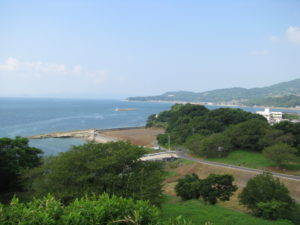
The site is located in Minami-Arima, Minami-Shimabara City. It was the primary
battlefield of the Shimabara Rebellion in 1637—a large-scale peasant uprising
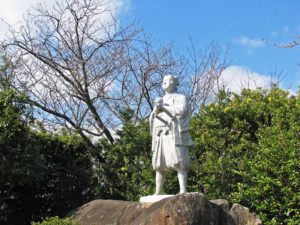
against the Shogunate’s persecution of Christians, led by the young leader
Amakusa Shiro.
 |
 |
。 |
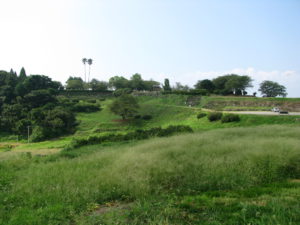
The castle was founded by Arima Takazumi in 1496. It was a flatland castle (hirajiro),
utilizing a natural fortress created by the cliffs facing the Ariake Sea and the rising tides.
The castle was abandoned after Matsukura Shigemasa, the feudal lord of Shimabara,
built Shimabara Castle following the downfall of the Arima family.
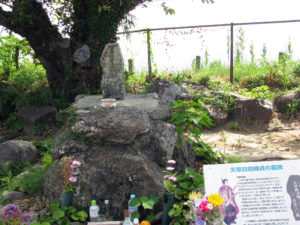
In 1637, Christian farmers rose in revolt, driven by their grievances against Shigemasa’s
brutal oppression. The Shogunate viewed this uprising as a Christian rebellion and
dispatched a punitive force. In response, the rebels entrenched themselves in the
abandoned Hara Castle, fighting against the Shogunate under the leadership of
Amakusa Shiro Tokisada.
 |
 |
 |
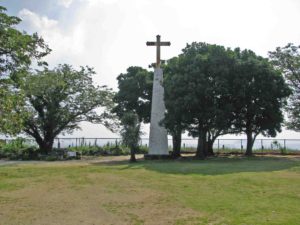
On February 27, 1638, Amakusa Shiro fell in battle, and the castle fell the following
day. All 37,000 Christians, including women and children, perished in the massacre.
In 2018, the site was registered as a UNESCO World Heritage Site as part of the
“Hidden Christian Sites in the Nagasaki Region.