
-
-
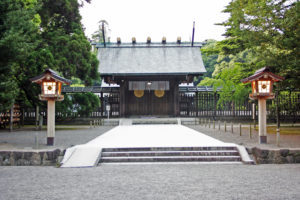
Miyazaki Shrine, in Miyazaki
2024/03/05
Shinto ShrineMiyazaki Shrine is the oldest and most important shrine in the city. Dedicated to Emperor Jimmu, the mythical first emperor of Japan, it is said to have been established over 2600 years ago. The shrine’s buildings, constructed of simple, unpainted cedar, sit in the center of a large, quiet forest. Festivals and other events such as horseback archery competitions (yabusame) are held during the year on the wide path under the trees.
-
-
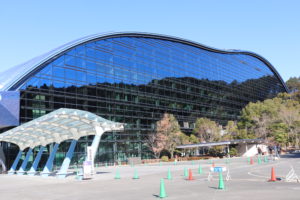
Kyushu National Museum, in Dazaifu
2024/03/05
Museums, Staff BlogKyushu National Museum was opened in 2005 in Dazaifu-city next to Dazaifu Tenmangu Shrine, as Japan’s fourth national museum after Tokyo, Kyoto and Nara. Dazaifu is the place where played important role as an administrative center and a center for trade with China and Korea since 1300 years ago, therefore the concept of the museum is decided “Interpreting the formation of Japanese culture from the perspective of Asian history”.
-
-
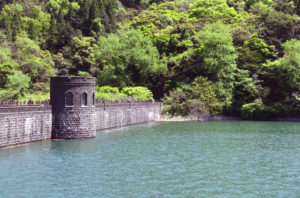
Kawachi Reservoir, in Kitakyushu-city
2024/03/05
Industrial HeritagesThe first-class civil construction heritage, the triggered the registration of World Cultural Heritage of Sites of Japan’s Meiji Industrial Revolution The Kawachi Reservoir was constructed for the industrial water supply to Yawata Steel Works. The dam was constructed at the Okura River and upper stream of the dam was expanded and making the 7milion cubic metre reservoir. In the construction of the dam, the unprecedented design in the world has been applied in order to harmonize with nature and to save the construction cost. The stones come out from the mountain when the river was expanded have been utilized for construction of the dam. All stones are cut into sizes and shapes by the stone technicians according to the place of use. The large size stone were used at the main construction of the dam and the small size stones were used for other places as per size and shape. Construction was started in 1919 and was completed in1927 by 900 thousand total number of workers.
-
-
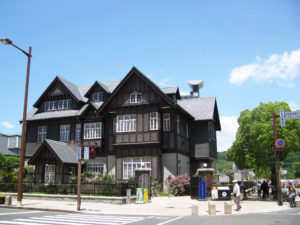
Mitsui Club
2024/03/05
Featured ArchitecturesDr. Albert Einstein who awarded Nobel Prize in Physics stayed here. It was built by the Mitsui Co., Ltd in 1921 as a reception centre and to provide accommodation for VIP’s. It is now designated as an important cultural property. Albert Einstein (1879-1955), one of the world’s most famous theoretical physicists, stayed here during his visit to Japan with his wife in 1922, and his room is displayed exactly as it was at that time.
-
-
Uminonakamichi Seaside Park
2024/03/05
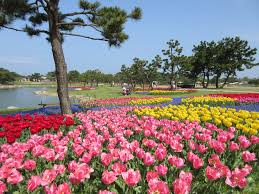
Flower GardenThe sprawling, family oriented public park located on a narrow peninsula across the bay from central Fukuoka. The park is made up of several different areas including flower gardens, playgrounds, an amusement park with ferris wheel, sports fields, a water park, a zoo and large open spaces and lawns perfect for picnicking.
-
-
Kuju Flower Park
2024/03/05
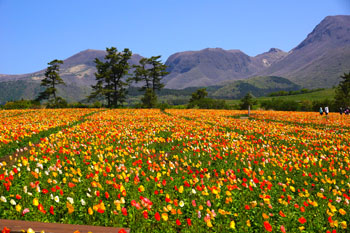
Flower GardenThe Park offers stunning seasonal displays of flowers set against beautiful mountain scenery. Over 3 million flowers in 500 different varieties from spring to late autumn. The park covers 49 acres of the beautiful Kuju plateau, the Kuju mountain range making a stunning alpine back drop and the sleeping Buddha of Mount Aso, a vista in the distance.
-

-
Cherry blossoms
2024/03/05
Flowers in JapanJapanese people have loved cherry blossoms since ancient times. The blooming of cherry blossoms signals the arrival of beautiful spring. In 2024, cherry blossoms in Kyushu will bloom from the end of March to the beginning of April. During that period, you can enjoy cherry blossoms in most places where you will visit in Kyushu.
-
-
Nokonoshima Island, in Fukuoka-city
2024/03/05
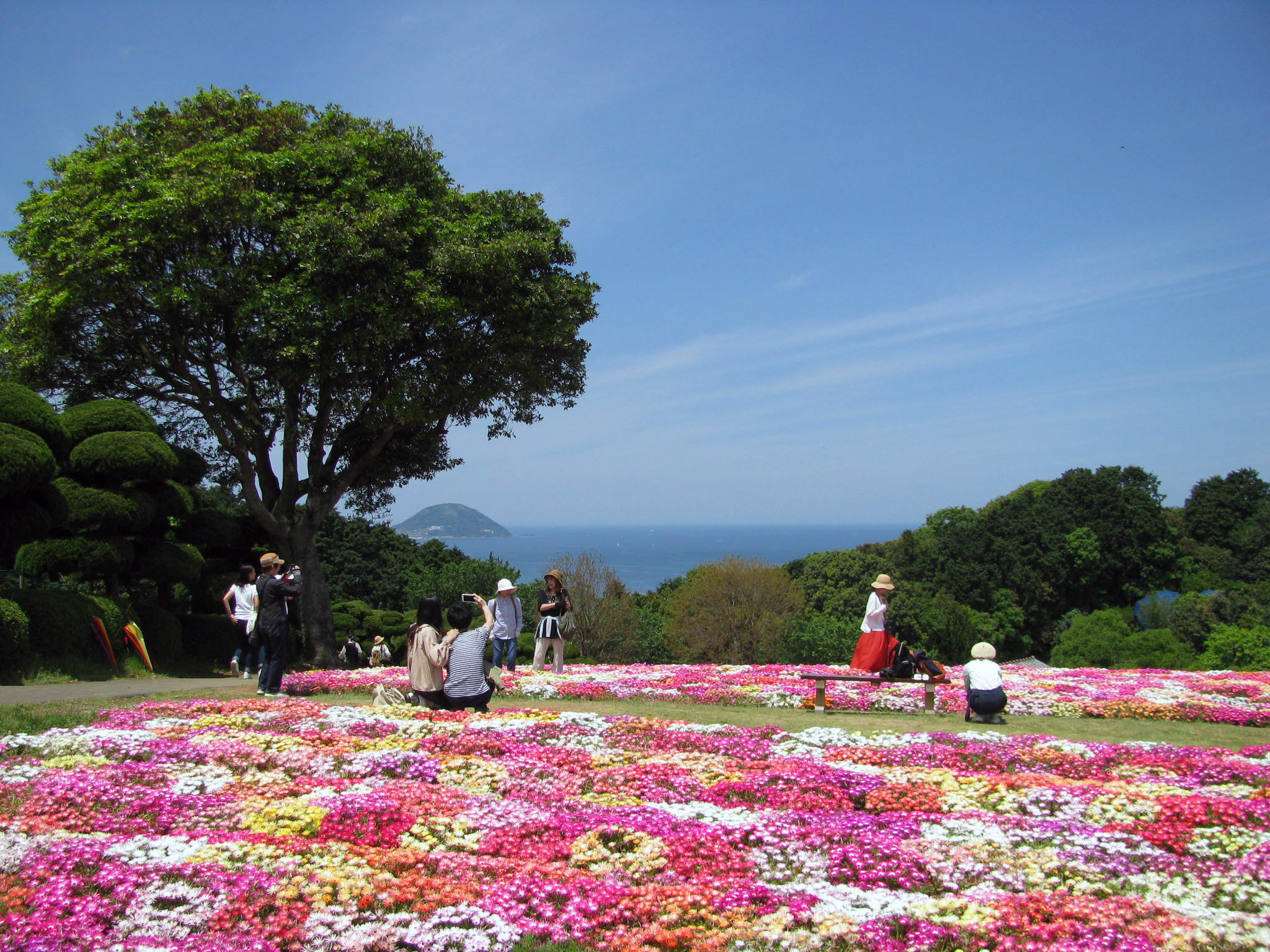
Flower GardenNokonoshima island, in the middle of Hakata Bay Beautiful flowers can be enjoyable throughout the year. Rapeseed blossom, Cherry blossom, Livingstone daisy Poppy, Rhododendro, Marigold, Hydrengea, Plumed cockscomb, Dahlia, Sunflower, Cockspur coral tree Bougainvillea, Scarlet sage, Cosmos, Dahlia, Autumn leaves, Scarlet sage, Japanese narcissus, Japanese camellia, Plum. Restaurant Sakimon, Barbecue house, Retro Shop Omoideya Shop Shimaya, Art Gallery Warabekan, Gift Shop. The breath taking panoramic view of the Hakata Bay can also be enjoyed.
-
-
Chrysanthemum
2024/03/05
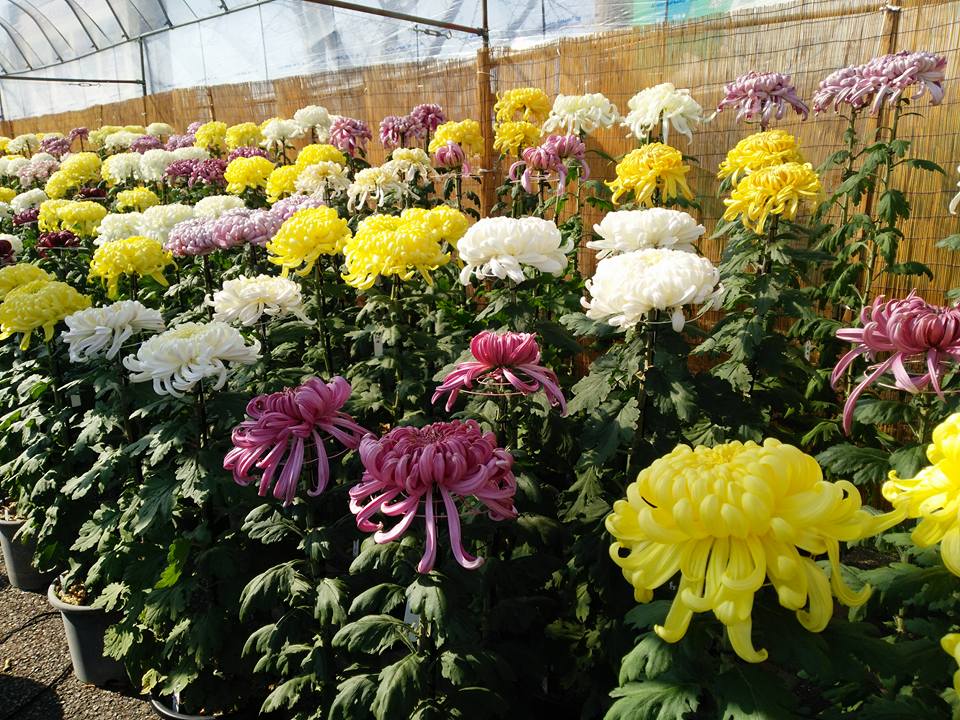
Flowers in Japan, Staff BlogChrysanthemum is a familiar flower to Japanese as the symbol of the Imperial Family and a symbol of longevity and rejuvenation. The Chrysanthemum exhibition is held annually in autumn from mid October to mid November in many shrines, temples and gardens throughout Japan.
-
-
Sake, Japanese alcoholic beverage
2024/03/05
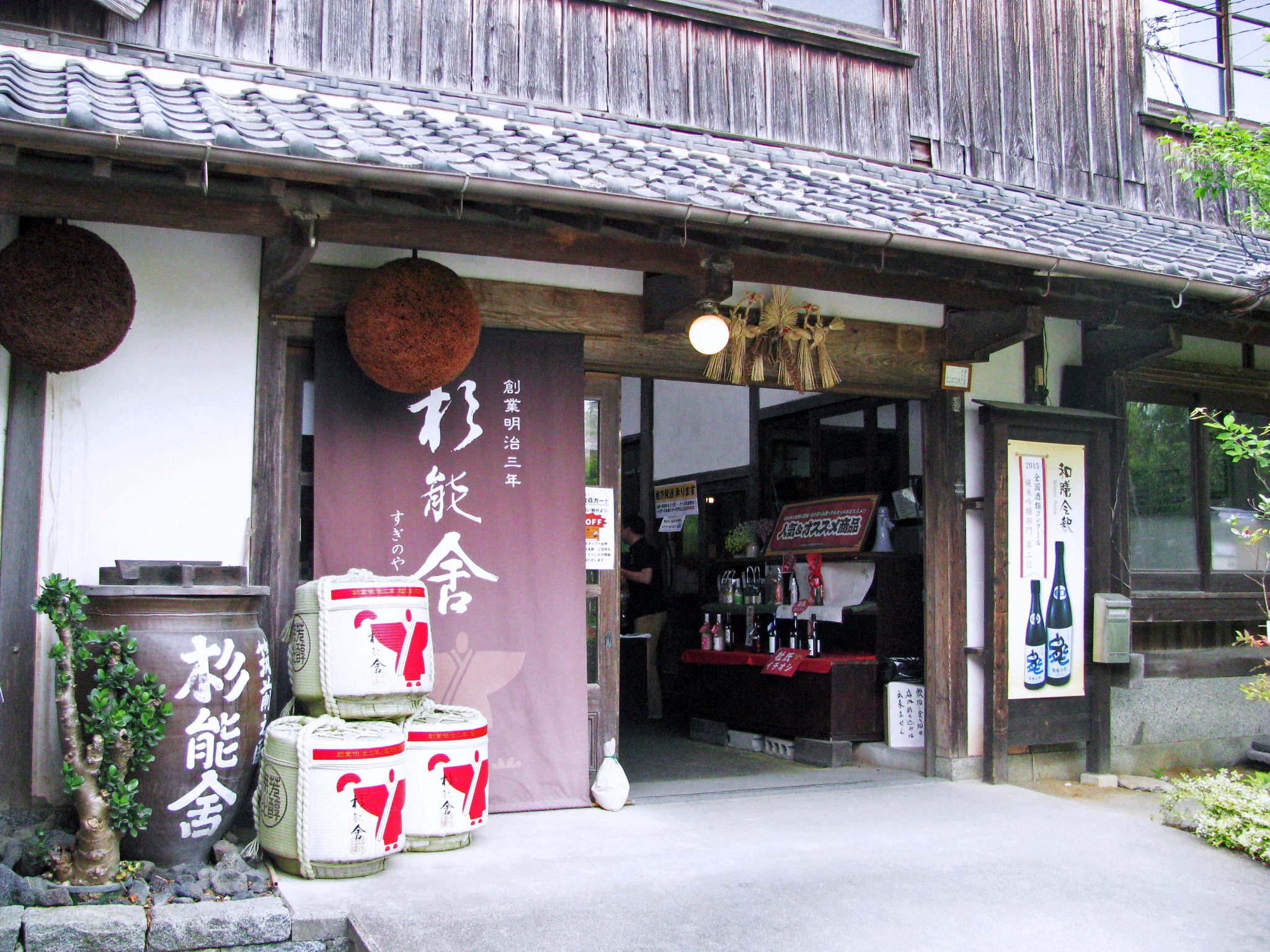
Featured things in JapanThere are a lot of Sake brewery where you can visit in Kyushu. Sake is an alcoholic beverage brewed from rice, koji mold and yeast. Its alcohol content ranges from 13% to 16% and its quality varies according to its fermentation processes. Depending on the season, it’s served warm or chilled, and it tastes good in either case. Sake produced in Japan is divided mainly into four categories, depending on the degree of rice milling. They are, Honjouzou-shu (sake with at least 30% of rice polished away and a little alcohol added), Junmai-shu (pure sake with no milling rate specified), Ginjou-shu (quality sake with at least 40% rice polished away), Daiginjou-shu (top-quality sake with at least 50% of rice polished away). In general, the more polished the rice grain is, the higher the grade of sake become. There are three important factors in sake brewing, quality rice, quality water, and master brewer’s expertise. Yamada-nishiki, which is famous as top-quality rice for sake brewing, is widely used to make quality sake such as Ginjou-shu. The second most important factor in sake brewing is quality of water, so sake breweries have been traditionally built where underground water is available. Since Japan is a mountainous and rainy country blessed with high quality water, sake brewing has been developed in many part of Japan including Kyushu. Finally, master brewer’s techniques and crucial. It …
 WhatsApp: Chat with us