
-
-
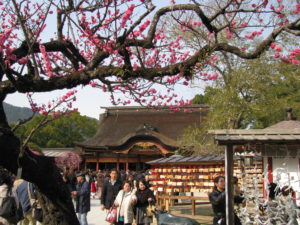
Kyokusui-no-en at Dazaifu Shrine
2024/03/09
Festivals and EventsThe festival is held on the first Sunday of March. Kyokusui-no-en is a Japanese traditional ceremony held at Dazaifu Tenmangu Shrine on the first Sunday of March, a purification ceremony on a winding stream, is performed by ladies and gentlemen in a ceremonial court robe under the plum blossoms in full-bloom. After the Tobiume-no-mai dance by shrine maidens, Kyokusui-no-En Festival begins. Vermilion-lacquered cups full of sake are set afloat down the stream. Before the cups reach each of the participants sitting along the stream, they have to make up a Japanese poem called waka, and write it down on a strip of fancy paper. When the cups reach the participants, they drink the sake and hand the paper strip and cup over to an attendant. The ceremony has its origin in a historical fact that Ono-no-Yoshifuru, an elder brother of a noted-calligrapher Ono-no-Tofu, held a ceremony to appease the soul of Michizane Sugawara and to beguile tedious hours in a rural life.
-
-
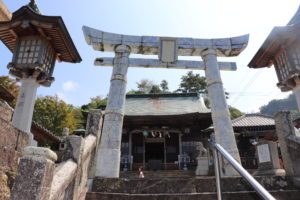
Sueyama Shrine, in Arita
2024/03/08
Shinto ShrineThe Sueyama Shrine is located in Arita Town, Nishimatsuura District. Feature of the Shrine is Shrine gate made by porcelain, and usually the Shrine gate are made of stone or wood. It is dedicated to Emperor Ōjin, Nabeshima Naoshige, and Yi Sam-pyeong. It was founded in 1658. The Shire gate or Torii was built in 1888. It had been designated Tangible Cultural Properties on April 28, 2000. The Yi Sam-pyeong Monument was built in 1917 to commemorate the 300th anniversary of Arita’s porcelain. It is on a hill, from which one can view Arita town.
-
-
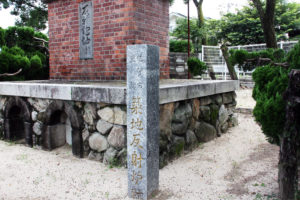
Tsukiji Reflectance Furnace, Saga
2024/03/08
Industrial HeritagesThis is the Japan’s first constructed Reflectance Furnace. In the late Edo period when the necessity of maritime defence increased, the Saga clan built the Tsukiji Reflectance Furnace for making cast iron-made Western cannons and completed in 1850. And then, the cast iron cannon was manufactured the first time in Japan in 1851. The reflectance furnace was greatly contributed for initial stage of Japan’s Industrial Modernization.
-
-
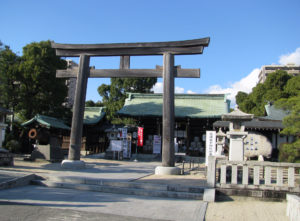
Saga Shrine, in Saga
2024/03/08
Shinto ShrineThe shrine is designated as the special government shrine. The shrine dedicated to Naomasa Nabeshima, who oversaw the manufacture of Japan’s first modern Cannon. A New Year event in which a canon is shot for celebration by the governor, mayor and other participants is held at the shrine at the midnight of December 31st.
-
-
Saga Castle History Museum, in Saga
2024/03/08
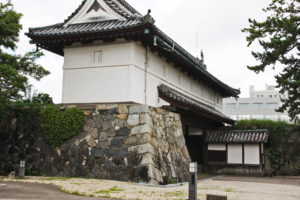
MuseumsJapan’s Industrial Modernization activity was started here. The largest restored wooden building in Japan at 2,500m2, the museum offers the unparalleled chance to experience a Japanese castle from more than 175 years ago.
-
-
Former Pattern Shop / Shipyard History Museum, in Nagasaki
2024/03/08
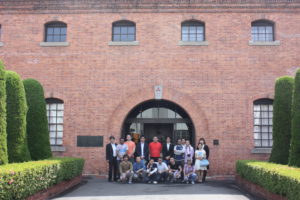
MuseumsThe Former Pattern Shop has been registered on UNESCO World Heritage as Sites of Japan’s Meiji Industrial Revolution. The Former Pattern Shop was built in 1898 to produce wooden patterns for castings and is the oldest factory building in the shipyard. It is a two-storied brick building with a timber roof truss. There is a U-shaped rail on the ceiling to transport materials. The building was refurbished to the Shipyard History Museum in 1985 and is open to the public.
-
-
Atomic Bomb Museum, in Nagasaki
2024/03/08
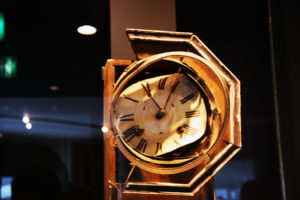
MuseumsAtomic Bomb Museum opened in Nagasaki Peace Park in 1996 as part of the 50th anniversary project for the Nagasaki atomic bombing. The museum replaced Nagasaki International Cultural Hall, where a number of artifacts related to the atomic bombing were exhibited. In addition to these artifacts, the museum exhibits a number of photograph that depict the devastation caused by atomic bomb showing the lead-up to this tragic day, the history of the development of nuclear arms and our desire for peace.
-
-
Sun Messe Nichinan, in Miyazaki
2024/03/07
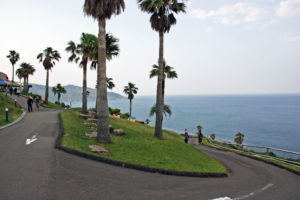
Amusement parks, Staff BlogJapan’s own replica of Moai Statues. Enjoy a breath taking panoramic view of the Pacific Ocean, the Sun Messe Nichinan has replicas of the Moai statues from the Easter Island placed here and there in the area. The Sun Messe Nichinan is the only place all over the world that has been permitted to replicate the Moai statues. There are restaurants and also tourist viewing areas inside the park.
-
-
Miyazaki Shrine, in Miyazaki
2024/03/05
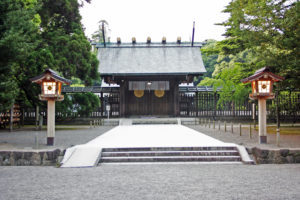
Shinto ShrineMiyazaki Shrine is the oldest and most important shrine in the city. Dedicated to Emperor Jimmu, the mythical first emperor of Japan, it is said to have been established over 2600 years ago. The shrine’s buildings, constructed of simple, unpainted cedar, sit in the center of a large, quiet forest. Festivals and other events such as horseback archery competitions (yabusame) are held during the year on the wide path under the trees.
-
-
Romon Gate, in Takeo
2024/03/07
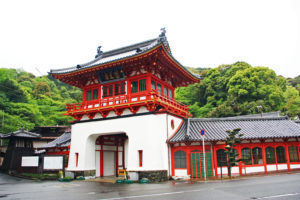
Featured ArchitecturesThe landmark of Takeo Onsen. Romon Gate, which was designed by a renowned architect in the Meiji Era, Kingo Tatsuno, and is at the entrance of the Onsen area. The gate has become the symbol of Takeo Onsen. In addition, there are some private bathrooms, which were built in the Edo Era in the joint bathhouses, they are called the “Tonosama Buro” (Lord’s Bath), because some important people had bathed there, such as the feudal lords of Nabeshima and Siebold. (Philip Franz von Siebold)
 WhatsApp: Chat with us