
-
-
Beginning of Japanese Christianity in 1550
2024/05/10
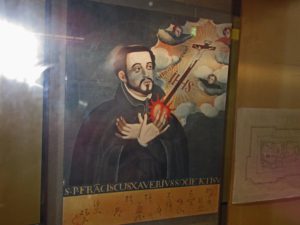
Japanese historyChristian missionary activities in Japan began after Francis Xavier came to Hirado in 1550. The Jesuit missionaries who accompanied Francis Xavier carried out missionary activities in Hirado, Omura, Nagasaki, Goto, Kuchinotsu, Shimabara, Iki, Amakusa, Bungo, etc. And then many people converted to Christianity. main missionaries; Cosme de Torres (Spanish), Juan Fernandes (Spanish), Luis de Almeida (Portuguese), Gaspar Vilela (Portuguese), Luis Frois (Portuguese), Melechor de Figueiredo (Portuguese), Alessandro Valignano (Italian)
-

-
Nagasaki Port opened in 1571
2024/05/05
Japanese historyNagasaki is Japan’s first international city with a history of trading with many countries since Nagasaki port opened to Portugal in 1571. Afterwards, artificial islands such as Dejima in 1636 and Shin Jizo (near present-day Chinatown) were built in 1702, and greatly contributed as trading port place only in Japan during the period of national isolation.
-
-
Kentoshi, envoy to Tang Dynasty from 630 to 894
2024/05/15
Japanese historyKentoshi is the Japanese envoy to China during the Tang Dynasty, and was held 20 times from 630 to 894. The purpose was to collect the advanced technology, political system, and culture of the Tang Dynasty, as well as Buddhist scriptures. The envoy’s route to Tang Dynasty departed from Osaka, passed through the Seto Inland Sea, and headed for Tang from Hakata Port. The mission consists of the ambassador, his emissaries, an entourage of international students, monks and others.. Groups ranged in size from 240 to 250 people to more than 500 people. The envoys greatly contributed to introduce Tang culture and systems and Spread of Buddhism to Japan. Many cultures and Buddhism spread throughout Japan from Hakata, which was the gateway for the envoys sent to China. Therefore, there are many temples in Hakata.
-
-
Society of Edo period from 1603
2024/05/03
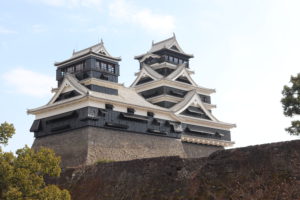
Japanese history, Staff BlogThe Edo period began in 1603 by Shogun Tokugawa Ieyasu who won the Battle of Sekigahara and lasted for 260 years until 1868. The Tokugawa shogun granted territory to feudal lords throughout Japan and controlled from Edo (current Tokyo). The Tokugawa shogunate established many rules to prevent civil wars among feudal lords and maintain a stable government. Samurai laws; feudal lords were prohibited from repairing their castles or getting married without permission from the shogunate. Sankin Kotai : the party of feudal lords should visit Edo with own expense every two years for preventing rebellion. Establishment of Class system : classify samurai, farmer and merchant Ban on Christianity The emperor became a symbol of traditional authority, delegating government to the shogun.
-
-
Dazaifu was the western capital of Japan from 7th century
2024/05/13
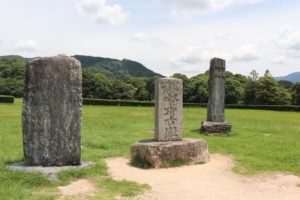
Japanese historyFrom the late 7th century to the late 12th century, Dazaifu was the western capital of Japan and controlled Kyushu as an administrative institution. Geographically, it served as the front line of Japan’s diplomacy and defense, as well as it is gate way to the Asian continent. Dazaifu Tenmangu Shrine was built in 919 and Dazaifu is now Fukuoka most important tourist destination with more than 8.5 million tourists visiting annually.
 WhatsApp: Chat with us