
-
-
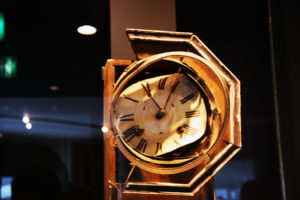
Atomic Bomb Museum, in Nagasaki
2024/03/08
MuseumsAtomic Bomb Museum opened in Nagasaki Peace Park in 1996 as part of the 50th anniversary project for the Nagasaki atomic bombing. The museum replaced Nagasaki International Cultural Hall, where a number of artifacts related to the atomic bombing were exhibited. In addition to these artifacts, the museum exhibits a number of photograph that depict the devastation caused by atomic bomb showing the lead-up to this tragic day, the history of the development of nuclear arms and our desire for peace.
-
-
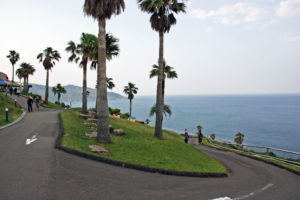
Sun Messe Nichinan, in Miyazaki
2024/03/07
Amusement parks, Staff BlogJapan’s own replica of Moai Statues. Enjoy a breath taking panoramic view of the Pacific Ocean, the Sun Messe Nichinan has replicas of the Moai statues from the Easter Island placed here and there in the area. The Sun Messe Nichinan is the only place all over the world that has been permitted to replicate the Moai statues. There are restaurants and also tourist viewing areas inside the park.
-
-
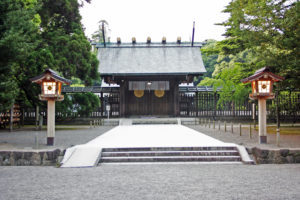
Miyazaki Shrine, in Miyazaki
2024/03/05
Shinto ShrineMiyazaki Shrine is the oldest and most important shrine in the city. Dedicated to Emperor Jimmu, the mythical first emperor of Japan, it is said to have been established over 2600 years ago. The shrine’s buildings, constructed of simple, unpainted cedar, sit in the center of a large, quiet forest. Festivals and other events such as horseback archery competitions (yabusame) are held during the year on the wide path under the trees.
-
-
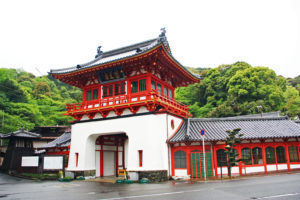
Romon Gate, in Takeo
2024/03/07
Featured ArchitecturesThe landmark of Takeo Onsen. Romon Gate, which was designed by a renowned architect in the Meiji Era, Kingo Tatsuno, and is at the entrance of the Onsen area. The gate has become the symbol of Takeo Onsen. In addition, there are some private bathrooms, which were built in the Edo Era in the joint bathhouses, they are called the “Tonosama Buro” (Lord’s Bath), because some important people had bathed there, such as the feudal lords of Nabeshima and Siebold. (Philip Franz von Siebold)
-

-
Mifuneyama-rakuen Garden, in Takeo
2024/03/07
Japanese gardenBeautiful Japanese Garden, located in the south-western foot of Mifuneyama. Construction of the garden took about 3 years and completed in 1845, the area is about 5ha. The dynamic cliffs of Mifuneyama Mountain can be seen from the garden.
-
-
Hibikinada Biotope, in Kitakyushu City
2026/01/26
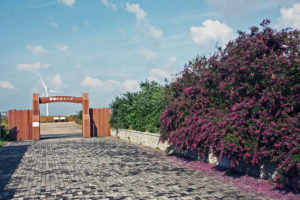
Discover the Natural Wonders of KyushuJapan’s Largest Biotope This “Creatures’ Paradise” was established over many years on a former waste disposal site. Spanning 41 hectares, the biotope is home to 237 confirmed bird species—including the Eastern Marsh Harrier (Circus spilonotus), which is listed as an endangered species in Japan—as well as 284 types of vegetation.
-
-
First Head office of the Steel Works, in Kitakyushu-city
2024/03/07
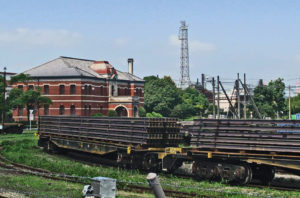
Industrial HeritagesThe the building for the Head office of the Imperial Steel Works was constructed in 1899, two years before commencement of Japan’s Steel Industry. The design of the building is a harmony of European and Japanese architectural styles. The construction of the structure below the roof is a European style and uses red bricks for the outside walls. Aiming to symbolize a Good future for Japan, the roof was designed with a traditional Japanese triangular shape and Japanese tiles were used to complete the roof. The building was initially used as a Head office until 1922, however with the expansion of production facilities, the Head Office was moved to another place due to lack of space. After that, the building was used for various purposes such as a Research and Developing Center for Steel Products.
-
-
Kurogane Railway, in Kitakyushu-city
2024/03/07
Industrial HeritagesDedicated Railway for Yawata Steel Works. The railway connected between Yawata and Tobata, construction work took three years, and completed in 1930. The most difficult and hard work was making Miyatayama tunnel with a total length of 1180 m due to suffering from floods. The gates of the Miyatayama tunnel are decorated with stately designs.
-
-
Onga River Pump Station, in Nakama
2024/03/07
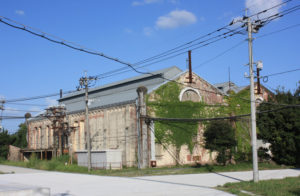
Industrial HeritagesBuilt in 1910 on the east bank of the Onga River. It served, and still serves, to deliver industrial water to Yawata via an 11.4 km pipeline. This supply is integral to the steel production process and was necessary to cope with the 1st phase expansion of the Imperial Steel Works. The site has been registered on the UNESCO World Heritage, Sites of Japan’s Meiji Industrial Revolution
-
-
Minami Kawachi-bashi bridge, in Kitakyushu-city
2024/03/07
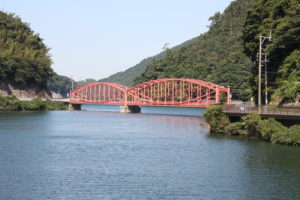
Industrial HeritagesThe only remaining lenticular truss bridge in Japan ( lens type truss bridge), located at the south side of Kawachi Reservoir and it was designed by Hisanori Numata and completed in 1926. This shape and color really harmonize with nature and become a symbol of the Iron town Yahata.
 WhatsApp: Chat with us