
-
-
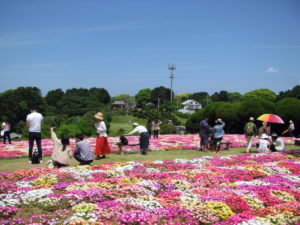
Nokonoshima Island, in Fukuoka-city
2024/02/26
Staff BlogNokonoshima, in the middle of Hakata Bay Beautiful flowers can be enjoyable throughout the year. Rapeseed blossom, Cherry blossom, Livingstone daisy Poppy, Rhododendro, Marigold, Hydrengea, Plumed cockscomb, Dahlia, Sunflower, Cockspur coral tree Bougainvillea, Scarlet sage, Cosmos, Dahlia, Autumn leaves, Scarlet sage, Japanese narcissus, Japanese camellia, Plum. The breath taking panoramic view of the Hakata Bay can also be enjoyed. Restaurant Sakimon, Barbecue house, Retro Shop Omoideya Shop Shimaya, Art Gallery Warabekan, Gift Shop. A 10 minutes ride the ferry from Meinohama part to Nokonoshima island port, and then a 13 minute ride the Nishitetsu bus from Nokonoshima island port to Island Park.
-

-
Amakusa Gokyo, built in 1966
2024/01/12
Japanese historyAmakusa Gokyo or Amakusa five bridges, is a general term for five bridges which connects from Misumi at the Udo peninsula to the Oyano island, the Nagaura island, Ikejima, Maejima, and Amakusa Kamishima, was built in 1966. The area on the National road route 266 called as the Pearl Line. Panoramic View First Bridge Second Bridge Third Bridge Fourth Bridge Fifth Bridge
-
-
The 26 Martyrs Museum
2024/02/26
● Christian Pilgrimage sitesThe 26 Martyrs Museum is dedicated to the 26 Christians who were executed here on February 5, 1597. They included both foreign missionaries and Japanese laymen. Missionary activities were prohibited at the time, and Japan’s ruler Toyotomi Hideyoshi staged the execution as a warning. The monument is located in a small park on a hill not far from Nagasaki Station and offers nice views over the city. A straight red line runs from the Monument across the park’s plaza in the direction of the Oura Cathedral on the opposite side of the city. Oura Cathedral is also dedicated to the 26 martyrs. The museum behind the monument is devoted to the memory of the martyrs and to Christianity in Japan in general. Its interior is reminiscent of a church with stained-glass windows, making for atmospheric viewing of the exhibits. On display are artifacts related to Christianity in Japan, including old documents, statues and jewelry.
-
-
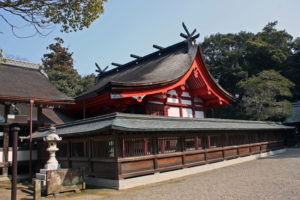
Okinoshiam and Associated site in Munakata registered on World Hetitage in 2017
2024/01/07
Japanese historyThe island of Okinoshima is located in the Genkai sea between Japan and Korea, As even landing on the island has been prohibited, the strict taboos have preserved archaeological ritual sites on the island almost intact over a millennium.In three shrines of Munakata Taisha, located in the islands of Okinshima, Oshima and Kyushu. From Okitsu-miya Yohaisho on Oshima, we can worship Okinoshima from afar. And Shimbaru-Nuyama Mounded Tomb Group is the evidence of people who nurtured the tradition of worshipping the sacred island. Location of the sites are Munakata, Fukutsu, and Oshima.
-
-
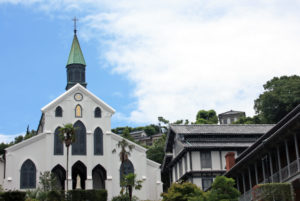
Hidden Christian sites registered on World Heritage in 2018
2024/01/01
History of Japanese ChristianityHidden Christian sites in Nagasaki regions is registered on UNESCO’s World Heritage in 2018. Japanese Christianity has a long history of continuing faith while coexisting with Japanese traditional religion Shinto and General society. Japan’s unique practice of the Christian faith continued even during the ban on Christianity. Hidden Christian Site in Nagasaki, Shimabara , Hirado and Amakusa Regions bear unique testimony to the tradition of people and their communities who secretly transmitted their faith in Christianity while surviving in the midst of the conventional society and its religions during the time of prohibition.
-
-
Hidden Christian sites registered on World Heritage in 2018
2024/01/05
Japanese historyHidden Christian sites in Nagasaki regions is registered on UNESCO’s World Heritage in 2018. Japanese Christianity has a long history of continuing faith while coexisting with Japanese traditional religion Shinto and General society. Japan’s unique practice of the Christian faith continued even during the ban on Christianity. Hidden Christian Site in Nagasaki, Shimabara , Hirado and Amakusa Regions bear unique testimony to the tradition of people and their communities who secretly transmitted their faith in Christianity while surviving in the midst of the conventional society and its religions during the time of prohibition.
-
-
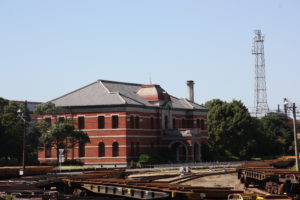
Japan’s Meiji Industrial Revolution registered on World Heritage in 2015
2024/01/08
Japanese historyJapan’s Meiji Industrial Revolution sites registered on UNESCO World Heritafe in 2015 Iron and Steel, Shipbuilding and Coal Mining are a group of historic sites that played an important part in the industrialization of Japan in the Bakumatsu during National isolation period and Meiji periods, and are part of the industrial heritage of Japan. The UNESCO World Heritages consist of eight areas with thirty component sites located throughout Japan from Northern part Tohoku to Kyushu. Kyushu has 5 areas with 16 sites as follows; ・Kitakyushu : 4 sites for Iron and Steel ・Miike (Omuta, Arao and Misumi) : 3 sites for Coal Mining ・Saga : 1 site for Shipbuilding ・Nagasaki : 5 sites for Shipbuilding and Coal Mining ・Kagoshima : 3 sites for Iron and Steel
-
-
Kujukushima Islands
2026/04/03
Sasebo travel guideKujukushima Islands, located at the westernmost tip of the Japanese mainland in Kyushu, are a picturesque scenic spot consisting of a complex ria coastline and 208 large and small islands. There are only four inhabited islands: Kuroshima, Takashima, Maejima, and Todomari Island, and almost the entire area was designated as the Saikai National Park in 1955. There is Kujukushima Islands pleasure boat, departing from Kujukushima Pearl Sea Resort.
-
-
Hiraodai Karst Plateau & Caves, in Fukuoka Prefecture
2026/01/27
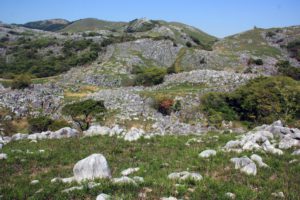
Discover the Natural Wonders of KyushuHiraodai Karst Plateau & Caves is located in Kitakyushu City, Fukuoka Prefecture. It is one of the three largest karst plateaus in Japan, situated at altitudes between 400 and 600 meters above sea level. The plateau stretches 6 km from north to south and 2 km from east to west. Yougunbaru was so named because the limestone rocks scattered across the vast meadow resemble a flock of sheep. Along with dolines (conical hollows) and limestone caves, they create a truly distinctive landscape. The plateau offers a unique view in each of the four seasons: the dramatic “burnt field” (Yamayaki) in spring, fresh and vibrant greenery in early summer, and the serene, dry plains of autumn. Limestone Caves There are three main limestone caves in the Hiraodai Karst Plateau, each offering its own unique features. Among them, the Senbutsu Limestone Cave is the most prominent. Senbutsu Limestone Cave As the largest cave in the Hiraodai Karst Plateau, it extends approximately 900 meters, meandering toward the northeast. The cave is characterized by its narrow, ravine-like shape, with a maximum width of 10 meters and a ceiling reaching up to 15 meters in height. Mejiro Limestone Cave This is the longest cave in the Hiraodai Karst Plateau, stretching over 2 km in total length. The highlight of this cave …
-
-
Kujukushima Islands, in Sasebo, Nagasaki Prefecture
2024/09/22
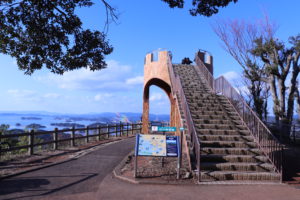
Discover the Natural Wonders of Kyushu, Staff BlogKujukushima Islands, located at the westernmost tip of the Japanese mainland in Kyushu, Sasebo, Nagasaki-prefecture. There are a picturesque scenic spot consisting of a complex ria coastline and 208 large and small islands. There are only four inhabited islands: Kuroshima, Takashima, Maejima, and Todomari Island, and almost the entire area was designated as the Saikai National Park in 1955. There is Kujukushima Islands pleasure boat, departing from Kujukushima Pearl Sea Resort.
 WhatsApp: Chat with us