
-
-
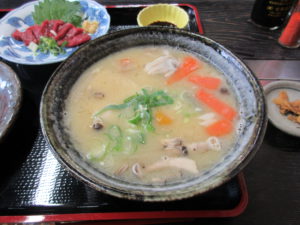
Variety of local cuisines in Aso and Kumamoto
2024/01/06
Japanese cuisine, Staff BlogDago-jiru, Takana-meshi and Basashi Dago-jiru Soup cuisine used dumpling (dago) made by rolling flour, and also a lot of ingredients are included such as vegetables and meat. Takana-meshi (rice) Made by frying Takana (Cruciferous leafy vegetables) chopped in oil and mixing it thoroughly with freshly cooked rice Basashi Kumamoto’s local dish of thinly sliced horse meat
-

-
Meiji Restoration in 1868
2024/03/31
Japanese historyIn 1868, Meiji Restoration, the most important event in Japanese history, which heralded a new era of modernization in Japan. This revolution restored the imperial rule to Japan after more than 250years of Tokugawa Shogunate.
-

-
Michino-eki, 道の駅
2024/01/05
Featured things in Japan, Staff BlogMichino-eki means Road Station in Japan and provides places for travellers to rest, they are intended to promote local tourism and trade. There are local shops such as agricultural products (fruits, vegetables, flowers etc. ) , seafood, snacks, souvenirs and other goods. And also, some Michino-eki has reataurants.
-
-
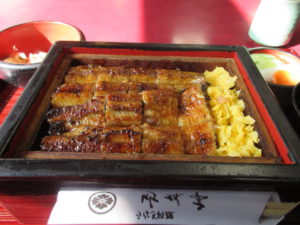
Eel cuisne, Unagino seiro-mushi, 鰻のせいろ蒸し
2024/01/03
Japanese cuisine, Staff BlogThe eel cuisine created in Yanagawa. The grilled eel is placed on the rice sprinkled with special sauce and steamed in a bamboo steamer. Each restaurant has own special sauce.
-
-
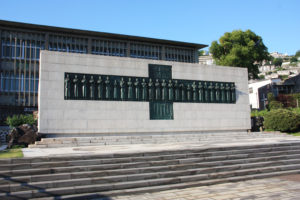
26 Saints are the first martyrs in Japan
2024/01/04
History of Japanese Christianity, Staff Blog26 Christians arrested in Kyoto who were consisted of 20 Japanese, 4 Spaniards, 1 Mexican, and 1 Portuguese. They were forced to walk barefoot to Nagasaki for about a month. On February 5, 1597, all 26 Christians arrived at Nishizaka and were tied to Crosses. Paul Miki said from the Cross All of you who are here, please listen to me. I did not com from the Philippines, I am a Japanese by birth, and a brother of the Society of Jesus. I have committed no crime, and the only reason why I am put to death is that I have been teaching the doctrine of our Lord Jesus Christ. I am very happy to die for such cause, and see my death as great blessing from the Lord. At this critical time, when you can rest assured that I will not try to deceive you, I want to stress and make it unmistakably clear that man can find no way to salvation other than the Christian way. The Christian law commands that we forgive our enemies and who have wronged us. I must therefore say here that I forgive Taikosama (Hideyoshi). I would rather have all the Japanese become Christians. (From Luis Frois’s Martyrs Records, 1597) Jan. 4, 2024
-
-
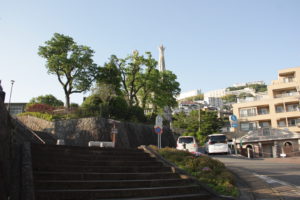
Causes of the Martyrdom of 26 Saints
2023/12/31
History of Japanese Christianity, Staff BlogIn 1596, the Spanish ship San Felipe, heading from the Philippines to Mexico, washed ashore on the Tosa-Urato coast due to a typhoon. Shogun Toyotomi Hideyoshi confiscated the ship’s vast cargo. At that time, the navigator said that Spain first send Christian missionaries to increase the number of believers, and then eventually conquer the country. When Toyotomi Hideyoshi heard this, he was shocked and ordered the capture of Spanish Franciscan missionaries who were actively carrying out missionary activities in Kyoto. Then, he ordered Ishida Mitsunari to execute Franciscan missionaries and Christians. This was the beginning of the Martyrdom of 26 Saints in Nagasaki on February 5, 1597. Dec. 31, 2023
-
-
Kentoshi, envoy to Tang Dynasty from 630 to 894
2024/05/15
Japanese historyKentoshi is the Japanese envoy to China during the Tang Dynasty, and was held 20 times from 630 to 894. The purpose was to collect the advanced technology, political system, and culture of the Tang Dynasty, as well as Buddhist scriptures. The envoy’s route to Tang Dynasty departed from Osaka, passed through the Seto Inland Sea, and headed for Tang from Hakata Port. The mission consists of the ambassador, his emissaries, an entourage of international students, monks and others.. Groups ranged in size from 240 to 250 people to more than 500 people. The envoys greatly contributed to introduce Tang culture and systems and Spread of Buddhism to Japan. Many cultures and Buddhism spread throughout Japan from Hakata, which was the gateway for the envoys sent to China. Therefore, there are many temples in Hakata.
-
-
Gyudon, 牛丼
2023/12/31
Japanese cuisine, Staff BlogGyudon is a Japanese dish in which thinly sliced beef and onions are simmered in sweet and spicy sauce such as soy sauce and placed on top of a bowl of rice. The menu on the photo is Gyudon, shijimi kai (fresh water clam) soup and salad at the restaurant Sykiya which is Gyudon Chain restaurant.
-
-
Fruits picking in Chikugo region, Fukuoka-prefecture
2024/08/02
Off the beaten pathThe Chikugo Plain, where spreads along the Chikugo River basin, is the most prosperous agricultural region in Fukuoka-prefecture. In particular, Asakura, Ukiha, and Tanushimaru are cultivated with a wide variety of fruits. You can enjoy fruit picking all year round. Strawberry : all year round Grape : August to beginning of October Pear : August to beginning of October Persimmon : Middle of October to beginning of December Apple : August to December
-
-
Society of Edo period from 1603
2024/05/03
Japanese history, Staff BlogThe Edo period began in 1603 by Shogun Tokugawa Ieyasu who won the Battle of Sekigahara and lasted for 260 years until 1868. The Tokugawa shogun granted territory to feudal lords throughout Japan and controlled from Edo (current Tokyo). The Tokugawa shogunate established many rules to prevent civil wars among feudal lords and maintain a stable government. Samurai laws; feudal lords were prohibited from repairing their castles or getting married without permission from the shogunate. Sankin Kotai : the party of feudal lords should visit Edo with own expense every two years for preventing rebellion. Establishment of Class system : classify samurai, farmer and merchant Ban on Christianity The emperor became a symbol of traditional authority, delegating government to the shogun.
 WhatsApp: Chat with us