
Sushi
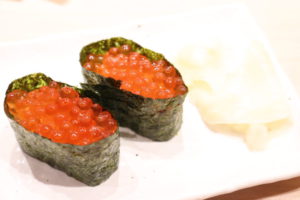
Sushi is a popular Japanese dish consisting mainly of seafood on top of vinegared rice.
Sushi has a wide variety of toppings, and you can enjoy sushi according to the season.
Sushi dining in Japan spans a diverse spectrum, catering to every occasion—whether
it be an exquisite omakase experience at a luxury counter, a casual neighborhood spot,
or a fun and budget-friendly conveyor-belt restaurant.
There is a wide variety of sushi dining options to suit your preference
High-end Sush
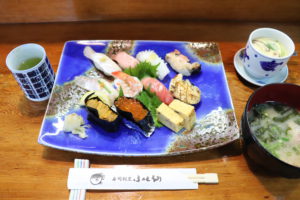
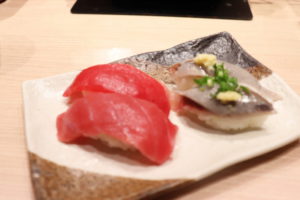
Exquisite “Omakase” dining where master chefs prepare the finest seasonal catches.
 |
 |
 |
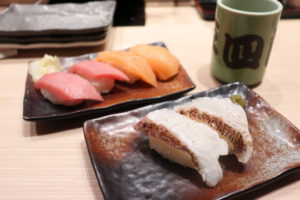
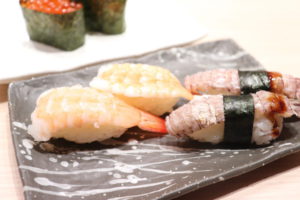
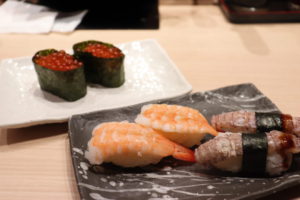
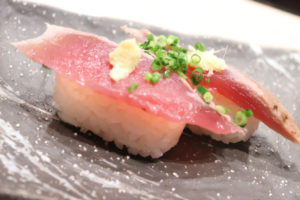
Casual Sushi
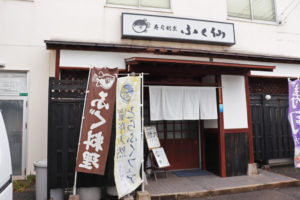
Popular local restaurants offering high quality at an everyday price
 |
 |
 |
 |
 |
 |
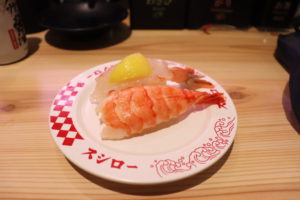
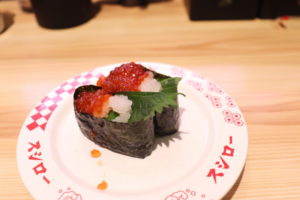
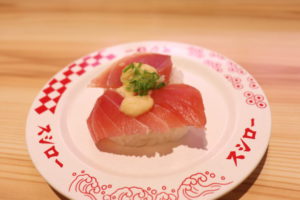
Conveyor-belt Sushi (Kaiten-zushi)
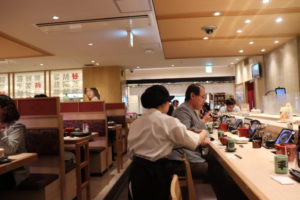
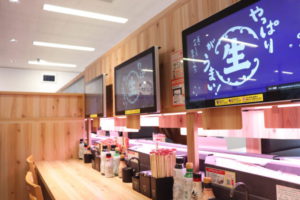
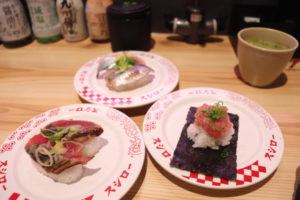
A fun, casual, and affordable way to enjoy a vast variety of sushi.
 |
 |
 |
 |
 |
 |
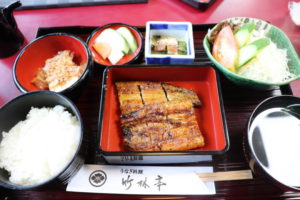
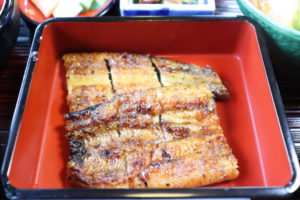
Eel cuisine
Kyushu is a paradise for Eel lovers
While Yanagawa’s steaming style is famous, each region in Kyushu offers its own
delicious twist on eel.
From the crispy charcoal-grilled eel in Fukuoka and Kumamoto to the rich flavors
in Kagoshima, there is so much to explore.
 |
 |
 |
Whether it’s the traditional “Kabayaki” (dipped in sweet soy sauce) or “Shirayaki”
(salt-grilled), you can find top-quality eel all across the Kyushu.
Hakata Yatai Ramen
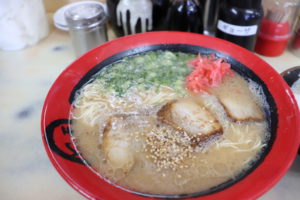
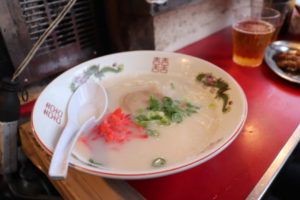
Hakata Ramen is a local specialty from Fukuoka, famous for its creamy tonkotsu
(pork bone) broth. The soup is slow-simmered for hours to achieve a rich, milky flavor.
It is served with ultra-thin, firm noodles that perfectly soak up the savory.
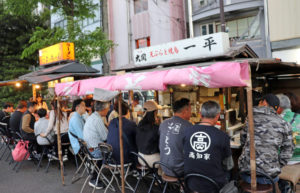
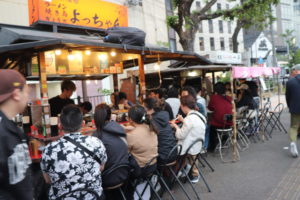
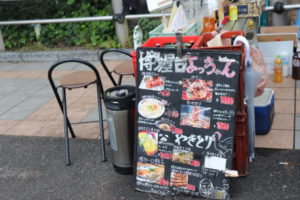
A ‘Yatai’ is a traditional mobile food stall. Every evening, about 100 of these wooden
carts appear along the streets of Tenjin and Nakasu. It is not just about the food;
it’s a social hub where locals and travelers sit shoulder-to-shoulder in a cozy,
open-air setting.
 |
 |
 |
 |
 |
 |
Customizing Your Bowl
Noodle Hardness : “You can choose the firmness of your noodles. The most popular
choice for locals is ‘Bari-kata’ (extra firm). Kaedama If you want more, don’t order
a whole new bowl. Just say Kaedama to get a second serving of noodles to add to
your remaining soup.
Ramen
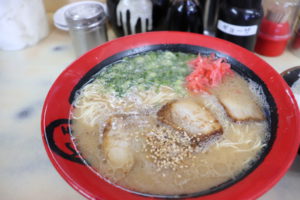
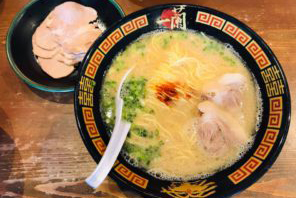
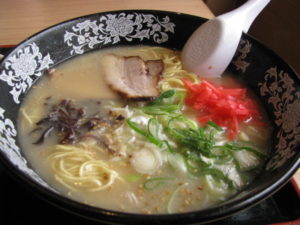
Kyushu is the Holy Land of Tonkotsu Ramen
If you love ramen, Kyushu is your ultimate destination! Known as the birthplace of
the rich and creamy Tonkotsu (pork bone) broth, Kyushu offers a diverse “Ramen Belt”
where every city has its own unique twist. From the world-famous Hakata style to the
aromatic garlic-infused bowls of Kumamoto, a journey through Kyushu is a journey
of flavors.
 |
 |
 |
The Great Kyushu Ramen Tour: 4 Iconic Styles
Fukuoka (Hakata/Nagahama) – The Global Icon
The world-famous “Hakata Ramen.” It features ultra-thin, straight noodles in a milky-white,
creamy pork broth. The highlight is the “Kaedama” system, where you can order extra
noodles for your remaining soup.
Kitakyushu (Kokura) – The Sophisticated Balance
Kitakyushu offers a slightly milder and more refined version of Tonkotsu. It’s often
characterized by a clearer, less heavy soup compared to its southern neighbors.
Many locals love it as a “daily comfort food” that isn’t too overwhelming.
Kurume – The Legendary Birthplace
Yobimodoshi” method, where the soup is continuously simmered and topped up for
decades. It results in an incredibly rich, funky, and deep flavor that is a must-try for
true ramen lovers.
Kumamoto – The Aromatic Punch
Kumamoto Ramen stands out with its use of Ma-yu (black roasted garlic oil) and fried
garlic chips. The broth is a blend of pork and chicken, giving it a complex, smoky aroma
that sets it apart from the pure pork broths of the north.
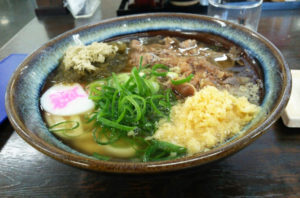
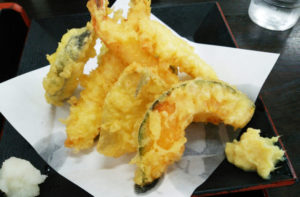
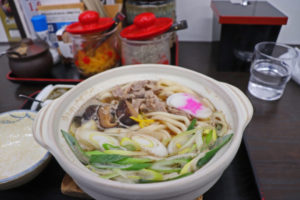
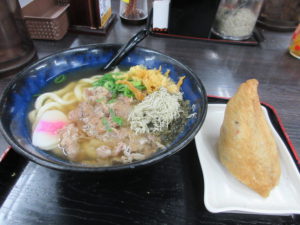
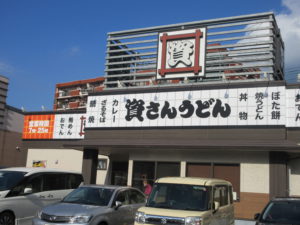
Udon : the Ultimate Japanese Soul Food
 |
 |
 |
 |
 |
 |
Aso Akausih beef
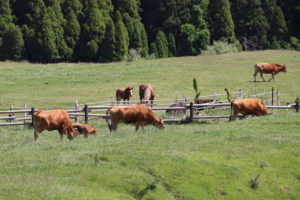
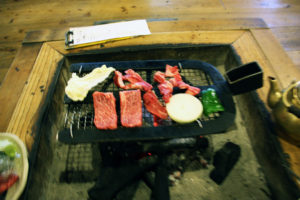
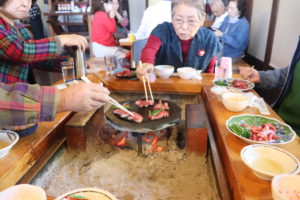
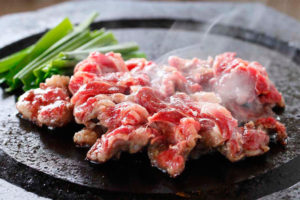
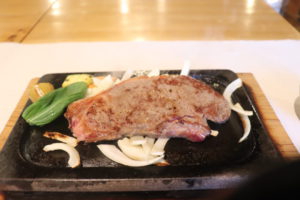
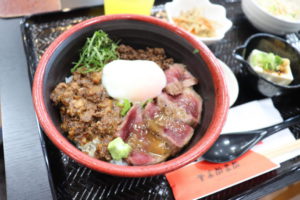
Aso Akaushi (Japanese Brown Cattle) is a rare, premium beef raised freely across
the lush, expansive grasslands of the Aso Caldera. In contrast to highly marbled beef,
Akaushi is celebrated for its lean, tender texture and deep umami flavor. Being low in
fat and high in protein, it offers a remarkably healthy yet deeply satisfying dining
experience.
 |
 |
 |
 |
 |
 |
The Essence of Aso: Akaushi beef is a true gift from Aso’s unique volcanic landscape.
By grazing on mineral-rich grass under vast open skies, the cattle develop a clean,
natural taste exclusive to this region. Savoring Aso Akaushi is more than just a meal;
it is the perfect way to experience the pure energy and culinary heritage of Kumamoto.
Dango-jiru
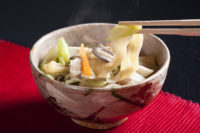
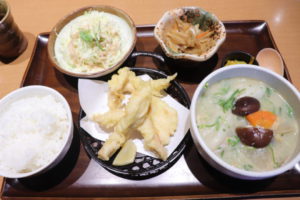
Dango-jiru is a beloved “soul food” and a staple of the daily diet in Oita.
It features rustic, hand-stretched flat wheat noodles, each uniquely shaped by
hand to create a delightful chewy texture. This heartwarming home-style soup
is packed with local seasonal vegetables, offering a true taste of Oita’s traditional lifestyle.
 |
 |
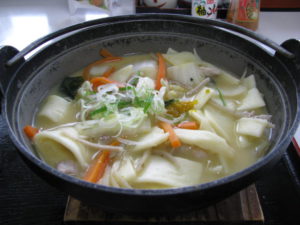 |
A historic specialty with roots in the 16th-century Sengoku period. Born from the ingenuity
of Oita’s farmers, this dish features hand-stretched noodles in a savory miso broth—
a traditional “soul food” that satisfied both humble farmers and powerful samurai
Bungo Beef
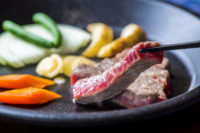
Indulge in Bungo Beef—Oita’s premium Wagyu, celebrated for its exquisite marbling
and rich, mellow flavor. Raised in the lush, green pastures of Oita, this award-winning
beef is so tender it practically melts on your tongue. Whether enjoyed as a juicy steak
or in a traditional hot pot, Bungo Beef is a luxurious culinary experience that defines
the gourmet spirit of Oita.
 |
 |
 |
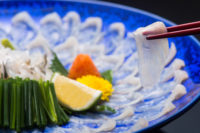
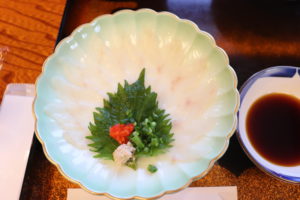
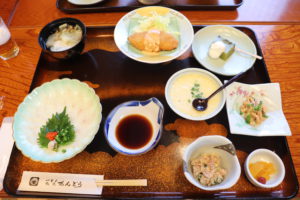
Usuki Fugu
Known as the ‘King of Winter Flavors,’ Oita’s Fugu (pufferfish)—especially
the renowned Usuki Fugu—is famous for its incredible freshness and thick,
satisfying slices.
Because the fish is prepared so fresh, it offers a firm, springy texture that you
can only find here. Pair it with our local citrus “Kabosu” for a refreshing and
luxurious dining experience. It’s a culinary masterpiece you can’t miss.
A local specialty in Oita is fugu served with a rich, creamy liver sauce (non-toxic),
offering a deep umami flavor you won’t find anywhere else.
 |
 |
 |
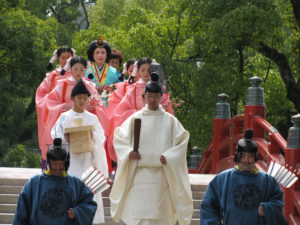
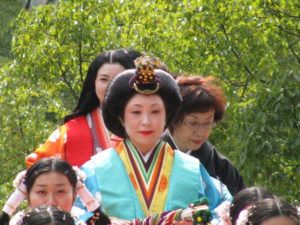
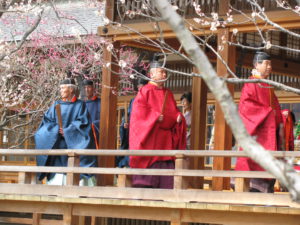
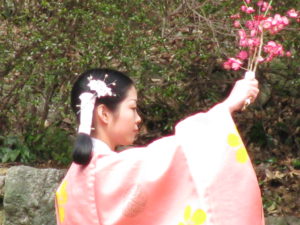
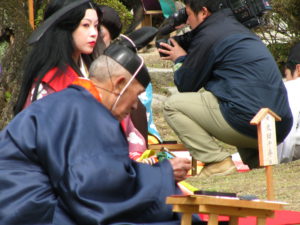
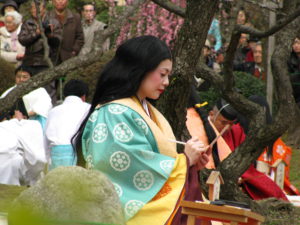
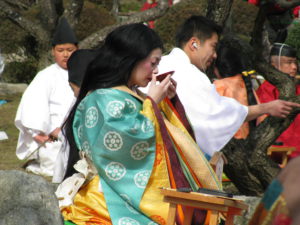
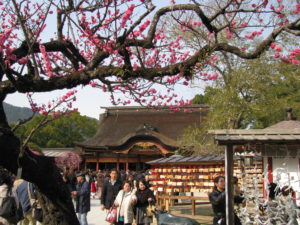
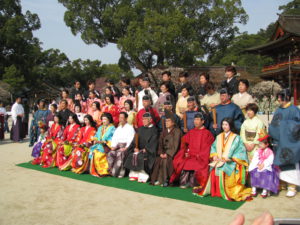
Kyokusui-no-en at Dazaifu Shrine
 |
 |
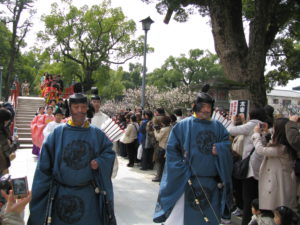 |
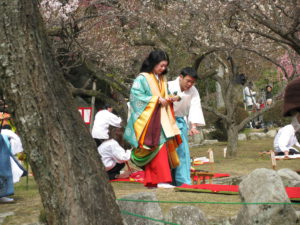
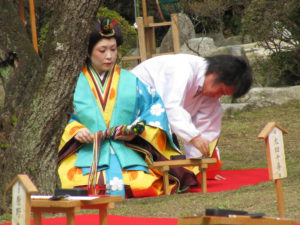
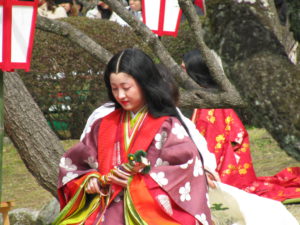
Vermilion-lacquered cups full of sake are set afloat down the stream.
 |
 |
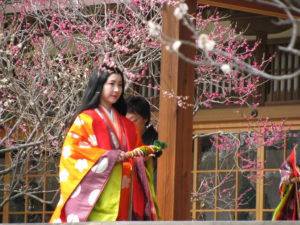 |
a Japanese poem called waka, and write it down on a strip of fancy paper. When the cups
reach the participants, they drink the sake and hand the paper strip and cup over to an attendant.
 |
 |
 |
The ceremony has its origin in a historical fact that Ono-no-Yoshifuru, an elder brother of a
noted-calligrapher Ono-no-Tofu, held a ceremony to appease the soul of Michizane Sugawara
and to beguile tedious hours in a rural life.
 |
 |
 |
 |
 |
 |
 WhatsApp: Chat with us