
Tonkatsu
Tonkatsu is the pork cutlet, which is a Japanese dish made of thick slices of pork loin
or fillet coated with flour, beaten eggs, and breadcrumbs and fried in cooking oil.
 |
 |
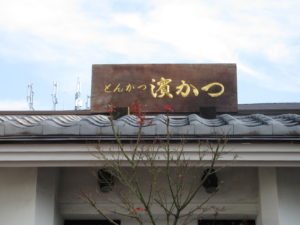 |
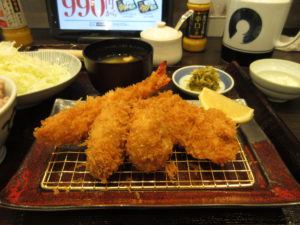
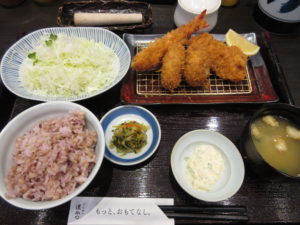
The dish on the photo are Tonkatu, fried prawn and fried oyster at Hamakatsu
restaurant.
Hamakatsu is a tonkatsu restaurant chain.
Japan’s Daily Soul Food
Eat exactly like a local. Discover the honest, everyday meals that fuel Japanese life
at hidden neighborhood gems and storied shops passed down through generations.
Dive into a world of flavor—from the delicate artistry of Sushi and deeply satisfying
bowls of Udon or Ramen to the comforting warmth of a Donburi rice bowl and
slow-simmered Oden. These aren’t just meals; they are the timeless tastes of Japan.
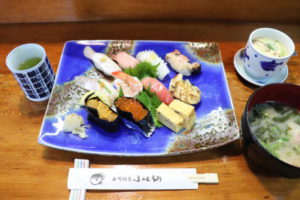 |
Sushi is a popular Japanese dish consisting mainly of seafood on top of vinegared rice. Sushi has a wide variety of toppings, and you can enjoy sushi according to the season. |
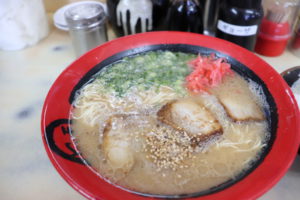 |
Remem : Kyushu is the Holy Land of Tonkotsu Ramen If you love ramen, Kyushu is your ultimate destination! Known as the birthplace of the rich and creamy Tonkotsu (pork bone) broth, Kyushu offers a diverse “Ramen Belt” where every city has its own unique twist. |
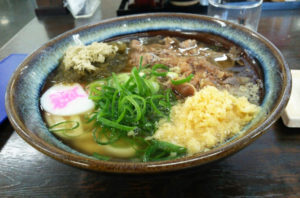 |
Udon : the Ultimate Japanese Soul Food Udon is a representative dish of Japan that has been eaten for a long time and is one of the popular lunch menus. Udon is made by adding water to wheat flour and kneading it into noodles. |
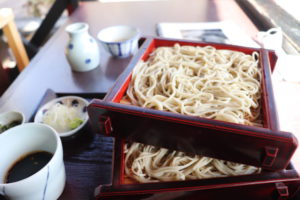 |
Soba are Japanese noodles made from buckwheat flour. They have a unique nutty flavor and are usually served either chilled with a dipping sauce or in a hot broth. |
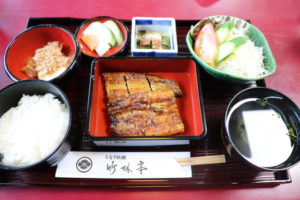 |
Kyushu is a paradise for Eel lovers. While Yanagawa’s steaming style is famous, each region in Kyushu offers its own delicious twist on eel. From the crispy charcoal-grilled eel in Fukuoka and Kumamoto to the rich flavors in Kagoshima, there is so much to explore. |
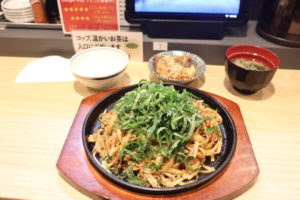 |
Yaki Udon originated in Kokura, Kitakyushu City, Fukuoka Prefecture, at a restaurant called “Darumado. The story dates back to 1945, right after World War II. During a severe food shortage, the owner struggled to find the Chinese noodles typically used for Yakisoba. |
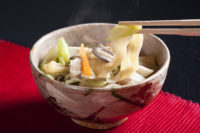 |
Dango-jiru is a beloved “soul food” and a staple of the daily diet in Oita. It features rustic, hand-stretched flat wheat noodles, each uniquely shaped by hand to create a delightful chewy texture. |
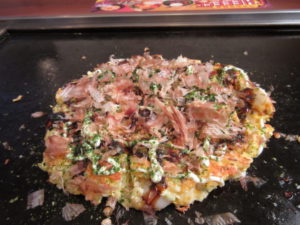 |
A dish made of wheat flour batter with eggs, vegetables, meat, seafood, noodles, and other desired ingredients added to it and grilled on a griddle. Eat with a special sauce, green seaweed, and dried bonito flakes. |
 |
Gyudon is a Japanese dish in which thinly sliced beef and onions are simmered in sweet and spicy sauce such as soy sauce and placed on top of a bowl of rice. |
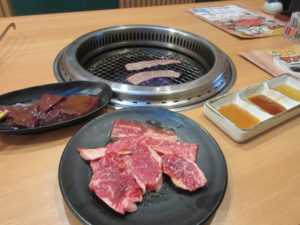 |
A popular Japanese style of BBQ, where you grill bite-sized slices of meat and vegetables on a griddle or charcoal grill right at your table. |
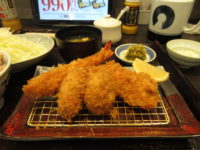 |
Tonkatsu is the pork cutlet, which is a Japanese dish made of thick slices of pork loin or fillet coated with flour, beaten eggs, and breadcrumbs and fried in cooking oil. |
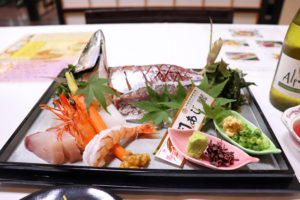
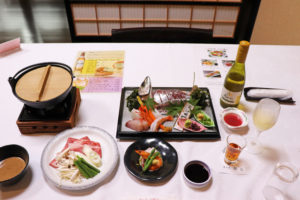
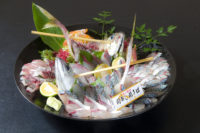
Seki Aji and Seki Saba: The Gold Standard of Japanese Seafoo
 |
 |
 |
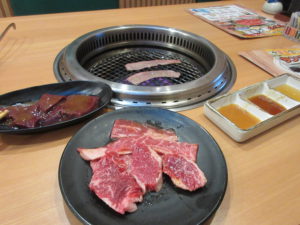
Yakiniku
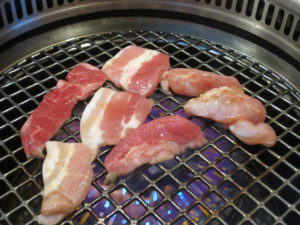
Yakiniku is a popular Japanese style of BBQ, where you grill bite-sized slices of meat and
vegetables on a griddle or charcoal grill right at your table. It is typically enjoyed with a
savory-sweet soy-based dipping sauce
 |
 |
 |
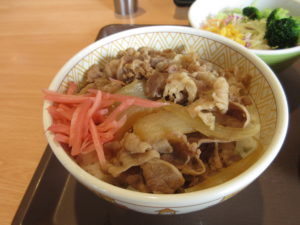
Gyudon
Gyudon is a classic Japanese comfort food consisting of thinly sliced beef and onions
simmered in a sweet and savory soy-based sauce. Served over a bowl of rice, this dish
dates back to the late 1800s and remains a favorite for all generations due to its
delicious taste, quick service, and affordability.
 |
 |
 |
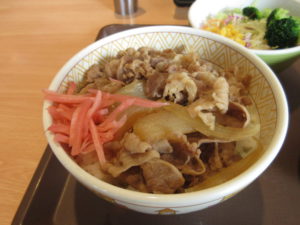
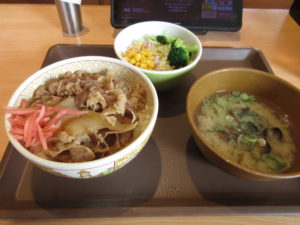
The menu on the photo is Gyudon, shijimi kai (fresh water clam) soup and salad at
the restaurant Sykiya which is Gyudon Chain restaurant.
Okonomiyaki
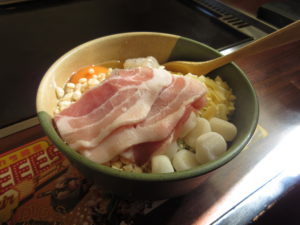
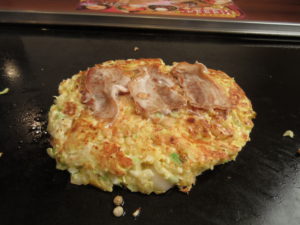
A dish made of wheat flour batter with eggs, vegetables, meat, seafood, noodles, and other
desired ingredients added to it and grilled on a griddle. Eat with a special sauce, green
seaweed, and dried bonito flakes.
 |
 |
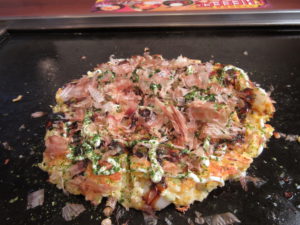 |
There are different types of okonomiyaki depending on the region, such as Kansai-style
okonomiyaki, in which ingredients are mixed into the batter and baked, and Hiroshima-style
okonomiyaki, in which noodles and other ingredients are layered in the batter.
Yaki Udon
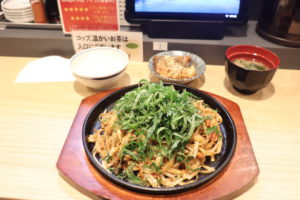
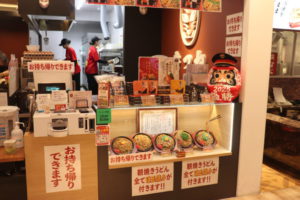
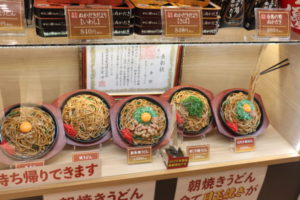
Yaki Udon originated in Kokura, Kitakyushu City, Fukuoka Prefecture, at a restaurant
called “Darumado.
The story dates back to 1945, right after World War II. During a severe food shortage,
the owner struggled to find the Chinese noodles typically used for Yakisoba.
 |
 |
 |
In a moment of inspiration, he decided to boil dried udon noodles and stir-fry them instead.
This creative twist was the birth of “Kokura-style Yaki-udon,” which eventually spread across
the entire country.
Soba
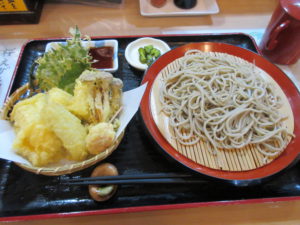
Soba are Japanese noodles made from buckwheat flour.
They have a unique nutty flavor and are usually served either chilled with a dipping
sauce or in a hot broth.
There are two main types based on the ratio of buckwheat: ‘Juwari Soba,’ made with
100% buckwheat for a strong aroma, and ‘Nihachi Soba,’ which uses 80% buckwheat
and 20% wheat for a smoother texture.
 |
|
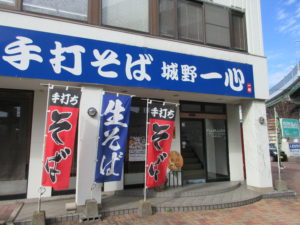 |
Authentic soba is often ‘Te-uchi’ (hand-kneaded and hand-cut) by skilled artisans.
They carefully balance water and flour to create the perfect ‘koshi’—a firm yet smooth
al dente texture.
Rokubei
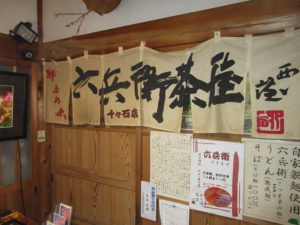
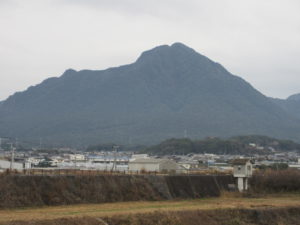
Rokubei is a local cuisine in Shimabara.
In 1792, Shimabara Disaster was occurred that Mt. Mayuyama exploded and caused
major damage due to landslides entire area of Shimabara.
After that, the Shimabara Peninsula experienced a food crisis, and sweet potatoes
became the staple food.
 |
 |
 |
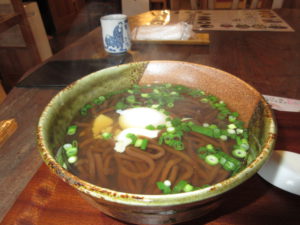
Rokubei is a noodle dish using sweet potatoes invented by farmer Rokubei.
The sweet potatoes were powdered, yams were added, and kneaded in boiling
water to make udon-like noodles.
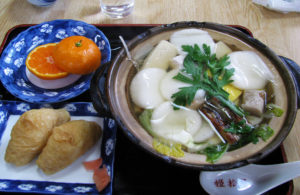
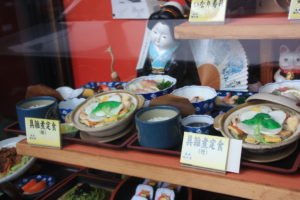
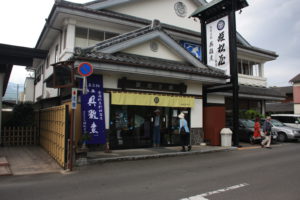
Guzoni
Guzoni is a historical local dish from Shimabara with roots dating back to the
Shimabara Rebellion of 1637. It is said that Amakusa Shiro, the young leader
of the uprising, instructed his followers to gather whatever ingredients they
could find—mochi (rice cakes), wild vegetables, and seafood—and stew them
together in a large pot.
 |
 |
 |
This hearty meal provided the rebels with the strength and nutrients needed to
endure the long, harsh siege at Hara Castle.
 WhatsApp: Chat with us