
-
-
Tailor-Made Kyushu Sightseeing Tours
2026/06/15
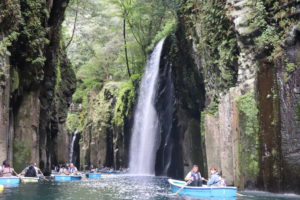
Our ServiceEvery travel party has different needs, dates, and paces. Instead of selling standard itineraries, we design completely personalized Kyushu experiences tailored to your exact travel conditions. Please use the sample itineraries below as a starting point for your inspiration. We will customize every detail—from routing and private vehicles to handpicked accommodations—based entirely on your requests Sample Itineraries 2-Day Takachio & Aso Tour Discover the dramatic landscapes of Aso and Takachiho, shaped by ancient volcanic activity. In Takachiho, the cradle of Japanese mythology, enjoy activities like boating through the stunning Takachiho Gorge. Price: From JPY 39,000 per person (Min. 6 guests) This is a reference price, and final pricing will be customized based on your requests. Inclusions: Private vehicle, English-speaking driver, petrol, highway tolls, parking fees, and driver’s accommodation Exclusions: Guest accommodations, meals, entrance fees 2-Day Yufuin & Beppu Tour Yufuin: A tranquil onsen resort with scenic beauty. Stroll along Yunotsubo Avenue and savor local delicacies. Beppu: Famous for the “Hell Tour” (Jigoku Meguri), a wide variety of bathing experiences, and diverse theme parks. Price: From JPY 39,000 per person (Min. 6 guests) This is a reference price, and final pricing will be customized based on your requests. Inclusions: Priivate …
-
-
3-Day Kumamoto, Aso & Takachiho Tour
2026/06/15
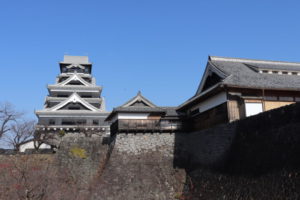
Kumamoto-prefectureThis tour offers a journey into the heart of Japan’s grand nature and ancient history, featuring visits to these premier destinations: ・Kumamoto: Home to one of Japan’s three most iconic castles, this city stands as a powerful symbol of samurai legacy and resilience. ・Aso: Experience the raw power of nature through one of the world’s largest volcanic calderas and its vast, dynamic landscapes. ・Takachiho: Step into a world of myth and breathtaking beauty, where majestic waterfalls flow through canyons steeped in Shinto legend. Inspiration: Sample Itinerary This sample itinerary is just a starting point for crafting your bespoke private tour. By integrating your specific needs and preferences into every detail, we will meticulously plan a seamless journey perfectly tailored to you. Day 1 Kumamoto The tour will commence at the designated location in Fukuoka Enjoy a drive to Kumamoto via the expressway Exploring Kumamoto A captivating experience where history and nature live in harmony ・Sakurano-baba Josaien including lunch ・Kumamoto Castle ・Suizenji-koen Park Dinner on your own in Kumamoto Stay in Kumamoto Day 2 Aso After breakfast, check out of the hotel in Kumamoto Exploring Aso Expansive volcanic landscape offers an unforgettable experience found nowhere else on earth. ・Daikanbo ・Lunch at a local restaurant in Aso Drive to the Five Peaks of Mt. Aso …
-
-
Yunotsubo Avenue
2026/06/09
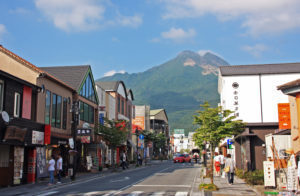
Yufuin travel guideMain street in Yufuin located at the foot of mount Yufu. The avenue is started near JR Yufuin Station and connected to Kinrinko lake. Through Yunotsubo Avenue, it takes about 30 minutes on foot from JR Yufuin Station to Kinrinko lake. There are 70 shops, gift shop, galleries, curiosity item shops as well as cafes. Along the Oita River, which is one street away, it is a recommended walking spot where you can enjoy the seasonal scenery, and you can find a tranquil atmosphere of Yufuin.
-
-
Yufuin Floral Village
2026/06/09
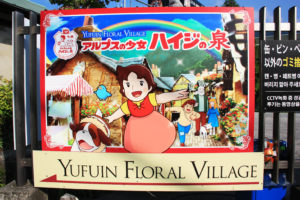
Yufuin travel guideFloral Village is the amusement facility that recreated the street of the Cotswolds region in England, which was also used as the location for Harry Potter. Cute owls welcome you in OWL’s FORESR. You can enjoy strolling, gourmet and shopping with beautiful flowers in the Village, and there is Alice in Wonderland shop here.
-
-
Ukiha Inari Shrine
2026/06/05
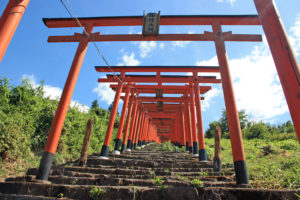
Ukiha Travel GuideBreathtaking scenery in harmony with the shrine. Ukiha Inari Shrine is located at the foot of the Mino mountain range, 130 meters above sea level. A tunnel of 90 vermilion Torii gates stands along a 300-step staircase, leading you from the base of the hill all the way up to the shrine’s main building. From the bottom To the Shrine building To the Shrine building Shrine Compound Shrine building Shrine building View from Shrine building From the Shrine compound, a breath taking panoramic view of Chikugo plain in harmony with Torii Gate can be enjoyed. Yoshii machi direction Ukiha machi Haki machi direction Visiting Ukiha Inari Shrine? This stunning mountainside shrine is a must-see in Fukuoka, but public transport is highly challenging: ・No Direct Bus: Requires a steep 30–40 min walk from the station. ・Complex Trains: Takes up to 2 hours with confusing transfers. Travel Smart with Our Private Vehicle Service Skip the stress and enjoy effortless sightseeing with a private vehicle and English-Speaking Driver: ・Door-to-Door: Pick up from your Fukuoka hotel and drop-off right at the …
-
-
Kusasenri-ga-hama
2026/06/14
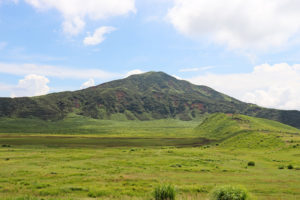
Aso travel guideDaikanbo is located on the northern part of the outer rim of the Aso Caldera. It is the perfect spot to view the Aso Five Mountains. As a must-visit tourist spot in Aso, “Daikanbo” literally means a big observatory peak. The circumference of the Aso Caldera is about 130 kilometers, and from the observation site, you can clearly see its dramatic shape. Early in the morning, clouds often spread out below, hanging over the caldera like a large sea.
-
-
Daikanbo
2026/06/14
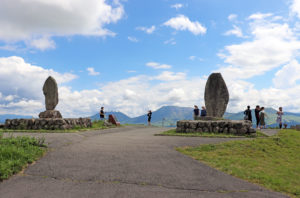
Aso travel guideDaikanbo is located on the northern part of the outer rim of the Aso Caldera. It is the perfect spot to view the Aso Five Mountains. As a must-visit tourist spot in Aso, “Daikanbo” literally means a big observatory peak. The circumference of the Aso Caldera is about 130 kilometers, and from the observation site, you can clearly see its dramatic shape. Early in the morning, clouds often spread out below, hanging over the caldera like a large sea.
-
-
Aso Tourist Tram / Minami Aso Railwawy
2026/06/14
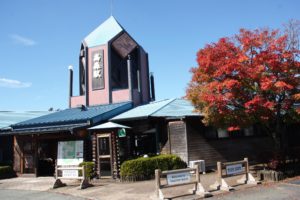
Aso travel guideDiscover the natural wonders of Kumamoto on the Yusuge-go, a charming open-air trolley train running between Tateno and Takamori stations. Designed without windows to let you soak in the refreshing highland air, it offers a relaxing, scenic ride through the massive Aso Caldera. Highlights of the Ride: ・Panoramic Views: Marvel at the majestic Aso Five Peaks and the lush, rural landscapes of the southern Aso region. ・Thrilling Bridges: Experience the excitement of crossing high railway bridges, including a stunning gorge over 60 meters deep. ・Heartwarming Guides: Enjoy lively commentary from the train staff, who share stories about the area’s rich history and crystal-clear water springs. ・Nostalgic Vibe: Relax in vintage-style carriages that evoke a sense of Japanese history and rural charm
-

-
Nabegataki Watarfalls
2026/06/14
Aso travel guideNabegataki Waterfall is a scenic tourist spot located just outside Oguni Town in the Aso region. As one of the area’s most famous waterfalls, it resembles a miniature Niagara Falls. Notably, visitors can actually walk behind the wide curtain of water to experience a unique viewpoint. The hidden tourist spot in Aso region View from outside of the Waterfalls View from behind the Waterfalls As a very unique waterfall, you can actually walk behind the falls to see how the water has carved out the rock over the years.
-
-
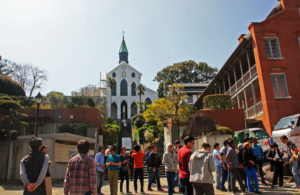
Oura Cathedral
2026/06/16
Nagasaki travel guideThe cathedral is one of the most significant Christian pilgrimage sites in Japan. Established in 1865, this church is officially known as “Oura Cathedral, the Church of the 26 Martyrs.” It was built by Father Bernard Petitjean, a French priest from Fier, who had been dispatched by the Paris Foreign Missions Society to offer prayers for the 26 saints martyred on Nishizaka Hill. For this reason, the cathedral directly faces Nishizaka Hill. It was designated as a National Treasure in 1933 in recognition of its historical value as Japan’s oldest Gothic-style cathedral. On March 17, 1865, a group of peasants from Urakami visited the church and professed their secret faith to Father Petitjean, revealing that Christianity had survived through centuries of intense persecution. The white marble statue of the Holy Mother at the entrance was erected to commemorate this dramatic discovery of the “Hidden Christians. The cathedral also welcomed Pope John Paul II in 1981, followed by Mother Teresa (Saint Teresa of Calcutta) in 1982.
 WhatsApp: Chat with us