
-
-
Yamada Weir
2026/04/05
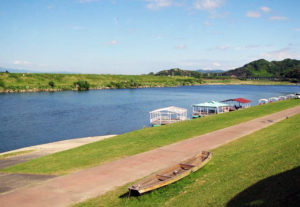
Asakura Travel GuideOnly here in Japan, the stone-covered Weir constructed. Yamada weir is a construction for the irrigation system that water is supplied from Yamada weir in Chikugo through the canal to the Triple Water Wheel to rice field. Chikugo River Triple Water Wheel Rice field The large and small stones are stacked against water flow, and leads water to the irrigation canal while suppressing the momentum of the Chikugo River. The Yamada Weir was completed in 1790 and it is the now only structure in Japan. Stone-overed construction Yamada Weir Water supply area Eso Hachiman Shrine. The Shrine was established in 673 next to Yamada Weir. Shrine gate, Torii Main Shrine building Deity of the Shrine
-
-
Yame Central Tea Plantation
2026/04/02
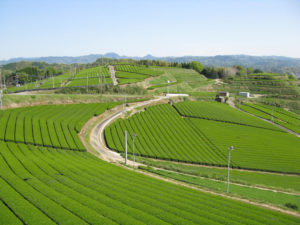
Yame Travel GuideThe country of Green Tea, Yame. The Green Tea grown in Yame is one of the highest grade of tea throughout Japan. This is the large Tea plantation spreading on a gently sloping hilly area, about 70 ha. There is an observatory at the top of hill, Ariake bay as well as Shimabara Peninsula in Nagasaki-prefecture can be seen on sunny days.
-
-
Toho Village
2026/04/02
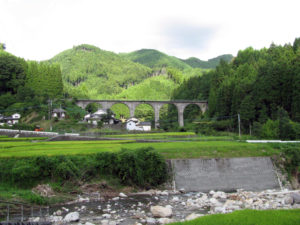
Asakura Travel GuideHoshuyama district, a mountain area blessed with nature, Koisiwara district, pottery industry representative of Kyushu. Toho is a small village with a population of about 2,000 people in Fukuoka-prefecture, and is located north side of Asakura-city. The Village consist of Hoshuyama district and Koishiwara district. On July 5, 2017, the heavy rain disaster occurred in the northern part of Kyushu, and Toho Village, both Hoshuyama and Koishiwara districts also suffered great damages. Even, it takes a little time to return to previous conditions, you can enjoy your journey here. Hoshuyama district Koishiwara district Koishiwara-yaki pittery A type of Japanese traditional pottery in Koishiwara. The history dates back to the 17th century, when the third Lord Kuroda Mitsuyuki (1628–1707) invited potters from Imari, Saga-prefecture to Fukuoka. Furnace for pottery Featured Pottery, Takatori-yaki Hachizan Featured Pottery, Koisiwara-yaki Tsurumi Pottery Lodge in the Ponta no mori (Ponta forest) Gyoja sugi The big Cedar, called Gyoja sugi, literary meaning is Religious Trainee Cedar planted more than 600 years ago. Circumference length : 8.3 metre, height : 52 metre. Pottery experience at Koishiwara Make your own original Koishiwara-yaki pottery. Try your hand at making the famous local Koishiwara-yaki pottery at Ota-gama pottery, by learning …
-
-
Shirakabe-dori Avenue
2026/04/02
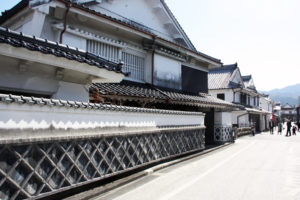
Ukiha Travel GuideTime-honored scenery, back to 100 years ago. The Avenue is located in Yoshii-machi, Ukiha-city. Shirakabe, literary meaning is white wall. The avenue of houses with white wall were constructed about 100 years ago. About 250 houses in the area has been designated as National important traditional buildings preservation district. In the Edo era (1603-1868), Yoshii flourished as a post town between Kurume and Hita. In the Meiji era ( from 1868), this area experienced a big fire three times. In order to protect from the fire, people have rebuilt the houses with the fire resistance design using clay wall painted by white. Hina Doll Festival Featured Restaurant, Shirakabe The restaurant Shirakabe is in the former merchant’s building constructed in 1928. Japanese cuisines using best local ingredients that vary by season can be enjoyed. The chef who makes that cuisines also experienced the imperial family’s cook.
-
-
Akizuki
2026/04/11
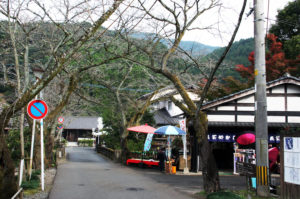
Asakura Travel GuideAkizuki is a former castle town located in northern Asakura. It is a famous spot for cherry blossoms in the spring and vibrant foliage in the autumn. You can enjoy the harmony of countryside landscape and former castle town scenery that makes the atmosphere like a time of 400 years ago.
-
-
Asakura Triple Water Wheel
2026/04/04
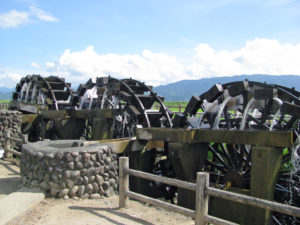
Asakura Travel GuideAsakura is the only area in Japan to use water wheels for irrigation. The irrigation system used the Triple Water Wheel was completed in 1760. The water is supplied from Yamada weir in Chikugo through the canal to the Triple Water Wheel. And then the water distributed to each rice field by Triple Water Wheel. The water wheel currently operates between mid June and mid October, irrigating an area of 35 hectares along with two other pumping water wheels (Mijima Double Water Wheel and Hisashige Double Water Wheel). Bank of Chikugo River Chikugo River Yamada Weir The Triple Water Wheel is a Municipally-Designated Tangible Folk Cultural Asset and became a Government-Designated Historical Site in 1990. Canal Rice field Rice field
-
-
Hyuga Sun Park
2026/04/01
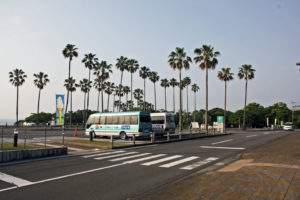
Hyuga travel guideRecreation facilities facing to Hyuga Sea. It is located along national road 10 in the southern part of Hyuga. It is a complex leisure facility with hot spring facilities and road stations Hyuga, restaurants and camping grounds.
-
-
Mimitsu
2026/04/01
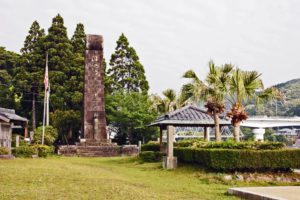
Hyuga travel guideLet’s meet the old days of Japan. The area is designated a National Important Preservation District for Groups of Historic buildings, and there remain much of the atmosphere of the 19th century, including buildings of old times, earthen walls, and stone pavements. According to the ancient myths set down in Japan’s oldest books, Kojiki and Nihongi, Mimitsu is where the mythical first emperor of Japan, Jimmu, built a fleet and set sail to conquer central Japan and set up the Yamato Dynasty.
-
-
Umagase
2026/04/01
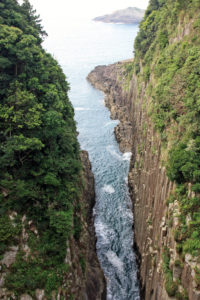
Hyuga travel guideExciting scenery created by raging wave of Hyuga Sea. The coastline here is a ria coastline, marked by intricate waterways sandwiched between cliffs. The cliffs here are 70m high and the waves’ splashing against them is an enchanting sight. Exploring Umagase The bare rock faces of the cliffs have given way to columnar joints, which are formed when magma from a volcanic eruption cools and hardens. The source of the name “Umagase” is thought to come from the fact that the rocks here are similar in colour to horses.
-

-
Cruz Sea
2026/04/01
Hyuga travel guideYour wishes come true here. The Cruz Sea is an area of ocean that appears to have a cross in it when viewed from an observatory. This cape is known as a ria coast; the “cross shape” was created by the narrow terrain here being eroded by rivers, resulting in a cross-shaped sea route. Because the cross-shape looks similar to the Japanese kanji character 叶 (meaning “to grant a wish”) it is commonly said that if you make a wish here it will be granted.
 WhatsApp: Chat with us