
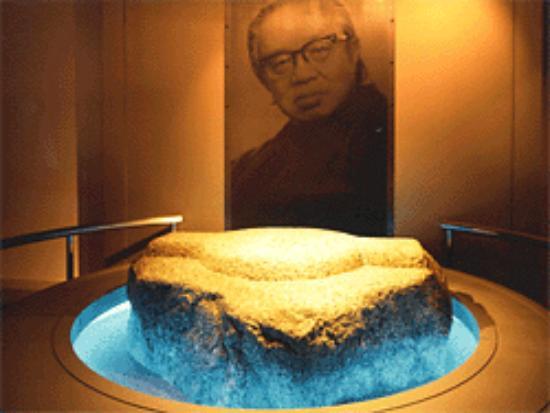
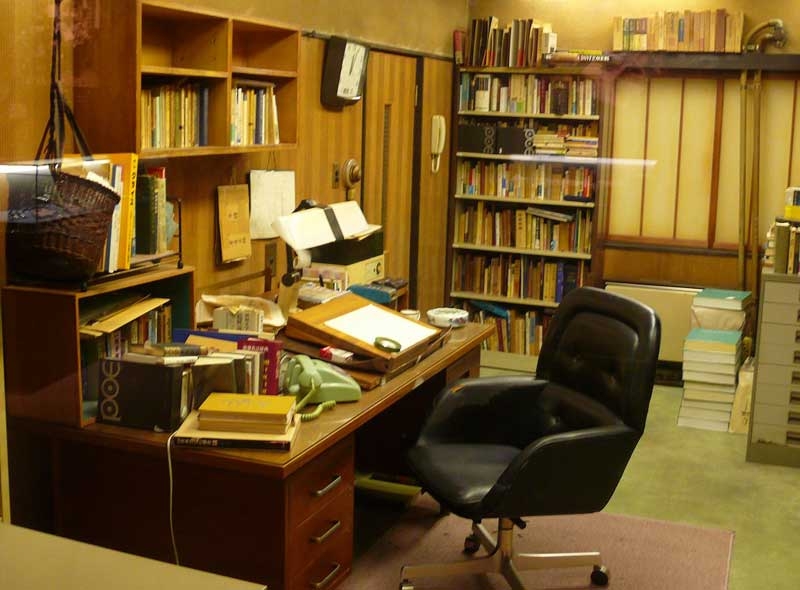
Matsumoto Seicho Memorial Museum
dedicated to the memory of one of the great writers in modern Japan,
Seicho Matsumoto, who is a native of Kitakyushu.
・A 10 minute walk from JR Kokura Station
・A 5 minute walk from JR Nishi Kokura Station
About us Tailor-made tour Self-guided tour Golf tour Study tour Contact us
Kyushu Travel Guide Suggested itinerary Blog & local News About Japan 日本語

Fukuoka Akarenga Cultural Center
office in 1909.
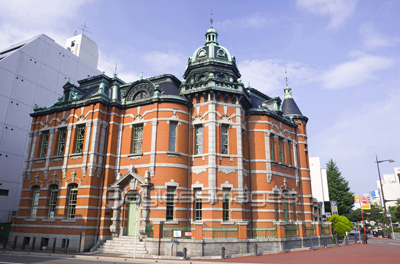
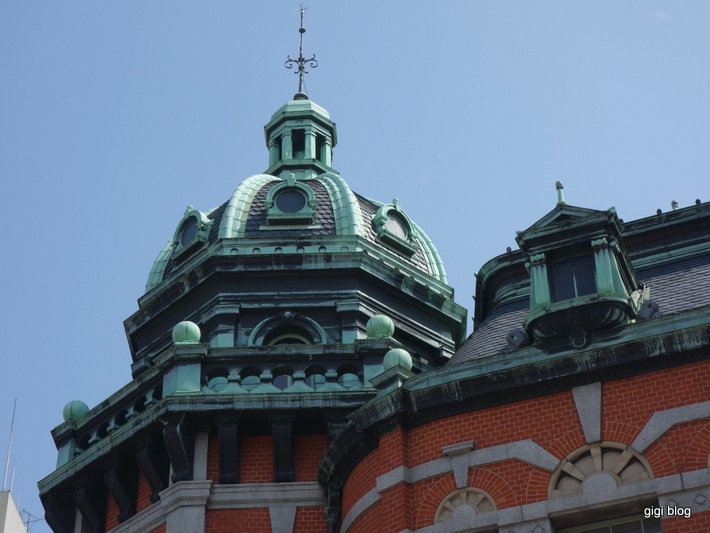
The building is designated as a nationally important cultural property.
The chic British-style building was designed by renowned architect
Kingo Tatsuno.
About us Tailor-made tour Self-guided tour Golf tour Study tour Contact us
Kyushu Travel Guide Suggested itinerary Blog & local News About Japan 日本語
Akiyoshidai
approximately 100 meters beneath the Akiyoshidai limestone plateau in the western
part of Yamaguchi Prefecture.
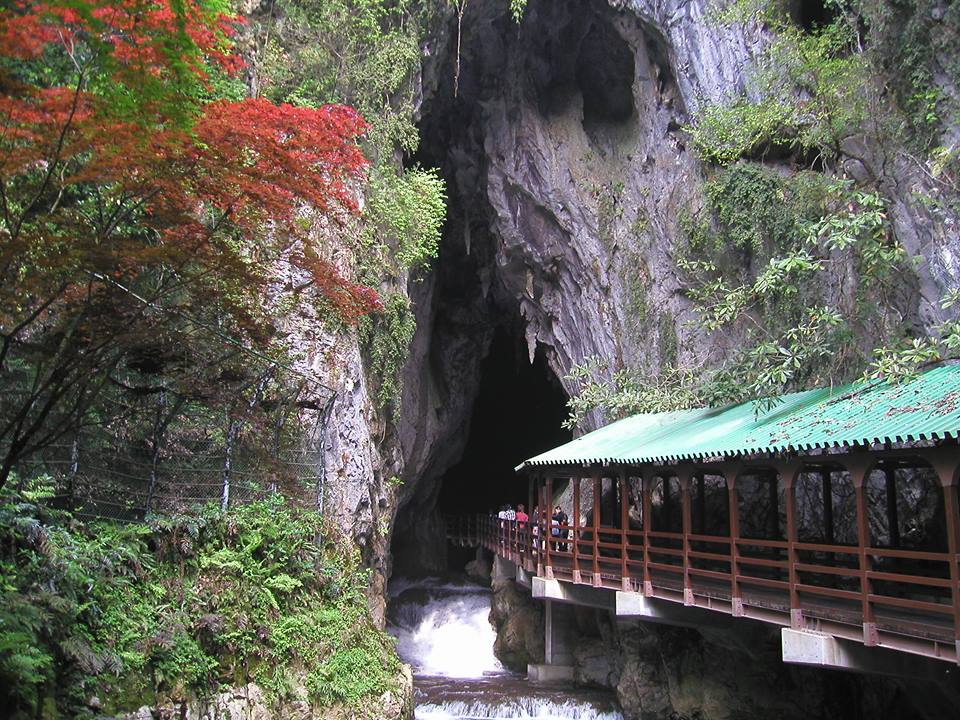
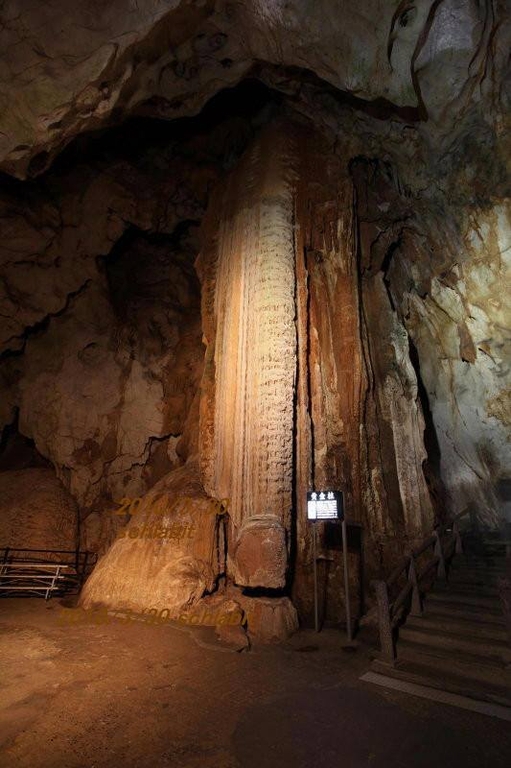
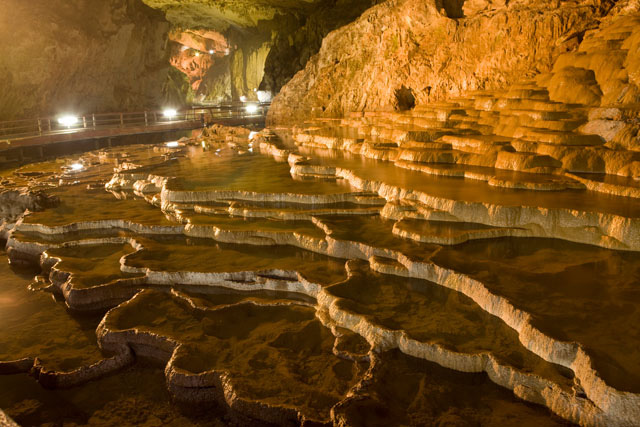
sightseeing course.
15-meter-high Koganebashira, or “Golden Column” and Hyakumenzara, or “One Hundred
Plates”.
degree Celsius.
Kintaikyou Bridge
wooden bridge on four stone piers that extends across the lower Nishiki River.
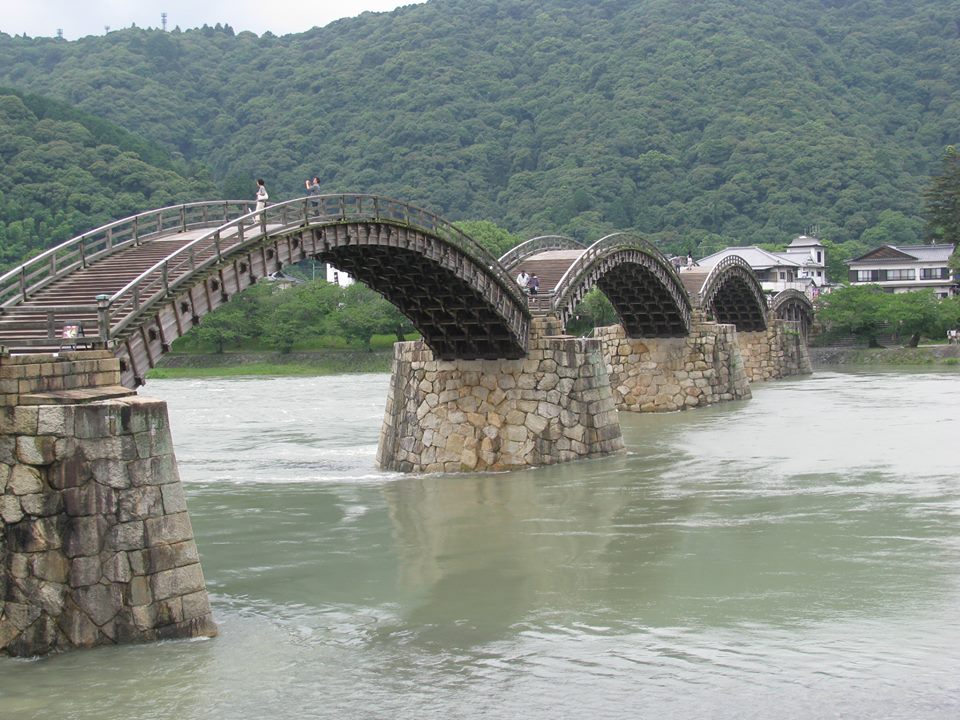
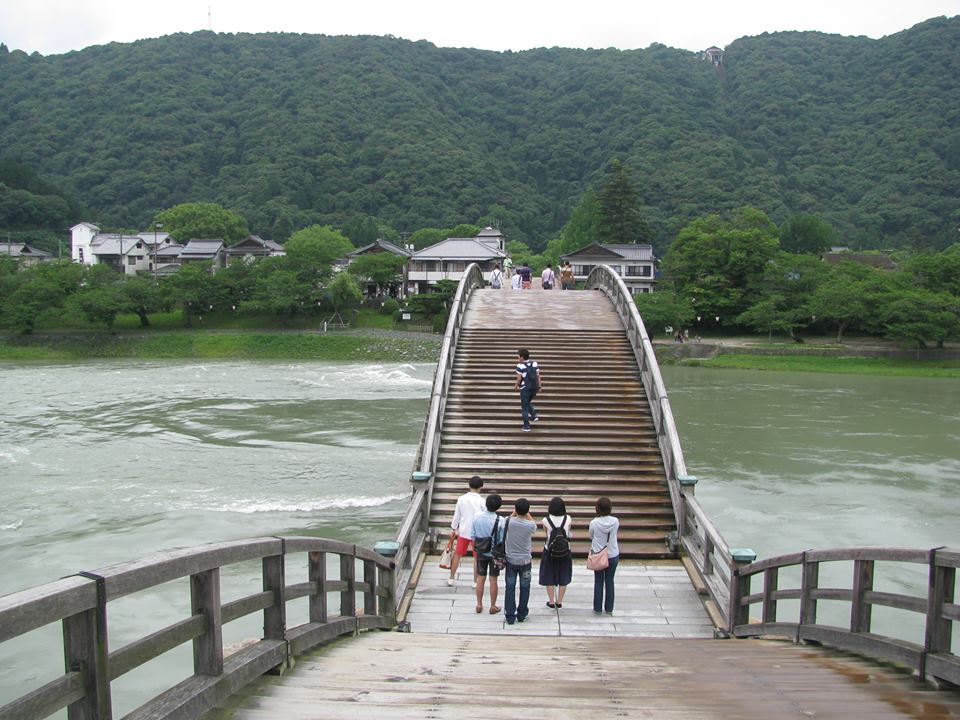
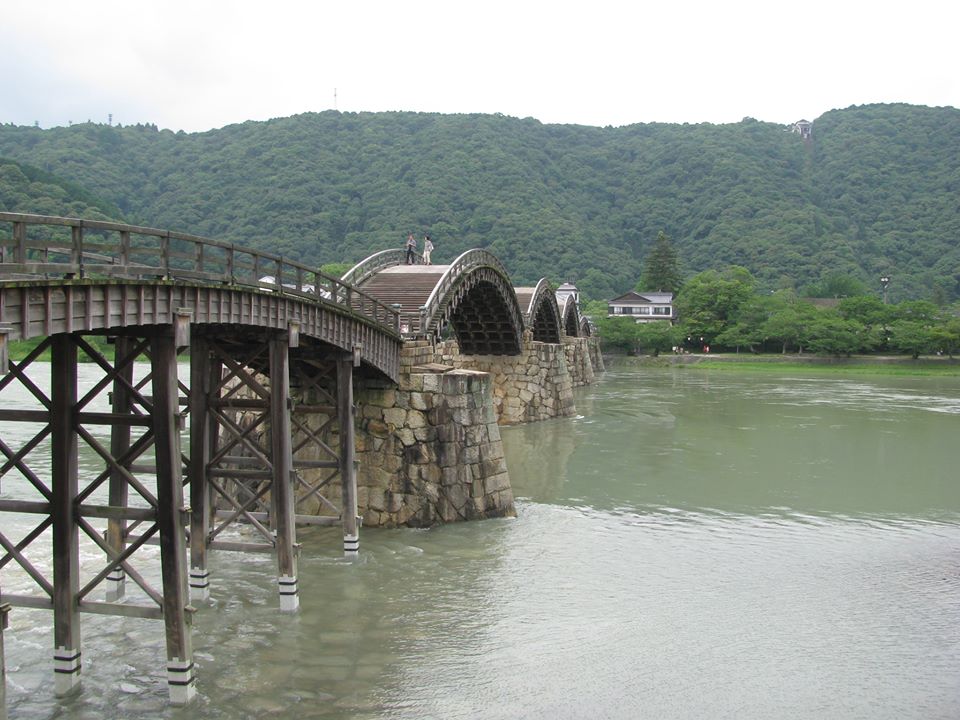
elaborate wooden framework made of winding wires and clamps, and is counted
as one of the three most famous bridge in Japan.
by third load of
Iwakuni domain, Kikkawa Hiroyoshi.
Arita porcelain
Saga Prefecture.
porcelain.
discovered a pottery stone in the Izumi Mountain of Arita. He was the first
to make porcelain in Japan.
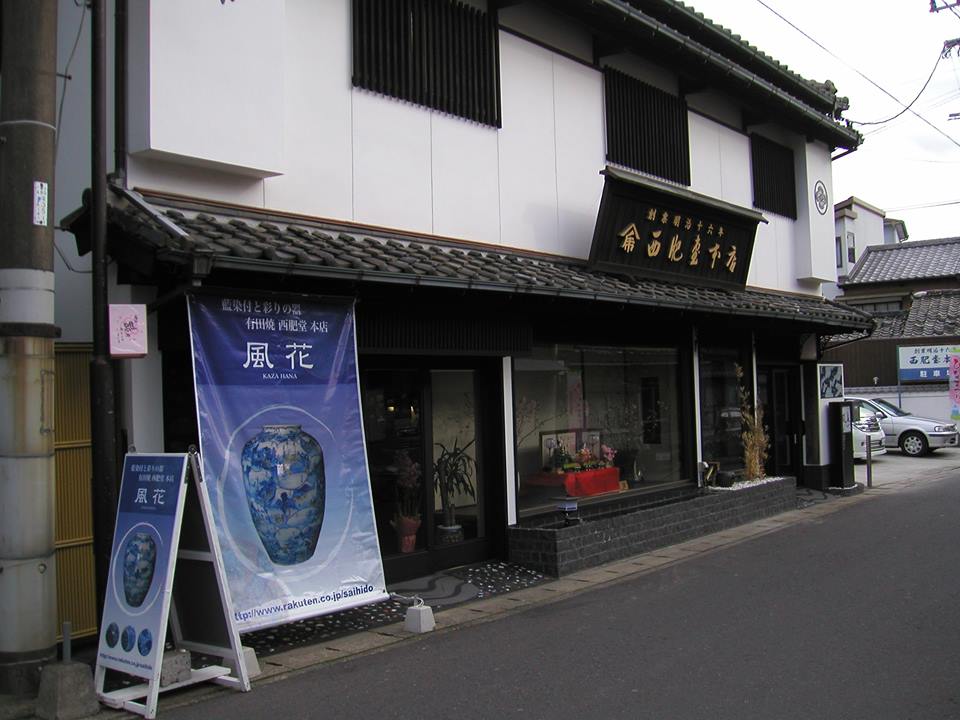
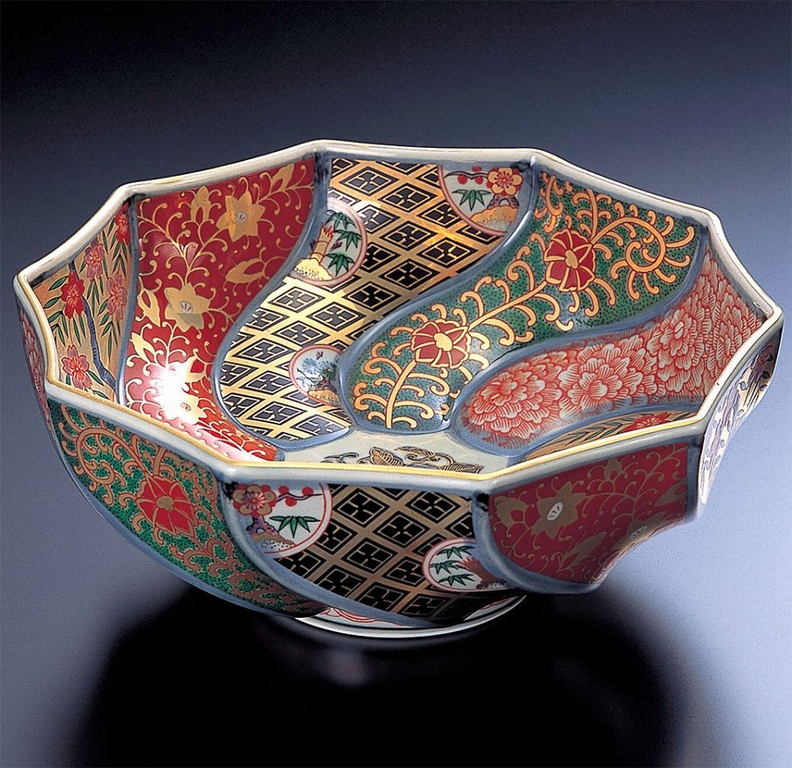
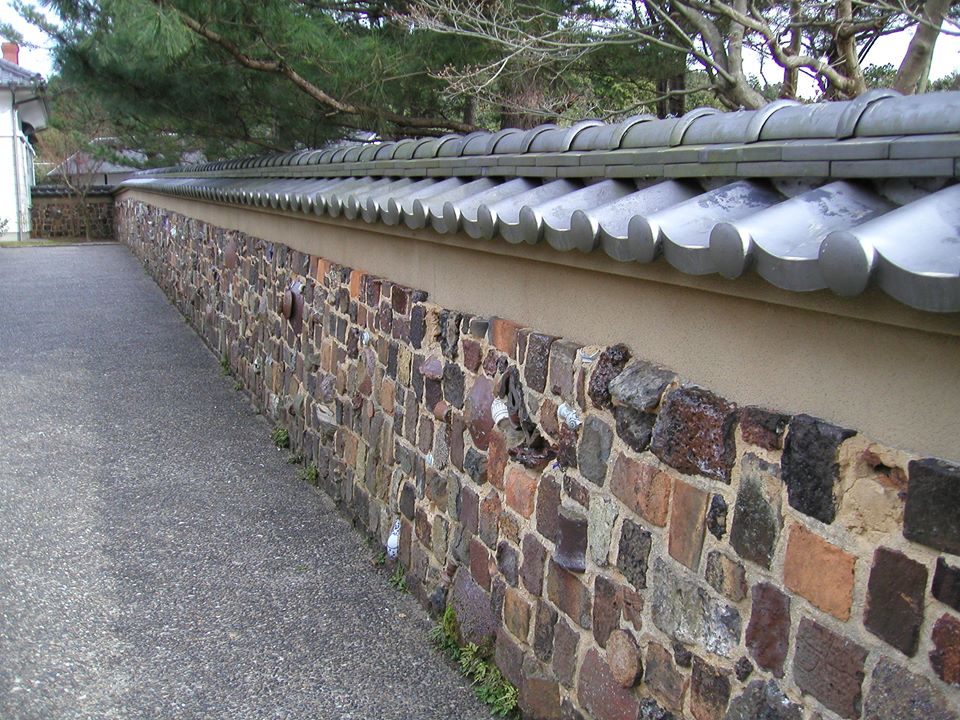
called Imari.
with Chinese porcelain, greatly influenced European pottery.
loved by Europe’s aristocrats.
Every year during Golden Week in spring, the Arita Ceramic Bazaar is held
in Arita.
the country. You’ll find all kinds of pottery, from daily items costing less than
100yen to masterpieces costing millions of yen.
Toward the Meiji Restoration
At this place in August 1864, the combined fleet of America, Britain, France and
Holland attacked and defeated the Choshu-han Clan, which governed this
region of Japan.
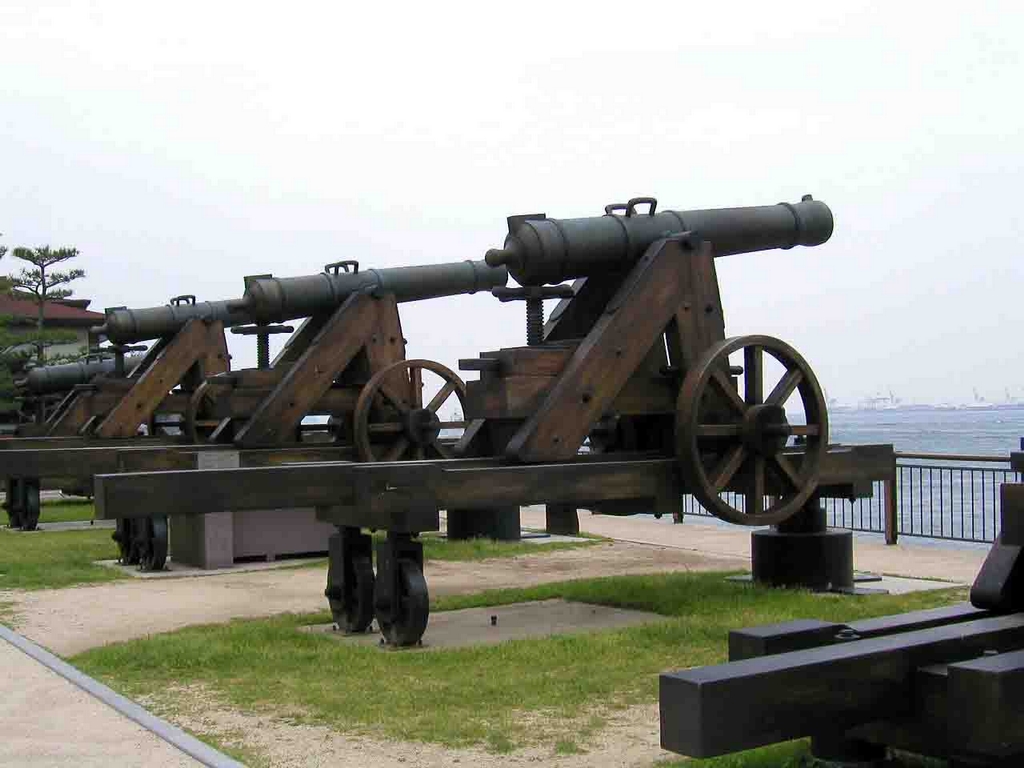
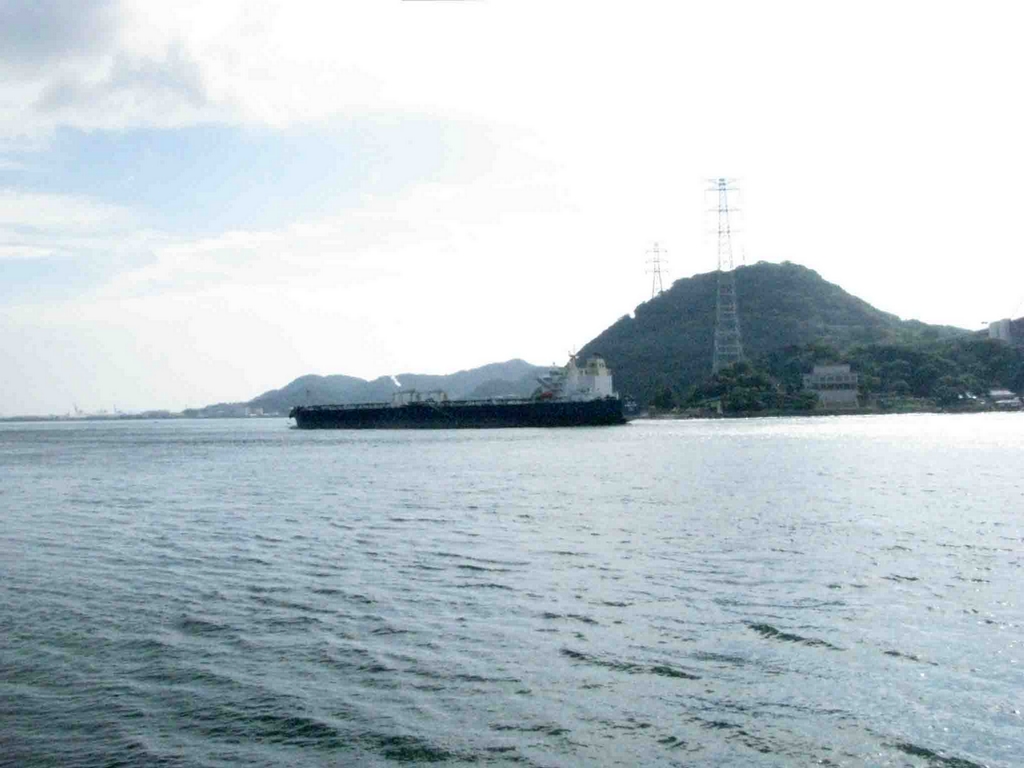
This event was a turning point in Japanese history toward the Meiji Restoration
and modern Japan today.
This cannons are replica of the one used by the Choshu-han during the battle.
About us Tailor-made tour Self-guided tour Golf tour Study tour Contact us
Kyushu Travel Guide Suggested itinerary Blog & local News About Japan 日本語
Okinawa / Manzamo
Manzamo, one of the most exciting scenic spot
Located on the west coast of Okinawa Island, is a scenic spot famous for its
breathtaking view from the top of precipitous cliff about 20 meters high.
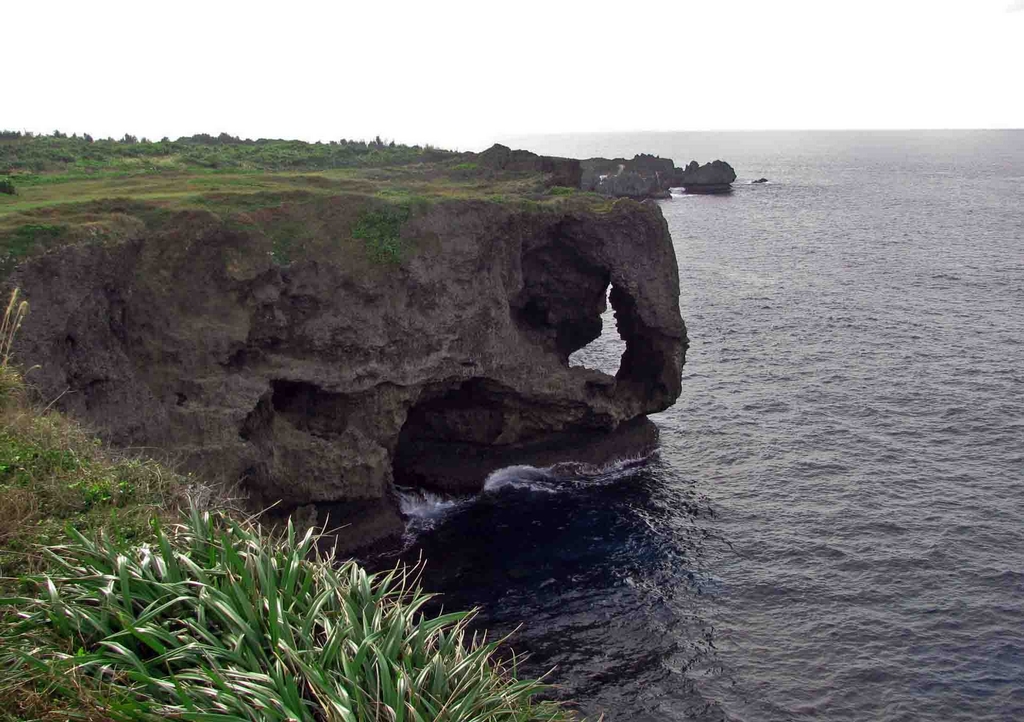
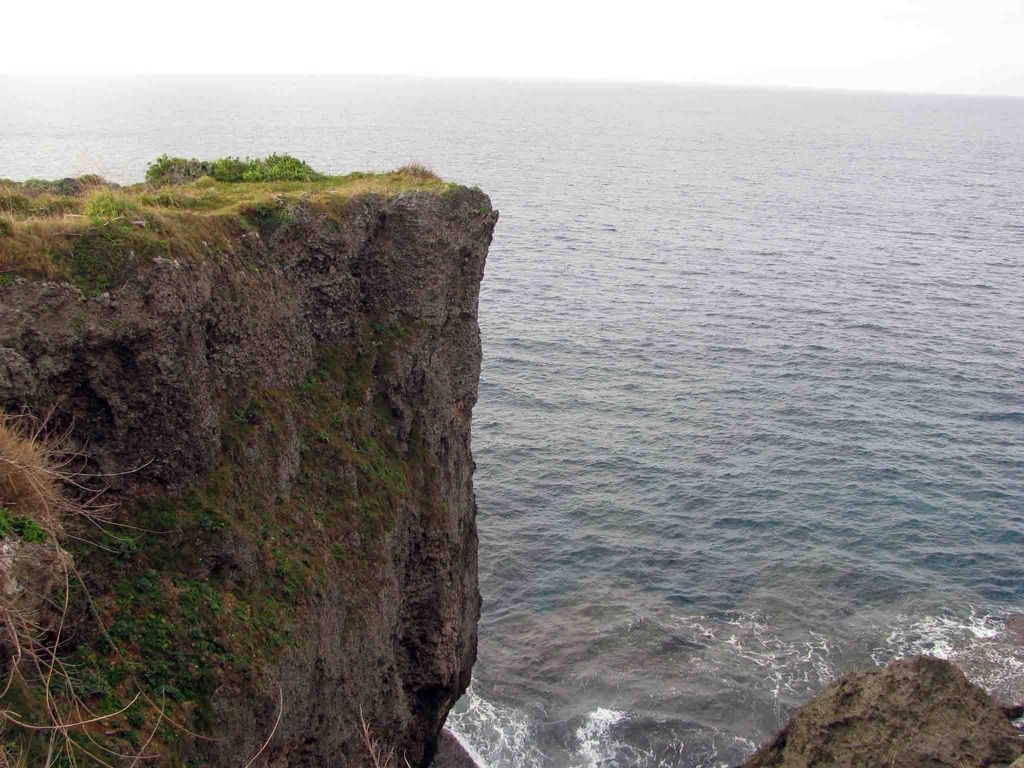
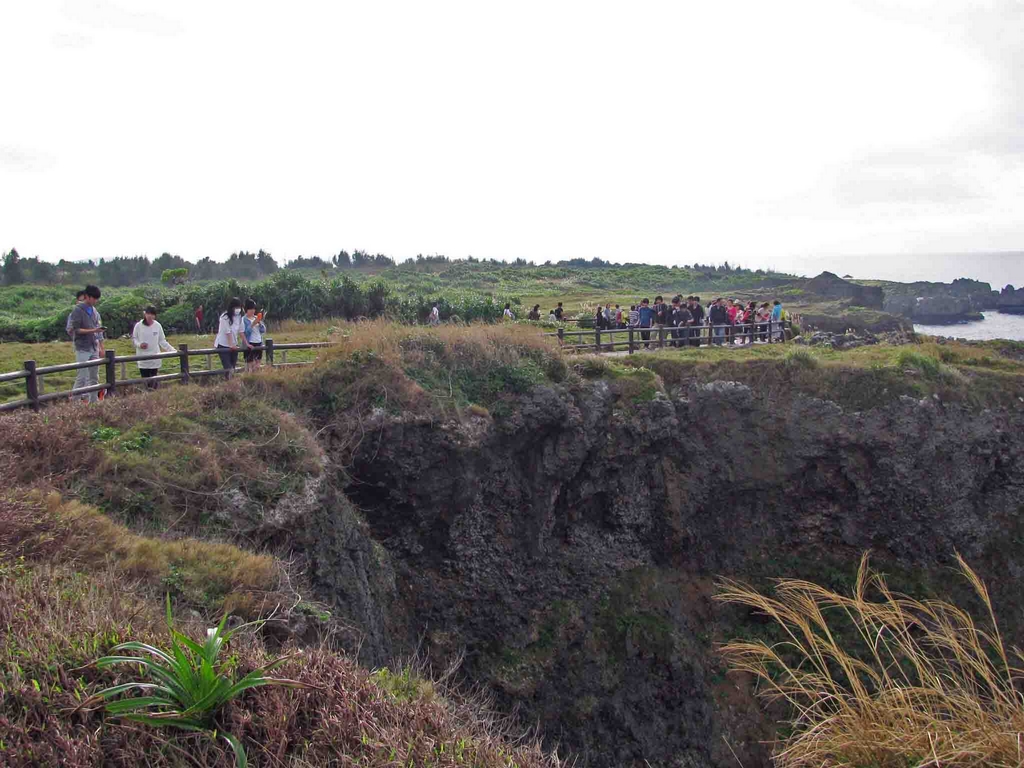
Referred to as the " Elephant’s Nose" , it is a broad, flat land of raised coral reef
covered with natural green grasses.
Located in Okinawa Kaigan Quasi-National Park, this expanse of lush vegetation
is designated as a Natural Monument of Okinawa Prefecture.
About us Tailor-made tour Self-guided tour Golf tour Study tour Contact us
Kyushu Travel Guide Suggested itinerary Blog & local News About Japan 日本語
Shuri Castle
Shuri Castle known as " Gusuku", which is unique in Okinawa.
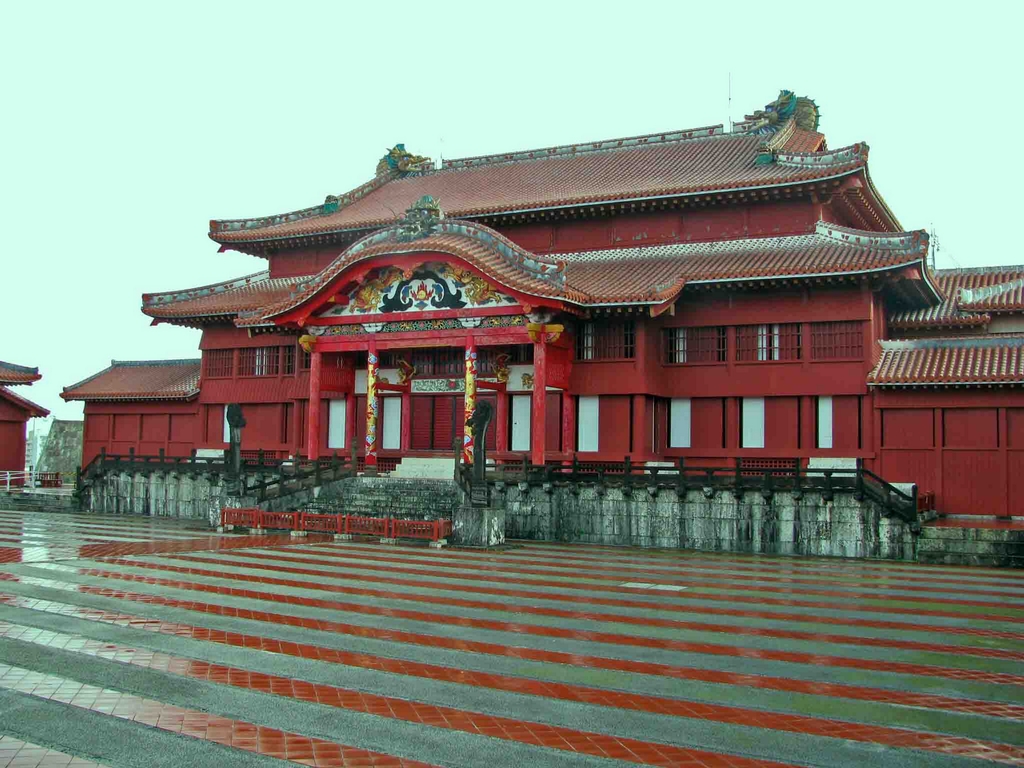
Built on the upland 120 meters above sea level, this world heritage-listed
castle overlooks Naha City, the capital of the Okinawa prefecture.

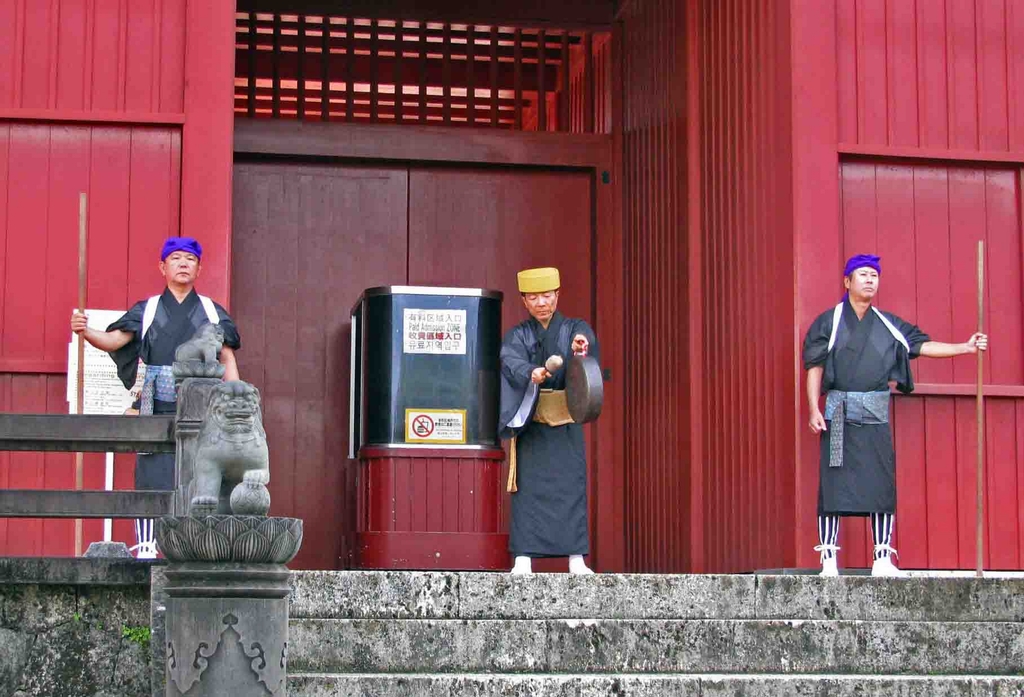
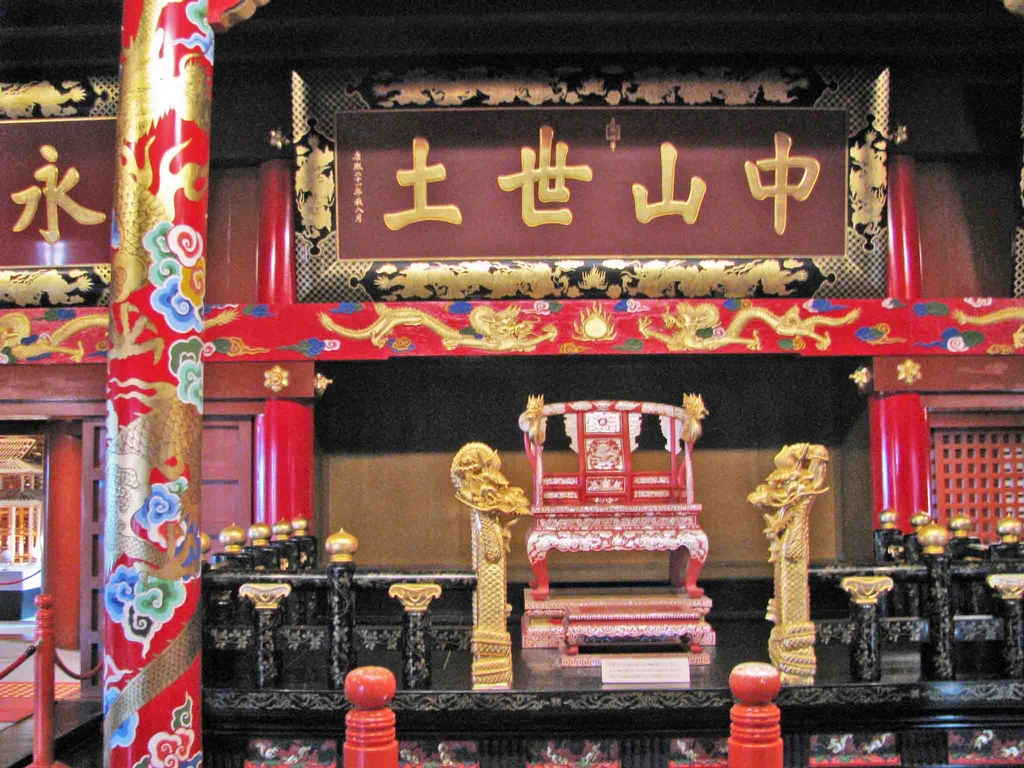
This architectural wonder was profoundly influenced by the architectural
style of Japan and China.
The pattern of dragons and vermilion lacquer coating reflect the Chinese
influence, whereas the structural from of the roof indicates the Japanese
influence.
The castle is magnificently illuminated from sunset to midnight.
About us Tailor-made tour Self-guided tour Golf tour Study tour Contact us
Kyushu Travel Guide Suggested itinerary Blog & local News About Japan 日本語
Kabuki
Kabuki, is one of Japanese traditional stage arts along with Nho
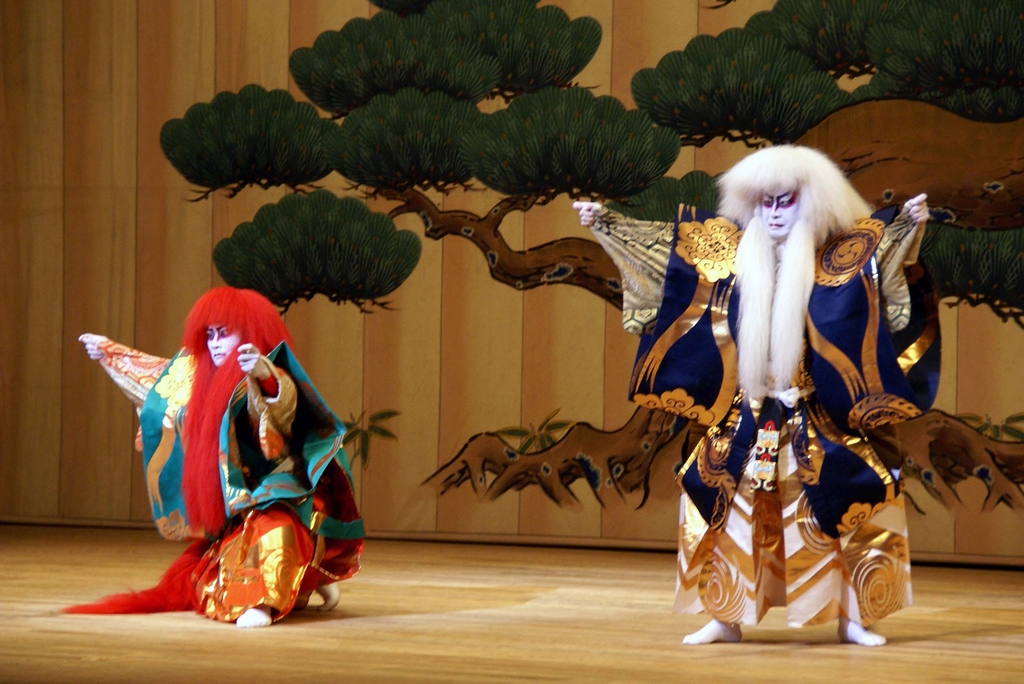 |
It is said to have originated in Kyoto with a woman named Okuni at the beginning of the 17th century.
However, it is now performed only by male actors, so it amazing that the very first performance was by a woman.
Male actors called onnagata specialize in playing female roles. Kabuki started out as theater for the common people, so it does not have strict rules like nho or traditional Japanese music and dance.
The stage was similar to nho stage at first, but has changed
gradually. The hanamichi is a platform extending from the main stage, and is used by actors to come and go from the main stage. |
In Kyushu, you can watch Kabuki at Hakata-za located in Fukuoka-city
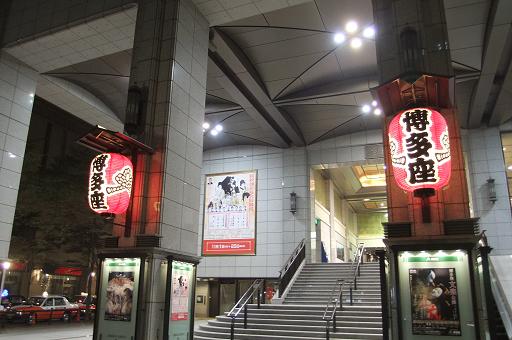 |
Hakata-za The theater for Kabuki plays, musicals, the Takarazuka Revue and variety of other shows that are performed monthly. more … |
Waka
Waka is a style of verse usually containing thirty-one syllable in five lines.
It follows a 5-7-5-7-7 syllable pattern.
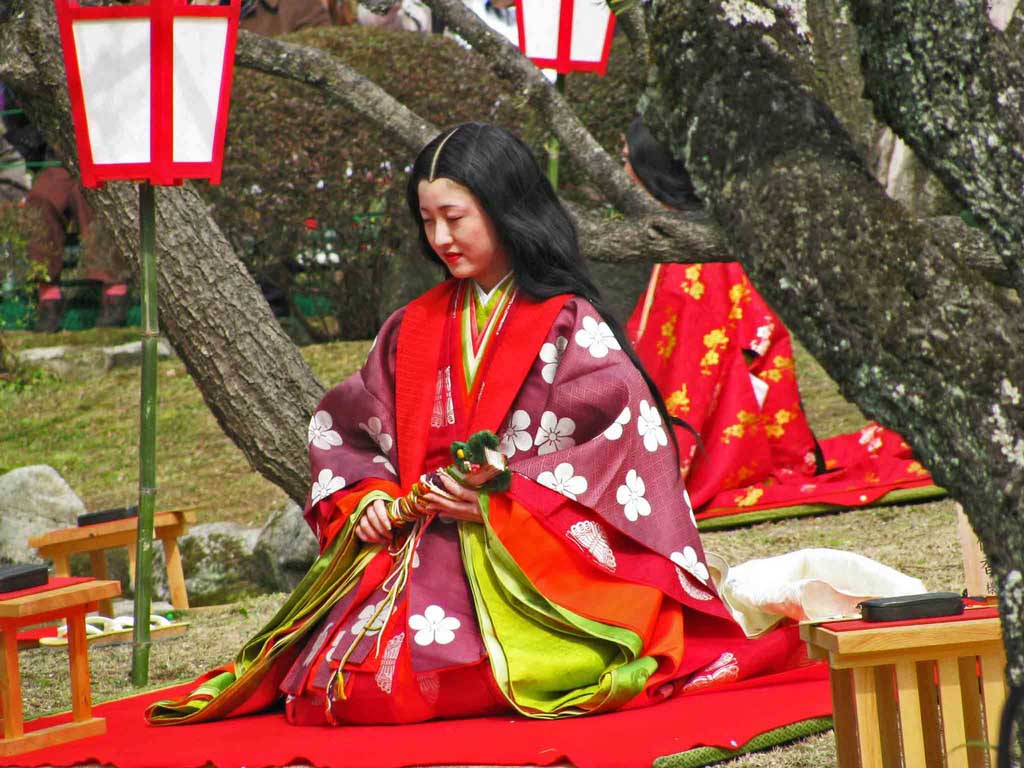
Waka is probably the oldest poetic style in Japan.
In Heian period ( 784-1185) the exchange of romantic waka between men and women
of noble families became popular.
However, waka was used almost exclusively by the cobles, and was never very popular
among commoners.
In the past there were several styles of waka.
They were all based on a similar syllable pattern, but had different length.
Over time, however, the five-line style known as tanka became dominant
and is the only style still popular today.
Indeed, the term of tanka has now become synonymous with waka.
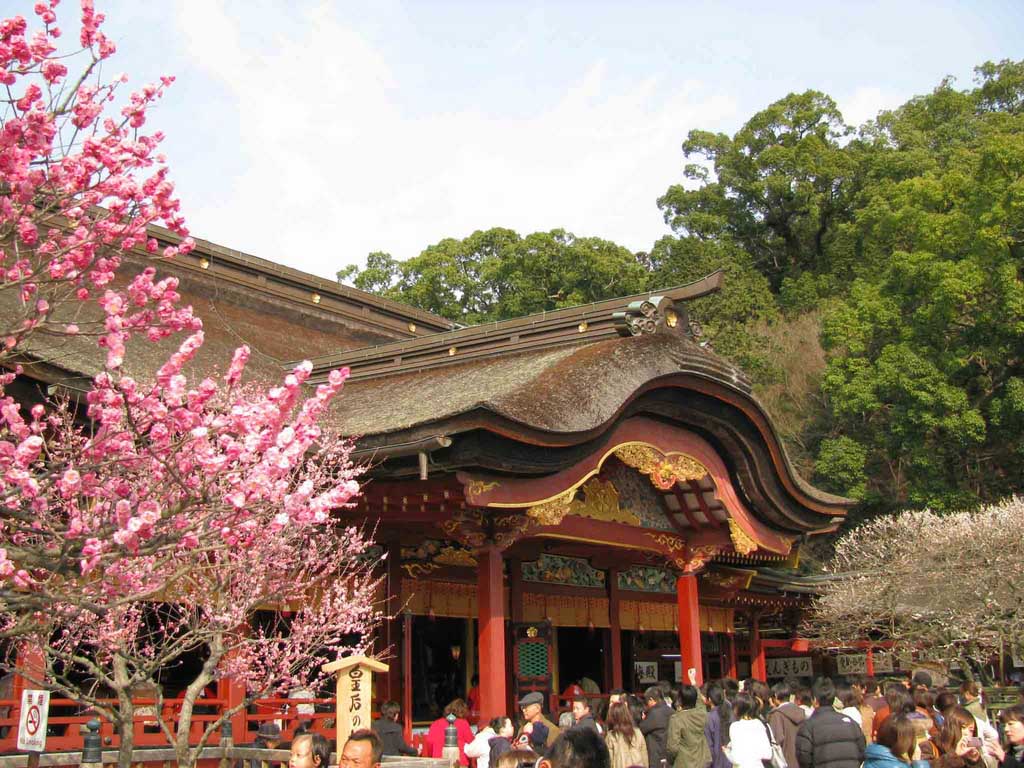
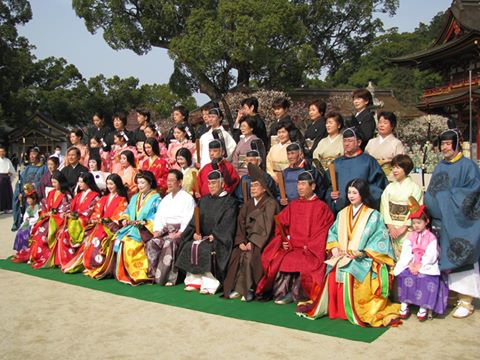
During Kyokusui-no-en festival held at Dazaifu Tenmangu Shrine, waka are
made and are written it down on a strip of fancy paper.
About us Tailor-made tour Self-guided tour Golf tour Study tour Contact us
Kyushu Travel Guide Suggested itinerary Blog & local News About Japan 日本語
 WhatsApp: Chat with us