
Kitakyushu Museum of Natural History & Human History
The largest scale Museum in Western Japan for Natural history and Human history
located in Higashida district.
What to Exhibit
| Natural History Zone | History Zone |
| The History of Earth and Life | Local Festival lobby |
| The Time traveling room | Local Culture history |
| Diversity of life | Discovering history |
| Discovering Nature | History of Kitakyushu |
| Eco-garden | Theme Exhibition |
| Theme Exhibition |
|
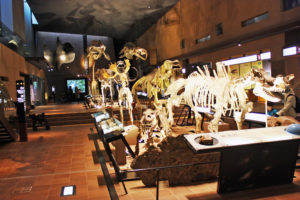
Natural history, exhibit various creatures including dinosaurs |
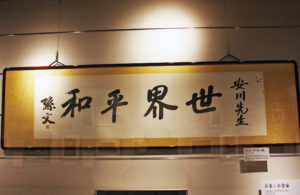
East Asia, exhibition theme of cultural exchange |
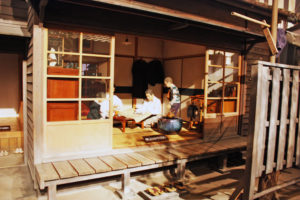
Human history, exhibit the history and lifestyle in Kitakyushu |
General information
| Address | 2-4-1 Higashida Yahata-higashi, Kitakyushu-city, Fukuoka-prefecture |
| Access |
5 minutes walk from JR Space World Station |
| Open hours | 9:00 to 17:00 |
| Admission fee | JPY 500 |
| Days closed | New year’s holidays |
Home Tailor-made tours Study tours Christian Pilgrimage tours Golf tour Kyushu tour packages
Environmental Museum in Kitakyushu
The museum has Environmental learning function, Environmental information function and
Environmental activity function. The Environmental improvement history of Kitakyushu,
Global warming and other various environmental issues can be learned.
|
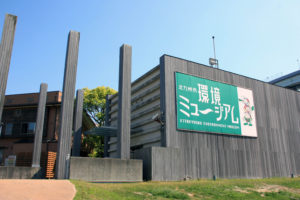
The Museum Building |
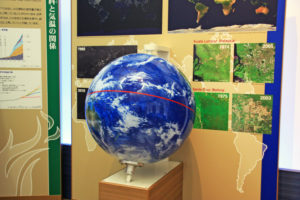
Learn the Global warming |
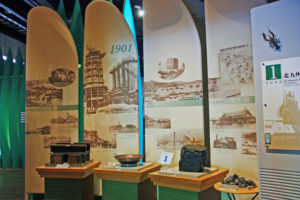
The Environmental improvement history of Kitakyushu |
General information
| Address | 2-2-6 Higashida, Yahata-higashi, Kitakyushu-city, Fukuoka-prefecture |
| Access |
5 minutes walk from JR Space World Station |
| Open hours |
9:00 to 17:00 |
| Admission fee | No admission fee is required |
| Days closed | every Monday |
Home Tailor-made tours Study tours Christian Pilgrimage tours Golf tour Kyushu tour packages
Kitakyushu Eco House
Contributing to the prevention of Global Warming.
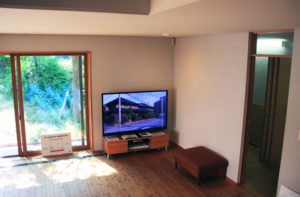
The Eco House proposes an energy-saving lifestyle at home.
It is made environmentally friendly, such as blocking & heat insulation structure and
improving ventilation by ingenerating the arrangement of windows.
Concept of Eco house
1. Comfortable housing with the minimum energy required for life
2. Making maximum use of natural energy without fossil fuels, considering sunlight, solar heat,
underground heat, wind, water and temperature difference
3. Improvement of combatable life style utilized green and water
|
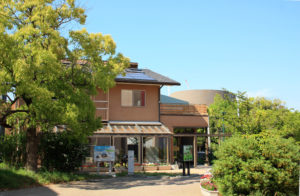
The Eco house surrounding the green |
Heat insulation structure |
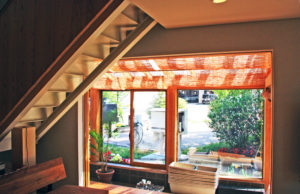
Inside of Energy saving house |
General information
| Address | 2-2-6 Higashida, Yahata-higashi, Kitakyushu-city, Fukuoka-prefecture |
| Access |
5 minutes walk from JR Space World Station |
| Open hours |
9:00 to 17:00 |
| Admission fee | No admission fee is required |
| Days closed | every Monday |
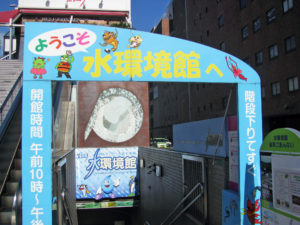
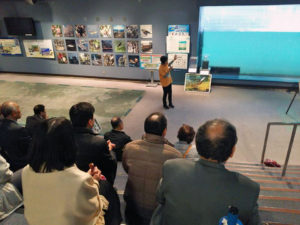
Environmental Museum of Water
The Museum was established along the Murasaki River. You can see and feel the Nature
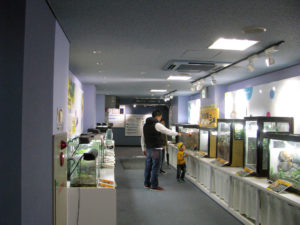
from the view point of fishes, birds and insects at the experience corner. There are ecology
tanks, you can learn about the river and the environment in Kitakyushu-city. And also there
is the huge River observation window with 2.3 metre high and 7.2 metre wide, You can
observe River creatures and fishes as well as Seawater fishes.
 |
 |
 |
General information
| Address | 1-2 Senbamachi, Kokurakita-ku, Kitakyushu-city, Fukuoka-prefecture |
| Access |
10 minutes walk from JR Kokura Station |
| Open hours |
10:00 to 19:00 |
| Admission fee | No fee is required |
| Days closed | New year holidays |
Home Tailor-made tours Study tours Christian Pilgrimage tours Golf tour Kyushu tour packages
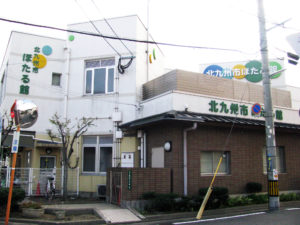
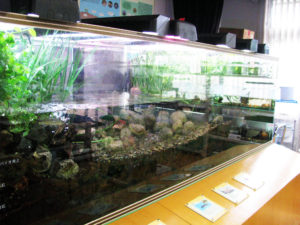
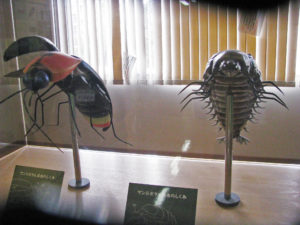
Kitakyushu Firefly Museum
The activities for protecting fireflies have been continued for over 30 years by citizens
in Kitakyushu-city. Firefly Museum was established as a facility that supports activities
related to preservation of the natural environment, learning and research on fireflies and
other waterside creatures and their habitats.
 |
 |
 |
General information
| Address | 2-5-1 Kumagai, Kokurakita-ku, Kitakyushu-city, Fukuoka-prefecture |
| Access |
15 by a vehicle from JR Kokura Station |
| Open hours |
9:00 to 17:00 |
| Admission fee | No fee is required |
| Days closed | Tuesday, New year holidays |
Home Tailor-made tours Study tours Christian Pilgrimage tours Golf tour Kyushu tour packages
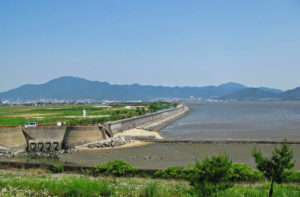
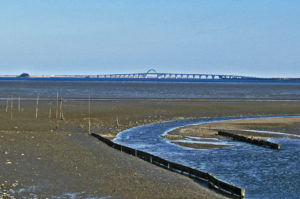
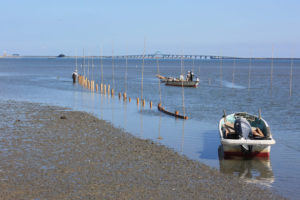
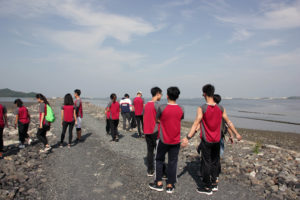
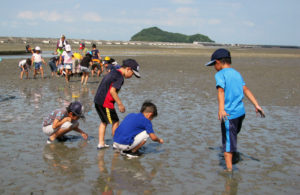
Sone Tideland
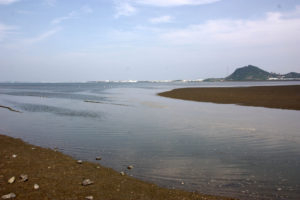
Sone tideland facing the Seto Inland Sea from Sone, in Kitakyushu-city and is one of the
largest tideland in the Seto Inland Sea ; it is about 5 km offshore with an area of about 517 ha.
 |
 |
 |
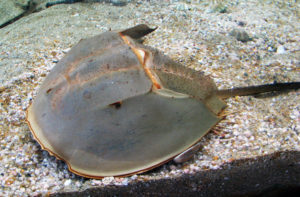
The tideland is the home to some 326 species of benthic animals in the tidal flat, including a
handful of endangered species, like the ancient horseshoe crab that has not changed since the
age of dinosaurs. Several endangered birds are seen during the summer, like the Saunders’s
Gulls, Eastern Marsh Harrier, and the Intermediate Egret.
 |
 |
 |
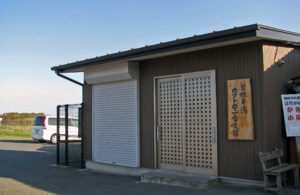
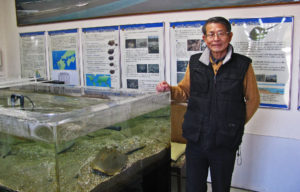
Horseshoe Raising house, the ecology of the horseshoe can be learn here.
 |
 |
 |
Home Tailor-made tours Study tours Christian Pilgrimage tours Golf tour Kyushu tour packages
West Japan Industrial Club
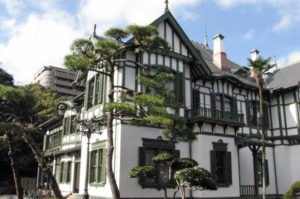
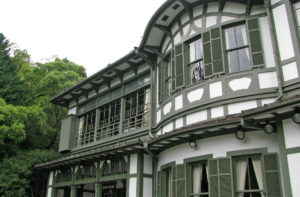
Historic Building representing modern Japanese architecture
The building was constructed in 1911 as the former Matsumoto Kenjiro residence, and
was designed by renown architectural designer Tatsuno Kingo, whose representative
works was JR Tokyo Station. The building is designated as a national cultural asset.
Former owner, Matsumoto Kenjiro was a Japan’s prominent business person and one
of founder of Meiji Senmon Gakkō or Meiji Technical College, Current Kyushu Institute
of Technology.
 |
 |
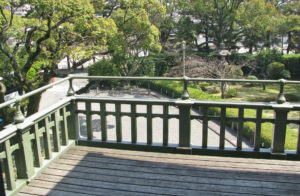 |
This building is now open to the public, and it is used as a restaurant, party and wedding reception.
General information
| Address | 1-4-3 Ichieda, Tobata, Kitakyushu-city, Fukuoka-prefecture |
| Access |
20 minutes by a vehicle from JR Kokura World Station 10 minutes by a vehicle from JR Tobata Station |
Home Tailor-made tours Study tours Christian Pilgrimage tours Golf tour Kyushu tour packages
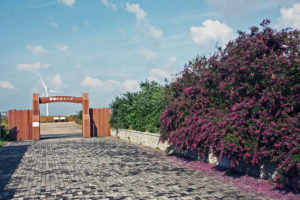
Hibikinada Biotope in Kitakyushu
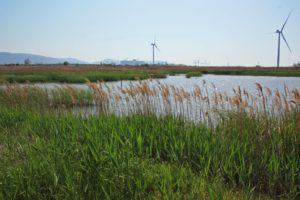
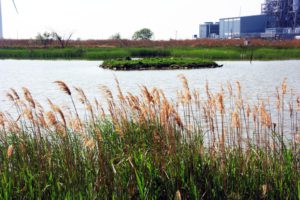
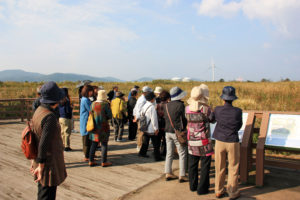
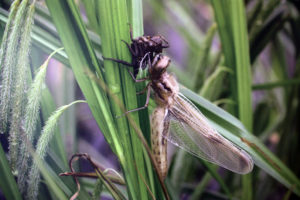
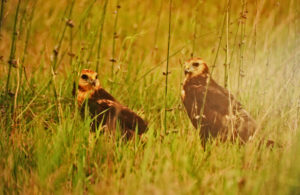
Japan’s largest Biotope. The Paradise of creatures made over the year in the waste disposal
site. 237 kind of birds including circus spinouts listed on the Japan’s endangered species
and 284 kind of vegetation have been confirmed in the Biotope of 41 hectares.
 |
 |
 |
 |
 |
 |
General information
| Address | 1 Hibikimachi, Wakamatsu-ku, Kitakyushu-city, Fukuoka-prefecture |
| Access |
30 minutes by a vehicle from JR Kokura Station |
| Open hours |
9:00 to 17:00 |
| Admission fee | JPY 100 |
| Days closed | Tuesday |
Home Tailor-made tours Study tours Christian Pilgrimage tours Golf tour Kyushu tour packages
Zero Emission Transportation System
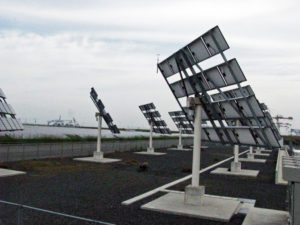
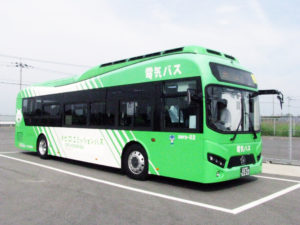
Global environment friendly Transportation System. The Electric bus driven by the electricity
generated by a solar power generation, therefor no global warming gases emitted from the bus.
Operation of the system is commenced in 2015. The solar power generation plant, the power
charging equipment and Electric bus can be observed. The electric bus operates between
Wakamatsu and Tobata in Kitakyushu-city.
|
Solar Power Generation for the Electric bus |
Electric bus |
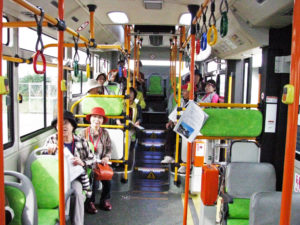
On the Electric bus |
General information
| Address | Koyomachi Wakamatsu Kitakyushu-city Fukuoka-prefecture |
| Access | A 30 minutes ride a vehicle from JR Kokura Station |
| Days of visit | Weekdays except Saturdays, Sundays and National Holidays |
| Fee | No visiting fee is required |
| Booking | Can be made by Japan KYUSHU Tourist |
Home Tailor-made tours Study tours Christian Pilgrimage tours Golf tour Kyushu tour packages
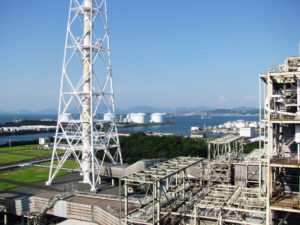
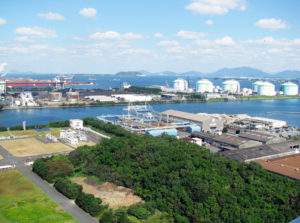
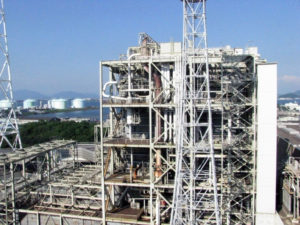
Kyushu Electric Power / LNG thermal power plant
Kyushu Electric Power / Shin-Kokura Plant. Kyushu’s first thermal power plant used LNG
and power generation capacity is 1,800,000kw. Generation of electricity process can be
learned by visiting the turbine room, control room and boiler plant.
Where to visit
Exhibition hall, Control room, Turbine room and Boiler room
 |
 |
 |
General information
| Address | 64-1 Nishiminato-machi Kokura-kita, Kitakyushu-city. Fukuoka-prefecture |
| Access | A 15 minutes ride a vehicle from JR Kokura Station |
| Days of visit | Weekdays except Saturdays, Sundays and National Holidays |
| Fee | No visiting fee is required |
| Booking | Can be made by Japan KYUSHU Tourist |
Home Tailor-made tours Study tours Christian Pilgrimage tours Golf tour Kyushu tour packages
 WhatsApp: Chat with us