
Atomic Bomb Museum
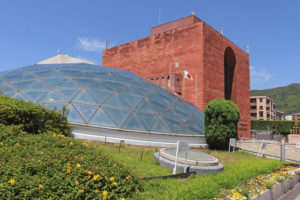
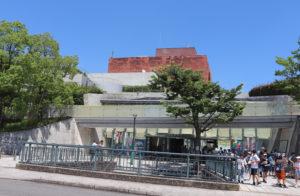
The Nagasaki Atomic Bomb Museum opened in April 1996 as part of a project
commemorating the 50th anniversary of the atomic bombing. The museum
replaced the Nagasaki International Cultural Hall, which had previously exhibited
a vast collection of artifacts related to the bombing.
 |
 |
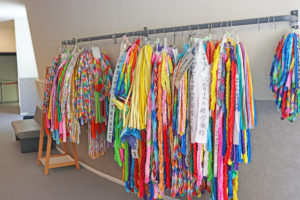 |
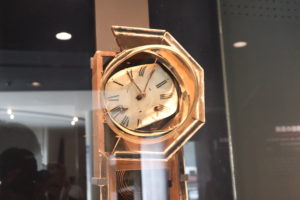
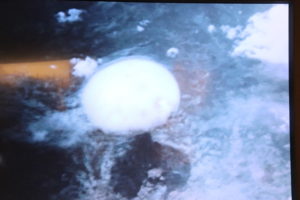
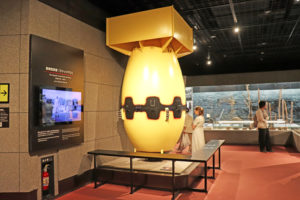
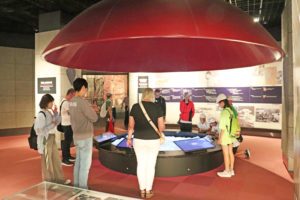
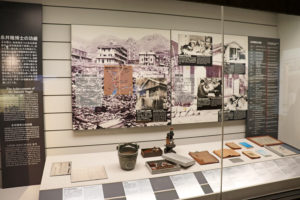
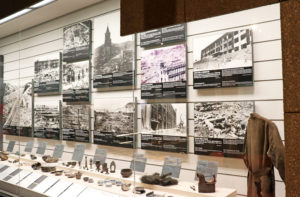
The museum exhibits numerous photographs and artifacts that depict the
devastation caused by the atomic bomb. Its displays also cover the history leading
up to that tragic day, the development of nuclear weapons, and our enduring
desire for peace.
 |
 |
 |
|
|
 |
 |
 |
 |
 |
Design Your Kyushu Trip
We arrange tailor-made Kyushu private tours.
Connect below via your preferred method:
Endo Shusaku Literary Museum
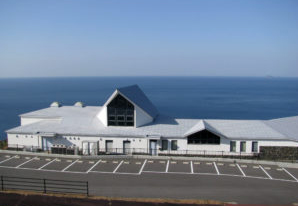
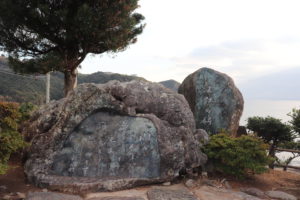
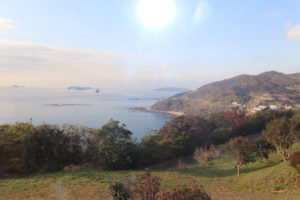
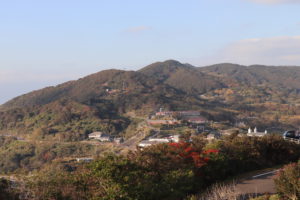
Sotome is a peaceful area in Nagasaki City, renowned as the setting
for Shusaku Endo’s acclaimed novel “Silence.” The region is blessed
with abundant natural beauty encompassing the sea, mountains, and
rivers, alongside a unique Christian history and culture. In particular,
the area where the Shusaku Endo Literary Museum stands is widely
known as the model for the hidden Christian village depicted in
“Silence,” one of Endo’s most notable masterpieces.
 |
 |
 |
 |
 |
 |
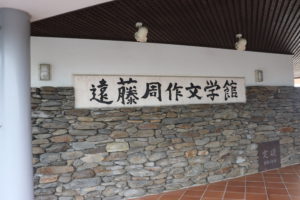
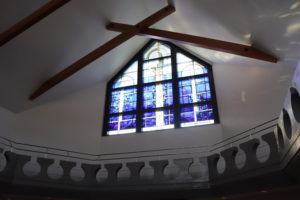
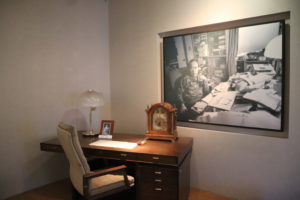
Following Shusaku Endo’s death, this Literary Museum was established
thanks to the generosity of his family. It is filled with Endo’s personal
belongings, mementoes, manuscripts, and his extensive collection of
books.
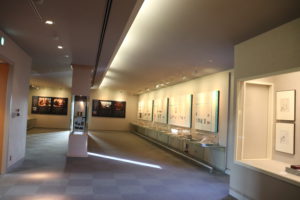
The museum’s exhibits trace the footsteps of Shusaku Endo as one of
Japan’s greatest literary figures. In addition, the facility collects, preserves,
and exhibits research materials for public perusal, operating as an
information center for his life and works.
 |
 |
 |
Note : “Silence” by Shusaku Endo
Design Your Kyushu Trip
We arrange custom Nagasaki & Kyushu Christian Pilgrimage Tours.
Connect below via your preferred method:
Dejima
Dejima was a fan-shaped artificial island in Nagasaki Bay that
was used as a trading port during Japan’s period of national
isolation in the Edo period. In 1636, Dejima was constructed to
confine the Portuguese living in Nagasaki and to prevent the
spread of Christianity. In 1639, trade with Portugal was banned,
leaving Dejima temporarily uninhabited. In 1641, the Dutch trading
post in Hirado was moved to Dejima, marking the beginning of trade
with the Dutch as Japan’s sole gateway to Europe. Until 1853,
numerous European technologies and cultures were introduced
here through the Dutch.
|
Entrance of Dejima |
Fan-shaped artificial island, was built in 1636 |
Dejima used from 1641 until 1853 |
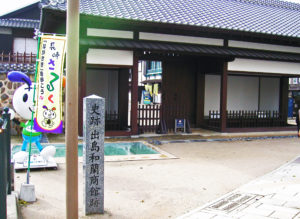
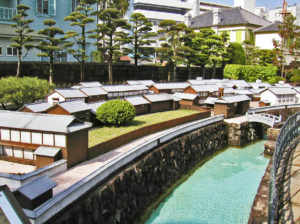
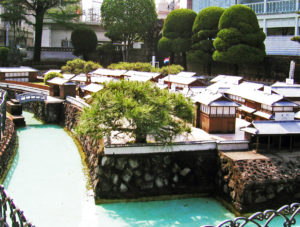
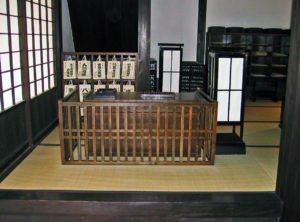
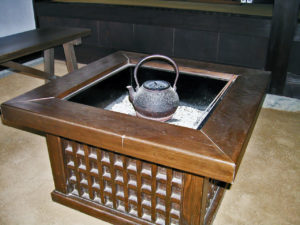
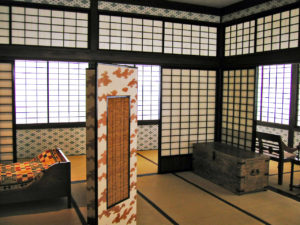
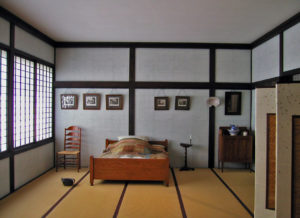
A project to restore Dejima is underway. In 2000, five buildings
including the Deputy Factor’s Quarters were completed and
opened to the public.
|
Dejima International Club
|
Building of residence, cooking room, warehouse |
The old Dejima seminary, a Christian theological school |
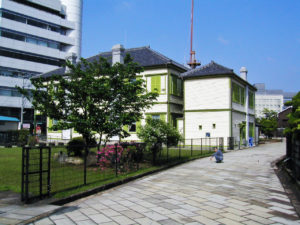
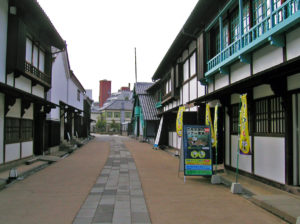
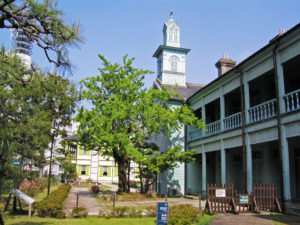
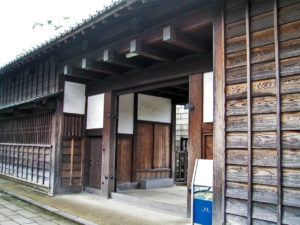
In the spring of 2006, the restoration was finalized for several key
structures, including the Chief Factor’s Residence, the Japanese
Officials’ Office, the Head Clerk’s Quarters, No. 3 Warehouse,
and the Sea Gate.
 |
|
|
 |
 |
 |
|
|
|
|
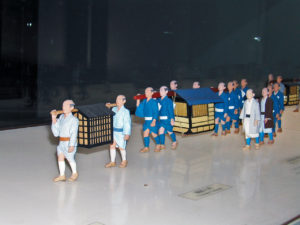
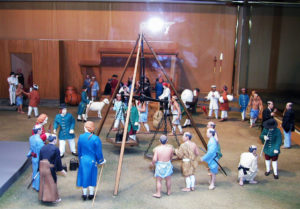
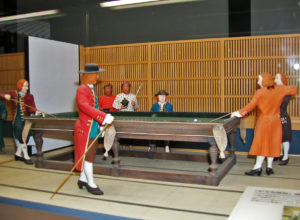
|
|
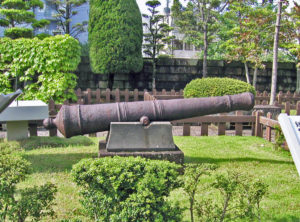 |
|
Design Your Kyushu Trip
We arrange tailor-made Kyushu private tours.
Connect below via your preferred method:
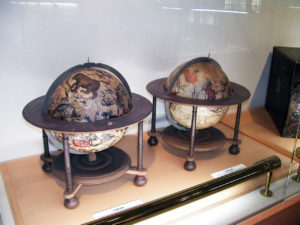
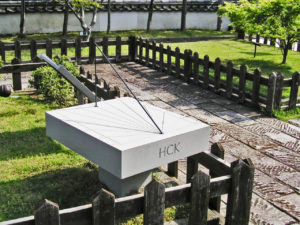
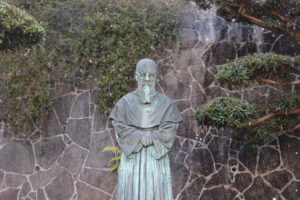
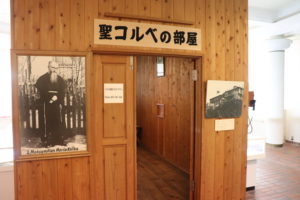
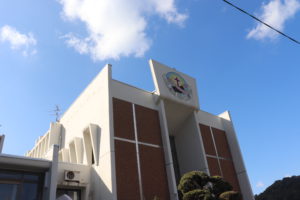
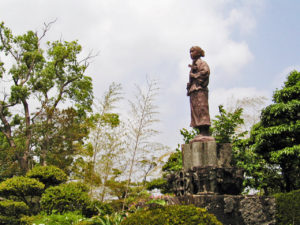
Saint Kolbe Memorial Museum, at Hongouchi Church
 |
 |
 |
Design Your Kyushu Trip
We arrange custom Nagasaki & Kyushu Christian Pilgrimage Tours.
Connect below via your preferred method:
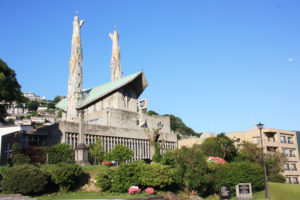
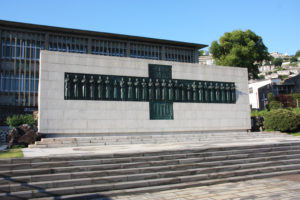
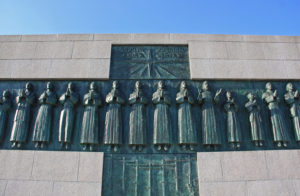
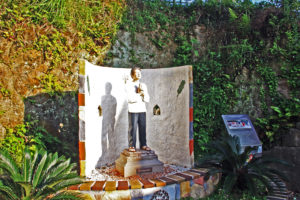
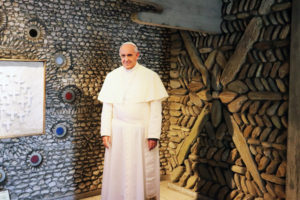
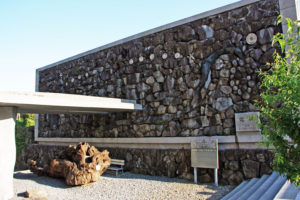
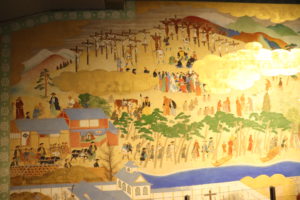
Martyrdom of the 26 Saints of Japan
Nishizaka Hill in Nagasaki is the site where 26 Catholics, including Paulo Miki,
were crucified on February 5, 1597. Arrested in Kyoto and Osaka by order of
Toyotomi Hideyoshi, they were forced to march 800 km in the snow to their
execution
Then, they all ascended to heaven with the happiness of giving their lives
to Christ.
|
Nishizaka hill, the site of Martyrdom in 1597 |
The martyrs said that ” All people, bless God ! ” |
The 26 Japanese martyrs have been canonized in 1862 |
 |
 |
 |
 |
 |
 |
 |
 |
 |
Design Your Kyushu Trip
We arrange custom Nagasaki & Kyushu Christian Pilgrimage Tours.
Connect below via your preferred method:
Oura Cathedral
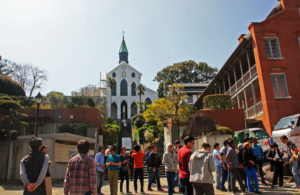
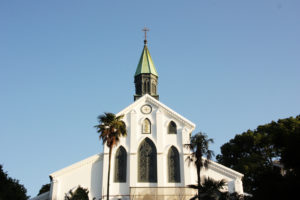
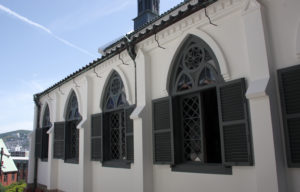
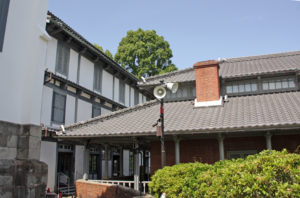
The cathedral is one of the most significant Christian pilgrimage sites in Japan.
Established in 1865, this church is officially known as “Oura Cathedral, the
Church of the 26 Martyrs.” It was built by Father Bernard Petitjean, a French
priest from Fier, who had been dispatched by the Paris Foreign Missions Society
to offer prayers for the 26 saints martyred on Nishizaka Hill. For this reason,
the cathedral directly faces Nishizaka Hill. It was designated as a National
Treasure in 1933 in recognition of its historical value as Japan’s oldest
Gothic-style cathedral.
 |
 |
 |
On March 17, 1865, a group of peasants from Urakami visited the church and
professed their secret faith to Father Petitjean, revealing that Christianity had
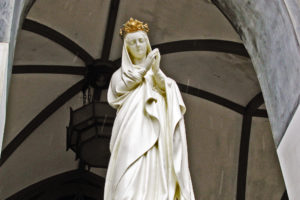
survived through centuries of intense persecution. The white marble statue of
the Holy Mother at the entrance was erected to commemorate this dramatic
discovery of the “Hidden Christians.
|
|
|
|
Design Your Kyushu Trip
We arrange custom Nagasaki & Kyushu Christian Pilgrimage Tours.
Connect below via your preferred method:
The 26 Martyrs Museum
 |
 |
 |
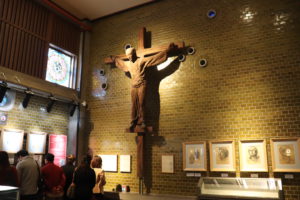
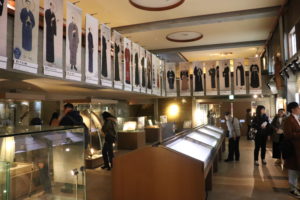
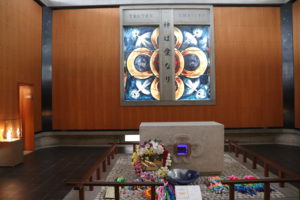
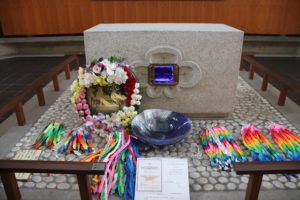
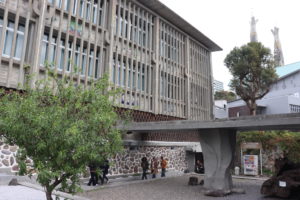
The museum behind the monument is devoted to the memory of the martyrs and
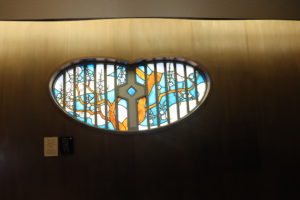
the history of Christianity in Japan. Its interior is reminiscent of a church, complete
with beautiful stained-glass windows that create a serene atmosphere for viewing
the exhibits. On display are various artifacts related to early Japanese Christianity,
including historical documents, statues, and religious items.
 |
 |
 |
 |
 |
 |
Design Your Kyushu Trip
We arrange custom Nagasaki & Kyushu Christian Pilgrimage Tours.
Connect below via your preferred method:
Urakami Cathedral
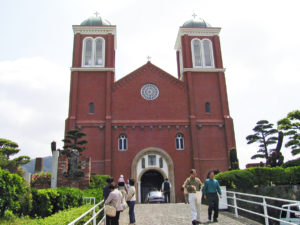
Construction of the original Urakami Cathedral, a brick Romanesque
building, began in 1895 after the long-standing ban on Christianity was
lifted.
When completed in 1914, it was the largest Catholic church in East Asia.
 |
|
|
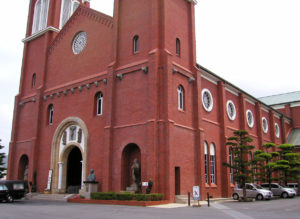
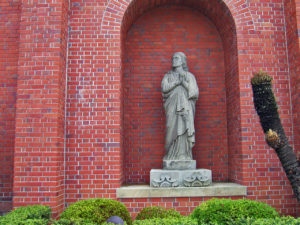
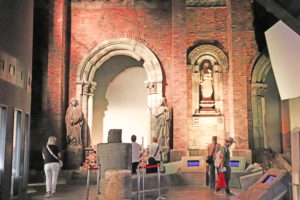
The atomic bomb that detonated on August 9, 1945, exploded in Urakami,
just 500 meters from the cathedral, completely destroying it. The remains
of the original cathedral are now on display at the Nagasaki Atomic Bomb
Museum.
A replacement church was built in 1959 and was remodeled in
1980 to more closely resemble the original brick building.
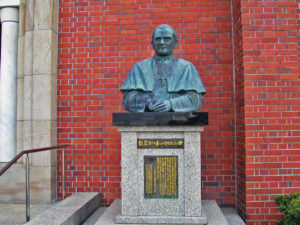 |
|
|
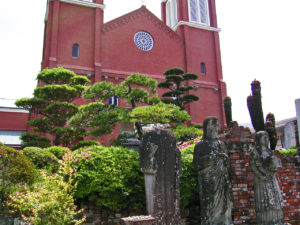
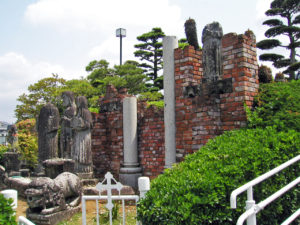
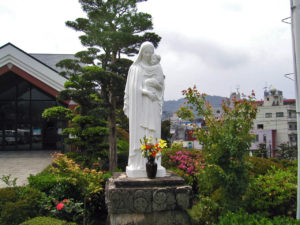
The nearby the Ground Zero in Peace Park contains remnants of the
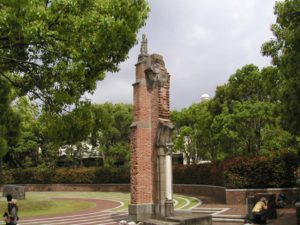 |
|
|
Design Your Kyushu Trip
We arrange custom Nagasaki & Kyushu Christian Pilgrimage Tours.
Connect below via your preferred method:
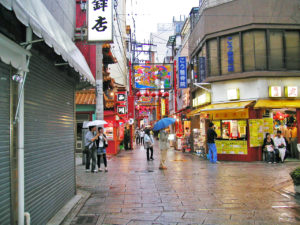
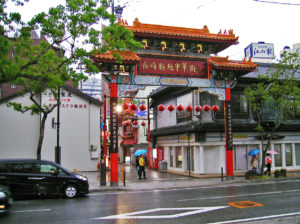
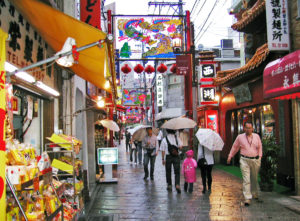
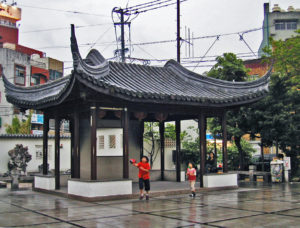
China town
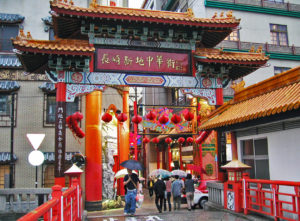
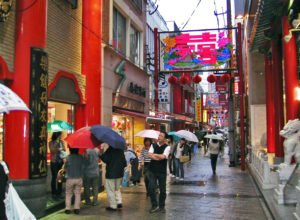
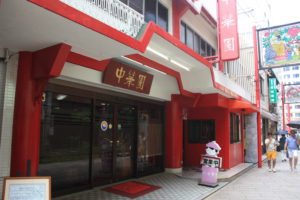
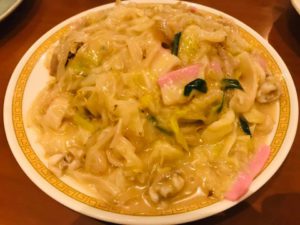
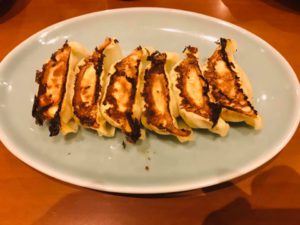
Nagasaki Shinchi Chinatown is one of the three major Chinatowns
in Japan. It features about 50 Chinese restaurants and numerous
souvenir and sundry shops.
 |
|
|
|
|
|
|
 |
 |
 |
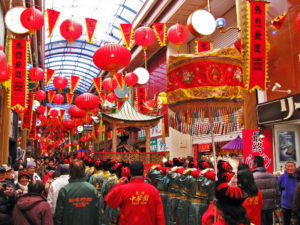
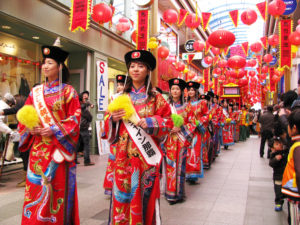
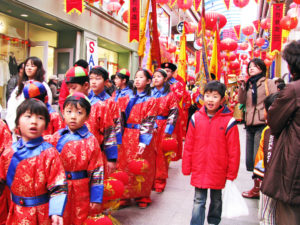
This annual festival in Nagasaki is held to celebrate the Chinese
New Year. It originally started as a New Year celebration among
the Chinese residents living in Nagasaki, before expanding into
a major city-wide festival in 1994. During the festival, more than
10,000 lanterns beautifully decorate Chinatown and the
surrounding areas.
 |
 |
 |
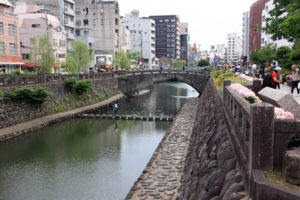
Megane-bashi bridge
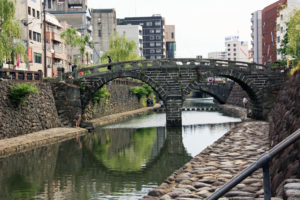
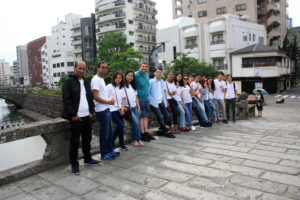
Built over the Nakashima River in 1634, Meganebashi (Spectacles
Bridge) is the oldest stone arch bridge in Japan. It was
constructed by the Chinese monk Mokusunyoujo, a second
–generation monk at Kofukuji Temple. Recognized for its historical
and architectural significance, this iconic bridge has been
designated as an Important Cultural Property.
 |
 |
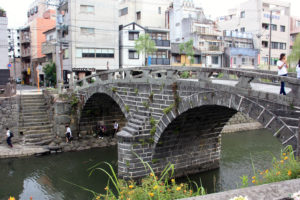 |
Meganebashi is also part of the first group of bridges built over
the Nakashima River. This stone, double-arch bridge received
the nickname ‘Spectacles Bridge’ because its two arches and
their reflection in the water perfectly create the image of a pair
of spectacles.
 |
 |
 |
 WhatsApp: Chat with us