
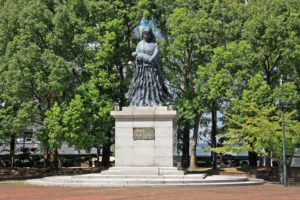
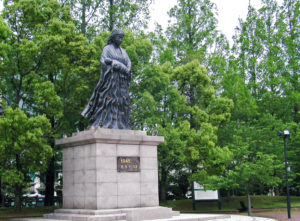
Monument of the Child Praying for Peace
At the bottom of the steps leading down from the front of the Nagasaki Atomic Bomb Museum
The Monument of a Child Praying for Peace depicting a girl wearing a kimono and holding
a folded paper crane. At that time of the atomic bombing there were several schools in
the Ground Zero area and some 10,000 school children are through to have perished in
the bombing.
|
|
 |
 |
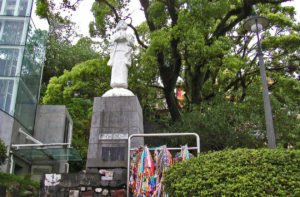
On the 20th anniversary of the atomic bombing, donations were collected widely from
children who express their wish for peace, and this statue was unveiled on August 9, 1967
and remains to this day as a symbol the aspiration for eternal peace.
Kofukuji Temple
After the Tokugawa Shogunate banned Christianity, non-Christian Chinese merchants
began making port at Nagasaki around 1600. Chinese people soon started living in Nagasaki
and etitioned the Nagasaki government to let them built a Chinese temple to pray for safe
navigation and console of the deceased. Permission was granted for the construction of
first Chinese temple.
|
|
|
|
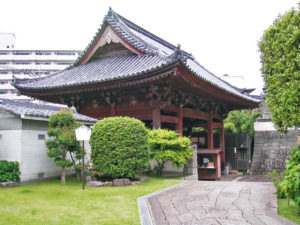
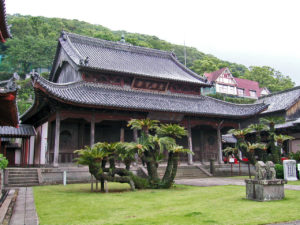
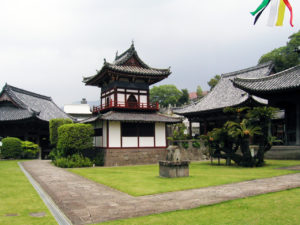
Kofukuji Temple was completed in 1620, and Chinese traders then planned to invite a high-ranking
priest from China as the temple’s chief abbot. The Kofukuji Temple’s present main hall was built in
1883 by Chinese experts who were invited to Japan mainly by residents in Nagasaki hailing from
Nanjin. It was designated as an Important Cultural Asset.
|
|
|
|
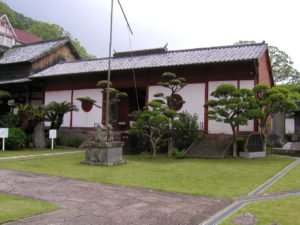
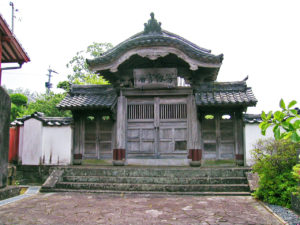
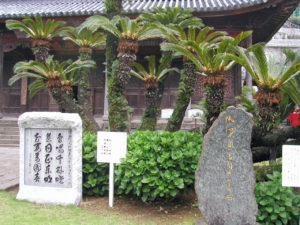
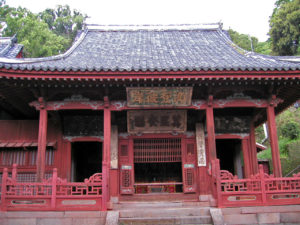
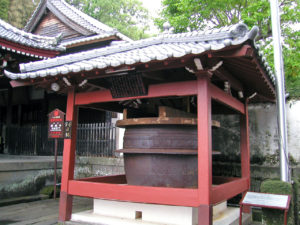
Sofukuji Temple
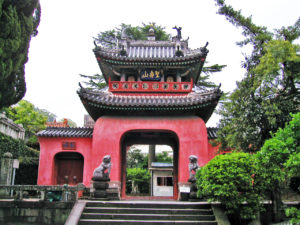
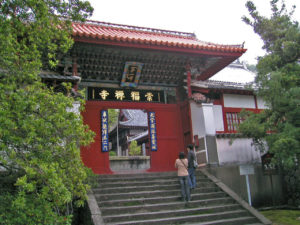
The first Chinese style temple in Nagasaki. Shortly after the construction of Kofukuji Temple,
Chinese traders asked the Nagasaki governor for permission to built Chinese temples
according to their home provinces. It is recorded that this temple was built in 1629 by people
who came from Fuzhou in Fujian Province. It is designated as a National Treasure.
|
|
|
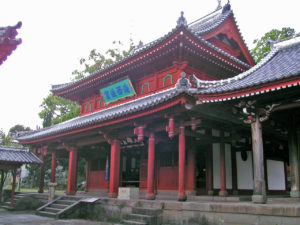 |
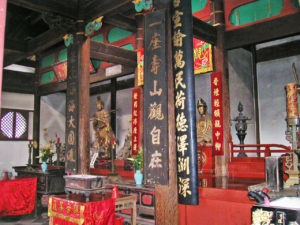
The existing main hall ( called Daiyuhoden ) was first prefabricated in China, then transported by
Chinese ship and constructed in 1646. As the oldest existing structure to retain the Obaku style
of the end of the Ming Dynasty, the temple’s hall is highly evaluated.
|
|
|
|
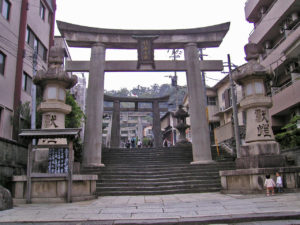
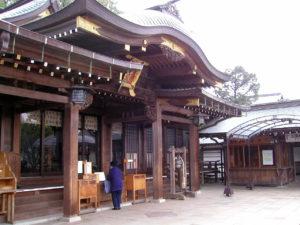
Suwa Shrine
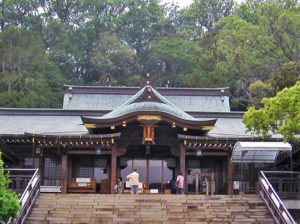
The complex of building and gardens comprising Suwa Shrine nestles on a shaded stretch of
hillside overlooking the heart of Nagasaki-city. The shrine was founded in the wake of ban
of Christianity in the early 17th century, and during the Edo Period it soon grew into a spiritual
and cultural hub for the citizens of Nagasaki. During Meiji and Taisho Periods, it was not only
Nagasaki’s foremost Shinto shrine but also this city’s most popular destination for foreign tourist
who came seeking a glimpse into heart of Japan.
|
|
 |
|
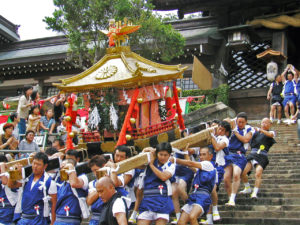
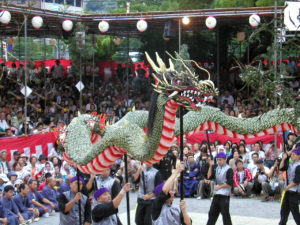
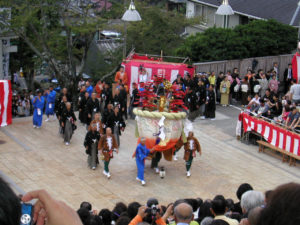
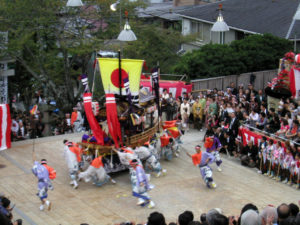
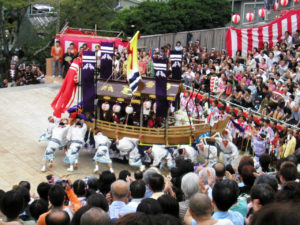
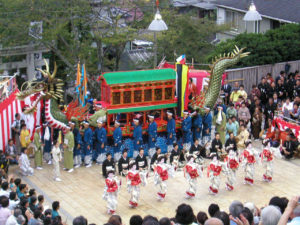
Held from October 7 to 9 every year and is considered one of the three major festivals of
Japan, being designated as an Important Intangible Cultural Asset.
 |
|
|
|
|
|
|
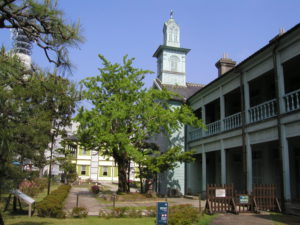
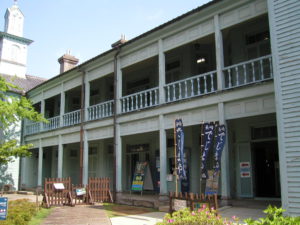
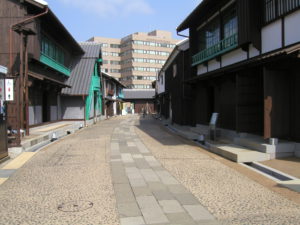
St. Andrew’s Seminary at Dejima, in Nagasaki
After the ban on Christianity lifted in 1873, Burnside who was the British Church Missionary created
a cram school at his home to teach the English Bible. In 1877, the school was moved to the Dejima
English-Japanese School building at Dejima, and St. Andrew’s Seminary was opened.
It was then used as the Seminary until 1886.
|
|
|
|
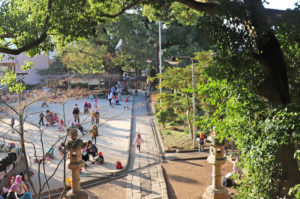
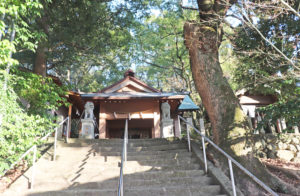
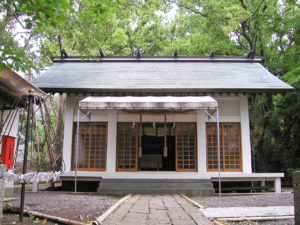
Sanno Shrine
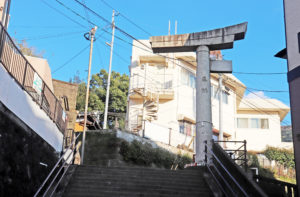
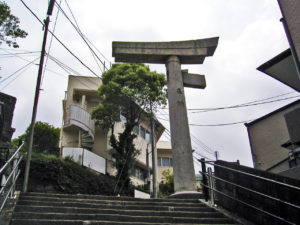
Sanno Shrine is located approximately 800 meters away from the ground zero of Atomic bomb.
The Shrine was instantly obliterated by the explosion and the 4000 degrees Celsius heat wave
vaporized nearby trees.
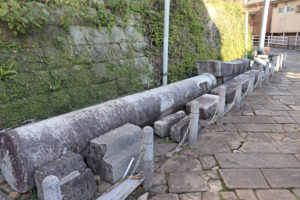
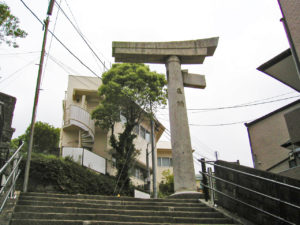
The only thing that remained is the Torii gate standing on a single column, reminding us of the
tragedy that took place.
 |
 |
 |
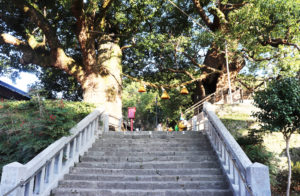
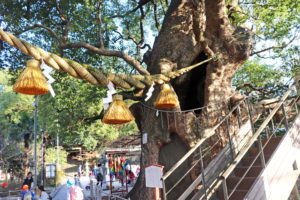
The surviving trees of Sanno Shrine have become another living demonstration of destruction
and re-growth. Two large camphor trees were scorched, burned and stripped of all leaves by
the Atomic bomb’s shock wave; and yet, despite everything, the trees survived.
The surviving camphor trees are now a symbol of World Peace.
 |
 |
 |
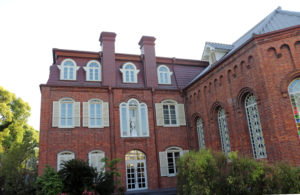
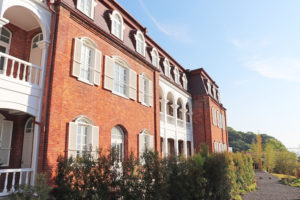
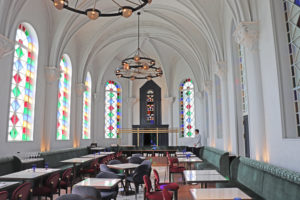
Seishin girls’ School
Japan’s first Catholic girls’ school opened in 1891. It was relocated to a site built
in 1898. The building has now been renovated and is now Hotel Indigo Nagasaki.
The red brick structure and arched window frames remain intact, creating a nostalgic
Romanesque atmosphere.
 |
 |
 |
Atomic bomb in Nagasaki
Disastrous War must not be repeated.
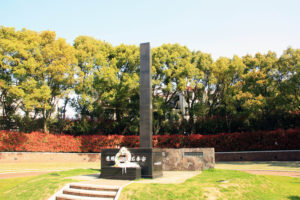
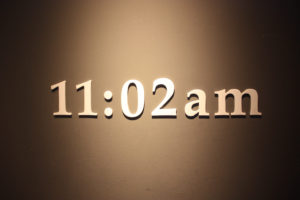
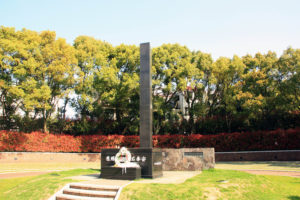
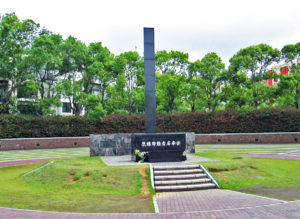
The plutonium atomic bomb exploded about 500m over the central monument
at 11:02 a.m. on August 9, 1945.
The most part of Nagasaki was destroyed, and a tremendous number of lives were lost.
And about 70,000 of Nagasaki’s 240,000 residents died instantly, and up to 60,000 were injured.
|
The time, Atomic bomb was exploded |
Atomic bomb exploded over the central monument |
Nuked 50th Anniversary Monument |
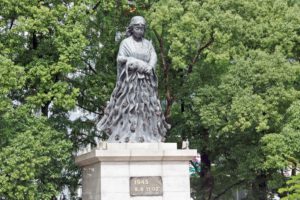
The radius of total destruction was about 1.6km, followed by fires across the northern portion of the
city to 3.2km south of the bomb.
|
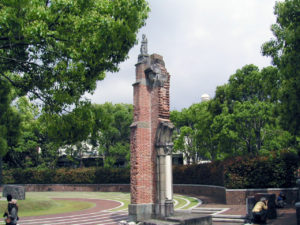
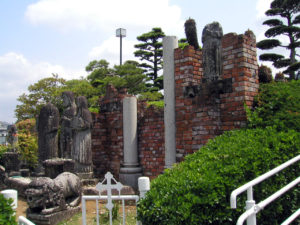
Ruin of destroyed Urakami Cathedral |
Ruin of destroyed Urakami Cathedral |
The one leg Torii gate at Sanno Shrine |
The total number of residents died may have been as many as 80,000, including those who died
from radiation poisoning in the following months. Even now, many atomic bomb survivors are
suffering. The list of names of the atomic bomb victim who died up to now is stored in the monument.
|
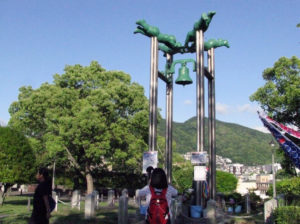
The Bell of Nagasaki |
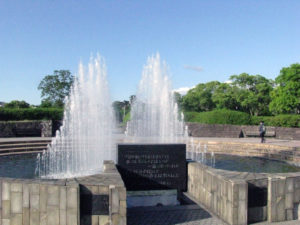
Peace Fountain |
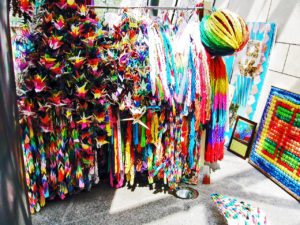
Folding paper cranes pray for peace |
Damaged Torii at Sanno Shrine
The damaged Torii ( stone archway on the path to a shrine ) by the atomic bombing
is located about 800 m southeast of Ground Zero located in the present Nagasaki
|
|
|
|
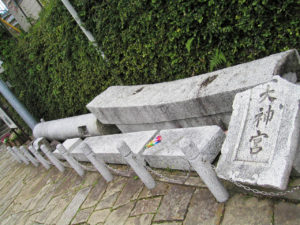
The pillar and beams on the side near Ground Zero were slapped down by the blast,
leaving only half of the structure standing.
This strange damage was caused by exposure to a brief but tremendous blast stone.
The blast wind shifted the beam at the top of Torii, grazed the surface of pillar facing
Ground Zero and erased the names of donators that had been engraved there.
One of the few relics of the atomic wasteland still standing on its original site, this
Torii speaks silently of the awesome power generated by the atomic bomb explosion.
Home Tailor-made tours Study tours Christian Pilgrimage tours Golf tour Kyushu tour packages
World Peace learning
Disastrous War must not be repeated
The plutonium atomic bomb exploded about 500m over the central monument
at 11:02 a.m. on August 9, 1945.
The most part of Nagasaki was destroyed, and a tremendous number of lives were lost.
And about 70,000 of Nagasaki’s 240,000 residents died instantly, and up to 60,000 were injured.
|
The time, Atomic bomb was exploded |
Atomic bomb exploded over the central monument |
Nuked 50th Anniversary Monument |
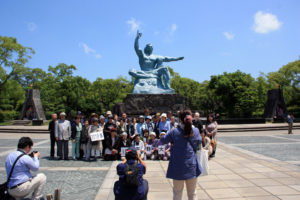
Established in 1955 near the Ground Zero where the Atomic Bomb was dropped
at 11:02 am on Aug. 09, 1945.
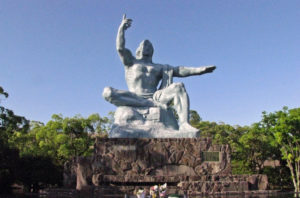
Completed in 1955, ten years after the atomic bombing
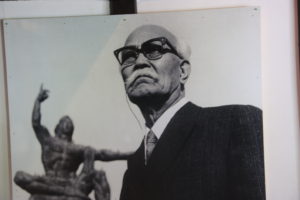
The 9.7 meter high statue sitting on a 4 meter tall pedestal, made by renown sculptor
Kitamura Seibo who born in Minami-Shimabara-city, Nagasaki-prefecture in 1884.
The raised arm points to the threat of nuclear weapons and the out-stretched arm
symbolizes peace.
|
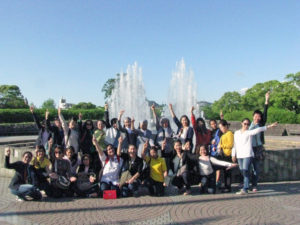
Visiting from all over Japan and the World |
Wishing for eternal world peace from Nagasaki |
Kitamura Seibo, the Statue was completed at the age of 71 |
The plutonium atomic bomb exploded about 500m over the central monument at 11:02 a.m.
on August 9, 1945. The most part of Nagasaki was destroyed, and a tremendous number of
lives were lost. And about 70,000 of Nagasaki’s 240,000 residents died instantly, and up to 60,000
were injured.
|
Nuked 50th Anniversary Monument |
Atomic bomb exploded over the central monument |
Ruins of destroyed Urakami Cathedral |
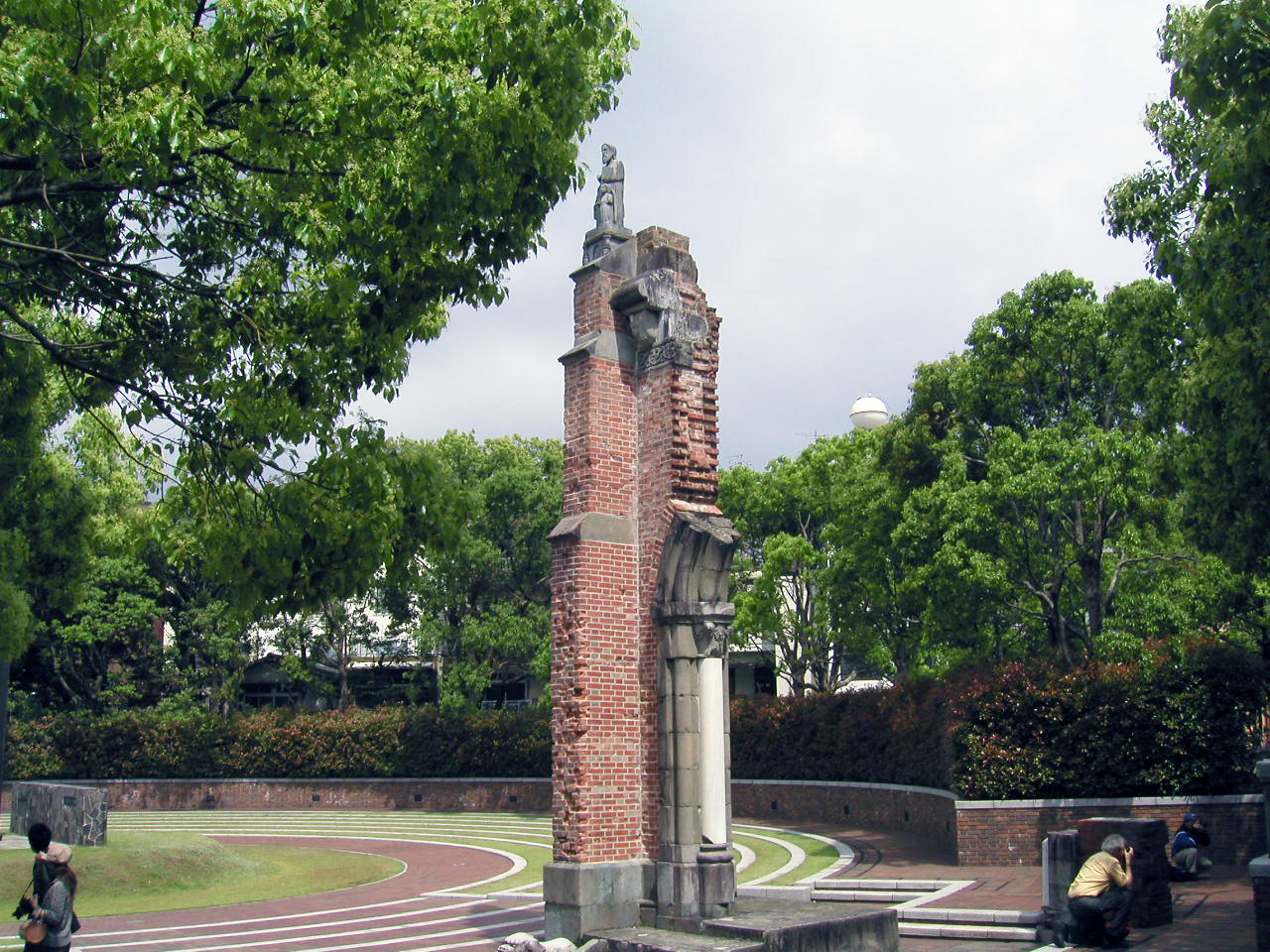
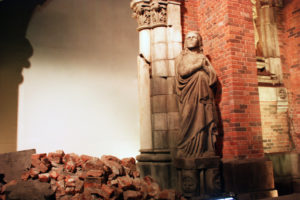
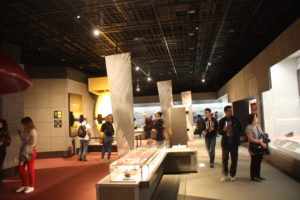
The museum exhibits a number of photograph that depict the devastation caused by atomic
bomb showing the lead-up to this tragic day, the history of the development of nuclear arms
and our desire for peace.
|
Destroyed Urakami Cathedral is displayed |
Exhibits a number of photograph |
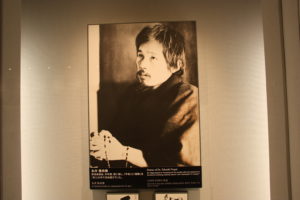
Dr. Nagai Takashi |
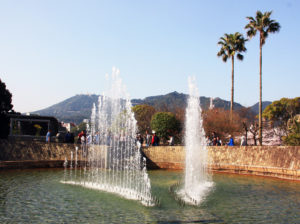
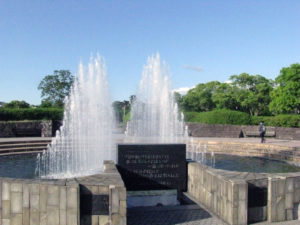
The Peace Fountain reminds us of the tragic scene unfolded shortly after America dropped the
Atomic Bomb on Nagasaki at 11:02 am on Aug. 09, 1945
 |
 |
 |
Should you need further information please feel free to contact us.
Your equiry can be sent by selecting the Enquiry Form link below.
You can also contact us by e-mail at info@japan-kyushu-tourist.com
Tel : +81-93-521-8897, Fax : +81-93-521-8898
Address : AIM buiding 6th floor, 3-8-1 Asano, Kokura-kitaku, Kitakyushu-city, Fukuoka-prefecture
 WhatsApp: Chat with us