
Shimabara travel guide
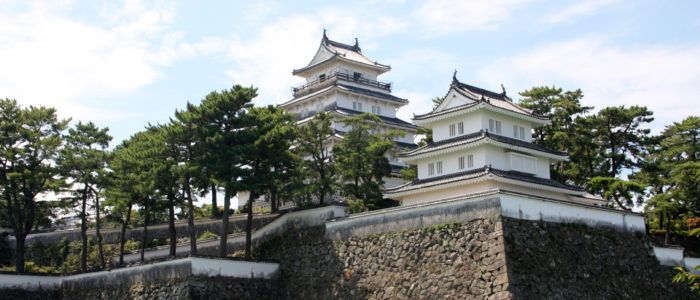 Shimabara Castle
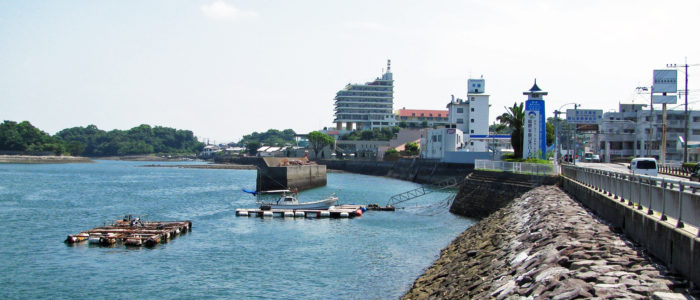
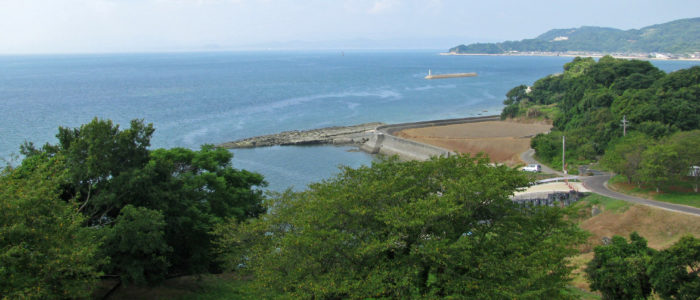
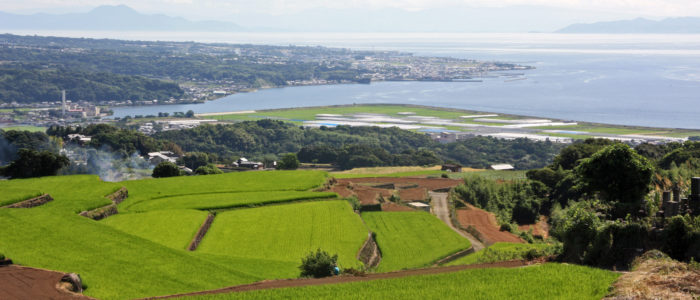
Nestled at the foot of Mount Unzen and facing the Ariake Sea,
the Shimabara region consists of two cities: Shimabara City on
the eastern side and Minami-Shimabara City on the southern part
of the peninsula. The region offers a wealth of experiences,
including stunning nature, relaxing onsen, the historic castle town
of Shimabara, and significant Christian pilgrimage sites.
Exploring Shimabara
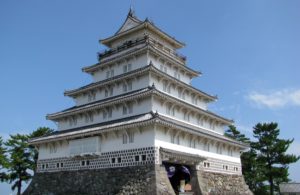 |
Located in Shimabara City, this castle was built in 1625 by the feudal lord Matsukura Shigemasa, who was renowned as a master of castle architecture. The castle, which took seven years to complete, is also affectionately known as “Moritake Castle. |
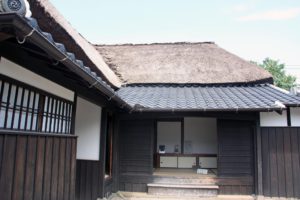 |
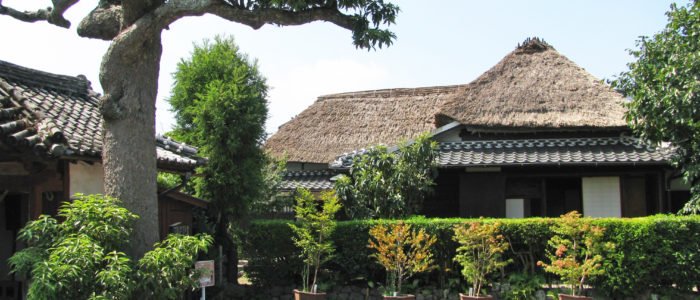
Samurai were the elite military nobility of pre-industrial Japan. Located near Shimabara Castle, the beautifully preserved samurai residences along this historic street date back to the 18th century. |
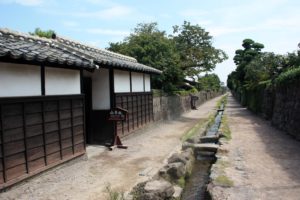 |
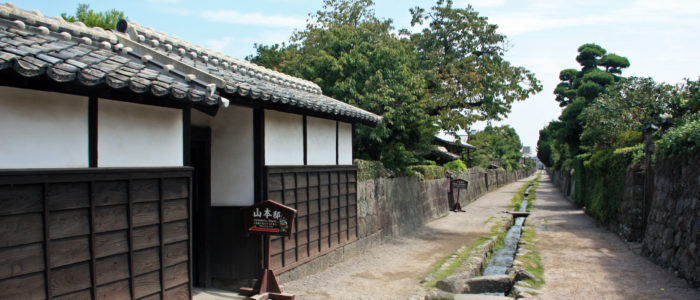
This historic street, lined with traditional stone walls and a spring water canal running down its center, preserves the atmosphere of Shimabara’s old samurai district. Three samurai residences have been carefully restored and are open to the public as museums. |
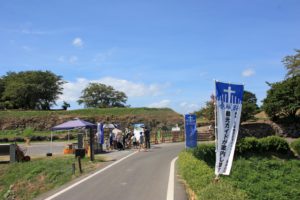 |
This Christian pilgrimage site is part of the “Hidden Christian Sites in the Nagasaki Region,” registered as a UNESCO World Heritage Site. It was the battlefield of the Shimabara Rebellion in 1637, a massive peasant uprising led by Amakusa Shiro against the Shogunate’s persecution of Christians. |
Holy Mary-Kannon of Harajo Castle
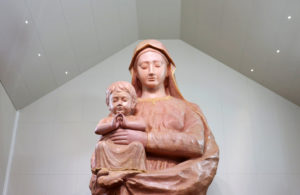 |
The world’s tallest wooden Holy Mary statue stands at 10 meters in height. It was meticulously carved by sculptor Eiji Oyamatsu over a period of 40 years and was completed when he was 90 years old. The statue is located in Minami-Shimabara City, just a 10-minute drive from the Hara Castle Ruins. |
Local cuisine in Shimabara, Guzoni
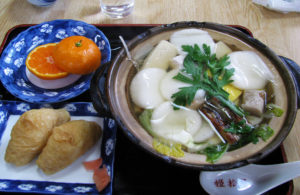 |
Guzoni is said to have originated during the Shimabara Rebellion of 1637. When the Christians fought under the leadership of Amakusa Shiro, they gathered various ingredients such as rice cakes, fish, and vegetables to make a nutritious stew. This hearty dish is the origin of the Guzoni we enjoy today. |
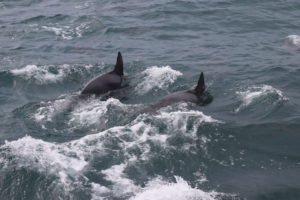 |
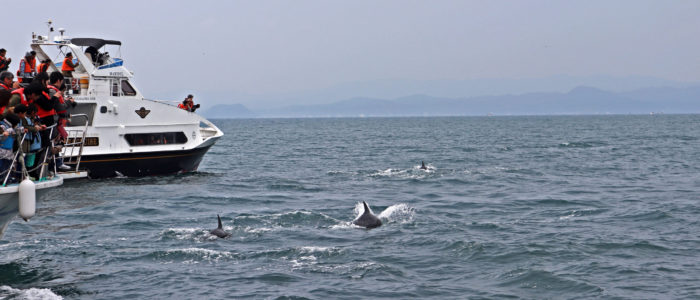
Approximately 300 wild dolphins inhabit the waters between the Shimabara Peninsula and Amakusa. Dolphin-watching cruises have become increasingly popular for all ages, offering an incredible chance to see these dolphins so close you feel as though you could almost touch them. |
Ferry to Kumamoto, from Shimabara
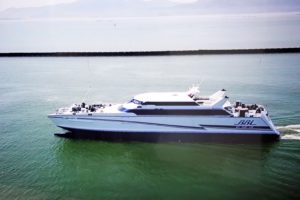 |
Two ferry services operate between the Shimabara
Peninsula and Kumamoto:
Kyusho Ferry: A 60-minute ride operated by Kyusho Ferry. Ocean Arrow: A 30-minute high-speed ride operated by Kumamoto Ferry. |
Ferry to Amakusa (Oniike) , from Kuchinotsu
(Minami-Shimabara-city)
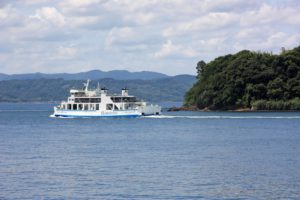 |
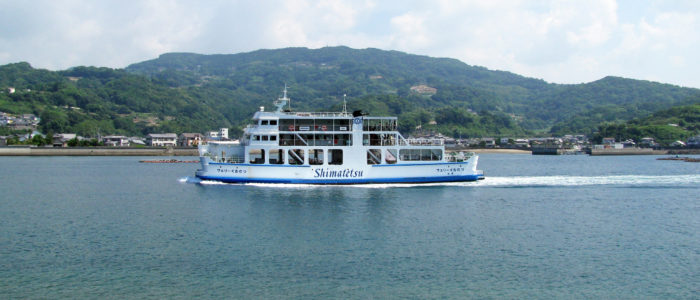
Shimatetsu Ferry: A 30-minute ride operated by Shimabara Railway |
 WhatsApp: Chat with us