
-

-
Atomic bomb in Nagasaki in 1945
2024/01/13
Japanese history, Staff BlogDisastrous War must not be repeated. The plutonium atomic bomb exploded about 500m over the central monument at 11:02 a.m. on August 9, 1945. The most part of Nagasaki was destroyed, and a tremendous number of lives were lost. And about 70,000 of Nagasaki’s 240,000 residents died instantly, and up to 60,000 were injured. The radius of total destruction was about 1.6km, followed by fires across the northern portion of the city to 3.2km south of the bomb. The total number of residents died may have been as many as 80,000, including those who died from radiation poisoning in the following months. Even now, many atomic bomb survivors are suffering. The list of names of the atomic bomb victim who died up to now is stored in the monument.
-
-
Hidden Christian site, Kasuga Village
2024/01/31
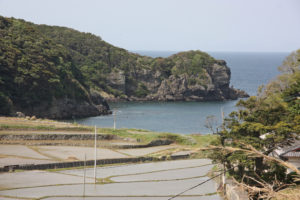
History of Japanese Christianity, Staff BlogKasuga Village and Mount Yasugatake is a Christian Pilgrimage site and is registered on the World Heritage as Hidden Christian Sites in the Nagasaki Region. This idyllic, remote village was refuge to a small community of Hidden Christians who practiced here for centuries, far from the prying eyes of the government. After the ban on Christianity was lifted, the local villagers decided to continue practicing their own unique brand of the religion rather than rejoin the Catholic Church. As a result, churches were not erected in the village, and the religion remains outwardly invisible.
-
-
Hidden Christians
2024/01/30
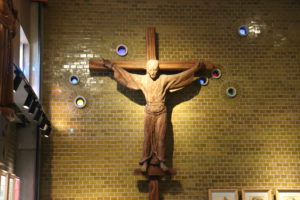
History of Japanese Christianity, Staff BlogOppression against Christians began with the Tokugawa shogunate’s ban on Christianity. The missionaries were expelled to oversea countries, and those who remained secretly in Japan were also captured and martyred. Konishi Mansho who was the last Priest during the ban on Christianity, was also martyred in 1644. In the absence of priests, believers pretended to be Shinto or Buddhist ostensibly in order to protect their faith. The Christian organizations were created in each village to continue the Christian faith and the faith was passed down from parents to children and from children to grandchildren. Hidden Christian Even after lifted ban on Christianity, people who continue to practice their faith in the same way as before are called “Hidden Christians”. Hidden Christians in Nagasaki have been passed down since the ban on Christianity in Hirado, Ikitsuki, the Goto Islands, Sotome, and around Nagasaki.
-

-
Kurose no Tsuji, martyrdom site of Gaspar Nishi Genka
2024/01/28
History of Japanese Christianity, Staff BlogThe site where Christian Gaspar Nishi Genka was martyred in 1609, located on Kurose Hill overlooking Nakae no shima between Hirado and Ikitsuki. The tomb facing the sea is called Gaspar-sama and is a revered place for Ikitsuki’s Hidden Christians. The cross-shaped “Kurose no Tsuji Martyrdom Monument” was erected by Catholics in 1991, and Mass is held every year around November 14th. Gaspar Nishi Genka was the first martyr of Ikitsuki and the father of Thomas Rokuzaemon Nishi who was one of the 16 Saint of Nagasaki, dedicated in Nakamachi Church in Nagasaki.
-
-
Oyster Barbecue Hut in Itoshima
2024/01/27
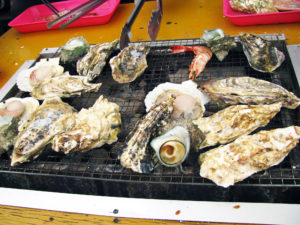
Japanese cuisine, Staff BlogItoshima oyster growing up in the rich nature of mountain and sea Itoshima oyster features mellow and sweet taste. There are many Oyster Barbecue Huts at five fishing harbours. The huts only open during the season, from end of October to March or April. The huts are simple in construction; just big vinyl tents filled with a few dozen tables, each with their own grill. You can get oysters, sazae (sea snails), prawns, fish and other seafood, fresh as fresh can be, by the crate. The hut provides the grill, tongs, cotton gloves, and other tools for you try your hand at grilling your own seafood. Cooking them right can be tricky, but learning is part of the fun. For oysters, try putting the flat side down first, flip after awhile, and wait for them to open from the heat. Take them off the grill—gloves on of course—and open them the rest of the way with the provided knife. Add a touch of shoyu (soy sauce), ponzu (a tangy citrus-based sauce), lemon juice, or mayonnaise if you like and they’re ready to eat. If you’re unsure how to cook things, just look around at what the other tables are doing or wave over the helpful kakigoya staff.
-
-
Yoshii, Shirakabe-dori Avenue
2024/01/25
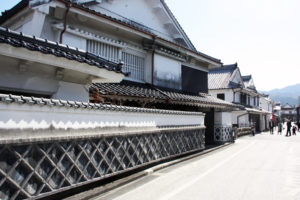
Staff BlogShirakabe-dori Avenue is located in Yoshii, Ukiha-city Time-honored scenery, back to 100 years ago. The Avenue is located in Yoshii-machi, Ukiha-city. Shirakabe, literary meaning is white wall. The avenue of houses with white wall were constructed about 100 years ago. About 250 houses in the area has been designated as National important traditional buildings preservation district. Featured Restaurant, Shirakabe The restaurant Shirakabe is in the former merchant’s building constructed in 1928. Japanese cuisines using best local ingredients that vary by season can be enjoyed. The chef who makes that cuisines also experienced the imperial family’s cook.
-
-
Yakiniku, 焼肉
2024/01/22
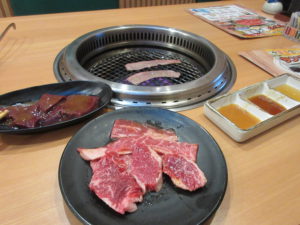
Japanese cuisine, Staff BlogYakiniku is grilled meat and a popular cuisine in Japan. Grill beef, pork, seafood, and vegetables over an open flame in front of you and eat them with sauce.
-
-
Cherry blossom in Japan
2024/01/21
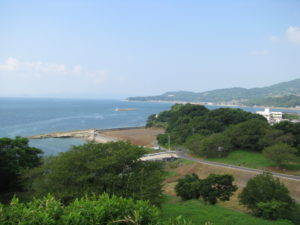
Staff BlogJapanese people have loved cherry blossoms since ancient times. The blooming of cherry blossoms signals the arrival of beautiful spring. In 2024, cherry blossoms in Kyushu will bloom from the end of March to the beginning of April. During that period, you can enjoy cherry blossoms in most places where you will visit in Kyushu.
-
-
Shimabara Rebellion
2024/01/19
History of Japanese Christianity, Staff BlogThe site is located in Minami-arima in Minami-Shimabara-city and the Battle field of Shimabara Rebellion which was a peasant uprising against bakufu’s persecution of Christians under the leadership of Amakusa Shiro in 1637. It was founded by Arima Takazumi in 1496 and was a flat castle with a fortress naturally created both by the cliff facing Ariake Sea and the tide coming in. This Castle was abandoned since Matsudaira Shigemasa, the load of Shimabara, built Shimabara Castle after the rupture of Arima family ties. Christian farmers rose in a riot due to their grievance about the oppression by Matsukura Shigemasa. The Shogunate regarded this riot as Christian rebellion and sent its punitive force, therefore locked themselves in the castle and with their leader Amakusa Shiro Tokisada fought against the Shogunate. On February 27, 1638, he died in battle. The following day, the castle fell. 37,000 Christians including women and children died a violent death. It is registered on the UNESCO World Heritage as Hidden Christian Sites in the Nagasaki Region in 2018.
-
-
7-Day Kyushu Private Tour for Philippines Travelers
2024/01/19
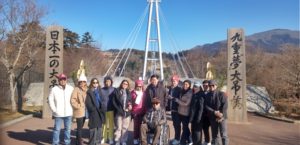
● What our Guests have to sayCountry of customer : Philippines Number of participant : 13 persons Schedule : January 1 to 7, 2024 Transportation : Private vehicle English speaking guide What our Customer have to say Hello Masa san, Hello! Yes we have returned home safely. Thank you very much for arranging our tour. Shu Ji san is a pleasant and accommodating guide. We enjoyed the tour. Comments about the restaurant: the first restaurant was just ok , nothing special. The rest are all good. Will get in touch with you again soon. Thank you again!
 WhatsApp: Chat with us