
-
-
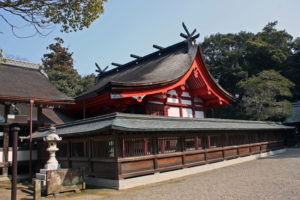
Okinoshiam and Associated site in Munakata registered on World Hetitage in 2017
2024/01/07
Japanese historyThe island of Okinoshima is located in the Genkai sea between Japan and Korea, As even landing on the island has been prohibited, the strict taboos have preserved archaeological ritual sites on the island almost intact over a millennium.In three shrines of Munakata Taisha, located in the islands of Okinshima, Oshima and Kyushu. From Okitsu-miya Yohaisho on Oshima, we can worship Okinoshima from afar. And Shimbaru-Nuyama Mounded Tomb Group is the evidence of people who nurtured the tradition of worshipping the sacred island. Location of the sites are Munakata, Fukutsu, and Oshima.
-
-
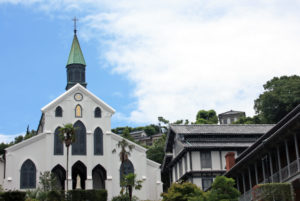
Hidden Christian sites registered on World Heritage in 2018
2024/01/01
History of Japanese ChristianityHidden Christian sites in Nagasaki regions is registered on UNESCO’s World Heritage in 2018. Japanese Christianity has a long history of continuing faith while coexisting with Japanese traditional religion Shinto and General society. Japan’s unique practice of the Christian faith continued even during the ban on Christianity. Hidden Christian Site in Nagasaki, Shimabara , Hirado and Amakusa Regions bear unique testimony to the tradition of people and their communities who secretly transmitted their faith in Christianity while surviving in the midst of the conventional society and its religions during the time of prohibition.
-
-
Hidden Christian sites registered on World Heritage in 2018
2024/01/05
Japanese historyHidden Christian sites in Nagasaki regions is registered on UNESCO’s World Heritage in 2018. Japanese Christianity has a long history of continuing faith while coexisting with Japanese traditional religion Shinto and General society. Japan’s unique practice of the Christian faith continued even during the ban on Christianity. Hidden Christian Site in Nagasaki, Shimabara , Hirado and Amakusa Regions bear unique testimony to the tradition of people and their communities who secretly transmitted their faith in Christianity while surviving in the midst of the conventional society and its religions during the time of prohibition.
-
-
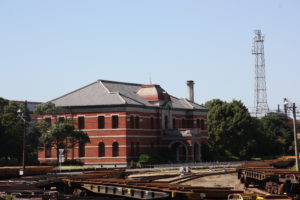
Japan’s Meiji Industrial Revolution registered on World Heritage in 2015
2024/01/08
Japanese historyJapan’s Meiji Industrial Revolution sites registered on UNESCO World Heritafe in 2015 Iron and Steel, Shipbuilding and Coal Mining are a group of historic sites that played an important part in the industrialization of Japan in the Bakumatsu during National isolation period and Meiji periods, and are part of the industrial heritage of Japan. The UNESCO World Heritages consist of eight areas with thirty component sites located throughout Japan from Northern part Tohoku to Kyushu. Kyushu has 5 areas with 16 sites as follows; ・Kitakyushu : 4 sites for Iron and Steel ・Miike (Omuta, Arao and Misumi) : 3 sites for Coal Mining ・Saga : 1 site for Shipbuilding ・Nagasaki : 5 sites for Shipbuilding and Coal Mining ・Kagoshima : 3 sites for Iron and Steel
-

-
Meiji Restoration in 1868
2024/01/13
History of Japanese ChristianityIn 1868, Meiji Restoration, the most important event in Japanese history, which heralded a new era of modernization in Japan. This revolution restored the imperial rule to Japan after more than 250years of Tokugawa Shogunate.
-
-
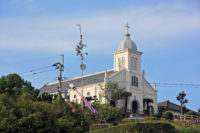
Ban on Christianity was abolished in 1873
2024/01/10
History of Japanese ChristianityIn 1873, the Meiji government abolished the ban on Christianity. Believers who had been in hiding returned to Catholicism, and churches in various villages were built with a variety of designs that combined Japanese and Western techniques. Although many Hidden Christians returned to Catholicism, there are still people in the Nagasaki region who did not return to Catholicism and still preserve and pass on the unique religious rituals of the Hidden era, and they are called “Hidden Christians.”
-
-
Religious freedom allowed in Nagasaki in 1858
2024/01/15
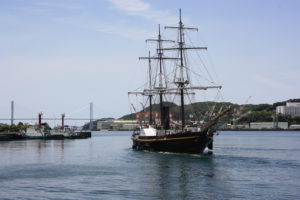
History of Japanese ChristianityIn 1858, Tokugawa shogunate concluded treaties of amity and commerce with United States, the Netherlands, Russia, Great Britain, France, and Japan, and allowed religious freedom in the foreign residence area in Nagasaki ; Dejima, Higashi-yamate district and Minami-yamate district. The Protestant Church began first missionary work, and the Catholic Church began missionary work again.
-
-
Kanmonkyo bridge built in 1973
2024/01/11
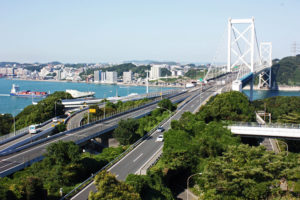
Japanese historyKanmonkyo bridge is the suspended bridge crossing the Kanmon Straits, a stretch of water separating two of Japan’s four main islands. On the Honshu side of the bridge is Shimonoseki and on the Kyushu side is Kitakyushu-city. The Kanmonkyo bridge was opened to vehicles in 1973 and connected the Kyushu Expressway in 1984. It is the 34th largest suspension bridge in the world with a central span of 712 meters. The Kanmonkyo bridge was opened to vehicles in 1973 and connected the Kyushu Expressway in 1984. It is the 34th largest suspension bridge in the world with a central span of 712 meters.
-
-
Karato Fish Market established in 1933
2024/01/15
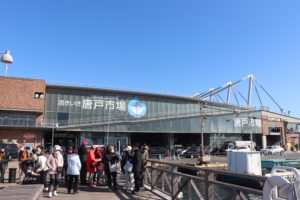
Japanese historyKarato Fish Market, is a fish market in Shimonoseki establish in 1933, and the blowfish trading volume is Japan’s highest. This market is not only the wholesale market of fresh fishes taken in the sea around Shimonoseki but also the retail market for general consumers of fishes, marine products and sushi. Plenty of tourists including oversea people visit and enjoy shopping. The Special event is “Iki iki Bakngai” which is the food stall event held every weekend Friday to Sunday and on public holidays. There are so many kinds of seafood stalls that you’ll be spoiled for choice with Sushi, hearty seafood bowls and seafood soup. We recommend having lunch of purchased sushi overlooking the Kanmon Straits in front of you.
-
-
Hokohara martyrdom place in Omura in 1657
2024/01/20
History of Japanese ChristianityThis is a place related to the Kori-kuzure incident in Omura in 1657 in which a large number of hidden Christians were arrested. As many as 608 Christians were arrested, making it a rare and major incident in the history of Christian oppression. 411 Christians were beheaded, and 131 of them were martyred at Hokohara martyrdom place. As a result of this incident, the Omura domain began implementing even stricter policies prohibiting Christianity. The believers have erected the monument to commemorate the martyrdom at this location.
 WhatsApp: Chat with us