
-

-
26 Saints Pilgrimage route on January 27 in 1597
2024/02/14
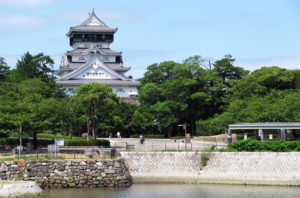
● Martyrdom of the 26 Saints of JapanThere were 24 martyrs when they started Kyoto, but two more martyrs were added in Shimonoseki, then became 26 martyrs in total. The route of this day was from Karato in Shimonoseki to Kokura in Kitakyushu. Rode on the boat at Karato, and transfer to Dairi in Kitakyushu Karato Kanmon Strait Dairi They landed at Dairi and walked 6 km along the coastline of Kanmon Strait to Kokura, where was the place to stay. It is said that they stayed around Kokura Castle.
-
-
26 Saints Pilgrimage route on January 28 in 1597
2024/02/13
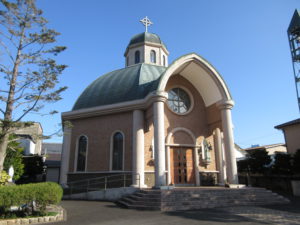
● Martyrdom of the 26 Saints of JapanThe route of this day was from Kokura in Kitakyushu to Akama in Munakata via Koyanose , the distance was 34.5 km. Started at Kokura accommodation around Kokura Castle, and walked to Tobata port along the Kanmon Strait. Transfered to Wakamatsu from Tobata by a boat. Walked to Akama through Ashiya and Koyanose, and then stayed at Akama.
-
-
Shimabara Peninsula Martyrs Memorial Cathedral, in Shimabara
2024/02/14
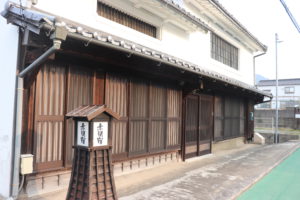
● Churches and CathedralsThis Cathedral is house of prayer for tens of thousands Christians who were martyred between 1612 and 1658 throughout the Shimabara Peninsula. It was built in 1997 to commemorate the 400th anniversary of the martyrdom of 26 Japanese Saints and the 360th anniversary of the Shimabara Rebellion. The Cathedral is a beautiful octagonal building with a large octagonal dome.
-
-
26 Saints Pilgrimage route on January 29 in 1597
2024/02/12
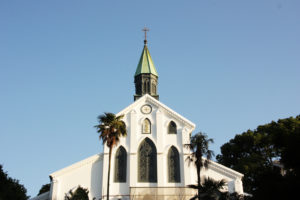
● Martyrdom of the 26 Saints of JapanThe route of this day was from Akama in Munakata to Wajiro, the distance was 21 km. Started at Akama accommodation and using Karatsu walking road, they went to Wajiro passing through Koga and Shingu. Accommodation was Wajiro where faced Hakata bay, in order to cross from Saitozaki to Shikanoshima the next day.
-

-
26 Saints Pilgrimage route on January 29 in 1597
2024/02/14
History of Japanese Christianity, Staff BlogThe route of this day was from Akama in Munakata to Wajiro, the distance was 21 km. Started at Akama accommodation and using Karatsu walking road, they went to Wajiro passing through Koga and Shingu. Accommodation was Wajiro where faced Hakata bay, in order to cross from Saitozaki to Shikanoshima the next day.
-
-
Japanese Christianity
2025/09/12
Japanese ChristianityJapanese Christianity has a unique history of continuing faith while coexisting with Japanese Religion Shinto and General society. Churches and Cathedrals Nagasaki Port was opened and the first Portuguese ship arrived in 1571. And development of the town of cape was started as Christian town in 1571 and many Churches were constructed in Nagasaki. However, due to the Tokugawa Shogunate’s Ban on Christianity in 1614, most of the church buildings were destroyed. Since ban on the Christianity was lifted in 1873, new Christian history in Japan has begun and many Churches and Cathedrals have been constructed. Christian Pilgrimage sites Then Christianity was spread in Nagasaki region. However, unparalleled hidden Cristian history was started from when Toyotomi Hideyoshi Shogunate proclaimed Christian ban in 1587. During ban on Christianity, people secretly continued to faith while surviving in the midst of the conventional society and Japanese religions. And many Christians were also martyred during this period. Here we introduce the history of the ban on Christianity, including the places of martyrdom and museums. Martyrdom of the 26 Saints of Japan 26 Christians arrested in Kyoto who were consisted of 20 Japanese, 4 Spaniards, 1 Mexican, and 1 Portuguese. They walked from Kyoto to Nagasaki in January and February 1597. How great were the physical and mental suffering of those 26 men who were forced to march all the way from Kyoto to Nagasaki during these cold winter days, and they all ascended to heaven at Nishizaka Hill …
-
-
Okawachiyama porcelain district, in Imari
2024/02/12
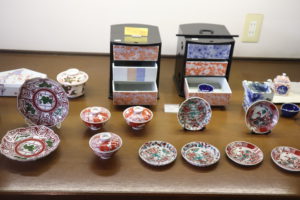
Staff BlogImari is most notable because of Imari porcelain which has 400 years history. The city borders Arita to the south and embraces the natural port of Imari Bay. The porcelain was exported from the port of Imari specifically for the European export trade. Okawachiyama porcelain district Originally, an owner of the Imari porcelain was Nabeshima clan, in order to develop and protect its outstanding technique, he gathered skilled artisans and painters in Okawachiyama district. Now. about 30 potteries are manufacturing Imari porcelain.
-
-
Nagasaki Port was opened to the World in 1859
2024/04/01
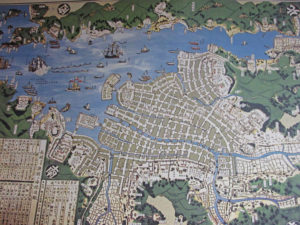
Japanese history, Staff BlogNagasaki Port was opened in 1859 for trade with the world. And a residential areas were created for foreigners in Minami-yamate and Higashi-yamate where overlooking Nagasaki Port. And in that place, houses were built for foreigners who came to Japan for proceeding the international business in Japan.
-
-
Sumo
2024/02/09
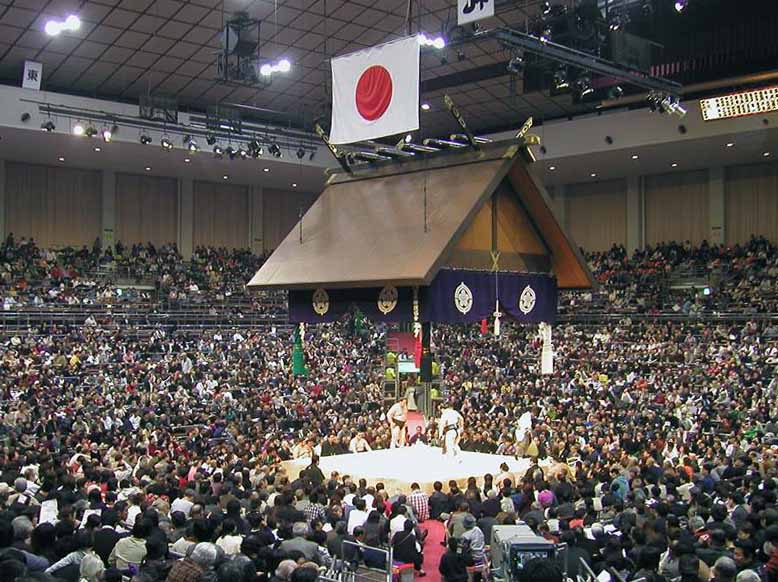
Japanese CultureSumo is a Japanese traditional martial art, which is the match of two Sumo wrestlers in the round ring called Dohyo. The winner is one who first makes his opponent step outside of the ring or into touching the ground with anything other than the sole of feet, there are 48 wining techniques. Professional Sumo Tournament is held six times a year, in Tokyo, Nagoya, Osaka and Fukuoka-city. Fukuoka Tournament is held at Fukuoka Kokusai Center in November.
-
-
Kanmon Pedestrian tunnel, in Kitakyushu-city
2024/02/09
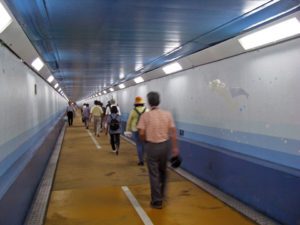
Off the beaten pathOnly the place in the world ! You can cross the strait on foot. The Kanmon Strait, separating Honshu and Kyushu, is a very beautiful and busy waterway with as many as 700 small and large ships a day passing through it. How to cross the strait on foot 780m length tunnel start from Moji The boundary of Moji and Shimonoseki to Shimonoseki
 WhatsApp: Chat with us