
-
-
Kabuki
2017/05/31
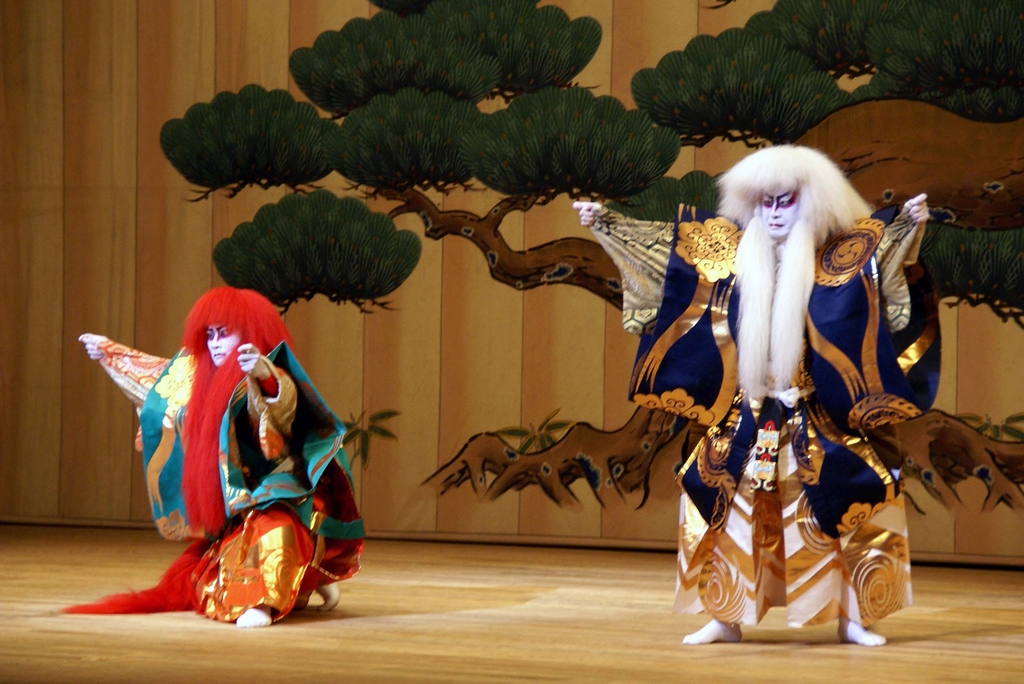
Blog, About JapanKabuki, is one of Japanese traditional stage arts along with Nho It is said to have originated in Kyoto with a woman named Okuni at the beginning of the 17th century. However, it is now performed only by male actors, so it amazing that the very first performance was by a woman. Male actors called onnagata specialize in playing female roles. Kabuki started out as theater for the common people, so it does not have strict rules like nho or traditional Japanese music and dance. The stage was similar to nho stage at first, but has changed gradually. The hanamichi is a platform extending from the main stage, and is used by actors to come and go from the main stage. In Kyushu, you can watch Kabuki at Hakata-za located in Fukuoka-city Hakata-za The theater for Kabuki plays, musicals, the Takarazuka Revue and variety of other shows that are performed monthly. more … About us Tailor-made tourSelf-guided tour Golf tour Study tour Contact us Kyushu Travel Guide Suggested itinerary Blog & local News About Japan 日本語
-
-
Sake, Japanese alcoholic beverage
2017/10/31
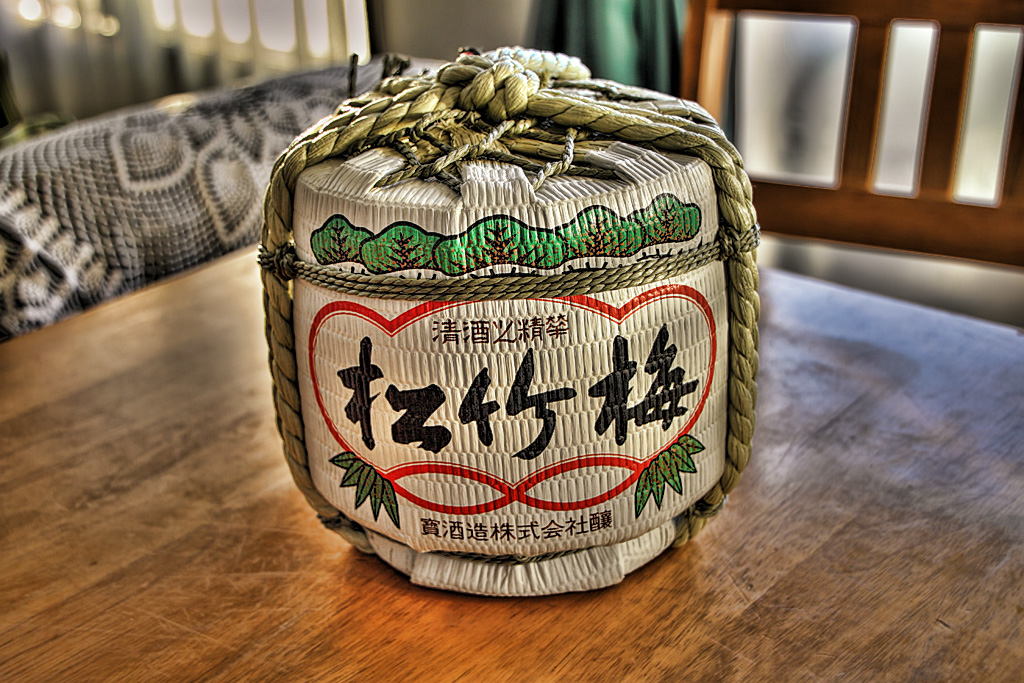
Blog, About JapanSake is one of the most popular alcoholic beverages made from fermented rice. Today there are about 3000 manufacturers of refined Sake in Japan including Fukuoka and Kyushu area. Sake is made with steamed rice, yeast of rice, malted rice, and water. This is placed in vat, additional amounts of those ingredients are added in three cycles, and the mixture is left to ferment for 20 days. After fermentation the mixture is ready for pressing, figuration, and blending. The Sake is then pasteurized, butted, and stored. The alcohol content of crude Sake is about 40 proofs; Sake on the markets is about 32 proofs. A good-quality Sake has a subtle blend of so-called five flavors (sweetness, sourness, pungency, bitterness and astringency) and a mellow fragrance. About us Tailor-made tour Self-guided tour Golf tour Study tour Contact us Kyushu Travel Guide Suggested itinerary Blog & local News About Japan 日本語
-
-
Waka
2017/05/31
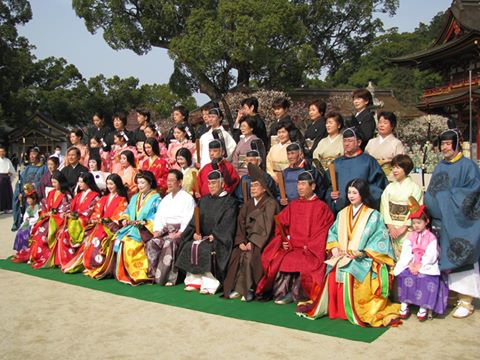
Blog, About JapanWaka is a style of verse usually containing thirty-one syllable in five lines. It follows a 5-7-5-7-7 syllable pattern. Waka is probably the oldest poetic style in Japan. In Heian period ( 784-1185) the exchange of romantic waka between men and women of noble families became popular. However, waka was used almost exclusively by the cobles, and was never very popular among commoners. In the past there were several styles of waka. They were all based on a similar syllable pattern, but had different length. Over time, however, the five-line style known as tanka became dominant and is the only style still popular today. Indeed, the term of tanka has now become synonymous with waka. During Kyokusui-no-en festival held at Dazaifu Tenmangu Shrine, waka are made and are written it down on a strip of fancy paper. About us Tailor-made tour Self-guided tour Golf tour Study tour Contact us Kyushu Travel Guide Suggested itinerary Blog & local News About Japan 日本語
-
-
Beppu Onsen resort
2017/05/31
BlogBeppu in Oita Prefecture is a popular hot spring town nestle at the foot of volcanos, Mt. Yufu and Mt. Tsurumi. Boasting more than 2,800 hot spring sources and flowing rate of nearly 137,000 kiloliters per day, Beppu is considered a paradise of hot springs famous for high therapeutic effects. The town is divided into eight major hot spring areas collectively called “Beppu Hatto”, which offer beautiful scenery and various type of water of different qualities. About us Tailor-made tour Self-guided tour Golf tour Study tour Contact us Kyushu Travel Guide Suggested itinerary Blog & local News About Japan 日本語
-
-
Yabakei
2017/05/31
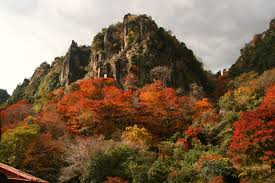
BlogYabakei Region is a part of Yaba-Hita-Hikosan Quasi-National Park located in Nakatsu-city, Oita-prefecture. A grand gorge created through a lava plateau of the largest scale in Japan by the flow of Yamakuni-gawa River. Extending 36 km east and west and 32 km north and south, this huge gorge full of strange-shape rocks and stones is a spectacular sight. About us Tailor-made tour Self-guided tour Golf tour Study tour Contact us Kyushu Travel Guide Suggested itinerary Blog & local News About Japan 日本語
-
-
Matsumoto Seicho Memorial Museum
2017/05/31
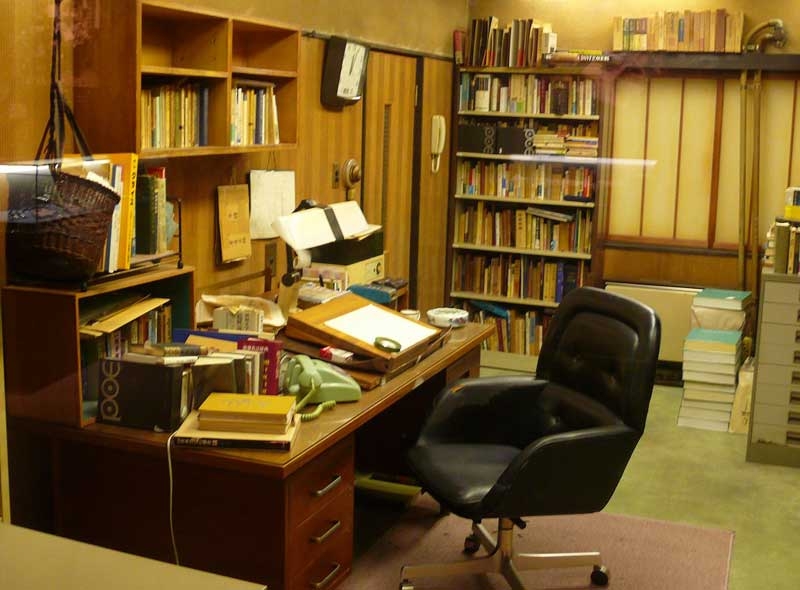
BlogMatsumoto Seicho Memorial Museum near Kokura castle is a facility dedicated to the memory of one of the great writers in modern Japan, Seicho Matsumoto, who is a native of Kitakyushu. Directions ・A 10 minute walk from JR Kokura Station ・A 5 minute walk from JR Nishi Kokura Station About us Tailor-made tour Self-guided tour Golf tour Study tour Contact us Kyushu Travel Guide Suggested itinerary Blog & local News About Japan 日本語
-
-
Fukuoka Akarenga Cultural Center
2017/05/31
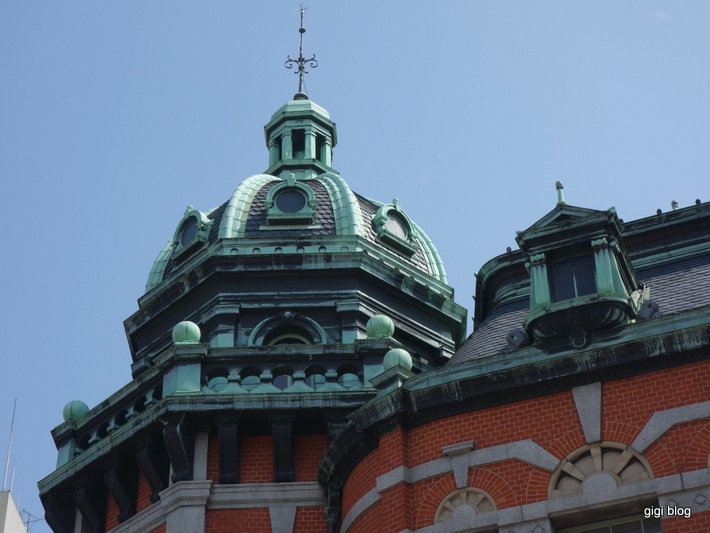
BlogFukuoka Akarenga Cultural Center was built as an insurance company office in 1909. The building is designated as a nationally important cultural property. The chic British-style building was designed by renowned architect Kingo Tatsuno. About us Tailor-made tour Self-guided tour Golf tour Study tour Contact us Kyushu Travel Guide Suggested itinerary Blog & local News About Japan 日本語
-
-
Akiyoshidai
2017/05/31
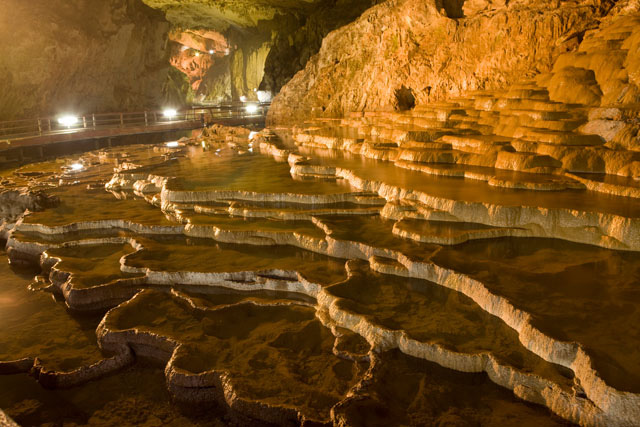
BlogAkiyoshidai is one of the largest limestone caves in the world, located approximately 100 meters beneath the Akiyoshidai limestone plateau in the western part of Yamaguchi Prefecture. One kilometer of this 10 kilometers long limestone cave is open to the public as a sightseeing course. This cave is characterized by rows of intricately shaped cave form formations including the 15-meter-high Koganebashira, or “Golden Column” and Hyakumenzara, or “One Hundred Plates”. The temperature inside the cave remains constant throughout the year at around 17 degree Celsius. About us Tailor-made tour Self-guided tour Golf tour Study tour Contact us Kyushu Travel Guide Suggested itinerary Blog & local News About Japan 日本語
-
-
Kintaikyou Bridge
2017/05/31
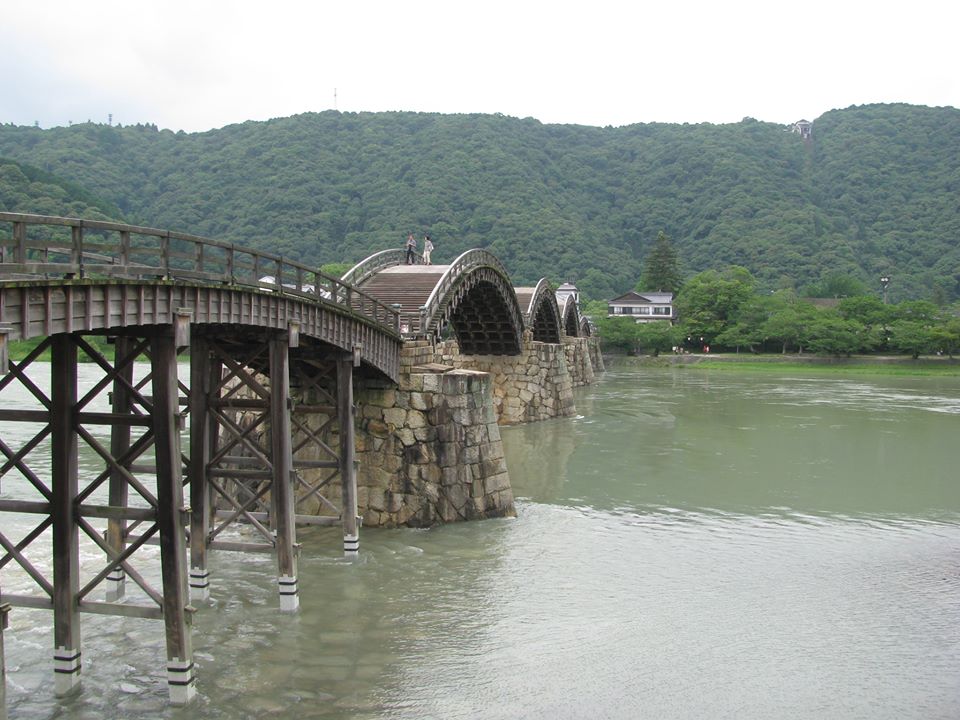
BlogKintaikyo Bridge, located in Iwakuni-city, Yamaguchi Prefecture, is a series of five-arched wooden bridge on four stone piers that extends across the lower Nishiki River. This unique bridge, which is 193.3 meters long and five meters wide, has an elaborate wooden framework made of winding wires and clamps, and is counted as one of the three most famous bridge in Japan. It has gone through three reconstructions since it was originally built in 1673 by third load of Iwakuni domain, Kikkawa Hiroyoshi. About us Tailor-made tour Self-guided tour Golf tour Study tour Contact us Kyushu Travel Guide Suggested itinerary Blog & local News About Japan 日本語
-
-
Arita porcelain
2017/05/31
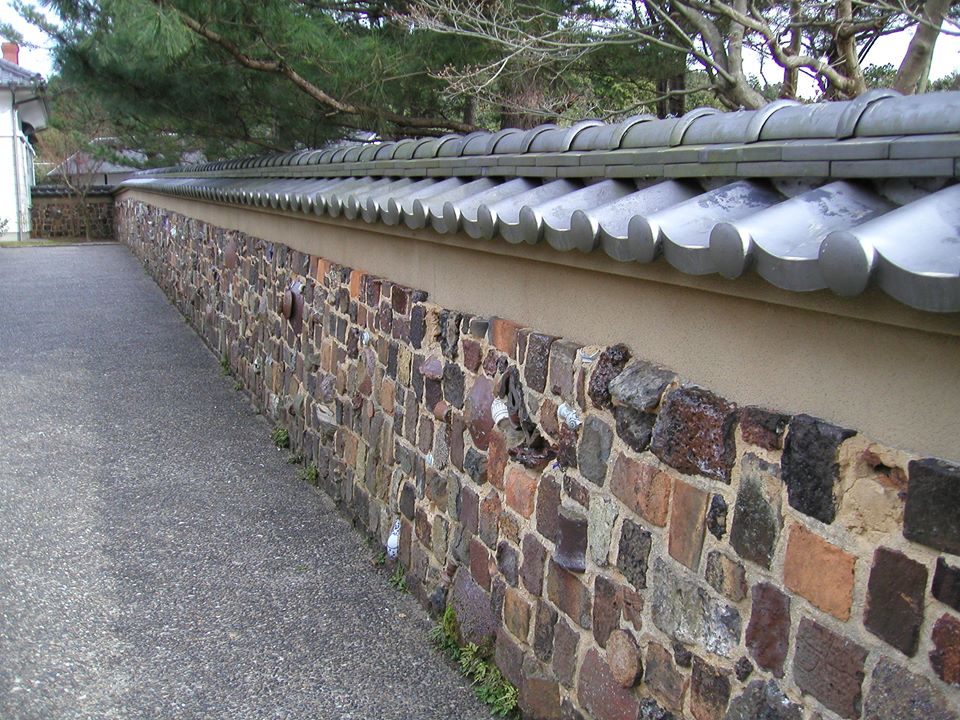
BlogArita porcelain called Arita-yaki is 400-year old porcelain from Arita in Saga Prefecture. The piece have bright, elegant pictures drawn in transparent while porcelain. In the early 17th century, a group led by the Korean potter Yi Sam-pyeong discovered a pottery stone in the Izumi Mountain of Arita. He was the first to make porcelain in Japan. In those days, it was shipped from Imari Port, and do Arita-yaki is sometimes called Imari. Arita-yaki was exported to Europe in the later half of the century, and it, along with Chinese porcelain, greatly influenced European pottery. The unique Arita-yaki red, green and yellow pattern called Kakiemon style was loved by Europe’s aristocrats. Every year during Golden Week in spring, the Arita Ceramic Bazaar is held in Arita. Over 500 shops set up business and over a million people come from around the country. You’ll find all kinds of pottery, from daily items costing less than 100yen to masterpieces costing millions of yen. About us Tailor-made tour Self-guided tour Golf tour Study tour Contact us Kyushu Travel Guide Suggested itinerary Blog & local News About Japan 日本語
 WhatsApp: Chat with us