
-
-
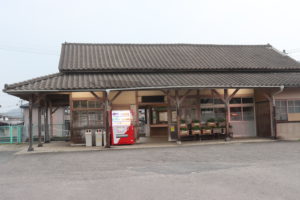
26 Saints Pilgrimage route on February 02 in 1597
2024/02/04
● Martyrdom of the 26 Saints of JapanThey were very tired from walking 58km the day before, so they only walked 5km this day. The route of this day was from Yamamoto to Tokusue, and stay at Tokusu.
-
-
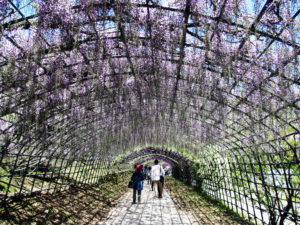
Kawachi Wisteria Garden, in Kitakyushu-city
2024/02/21
Staff BlogKawachi Wisteria Garden is a private garden at the Mountain foot of Sarakura in Kitakyushu-city and famous for its spectacularly presented, large numbers of wisteria flowers. The garden is opened to the public seasonally during the wisteria season which usually peaks around late April to middle of May. The garden’s most prominent features are two, roughly 100 meter long tunnels made of wisteria trees of differing varieties and colors, ranging from white to dark purple.
-
-
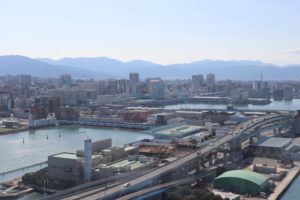
26 Saints Pilgrimage route on February 01 in 1597
2024/02/05
● Martyrdom of the 26 Saints of JapanThe route of this day was from Hakata to Yamamoto in Karatsu, the distance was 58 km. Started at Hakata accommodation and heading Yamamoto using Karatsu walking road, through the Daimyo, Ikino Matsubara, Imajyuku in Itoshima, Nijino matsubara. Accommodation was Yamamoto.
-
-
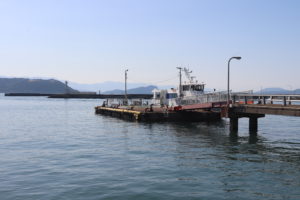
26 Saints Pilgrimage route on January 31 in 1597
2024/02/06
● Martyrdom of the 26 Saints of JapanThe original plan was to take a boat through the Genkai Sea to Karatsu. However, the waves in the Genkai Sea were rough, so they changed the plan to head Hakata through Hakata Bay. They stayed in Hakata and took a rest after a long time.
-
-
Yame Central Tea Plantation, in Yame
2024/02/18
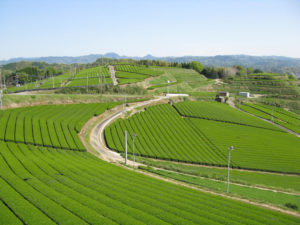
Staff BlogThe country of Green Tea, Yame. The Green Tea grown in Yame is one of the highest grade of tea throughout Japan. This is the large Tea plantation spreading on a gently sloping hilly area, about 70 ha. There is an observatory at the top of hill, Ariake bay as well as Shimabara Peninsula in Nagasaki-prefecture can be seen on sunny days.
-
-
26 Saints Pilgrimage route on January 30 in 1597
2024/02/07
● Martyrdom of the 26 Saints of Japan, Staff BlogThe route of this day was from Wajiro to Shikano-shima Island, the distance was 18 km walk. Started at Wajiro accommodation and walked through Gannosu to Saitozaki. When the tide was low, they walked across to Shikano-shima Island, where the boat port was located. Stayed on the boat.
-
-
Ibusuki
2024/02/01
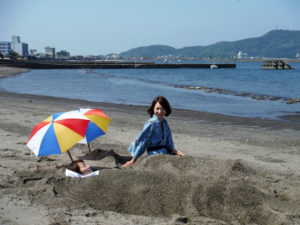
Onsen resortIbusuki is an Onsen Resort that is famous for its sand baths, where bathers are buried in naturally heated sand. The town encompasses the southern tip of the Satsuma Peninsula, and the main downtown area is along the coast facing Kinko bay.
-
-
Aso Shrine, in Aso
2024/02/01
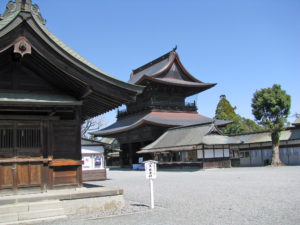
Shinto ShrineAso Shrine is located in Aso, Kumamoto-prefecture. It is popular as a god protecting worshipers from traffic accidents, and exorcism, marriage, and learning. Aso shrine one of the oldest and most prominent shrines in Japan, and was built in 281 before accession of the 1st Emperor Jinmu. The shrine is located in the center of the caldera of Mt. Aso and the caldera is known as the largest in the world in which people are actually living.
-
-
Hirado Castle
2024/02/10
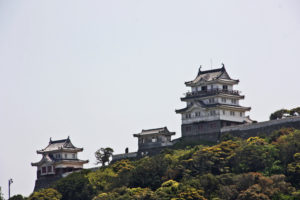
Japanese CastleStands on a hill guarding Hirado Port and the Hirado Strait, which used to be part of an important trade route between Japan and the Asian mainland. The original fortress was built in 1599 by the local Matsura Lord; however, he destroyed the structure after fighting the Tokugawa on the losing side of the Battle of Sekigahara as a gesture of loyalty to the victor. The Matsura Clan continued ruling Hirado for the next two and a half centuries. A new castle, also known as Kameoka Castle was built on the site a hundred years later in 1718 as part of the coastal defences erected during Japan’s self imposed seclusio in the Edo Period. This structure stood for over 150 years, but eventually fell into disrepair and was dismantled during the Meiji Period.
-
-
Kushida Shrine, in Fukuoka-cty
2024/02/01
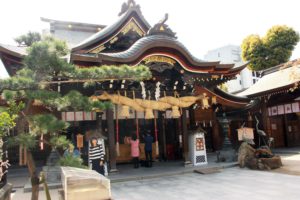
Shinto ShrineKushida Shrine is located in Fukuoka-city, Fukuoka-prefecture. The Shrine of Hakata Gion Yamagasa Festival. Located in Hakata nearby Canal City Hakata and was built in 757 as a guardian deity of Hakata. The most exciting summer festival in Kyushu, Hakata Gion Yamakasa is held in the shrine in July. The tall Kazari Yamakasa, a luxuriously decorated float, is always displayed. The float was constructed without using even a single nail. The Oi Yamakasa, in which floats weighing over a ton race through the streets of Hakata carried on the shoulders of 26 people, presents a dynamic spectacle of bravery and strength that attracts many spectators. The shrine is also famous as place of Setsubun ceremony ( Bean throwing ceremony) which is held on February 3rd every year.
 WhatsApp: Chat with us