
Christianity in Japan
Christianity was introduced to Japan by Francis Xavier in 1549 and spread primarily
throughout the Nagasaki region. However, the Shogunate later issued a ban on
Christianity, forcing many believers to practice their faith in secret, which led to a long
history of martyrdom in various locations. Finally, in 1873, the ban was lifted, marking
the beginning of a new chapter in the history of Japanese Christianity.
The Nagasaki region is home to a wealth of spiritual heritage, featuring historic churches,
grand cathedrals, and profound pilgrimage sites that tell a story of resilience and faith.
Churches and Cathedrals
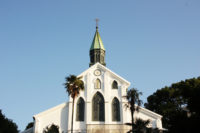 |
Nagasaki Nagasaki is the historical center of Christianity in Japan. It all started in the 16th century when Portuguese explorers and missionaries first arrived, making Nagasaki the gateway for Western culture and Christianity. Places of Worship Oura Cathedral, Urakami Cathedral, Hongouchi Church, Nakamachi Church Saint Filippo de Jesus Church ( Japan 26 Saints Memorial Church ) |
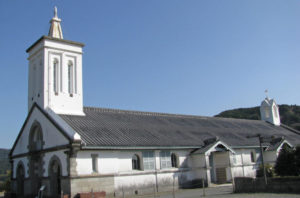 |
Sotome Sotome is a remote coastal area where Hidden Christians preserved their faith for centuries, and later, Father de Rotz helped the community by building churches and improving local life. Places of Worship |
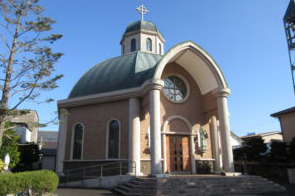 |
Shimabara Shimabara is famous for the 1637–1638 Rebellion, a historic Christian uprising against persecution. To honor these martyrs, Shimabara Church was built in 1997, featuring a unique octagonal dome and stained glass that depicts the region’s tragic history of faith. Place of Worship |
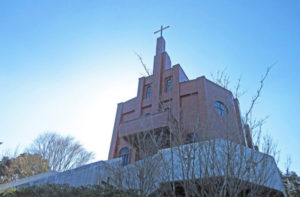 |
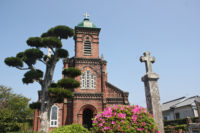
Unzen Unzen is home to ‘Unzen Hell’ (Unzen Jigoku), where dozens of Christians were tortured and martyred in boiling springs during the 17th-century persecution. To honor their sacrifice, Unzen Catholic Church was established nearby in 1981, serving as a peaceful place for prayer and reflection Place of Worship |
 |
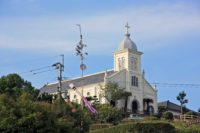
Hirado Hirado is the site where Francis Xavier first preached in 1550, and it remains a unique area where ‘Hidden Christian’ traditions have been preserved for centuries. Places of Worship Tabira Church, St Francis Xavier Memorial Church, Yamada Church |
 |
Amakusa Amakusa is a historic center of Christianity in Japan, famous for its resilient ‘Hidden Christians’ who kept their faith alive for 250 years during a nationwide ban. Places of Worship |
Sacred pilgrimage sites
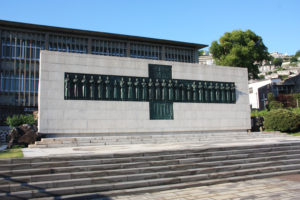 |
Nagasaki Martyrdom of the 26 Saints of Japan Refers to the execution of 26 Catholics by crucifixion on Nishizaka Hill in Nagasaki on February 5, 1597. It was the first mass execution of Christians, marking the start of a long period of religious persecution in Japan. |
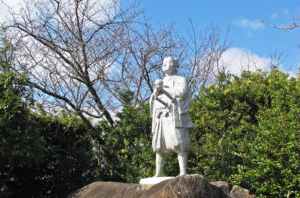 |
Shimabara The site of the Shimabara Rebellion (1637–1638), where approximately
37,000 Christians and peasants led by Amakusa Shiro fought against the
Shogunate. Its fall marked the end of the rebellion and led to Japan’s policy
of national isolation.
|
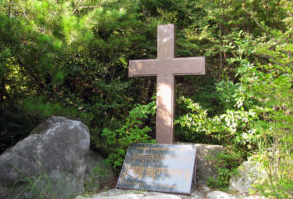 |
Unzen During the early 17th century, it was used as a site of religious persecution, where many Christians were tortured and executed in the boiling waters for refusing to renounce their faith. |
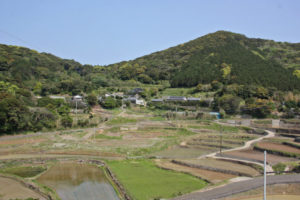 |
Hirado Hirado is a key site in the history of Japanese Christianity, where many believers were martyred for their faith. It is also well known as a place where Hidden Christians secretly practiced and preserved their faith for over two centuries. Significant sacred pilgrimage sites |
 WhatsApp: Chat with us