
-
-
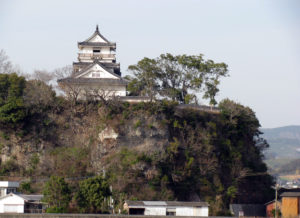
Kitsuki Castle
2026/03/28
Kunisaki peninsula travel guideKitsuki Castle is known as the smallest castle in Japan, perched on a plateau overlooking the Morie Bay. The view from the top offers a stunning panorama of the ocean and the surrounding valleys.
-
-
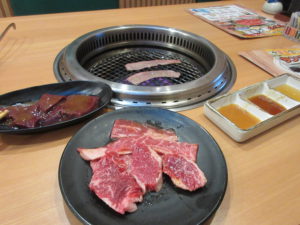
Yakiniku
2026/03/27
Authentic Kyushu MealsYakiniku is a popular Japanese style of BBQ, where you grill bite-sized slices of meat and vegetables on a griddle or charcoal grill right at your table. It is typically enjoyed with a savory-sweet soy-based dipping sauce
-

-
Gyudon
2026/03/27
Authentic Kyushu MealsGyudon is a classic Japanese comfort food consisting of thinly sliced beef and onions simmered in a sweet and savory soy-based sauce. Served over a bowl of rice, this dish dates back to the late 1800s and remains a favorite for all generations due to its delicious taste, quick service, and affordability. The menu on the photo is Gyudon, shijimi kai (fresh water clam) soup and salad at the restaurant Sykiya which is Gyudon Chain restaurant.
-
-
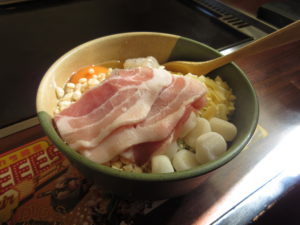
Okonomiyaki
2026/03/23
Authentic Kyushu MealsA dish made of wheat flour batter with eggs, vegetables, meat, seafood, noodles, and other desired ingredients added to it and grilled on a griddle. Eat with a special sauce, green seaweed, and dried bonito flakes. There are different types of okonomiyaki depending on the region, such as Kansai-style okonomiyaki, in which ingredients are mixed into the batter and baked, and Hiroshima-style okonomiyaki, in which noodles and other ingredients are layered in the batter.
-

-
Christianity in Japan
2026/03/29
Kyushu tourJapan possesses a singular history of Christianity that is unparalleled elsewhere in the world. Christianity was introduced to Japan by Francis Xavier in 1549 and spread primarily throughout the Nagasaki region. However, the Shogunate later issued a ban on Christianity, forcing many believers to practice their faith in secret, which led to a long history of martyrdom in various locations. Finally, in 1873, the ban was lifted, marking the beginning of a new chapter in the history of Japanese Christianity. The Nagasaki region is home to a wealth of spiritual heritage, featuring historic churches, grand cathedrals, and profound pilgrimage sites that tell a story of resilience and faith. Churches and Cathedrals Nagasaki Nagasaki is the historical center of Christianity in Japan. It all started in the 16th century when Portuguese explorers and missionaries first arrived, making Nagasaki the gateway for Western culture and Christianity. Places of Worship Oura Cathedral, Urakami Cathedral, Hongouchi Church, Nakamachi Church Saint Filippo de Jesus Church ( Japan 26 Saints Memorial Church ) Sotome Sotome is a remote coastal area where Hidden Christians preserved their faith for centuries, and later, Father de Rotz helped the community by building churches and improving local life. Places of Worship Shitsu Church, Kurosaki Church Shimabara Shimabara is famous for the 1637–1638 Rebellion, a historic Christian uprising against persecution. To honor these martyrs, Shimabara Church was built in 1997, featuring a unique …
-
-
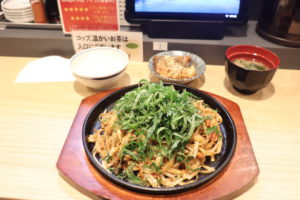
Yaki Udon
2026/03/22
Authentic Kyushu MealsYaki Udon originated in Kokura, Kitakyushu City, Fukuoka Prefecture, at a restaurant called “Darumado. The story dates back to 1945, right after World War II. During a severe food shortage, the owner struggled to find the Chinese noodles typically used for Yakisoba. In a moment of inspiration, he decided to boil dried udon noodles and stir-fry them instead. This creative twist was the birth of “Kokura-style Yaki-udon,” which eventually spread across the entire country.
-
-
Soba
2026/03/22
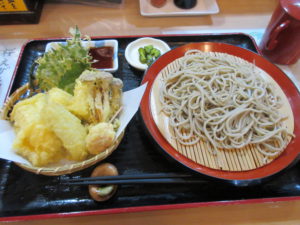
Authentic Kyushu MealsSoba are Japanese noodles made from buckwheat flour. They have a unique nutty flavor and are usually served either chilled with a dipping sauce or in a hot broth. There are two main types based on the ratio of buckwheat: ‘Juwari Soba,’ made with 100% buckwheat for a strong aroma, and ‘Nihachi Soba,’ which uses 80% buckwheat and 20% wheat for a smoother texture. Authentic soba is often ‘Te-uchi’ (hand-kneaded and hand-cut) by skilled artisans. They carefully balance water and flour to create the perfect ‘koshi’—a firm yet smooth al dente texture.
-
-
Rokubei
2026/03/20
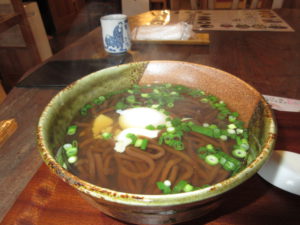
Authentic Kyushu MealsWe are a travel agency in Fukuoka specializing in Kyushu, Japan. This information is provided by Japan KYUSHU Tourist to support your journey. Rokubei is a local cuisine in Shimabara. In 1792, Shimabara Disaster was occurred that Mt. Mayuyama exploded and caused major damage due to landslides entire area of Shimabara. After that, the Shimabara Peninsula experienced a food crisis, and sweet potatoes became the staple food. Rokubei is a noodle dish using sweet potatoes invented by farmer Rokubei. The sweet potatoes were powdered, yams were added, and kneaded in boiling water to make udon-like noodles.
-
-
Guzoni
2026/03/20
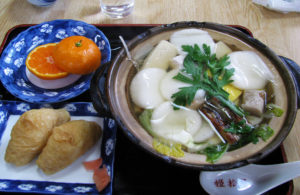
Authentic Kyushu MealsGuzoni is a historical local dish from Shimabara with roots dating back to the Shimabara Rebellion of 1637. It is said that Amakusa Shiro, the young leader of the uprising, instructed his followers to gather whatever ingredients they could find—mochi (rice cakes), wild vegetables, and seafood—and stew them together in a large pot. This hearty meal provided the rebels with the strength and nutrients needed to endure the long, harsh siege at Hara Castle.
-
-
Omura Sushi
2026/03/20
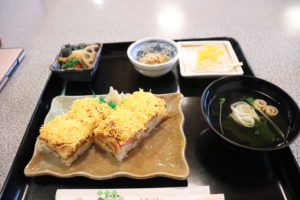
Authentic Kyushu MealsA local dish that has been passed down in Omura since ancient times. During the ancient time, when feudal lord Omura Sumikore, who had been defeated in battle and had his territory taken away, fought back and regained his territory, the people of his territory made pressed sushi and served it to celebrate. It is said to have originated. The reason why it was pressed sushi was because there weren’t enough tableware to feed a large number of soldiers. It is said that the people spread large quantities of freshly cooked rice in a shallow wooden box and quickly made pressed sushi with double toppings, which the soldiers then ate by cutting it into squares with a wakizashi. Due to this tradition, the locals have called it “Omura sushi, which means sushi to celebrate winning battles, and it is still valued as an indispensable dish for celebrations.
 WhatsApp: Chat with us