
-

-
Nanzoin Temple, Reclining Buddha statue
2026/03/25
Off the beaten pathNanzoin is a Shingon Buddhist Temple in Sasaguri, Fukuoka-prefecture. It is notable for its bronze statue of a reclining Buddha, said to be the largest bronze statue in the world. Completed in 1995, the giant bronze Reclining Buddha statue, known as Nehanzo, depicts the historical Buddha at the moment of his death and entry into nirvana. The statue’s impressive dimensions and intricate details make it a sight to behold, attracting visitors from all over the world. length : 41m, height : 11m, weight 330ton
-

-
Atomic bomb in Nagasaki
2026/03/08
Nagasaki travel guideWe are a travel agency in Fukuoka specializing in Kyushu, Japan. This information is provided by Japan KYUSHU Tourist to support your journey. Disastrous War must not be repeated. The plutonium atomic bomb exploded about 500m over the central monument at 11:02 a.m. on August 9, 1945. The most part of Nagasaki was destroyed, and a tremendous number of lives were lost. And about 70,000 of Nagasaki’s 240,000 residents died instantly, and up to 60,000 were injured. The time, Atomic bomb was exploded Atomic bomb exploded over the central monument Nuked 50th Anniversary Monument The radius of total destruction was about 1.6km, followed by fires across the northern portion of the city to 3.2km south of the bomb. Ruin of destroyed Urakami Cathedral Ruin of destroyed Urakami Cathedral The one leg Torii gate at Sanno Shrine The total number of residents died may have been as many as 80,000, including those who died from radiation poisoning in the following months. Even now, many atomic bomb survivors are suffering. The list of names of the atomic bomb victim who died up to now is stored in the monument. The Bell of Nagasaki Peace Fountain Folding paper cranes pray for peace
-
-
Fukuoka & Beyond: Private Tailor-Made Day Tours
2026/03/09
Customized Private tourExperience Fukuoka and its surrounding hidden gems through a tour designed exclusively for you. From savoring world-class ramen and fresh seafood to exploring ancient temples and breathtaking coastal drives, our English-speaking driver-guides ensure a seamless and deeply personal exploration of the region. Tell us your interests, and we will unlock the best of Fukuoka and beyond. Discover the hidden gems of Fukuoka and its surrounding areas. Whether you’re interested in ancient shrines, scenic coastlines, or local gourmet, our English-speaking driver-guides will create the perfect itinerary just for you. Inspiration: Sample Itineraries This sample itineraries are a starting point for crafting your bespoke private tour. By integrating your specific needs and preferences into every detail, we will meticulously plan a seamless journey perfectly tailored to you. Fukuoka City Curated One-Day Excursion Discover the traditional charms of Fukuoka: Start your journey in Hakata Old Town, which flourished as Japan’s premier international trading hub during the Middle Ages. Then, explore Seaside Momochi, a scenic waterfront resort facing Hakata Bay. Conclude your tour at the Fukuoka Castle Ruins, where you can immerse yourself in the history of the Edo period. Yanagawa & Dazaifu One-day Tour Explore two of Fukuoka’s most popular destinations: Yanagawa and Dazaifu. Yanagawa is a beautiful canal town where you can enjoy scenic boat cruises and delicious local …
-
-
Sanrio Harmoneyland
2026/03/22
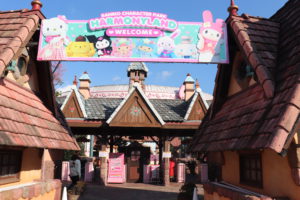
Beppu travel guideA theme park dedicated to the various Sanrio characters including Hello Kitty, Cinnamoroll and My Melody. Harmonyland is located in Hiji, Oita Prefecture, approximately a 30minutes drive from JR Beppu Station. There are live shows that take place daily, plenty of rides, and opportunities to have photos with your favorite Sanrio characters. If you want a great view out over the surrounding landscape, try the Ferris wheel – you may even be lucky enough to hop into a Hello Kitty carriage. Hours for Harmonyland differ depending on the season, and closure days also change from month to month.
-
-
Matsura Historical Museum
2026/03/17
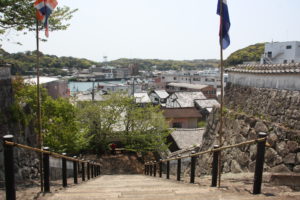
Hirado travel guideThe museum stores and displays the historical collection of the Matsura family who ruled over the northern area of Nagasaki prefecture since the 13th century. The museum is housed in the former private residence of the Matsura family, the grand Tsurugamine Mansion, built in 1893. Hirado has a long history of overseas exchange due to its geographical location.
-
-
Sueyama Shrine in Arita
2026/03/22
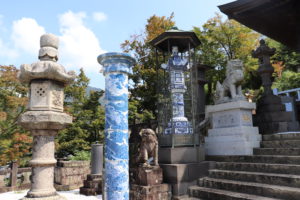
Arita travel guideThe Sueyama Shrine is located in Arita Town, Nishimatsuura District. Feature of the Shrine is Shrine gate made by porcelain, and usually the Shrine gate are made of stone or wood. It is dedicated to Emperor Ōjin, Nabeshima Naoshige, and Yi Sam-pyeong. It was founded in 1658. The Shire gate or Torii was built in 1888. It had been designated Tangible Cultural Properties on April 28, 2000. The Yi Sam-pyeong Monument was built in 1917 to commemorate the 300th anniversary of Arita’s porcelain. It is on a hill, from which one can view Arita town.
-
-
Nakae no Shima / Christian Pilgrimage site
2026/03/15
Hirado travel guideNakae no Shima is a Christian Pilgrimage site and is the UNESCO World Heritage site of Hidden Chriatian Sites in the Nagasaki Region. Located two kilometers off the coast of Hirado Island, Nakae no Shima is a small, uninhabited island where religious leaders were executed during the persecution of Christians. The island is considered sacred, and water collected there is used for baptism.
-
-
Hirado Castle
2026/03/19
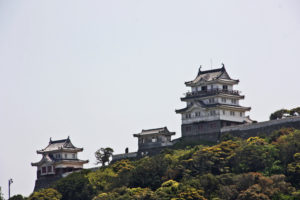
Hirado travel guideStands on a hill guarding Hirado Port and the Hirado Strait, which used to be part of an important trade route between Japan and the Asian mainland. The original fortress was built in 1599 by the local Matsura Lord; however, he destroyed the structure after fighting the Tokugawa on the losing side of the Battle of Sekigahara as a gesture of loyalty to the victor. The Matsura Clan continued ruling Hirado for the next two and a half centuries. A new castle, also known as Kameoka Castle was built on the site a hundred years later in 1718 as part of the coastal defences erected during Japan’s self imposed seclusion in the Edo Period. This structure stood for over 150 years, but eventually fell into disrepair and was dismantled during the Meiji Period.
-
-
Tabira Church
2026/03/15
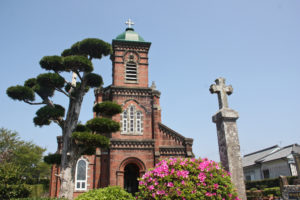
Hirado travel guideThe church is a Christian Pilgrimage site and was designed by Tetsukawa Yosuke, a famous architect of various churches in Nagasaki-prefecture, and built between December 1915 and October 1917. It is one of the latest brick churches in the prefecture of Nagasaki. Tetsukawa Yosuke has called this one of his best works. The beautiful building facing Hirado Strait offers artists and photographers a motif typical of the Tabira district. The church has been designated an important cultural asset by the Japanese government. The history of the Tabira district began with the work of two foreign missionaries. In 1886, the French missionary Emile Raguet, in charge of Kuroshima Church at the time, purchased one hectare (2.5 acres) of wilderness at his own expense and urged three families in need to settle there. The same year, Marc-Marie de Rotz of Shitsu Church bought one hectare and sent four families to cultivate the pristine land. Gradually the number of the settlers increased a nd reached 80 families by the early Taisho era (1910s). In 1914, the Japanese priest Nakata Tokichi arrived in the parish. To replace the humble prayer house, he made tremendous efforts to raise funds for a formal church. Tetsukawa Yosuke designed the brick building, and the parishioners cooperated in the construction project, gathering a large number of …
-
-
Kasuga Village / Hidden Christian Site
2026/03/17
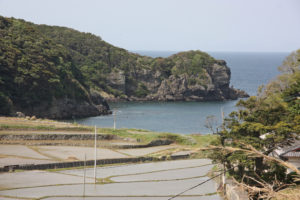
Hirado travel guideKasuga Village and Mount Yasugatake is a Christian Pilgrimage site and is registered on the World Heritage as Hidden Christian Sites in the Nagasaki Region. This idyllic, remote village was refuge to a small community of Hidden Christians who practiced here for centuries, far from the prying eyes of the government. After the ban on Christianity was lifted, the local villagers decided to continue practicing their own unique brand of the religion rather than rejoin the Catholic Church. As a result, churches were not erected in the village, and the religion remains outwardly invisible.
 WhatsApp: Chat with us