
-

-
Japanese Traditional Architecture
2026/04/19
Staff BlogThe Architectural Splendor of Japan Japanese traditional architecture—from the towering majesty of castles to the serene elegance of shrines and temples—is a testament to centuries of refined craftsmanship and a deep respect for nature. What makes these structures truly remarkable is the mastery of wood. Using an ancient technique of interlocking joints, these grand buildings were often constructed without the use of a single nail. This method provides not only incredible durability and earthquake resistance but also a seamless, organic beauty that modern materials cannot replicate. Whether it is the massive, curved stone walls of a castle designed for both defense and aesthetics, or the sweeping eaves of a temple that mimic the mountains around it, Japanese architecture is defined by harmony. It is not built to conquer the landscape, but to breathe with it. We invite you to experience this living history—where every pillar, garden, and roofline tells a story of a culture that seeks beauty in balance and eternity in craftsmanship. With countless breathtaking views to discover, it is the perfect destination to capture unforgettable memories of your journey. April 19, 2026
-
-
Munakata Shrine Okitsu-gu Yohaisho
2026/04/19
Munakata & Fukutsu travel guideThe Sacred Island Okinoshiam and Associated site in the Munakata region Because Okinoshima has long been an object of worship, public access to the island is strictly limited. The Okinoshima landscape has been preserved intact until now because local people have strictly observed various taboos. For example, even if one is allowed to land on the island, one is forbidden to speak a word about what one has seen or heard there; and one must never take anything from the island, not even a twig, blade of grass, or pebble.
-
-
Shinbaru-Nuyama Mounded Tombs
2026/04/19
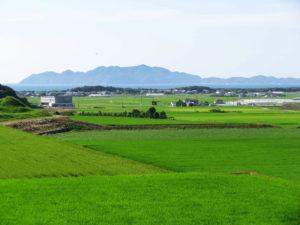
Munakata & Fukutsu travel guideThe site has been registered on the UNESCO World Heritage as the Sacred Island Okinoshiam and Associated site in the Munakata Region The Tomb Group in Fukutsu City comprises the tombs of the Munakata clan, an ancient powerful family that led interactions with overseas countries. The Munakata clan also performed rituals on Okinoshima and nurtured the tradition of faith in in the sacred island.
-
-
Takamiya Saijo
2026/04/19
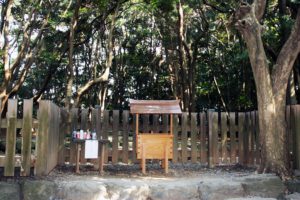
Munakata & Fukutsu travel guideJapan’s most oldest Ancient style Shrine. The steps lead to Takamiya Saijo (Ceremonial Site), where ancient rituals were performed. Takamiya Saijo is very important since the rituals currently observed at Hetsu-gu originated there. To the northwest of the ceremonial site, visitors can view the marine route linking Hetsu-gu with Okinoshima via the Tsurikawa River, Oshima, and finally across the Genkai Sea. Site of Japan’s oldest Ancient style Shrine Access to Takamiya Saijo
-
-
Shimabara travel guide
2026/04/19
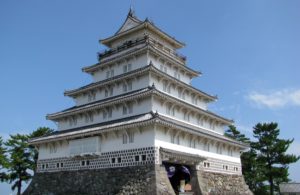
Nagasaki-prefectureNestled at the foot of Mount Unzen and facing the Ariake Sea, the Shimabara region consists of two cities: Shimabara City on the eastern side and Minami-Shimabara City on the southern part of the peninsula. The region offers a wealth of experiences, including stunning nature, relaxing onsen, the historic castle town of Shimabara, and significant Christian pilgrimage sites. Exploring Shimabara Shimabara Castle Located in Shimabara City, this castle was built in 1625 by the feudal lord Matsukura Shigemasa, who was renowned as a master of castle architecture. The castle, which took seven years to complete, is also affectionately known as “Moritake Castle. Samurai Houses Samurai were the military nobility of pre-industrial Japan. Located near Shimabara Castle, the preserved samurai houses along this historic street were built in the 18th century. Samurai Street This historic street, lined with traditional stone walls and a spring water canal running down its center, preserves the atmosphere of Shimabara’s old samurai district. Three samurai residences have been carefully restored and are open to the public as museums. Harajo Castle ruins This Christian pilgrimage site is part of the “Hidden Christian Sites in the Nagasaki Region,” registered as a UNESCO World Heritage Site. It was the battlefield of the Shimabara Rebellion in 1637, a massive peasant uprising led by …
 WhatsApp: Chat with us