
-

-
Japanese Traditional Architecture
2026/04/07
Customized Private tourThe Architectural Splendor of Japan Japanese traditional architecture—from the towering majesty of castles to the serene elegance of shrines and temples—is a testament to centuries of refined craftsmanship and a deep respect for nature. What makes these structures truly remarkable is the mastery of wood. Using an ancient technique of interlocking joints, these grand buildings were often constructed without the use of a single nail. This method provides not only incredible durability and earthquake resistance but also a seamless, organic beauty that modern materials cannot replicate. Whether it is the massive, curved stone walls of a castle designed for both defense and aesthetics, or the sweeping eaves of a temple that mimic the mountains around it, Japanese architecture is defined by harmony. It is not built to conquer the landscape, but to breathe with it. We invite you to experience this living history—where every pillar, garden, and roofline tells a story of a culture that seeks beauty in balance and eternity in craftsmanship. With countless breathtaking views to discover, it is the perfect destination to capture unforgettable memories of your journey. Japanese Castles: Architectural Masterpieces Japanese castles are more than just fortresses; they are architectural masterpieces that seamlessly blend military strength with artistic elegance ・Masterful Woodwork:Built using traditional Japanese carpentry, these structures feature …
-
-
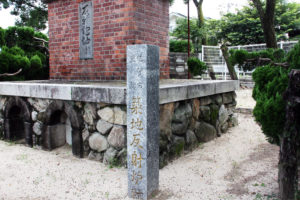
Tsukiji Reflectance Furnace
2026/04/07
Saga travel guideThis is the Japan’s first constructed Reflectance Furnace. In the late Edo period when the necessity of maritime defence increased, the Saga clan built the Tsukiji Reflectance Furnace for making cast iron-made Western cannons and completed in 1850. And then, the cast iron cannon was manufactured the first time in Japan in 1851. The reflectance furnace was greatly contributed for initial stage of Japan’s Industrial Modernization.
-
-
Mietsu Naval Dock / UNESCO World Heritage
2026/04/07
Saga travel guideUNESCO World Heritage, Site of Japan’s Meiji Industrial Revolution. Before Meiji Restoration, the Mietsu Naval Dock served as a venue for naval drilling and maintenance of Western-style ship, as the naval base of Saga Clan. Japan’s first practical steam ship, the Ryofu-maru was constructed there in 1865.
-
-
Yoshinogari Remains
2026/04/07
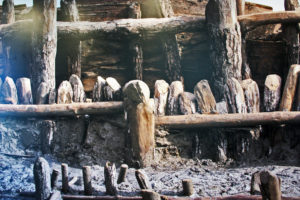
Saga travel guideThe largest archeological remains in Japan. Lie on the spacious hilly area in the north-eastern part of Saga. Remains of a ringed-dugout settlement presumably dating back to the 3rd century B.C. were unearthed there, and excavation is still underway at the site. They are among the largest archeological remains in Japan.
-
-
Karatsu Shrine
2026/04/07
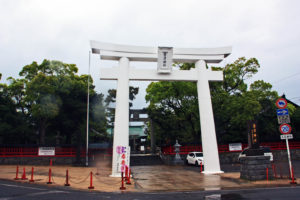
Karatsu & Yobuko travel guideThe Shrine of Karatsu Kunchi. It is a Shinto shrine located about 1 km west of Karatsu Castle and the original shrine was founded in 755. In 1819, a man dedicated a beautiful and large papier-mache red lion statue to this shrine. He travelled Ise Shrine, visit Kyoto on the way home, and saw Gion Festival. And he impressed by the sight of beautiful floats, so he and his friends created such statue. The statue was paraded at the annual festival of this shrine, and it has developed into the festival “Karatsu Kunchi”. From November 2nd to 4th, Karatsu Kunchi is held every year.
-
-
Kagamiyama Mountain
2026/04/07
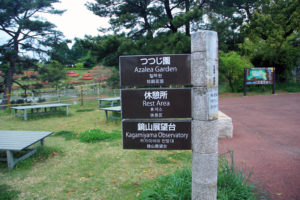
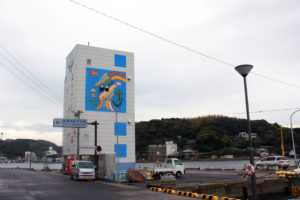
Karatsu & Yobuko travel guidePanoramic view of Karatsu Castle, Karatsu bay and Nijino-matsubara. The height is 284 metre from sea level and top of the mountain is flat and wide geographical feature. The area is famous for cherry blossom and azalea flower in spring season. Magnificent and panoramic view of the Karatsu Castle, Karatsu bay and Nijino-matsubara (Rainbow pine forest) from the observatory on the summit can be enjoyed.
-
-
Yobuko
2026/04/07
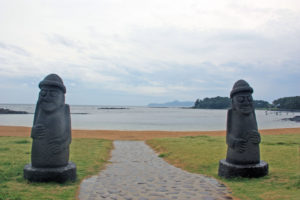
Karatsu & Yobuko travel guideFishing industry town famous for Squid and Morning Market called Asaichi. Yobuko is located northern tip of Saga-prefecture and is facing to Genkai-nada Sea. Famous for fresh Squid, transparent in body and firm in texture. The squid has a sweetness that melt upon the tongue. In the finely crafted style of sashimi known as Ikezukuri, the flesh of still-living seafood is served. Fishery Morning Market called Asaichi Asaichi opens from 7:30 to 12:00, every day at just next to Yobuko Port. The street of 200 m borrowed from the eaves of the shopping street is named “Asaichi Street”. A lot of places were as a Shooting location of Thailand drama.
-
-
Hado-misaki Cape
2026/04/07
Karatsu & Yobuko travel guideLovers’ sanctuary Cape. The main attractions of Cape Hado are the heart-shaped monument, underwater observation tower, and the sunset. It is frequented by young couples who take photos in front of the heart monument, and also by families who hang out at the wide, beautiful grasslands by the sea.
-
-
Yobuko Asaichi
2026/04/07
Karatsu & Yobuko travel guideFishery morning market called Asaichi. Asaichi opens from 7:30 to 12:00, every day at just next to Yobuko Port. The street of 200 m borrowed from the eaves of the shopping street is named “Asaichi Street”. 50 to 70 stalls selling fresh vegetables, fish and shellfishes, and fruits line up. Morning market BBQ is also going on Saturday, Sunday and public holidays.
-
-
Meiji-gura
2026/04/07
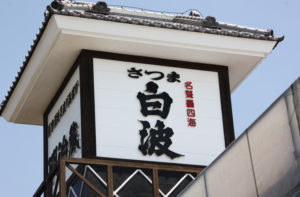
Ibusuki travel guideEnjoy tasting Shochu at the most famous Shochu brewery in Kagoshima. Meiji-gura is Satsuma Shuzo’s Shochu factory and museum. Satsuma Shuzo is producing traditional handmade Shochu “Tezukuri Meijigura”and other traditional making style Shochu like “Banshokou”, “Satsuma Shiranami Kametsubo Jikomi”, and “Meiji no Shochu” etc. The name Meijigura is a Japanese word made up of the words Meiji, from the Meiji Era, and the word Gura, for distillery. We use this name Meiji because we use the traditional methods from the Meiji Era for making our handmade Shochu brands.
 WhatsApp: Chat with us