
-
-
Tonkatsu
2026/04/05
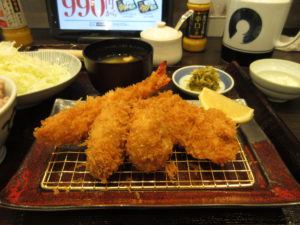
Authentic Kyushu MealsTonkatsu is the pork cutlet, which is a Japanese dish made of thick slices of pork loin or fillet coated with flour, beaten eggs, and breadcrumbs and fried in cooking oil. The dish on the photo are Tonkatu, fried prawn and fried oyster at Hamakatsu restaurant. Hamakatsu is a tonkatsu restaurant chain.
-

-
Japan’s Daily Soul Food
2026/04/05
Authentic Kyushu MealsEat exactly like a local. Discover the honest, everyday meals that fuel Japanese life at hidden neighborhood gems and storied shops passed down through generations. Dive into a world of flavor—from the delicate artistry of Sushi and deeply satisfying bowls of Udon or Ramen to the comforting warmth of a Donburi rice bowl and slow-simmered Oden. These aren’t just meals; they are the timeless tastes of Japan. Sushi Sushi is a popular Japanese dish consisting mainly of seafood on top of vinegared rice. Sushi has a wide variety of toppings, and you can enjoy sushi according to the season. Remem : Kyushu is the Holy Land of Tonkotsu Ramen If you love ramen, Kyushu is your ultimate destination! Known as the birthplace of the rich and creamy Tonkotsu (pork bone) broth, Kyushu offers a diverse “Ramen Belt” where every city has its own unique twist. Udon : the Ultimate Japanese Soul Food Udon is a representative dish of Japan that has been eaten for a long time and is one of the popular lunch menus. Udon is made by adding water to wheat flour and kneading it into noodles. Soba Soba are Japanese noodles made from buckwheat flour. They have a unique nutty flavor and are usually served either chilled with a dipping sauce or in a hot broth. Eel cuisine Kyushu is a paradise …
-
-
Churches and Cathedrals
2026/04/05
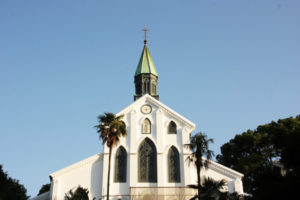
Japanese Christianity, Customized Private tourNagasaki Port was opened and the first Portuguese ship arrived in 1571. And development of the town of cape was started as Christian town in 1571 and many Churches were constructed in Nagasaki. However, due to the Tokugawa Shogunate’s Ban on Christianity in 1614, most of the church buildings were destroyed. Since ban on the Christianity was lifted in 1873, new Christian history in Japan has begun and many Churches and Cathedrals have been constructed. Oura Cathedral, in Nagasaki The Cathedral is one of the significant Christian Pilgrimage site in Japan. Established 1865, this church is officially known as “Oura Cathedral, the Church of 26 Martyrs.” It was built by the French priest Bernard Petitjean of Fier who had been dispatched by the Foreign Missionary Church of Paris to dedicate prayers to the 26 saints martyred on Nishizaka hill. Urakami Cathedral, in Nagasaki Construction of the original Urakami Cathedral, a brick Romanesque building, began in 1895, after a long-standing ban on Christianity was lifted. When completed in 1914, it was the largest Catholic church in East Asia. Nakamachi Church, in Nagasaki The church is located near JR Nagasaki Station which was constructed for Japanese Christians in 1986. The church was dedicated to the 16 Saints of Nagasaki (St. Thomas and the 15 Martyrs) in 1988, and the monument honoring them was erected in the premise. The 16 Saints were martyred in Nagasaki from 1633 to 1637. Saint Filippo …
-
-
Kurogi large Wisteria tree
2026/04/05
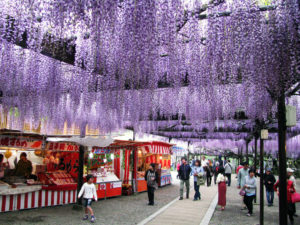
Yame Travel GuideThe tree is more than 600 years old, the total area of its scaffolding structure at 3,000 square meters and its longest flower clusters measuring in at 150 centimeters, the tree looks truly spectacular when it blooms. The Wisteria Festival takes place between mid-April and early May, adjusted to coincide with the blooming of the giant wisteria tree located on the Susano Shrine grounds. During the festival, stalls line the grounds of the shrine, and a Sake brewery in the town is open to the public for tours.
-
-
Tachiarai Peace Memorial Museum
2026/04/05
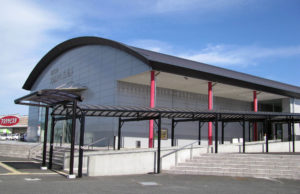
Asakura Travel GuideThe main exhibit room displays a few letters and other items of kamikaze pilots who died in battle. One case has photos of about 50 kamikaze pilots from Tachiarai Air Base and includes the following information on each pilot: name, unit, plane used, date of death, and air base of final sortie. The museum does not give any historical summary of the kamikaze operations but rather focuses on the stories of the pilots stationed at Tachiarai Air Base.
-
-
Japanese restaurant, Shirakabe
2026/04/05
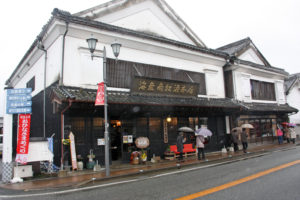
Ukiha Travel GuideLocal Japanese Cuisines cooked by the best chef in Chikugo region. The chef who makes that cuisines also experienced the imperial family’s cook. Japanese cuisines using best local ingredients that vary by season can be enjoyed. The authentic Japanese restaurant Shirakabe is in the former merchant’s building constructed in 1928. The building is designated by Government as Traditional building at the Conservation district in Ukiha-city.
-
-
Sakurai Futamigaura
2026/04/05
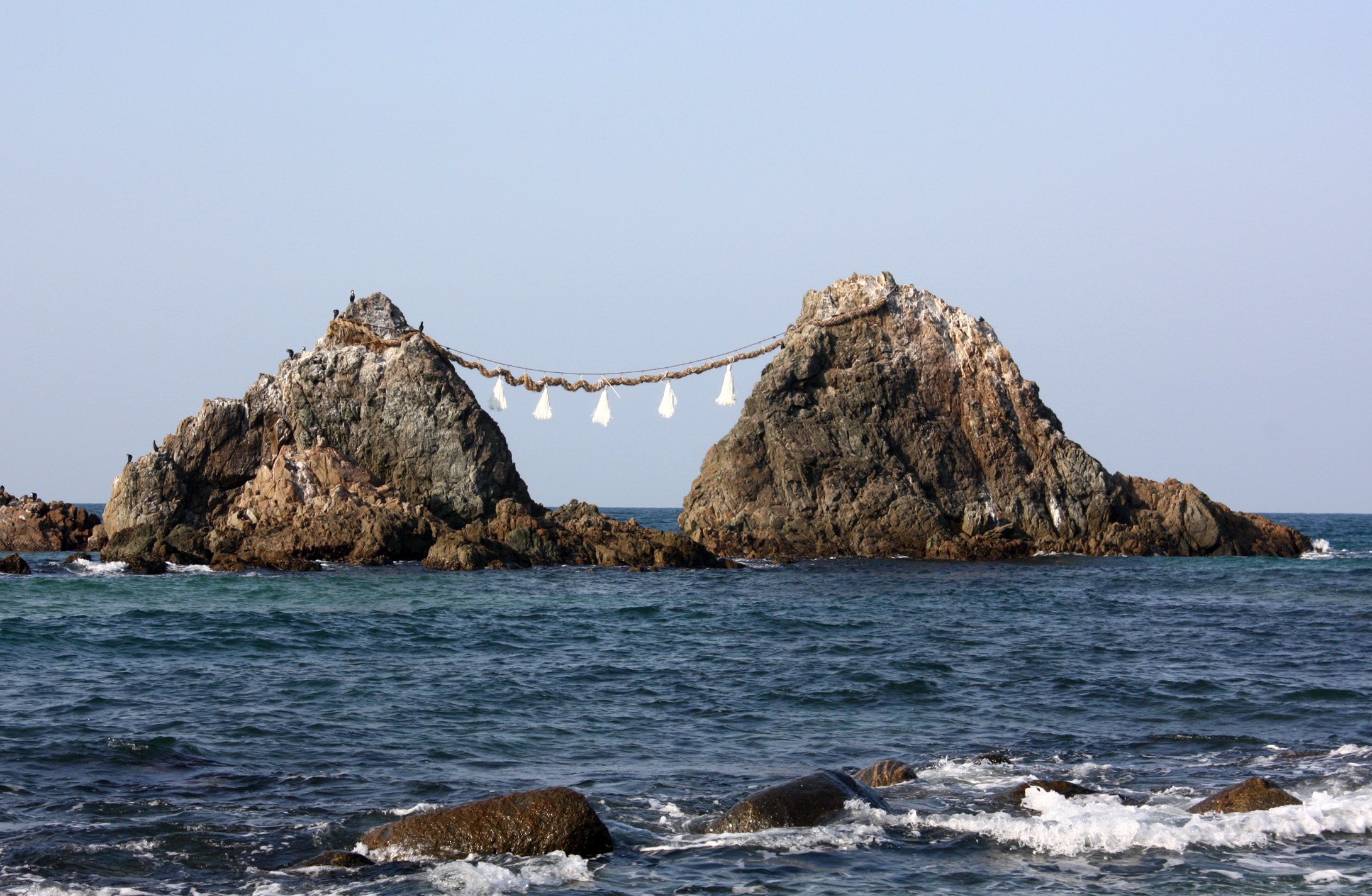
Itoshima travel guideA beautiful sunset scenic spot at Genkai Sea. The place is selected as Japan’s 100 scenic beauty sunset beach. Located in Genkai Quasi-National Park. The married rock is connected by the large Shimenawa with 30 metre length and 1 ton weight. Male rock is 11.8 metre high and Female rock is 11.2 metre height. Shimenawa is the thick, twisted, straw rope. It was believed in ancient days that a Shimenawa had the power to keep off evil sprits, so many objects connected with Shinto Shrines decorated with Shimenawa.
-
-
Yamada Weir
2026/04/05
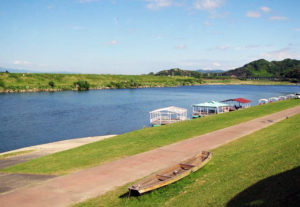
Asakura Travel GuideOnly here in Japan, the stone-covered Weir constructed. Yamada weir is a construction for the irrigation system that water is supplied from Yamada weir in Chikugo through the canal to the Triple Water Wheel to rice field. Chikugo River Triple Water Wheel Rice field The large and small stones are stacked against water flow, and leads water to the irrigation canal while suppressing the momentum of the Chikugo River. The Yamada Weir was completed in 1790 and it is the now only structure in Japan. Stone-overed construction Yamada Weir Water supply area Eso Hachiman Shrine. The Shrine was established in 673 next to Yamada Weir. Shrine gate, Torii Main Shrine building Deity of the Shrine
-
-
Peace Fountain at Peace Park
2026/04/05
Nagasaki travel guidePeace Fountain reminds us of the tragic scene unfolded shortly after America dropped the Atomic Bomb on Nagasaki at 11:02 am on Aug. 09, 1945. With the completion of the Peace Fountain on Aug. 3, 1969, a monument inscribed with an epitaph was constructed. Many people were burned deeply and died, crying and groaning for water. When people recovered their peaceful life in 1965, a campaign for a Peace Fountain was launched. Recorded on the monument are the name of the founder including the People’s Congress for Prohibition of Nuclear Weapons and Promotion of Peace and the Committee for the Construction of the Peace Fountain.
-
-
Site of Dazaifu Government Office
2026/04/05
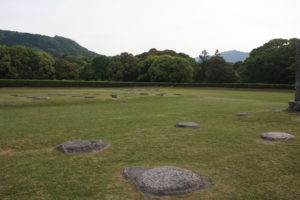
Dazaifu travel guideGovernment site of Ancient Kyushu. Known as TOFURO, the site was used during the Nara (710 to 794 AD) and Heian (794 to 1185 AD) period. The Dazaifu was responsible for supervising Japan’s maritime frontier, as well as for administering the nine provinces and two island of the Saikaido (modern Kyushu). In those days, a great edifice with vermillion columns and tiled roof stood at the foot of Mt. Ono, but today all that remains is a park containing the huge foundation stones of the original building.
 WhatsApp: Chat with us