
-
-
Sotome Pilgrimage sites
2026/06/25
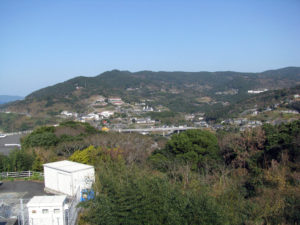
Nagasaki travel guideSotome is located between Nagasaki City and Saikai City, and faces the East China Sea. During the ban on Christianity from the 17th century to the end of the 19th century, Sotome was home to communities of “Hidden Christians. ” Many emigrated there from other parts of Nagasaki, as the remote region allowed them to practice their religion in secret. French missionary Father Marc Marie de Rotz played a large role in reestablishing the religion in the area. He established Shitsu Church on a hill overlooking the sea. Shitsu Church On an elevation commanding a view over the Sea of Goto, Father Marc Marie de Rotz established the church at his own expense in 1882. The building was extended and renovated over the years. A statue of Mary that he ordered from France stands in the bell tower. Former Shitsu Aid Center Driven by his desire to save the people of Sotome from poverty, Father de Rotz established the Former Shitsu Aid Center. Today, this center is indispensable when discussing the history and culture of the region. Endo Shusaku Literary Museum As the setting for Shusaku Endo’s acclaimed novel “Silence,” Sotome is blessed with a unique Christian history and culture. In particular, the area where the Shusaku Endo Literary Museum stands is …
-
-
Munakata & Fukutsu travel Guide
2026/06/25
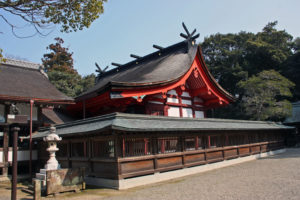
Fukuoka-prefectureMunakata Region is located in the west part of Fukuoka Prefecture and facing to Genkai Sea. The area are consist of Munakata, Fukutsu, Akama and Oshima Island. Munakata Munakata Shrine Hetsu-gu, UNESCO World Heritage Hetsu-gu is one of the three shrines that comprise Munakata Shrine and enshrines Ichikishimahime-no-Kami, one of the three female deities of Munakata. Visitors passing through the torii gate and proceeding along the path will find the Main Hall, dedicated to Ichikishimahime-no-Kami, beyond the Shinmon gate. Takamiya Saijo The steps lead to Takamiya Saijo (Ceremonial Site), where ancient rituals were performed. Takamiya Saijo is very important since the rituals currently observed at Hetsu-gu originated there. To the northwest of the ceremonial site, visitors can view the marine route linking Hetsu-gu with Okinoshima via the Tsurikawa River, Oshima. Fukutsu Shinbaru-Nuyama Mounted Tombs, UNESCO World Heritage The Tomb Group comprises the tombs of the Munakata clan, an ancient powerful family that led interactions with overseas countries. The Munakata clan also performed rituals on Okinoshima and nurtured the tradition of faith in in the sacred island. Miyajidake Shrine The Shimenawa is the biggest in Japan. Surprisingly, weight is 3ton, with 2.6m diameter and 11m length. Shimenawa is the thick, twisted, straw rope. It was believed in ancient days that a Shimenawa had the power to keep off evil sprits, so many objects connected with Shinto …
-
-
Ruins of Urakami Cathedral
2026/06/25
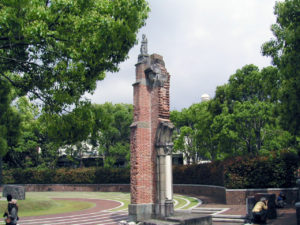
Nagasaki travel guideIf you look to the right while facing the Ground Zero Monument, you will see a section of the damaged brick wall from the former Urakami Cathedral. The church was originally located about 500 meters northeast of the epicenter, on the same site as the modern, rebuilt Urakami Cathedral. The construction of the original building began in 1895 and continued until 1925, when the twin steeples were finally completed. Ruin of destroyed Urakami Cathedral Ruin of destroyed Urakami Cathedral Present Urakami Cathedral Known at that time as the largest church in the Orient, the imposing red-brick structure was devastated by the atomic bomb explosion, which tragically killed a large number of parishioners. In 1958, an 11-meter-tall section of the damaged southern wall was relocated to the Atomic Bomb Hypocenter Park. The cathedral was later rebuilt in honor of those who were lost; it was reconstructed in 1959 and further renovated in 1980 to restore its brick appearance, just a year before the Pope’s historic visit.
-

-
Urakami Cathedral
2026/06/25
Nagasaki travel guideConstruction of the original Urakami Cathedral, a brick Romanesque building, began in 1895 after the long-standing ban on Christianity was lifted. When completed in 1914, it was the largest Catholic church in East Asia. The atomic bomb that detonated on August 9, 1945, exploded in Urakami, just 500 meters from the cathedral, completely destroying it. The remains of the original cathedral are now on display at the Nagasaki Atomic Bomb Museum. A replacement church was built in 1959 and was remodeled in 1980 to more closely resemble the original brick building. The nearby the Ground Zero in Peace Park contains remnants of the Ruins of Urakami Cathedral.
-
-
Chikugo region travel guide
2026/06/25
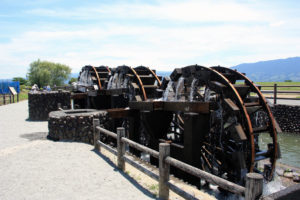
Fukuoka-prefectureThis Tourist information is created by Japan KYUSHU Tourist for enjoyment of your travel. We are a Travel Agent in Fukuoka specializing in Kyushu. When you have an idea or a plan for traveling in Kyushu, Japan, please contact us by sending an Enquiry. Agricultural industries spreading in the Kyushu’s largest Chikugo plain. Chikugo region consists of Toho Village, Asakura, Akizuki, Ukiha, Kurume, Yame and Hoshino Village The Kyuhsu’s largest Chikugo River which flows from Mount Aso through the Chikugo region to Ariake Sea. The Kyushu’s largest Chikugo plain spreading in the Chikugo River basin, where people live from ancient time and the various cultures have been created. There are a lot of features here such as rural land scape, fruit fields, ancient ruins, featured shrines Kora Taisha and Ukiha Inari, temples, castle town Akizuki, Sake brewery, Shochu brewery, Onsen ( Harazuru ) , scrumptious local cosines, Japanese cultural experiences. Exploring Chikugo Asakura Asakura is the only area in Japan to use water wheels for irrigation to rice field Asakura Triple Water Wheel Yamada Weir Toho Village Akizuki Akizuki is a former Castle town located in northern part of Asakura. You can enjoy the harmony of countryside landscape and former castle town scenery that …
-
-
Dazaifu travel guide
2026/06/25
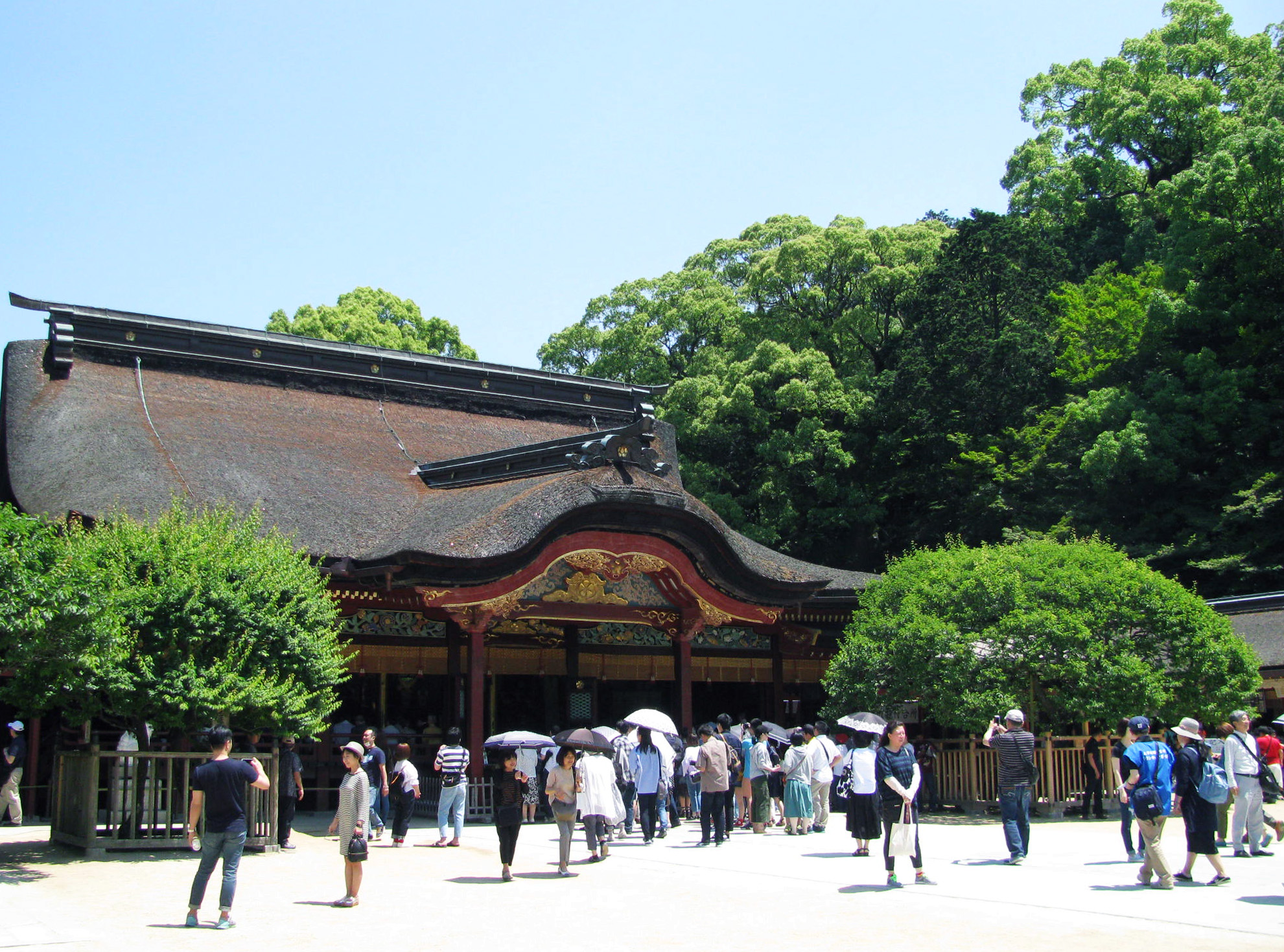
Fukuoka-prefectureDazaifu is one of the most captivating destinations in Fukuoka to experience traditional Japanese culture. From the late 7th to the 12th century, it served as the ‘Western Capital’ of Japan, acting as the hub for Kyushu’s administration. Historically, it was Japan’s strategic gateway to the Asian continent, playing a vital role in diplomacy and defense. The highlight of the area is the magnificent Dazaifu Tenmangu Shrine, which attracts over 8.5 million visitors annually. Where to visit Dazaifu Tenmangu Shrine This shrine is dedicated to the deity of learning, Tenjin. Many Japanese people visit to pray for academic success and to pass their examinations. The shrine was built on the burial site of Sugawara Michizane, a great scholar who is now deified as the deity of scholarship. The main hall is a architectural masterpiece, featuring a distinctive sweeping roof of thatched bark and brilliant crimson-lacquered beams dating back to the 17th century. Shrine Approach path The shrine approach begins at Nishitetsu Dazaifu Station and extends 200 meters to the sacred ‘Shingyu’ Ox statue. As you pass through the first Torii gate, you will discover a vibrant street filled with the charms of Japan. Enjoy exploring various souvenir shops, local restaurants, and stalls selling ‘Umegae-mochi’—a delicious local specialty rice cake. Don’t miss the uniquely designed Starbucks Coffee, a famous architectural landmark. Starbucks at Approach path Designed by the renowned architect Kengo …
-
-
Kitakyushu travel guide
2026/06/25
Fukuoka-prefectureKitakyushu is the second-largest city in Kyushu, located at the island’s northern tip. As the gateway between Kyushu and Honshu, it has long been a vital hub for industry, shipping, and land transport. In 1901, Kitakyushu was chosen from 17 candidate sites across Japan to host the nation’s first modern steel works. Since then, the city has greatly contributed to Japan’s industrial modernization. Today, Kitakyushu possesses numerous natural wonders and tourist attractions. These include Mt. Sarakura, which offers one of the most spectacular and dynamic night views in the world. Visitors can also explore the historic castle town of Kokura to experience traditional Japanese culture, the Mojiko Retro district overlooking the beautiful Kanmon Strait, and the industrial heritage of Yahata – the birthplace of Japan’s steel industry. Where to Explore Kokura area Kokura Castle Kokura was the transportation hub from Honshu and all areas of Kyushu during Edo period from 17th to 19th century. The Castle town was constructed in the Kokura and Kokura Castle was build in 1602 and spent 7 years construction at the north side of Kokura facing to Kanmon strait and next to Murasaki river. The height of Castle tower is 6th tallest in Japan after Himeji Castle. Kokura Castle Garden Beautiful Japanese garden with traditional Japanese architecture. The building was made for the lord’s guest house which a building of the style of …
-

-
Yanagawa travel guide
2026/06/25
Fukuoka-prefectureYanagawa is a beautiful canal town featuring flat fields facing the calm Ariake Sea. The area was created by reclaiming the shallow waters of the sea, with canals originally constructed for daily life and agriculture. Once a castle town of the Tachibana Domain, Yanagawa is now famous for its “Donko-bune” canal boat cruises and steamed eel cuisine. Canal boat cruise On a Yanagawa canal cruise, you board a small boat called a “Donko-bune” and drift slowly down the river. The boat is skillfully maneuvered by a boatman using a single bamboo pole. We highly recommend the 30-minute cruise that starts from Okinohata and takes you around the scenic Ohana estate and Shotoen Garden. Ohana and Shotoen Garden Designated as a National Site of Scenic Beauty, this estate was built in 1697 as a villa for Akitora Tachibana, the fourth lord of the Yanagawa Domain. At the time, the area was known as “Hanabatake” (Flower Field), which led locals to affectionately call the villa “Ohana,” meaning flower. Birthplace of Hakushu Kitahara Yanagawa is the birthplace of the renowned poet Hakushu Kitahara. His legacy is honored by a memorial museum and numerous stone monuments inscribed with his poetry, which can be found throughout the city. Local cuisine Steamed Eel ( Eel Seiro Mushi) Yanagawa is the birthplace …
-
-
Fukuoka travel guide
2026/06/25
Fukuoka-prefectureFukuoka City is the largest and most energetic metropolis in Kyushu, bustling as the region’s premier center for culture, fashion, dining, and tourism. The city boasts a diverse range of fascinating attractions—from vibrant Yatai (food stalls) to historic shrines—setting it apart from other destinations. Thanks to its gateway status, featuring Fukuoka International Airport and the Hakata Shinkansen station, the city serves as the perfect starting point to launch your Kyushu private tour. It is an absolute must-visit destination to include in your customized travel plans. JR Hakata Station Tenjin area Canal City Hakata Hakata temple and shrine town Located within easy walking distance of JR Hakata Station, the Hakata temple and shrine district is home to numerous sacred sites where you can truly immerse yourself in the ambiance of traditional Japanese culture. The deep history of this historic area dates back to the 7th century, when it flourished alongside Japan’s cultural and political missions dispatched to China. Kushida Shrine One of the most exciting summer festival in Kyushu, Hakata Gion Yamagasa is held in the shrine in July. The tall Kazari Yamakasa, a luxuriously decorated float, is always displaye which was constructed without using even a single nail. Hakata Machiya Furusatokan It is a folk museum depicts the life and culture of Hakata Fukuoka. Exhibition hall, many faces and facets of the Hakata way of life …
-
-
Itoshima travel guide
2026/06/25
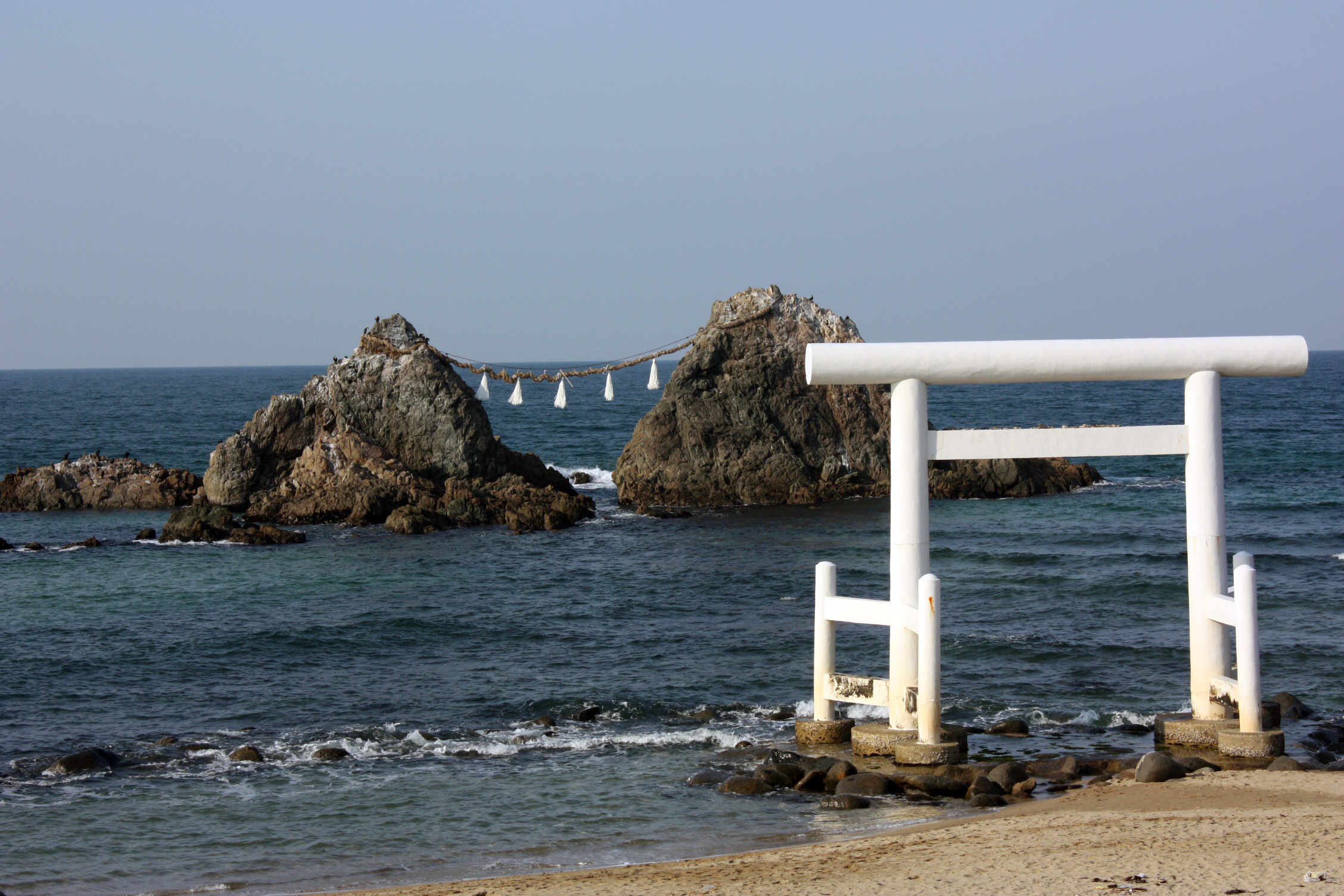
Fukuoka-prefectureItoshima is located next to Fukuoka-city, the north side is facing Genkai Sea and has intricate coastline created by dynamic wave. The plain and several low mountains between the coastline in the north and Seburu mountain range in the south create beautiful landscape. The main industries are fishery and agriculture, including rice, fruits and flowers. Sake rice is also cultivated and there are also Sake Breweries. You can enjoy various cuisines such as sea food dish, oyster Barbecue, Sushi as well as Ramen. Where to visit Sakurai Futamigaura A beautiful sunset scenic spot at Genkai Sea, the place is selected as Japan’s 100 scenic beauty sunset beach. Located in Genkai Quasi-National Park. The married rock is connected by the large Shimenawa with 30 metre length and 1 ton weight. Male rock is 11.8 metre high and Female rock is 11.2 metre height. Anego-hama beach One of the most beautiful beach in Itoshima. Anego no Hama Beach is a beach of “singing” sand that makes a squeaking sound when people walk on it. It is said that singing sand exists only on clean beaches, and that 90 such beaches used to exist in Japan. Mataichino shio The salt making plant by the ancient production method. A salt and a magnesium chloride are produced with Genkai sea water. Keya Cave cruise The most largest basalt cave in Japan …
 WhatsApp: Chat with us