
-
-
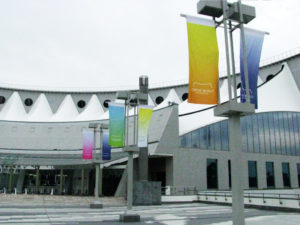
Marine World Uminonakamichi
2026/04/02
Fukuoka travel guideThe aquarium focuses on the aquatic life found around Kyushu. The main tank is a huge, seven meter deep pool filled with all different kinds of marine life including over 120 sharks of 20 different varieties. There are also several outdoor tanks where you can experience feeding dolphins and sea lions.
-
-
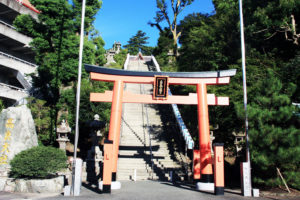
Kora Taisha Shrine
2026/04/02
Chikugo region travel guideThe largest Shrine in Kyushu. The shrine is specified as Ichino-miya or the representative Shrine in Chikugo region. Located in Kurume-city, stand at the middle of Kora Mountain. The Shrine was built in 1661 and has been designated as important Cultural Property in Japan. From the Shrine compound, breath taking magnificent view of Chikugo plain can be seen.
-
-
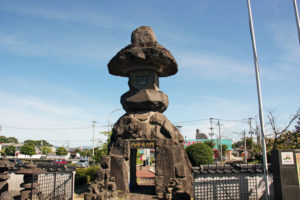
Yame Traditional Craft Museum
2026/04/02
Yame Travel GuideYame is the Centre of Japanese artificial crafts. The Museum was built in 1986 with the purpose of gathering traditional craft items together and transferring traditional techniques and development of local industry. Japan’s largest Stone lantern Traditional Craft Museum Stone lantern exhibition Various items producing in Yame are exhibited in the Museum. Fukushima Buddhist Altar Japan’s biggest Gold Buddhist Altar Buddhist Altars Shinto Shrine Yame lantern Hina doll Samurai Armour Bow and arrow Japanese Paper Hoshino Porcelain Bamboo craft Akasaka doll Wooden craft Stone lantern
-
-
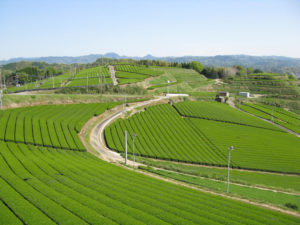
Yame Central Tea Plantation
2026/04/02
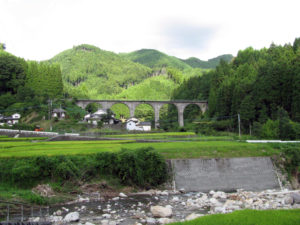
Yame Travel GuideThe country of Green Tea, Yame. The Green Tea grown in Yame is one of the highest grade of tea throughout Japan. This is the large Tea plantation spreading on a gently sloping hilly area, about 70 ha. There is an observatory at the top of hill, Ariake bay as well as Shimabara Peninsula in Nagasaki-prefecture can be seen on sunny days.
-
-
Toho Village
2026/04/02
Asakura Travel GuideHoshuyama district, a mountain area blessed with nature, Koisiwara district, pottery industry representative of Kyushu. Toho is a small village with a population of about 2,000 people in Fukuoka-prefecture, and is located north side of Asakura-city. The Village consist of Hoshuyama district and Koishiwara district. On July 5, 2017, the heavy rain disaster occurred in the northern part of Kyushu, and Toho Village, both Hoshuyama and Koishiwara districts also suffered great damages. Even, it takes a little time to return to previous conditions, you can enjoy your journey here. Hoshuyama district Koishiwara district Koishiwara-yaki pittery A type of Japanese traditional pottery in Koishiwara. The history dates back to the 17th century, when the third Lord Kuroda Mitsuyuki (1628–1707) invited potters from Imari, Saga-prefecture to Fukuoka. Furnace for pottery Featured Pottery, Takatori-yaki Hachizan Featured Pottery, Koisiwara-yaki Tsurumi Pottery Lodge in the Ponta no mori (Ponta forest) Gyoja sugi The big Cedar, called Gyoja sugi, literary meaning is Religious Trainee Cedar planted more than 600 years ago. Circumference length : 8.3 metre, height : 52 metre. Pottery experience at Koishiwara Make your own original Koishiwara-yaki pottery. Try your hand at making the famous local Koishiwara-yaki pottery at Ota-gama pottery, by learning …
-
-
Shirakabe-dori Avenue
2026/04/02
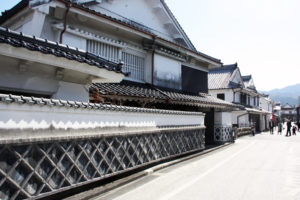
Ukiha Travel GuideTime-honored scenery, back to 100 years ago. The Avenue is located in Yoshii-machi, Ukiha-city. Shirakabe, literary meaning is white wall. The avenue of houses with white wall were constructed about 100 years ago. About 250 houses in the area has been designated as National important traditional buildings preservation district. In the Edo era (1603-1868), Yoshii flourished as a post town between Kurume and Hita. In the Meiji era ( from 1868), this area experienced a big fire three times. In order to protect from the fire, people have rebuilt the houses with the fire resistance design using clay wall painted by white. Hina Doll Festival Featured Restaurant, Shirakabe The restaurant Shirakabe is in the former merchant’s building constructed in 1928. Japanese cuisines using best local ingredients that vary by season can be enjoyed. The chef who makes that cuisines also experienced the imperial family’s cook.
-

-
Horikiri Pass
2026/04/02
Miyazaki & Nichinan travel guideThe suggested sightseeing spot in Nichinan. Horikiri is located along Japan National Route 220, and the road going through the mountain pass involves an extremely sharp turn that you cannot see beyond before you go around it. The 60m altitude pass allows you to look down at a beautiful view of the Pacific Ocean. The coastline here is lined with rocks that have been worn away by the waves splashing against them, as well as beautiful phoenix palm trees. About 1km further down the road from Horikiri Pass you will find the Horikiri Pass Phoenix Road Station. At the road station you will find fast food and restaurants as well as souvenir shops, making this the ideal location for a break.
-
-
Toi Cape
2026/04/02
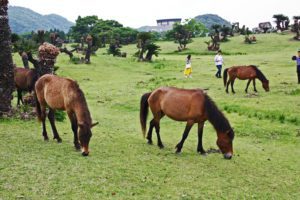
Miyazaki & Nichinan travel guideWild horses are living here. Cape Toi, located in the south of Miyazaki Prefecture, is a cape at the east end of Shibushi Bay, which is in the southernmost part of the Nichinan kaigan Coast. Gentle hills extend, and you can observe wild horses, called Misaki-uma, living and grazing there. It is said that the Misaki-uma are the descendants of army horses left grazing and which became wild 300 years ago. They are now designated as a natural monument. At the Horse House in the Toi-misaki Visitor Centre, information about the ecology and living circumstances of the Misaki-uma is displayed on panels. Visitor Centre Souvenir shop Misaki-uma
-
-
Somen noodle nagashi
2026/04/02
Ibusuki travel guideEnjoy Somen noodle nagashi. The unique Somen noodle nagashi in Tosenkyo ravine in Kaimon open throughout the year serving cold Somen noodle that swim in the revolving container. Tosenkyo Entrance Restaurant Somen noodle Tosenkyo Shrine Menu Serve the Somen noodle
-
-
Nagasaki-bana Cape in Satsuma peninsula
2026/04/02
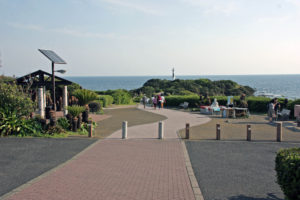
Ibusuki travel guideNagasaki-bana Cape is the southernmost point of the Satsuma Peninsula. A walking path leads from a small cluster of souvenir shops to the tip of the cape where there stands a white lighthouse. To the Cape Lighthouse View from the sea A highlight of a visit to the cape are the views of nearby Mount Kaimondake, which stands 924 meters above sea level. Because of its conical shape, it bears a striking resemblance to Mount Fuji and is often referred to as “Satsuma Fuji”. Mount Kaimondake Lighthouse Kinko bay Nagasaki-bana Cape is said to be the birthplace of The Legend of Urashima Taro who saved a turtle, it took him to Ryugu-jo (the Palace of the Dragon as a token of it’s gratitude). The new worship hall of the Ryugu Shrine was built in 2011. The name of popular limited express for sightseeing “Ibusuki tamate-bako” is associated with the Legend of Urashima Taro. Ryugu Shrine Shrine main building Urashima Taro
 WhatsApp: Chat with us