
-
-
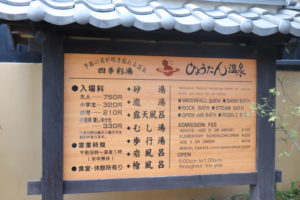
Hyotan Onsen, sand bath
2026/04/04
Beppu travel guideThe most popular pubulic bath in Beppu. You can enjoy various type of Onsen including the sand bath. Hyotan Onsen is a public bath where is located in Kannawa district in Beppu. There are Outdoor bathes, Hyotan bath, Waterfall bath, Steam bath and Sand bath. You can also enjoy meals at the restaurant; local specialty cuisine Dangojiru, or food steamed with the steam from hot spring. The waters of this Onsen contain sodium chloride which is effective for neuralgia and women’s diseases.
-

-
Usa Shrine
2026/04/04
Usa & Ajimu travel guideOne of the most beautiful Shrine in Japan, the head shrine of Hachiman Shrine that is composed 44,000 shrines that dedicated to the Hachiman Deity. Emperor Ojin, who was deified as Hachiman-jin (the tutelary god of warriors), is said to be enshrined in all the sites dedicated to him; and the first and earliest of these was at Usa in the early 8th century. The Shrine is was founded in 727. Exploring the shrine Main gate, Torii 2nd gate, Torii Chozusha, purification place Chozusha, purification place To purify Dedication of Sake Approach to the Shrine Shrine Gate Hachiman Deity Lantern Gourd for good fortune Omikuji, Fortune telling paper Shrine main building Sacred tree Lantern for Hachiman Deity
-
-
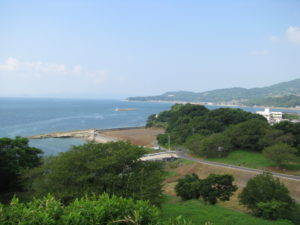
Harajo Castle ruins
2026/04/04
Shimabara travel guideThe Christian pilgrimage site, registered on UNESCO’s World Heritage Site as Hidden Christian Sites in the Nagasaki Region. The site is located in Minami-arima in Minami-Shimabara-city and the Battle field of Shimabara Rebellion which was a peasant uprising against bakufu’s persecution of Christians under the leadership of Amakusa Shiro in 1637. It was founded by Arima Takazumi in 1496 and was a flat castle with a fortress naturally created both by the cliff facing Ariake Sea and the tide coming in. This Castle was abandoned since Matsudaira. Shigemasa, the load of Shimabara, built Shimabara Castle after the rupture of Arima family ties. Christian farmers rose in a riot due to their grievance about the oppression by Matsukura Shigemasa. The Shogunate regarded this riot as Christian rebellion and sent its punitive force, therefore locked themselves in the castle and with their leader Amakusa Shiro Tokisada fought against the Shogunate. On February 27, 1638, he died in battle. The following day, the castle fell. 37,000 Christians including women and children died a violent death. It is registered on the UNESCO World Heritage as Hidden Christian Sites in the Nagasaki Regionin 2018.
-
-
Kunisaki peninsula travel guide
2026/04/04
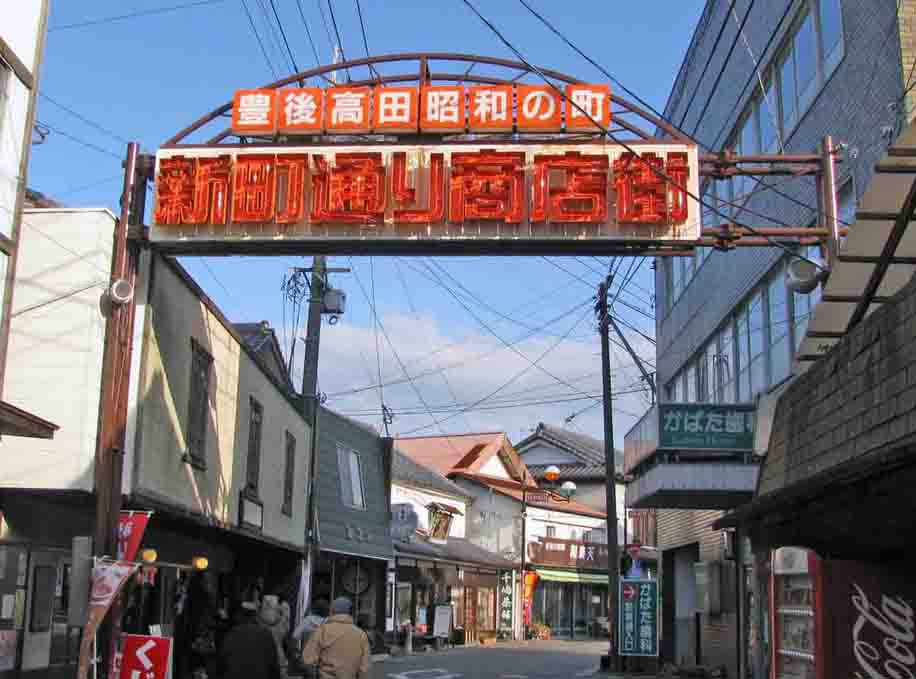
Oita-prefectureKunisaki peninsula is a rural area located on the north-east side of Oita-prefecture. It is especially popular for it’s onsen, and trekking, and the local cuisine can be enjoyed as well. Kunisaki peninsula began to develop 1,300 years ago as a sacred religious ground influenced by local mountain and nature worship. Showa no machi The era that lasted till about 30 years ago in Japanese history, Bungo Takada was the most prosperous in Kunisaki Peninsula for over 300 years from the Edo period up to 1900. Here remains various old structures and remnants of regional Japanese. Fuki-ji Temple The temple is a Tendai Buddhist temple located on the slopes of Mount Futago. The temple was established in 718 and the temple building is the oldest extant wooden structure in Kyushu. Nagasaki-bana Cape The resort park features a beach, a campsite, restaurant and more. The entire premises gets painted beautifully with colors of each and every seasonal flower in season. Tashibu-no-sho This district was once considered the most important estate of Usa Shrine. It has been ascertained from ancient documents that the rural landscape seen today has remained unchanged since Heian period. Now included this are, Kunisaki peninsula is listed on the World Agricultural Heritage. Kumano magaibutu Hewn in a rock Mt. Tahara are two of largest Buddhist stone carvings in all Japan. A Fudo-myu-o 8 meter in heigt and Dainich-nyurai 6.8 meter height. Said to have been carved in …
 WhatsApp: Chat with us