
Nagasaki travel guide
 Nagasaki travel guide
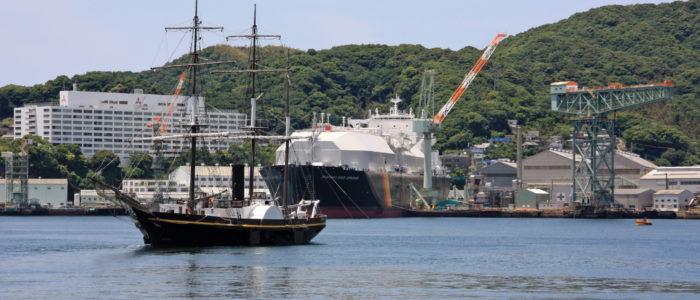
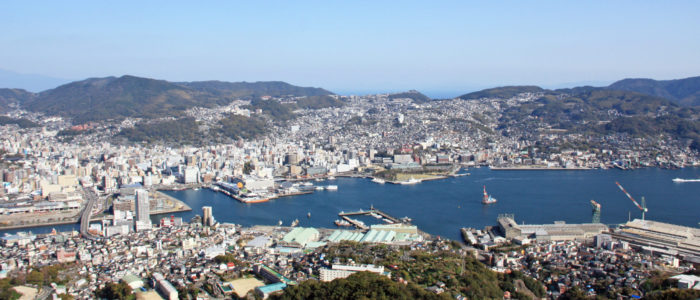
Since the opening of its port in 1571, Nagasaki has flourished as Japan’s
premier international gateway. The city offers a unique blend of history,
from the early spread of Christianity to its pivotal role in Japan’s industrial
revolution. While it is a place of profound historical significance—including
its tragic experience as the site of an atomic bombing—Nagasaki today
stands as a beautiful city of peace and culture.
Exploring Nagasaki
Glover Garden / UNESCO World Heritage
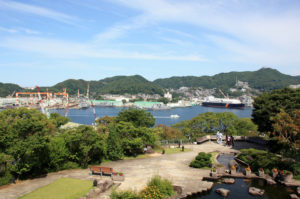 |
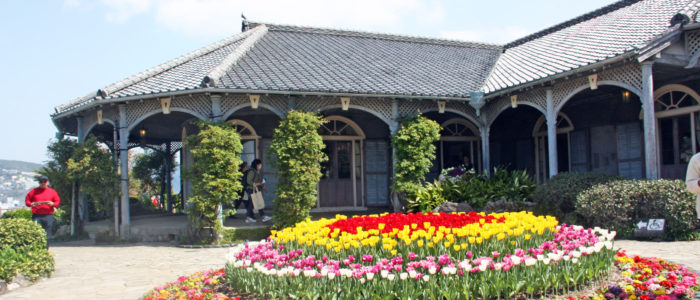
Glover Garden is located on Minami-Yamate Hill in Nagasaki City and features nine traditional Western-style buildings. Among these, the Glover, Alt, and Ringer Residences date back to the settlement era and are invaluable structures that have stood on this site for over 150 years. The garden boasts a stunning location overlooking Nagasaki Port, with the iconic Mt. Inasa visible in the background. |
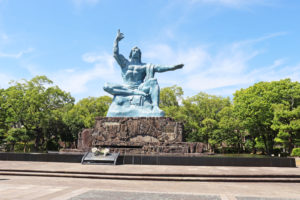 |
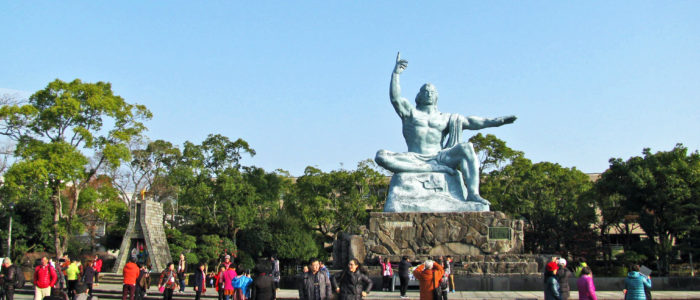
The Peace Statue was erected in 1955 near Ground Zero, where the atomic bomb was dropped at 11:02 a.m. on August 9, 1945. Every year on August 9, the Peace Memorial Ceremony is held in front of the statue, where the Mayor of Nagasaki delivers the Nagasaki Peace Declaration to the world. |
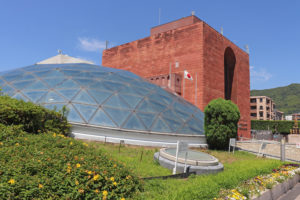 |
The museum displays a collection of photographs that depict the devastation of the atomic bombing, the lead-up to the tragedy, the history of nuclear arms, and a collective hope for a peaceful world |
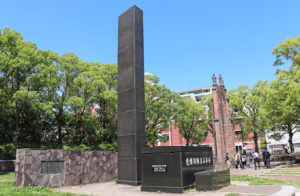 |
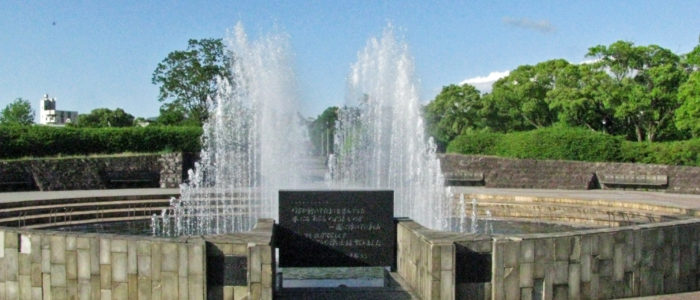
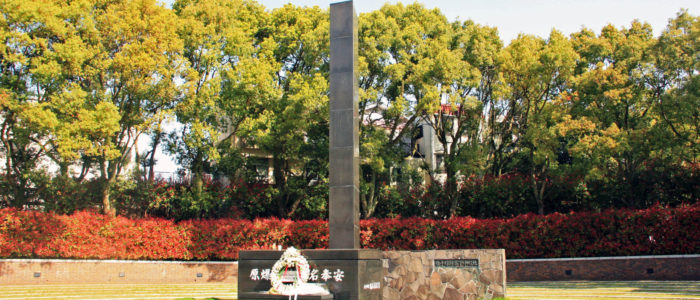
The plutonium atomic bomb detonated approximately 500 meters above the hypocenter at 11:02 a.m. on August 9, 1945. Most of Nagasaki was destroyed, and a staggering number of lives were lost. Among the city’s 240,000 residents, approximately 70,000 died instantly, and up to 60,000 others were injured. |
Christian Pilgrimage sites in Nagasaki
Oura Cathedral / UNESCO World Heritage
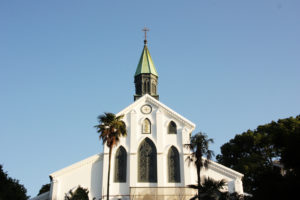 |
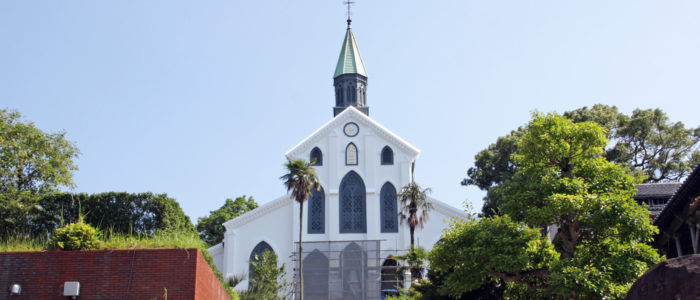
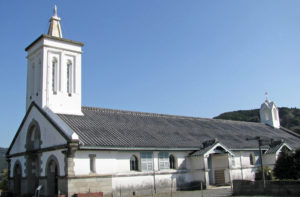
The Cathedral is one of the significant Christian pilgrimage sites in Japan. Established in 1865, this church is officially known as “Oura Cathedral, the Church of 26 Martyrs.” It was built by the French priest Bernard Petitjean of Fier, who was dispatched by the Paris Foreign Missions Society to dedicate prayers to the 26 saints martyred on Nishizaka Hill. |
Martyrdom of the 26 Saints of Japan
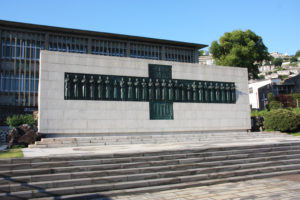 |
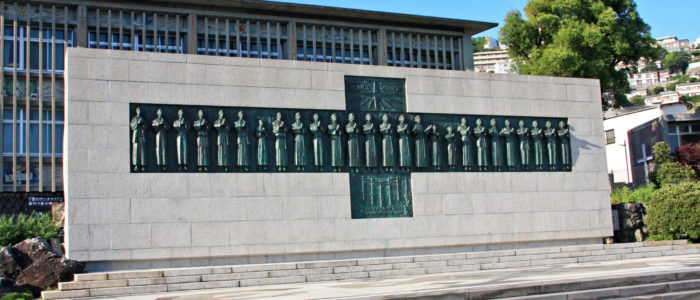
Nishizaka Hill is the most significant Christian pilgrimage site in Japan. The 26 Martyrs of Japan were a group of Catholics who were executed by crucifixion on February 5, 1597. Their martyrdom is especially significant to the history of the Catholic Church in Japan. In 1637, St. Lorenzo Ruiz from the Philippines was also martyred here at Nishizaka Hill. |
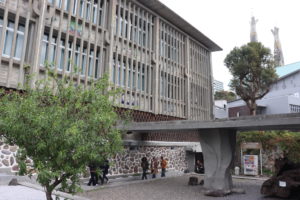 |
The museum behind the monument is devoted to the memory of the martyrs and to Japanese Christianity in general. Its interior is reminiscent of a church, with stained-glass windows creating an atmospheric setting for the exhibits. On display are various artifacts related to Christianity in Japan, including historical documents, statues, and jewelry. |
| Nakamachi Church | ||
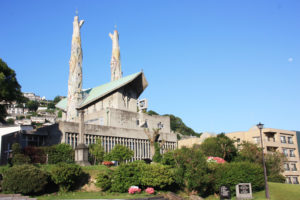 |
 |
 |
|
|
|
|
Featured destinations
|
|
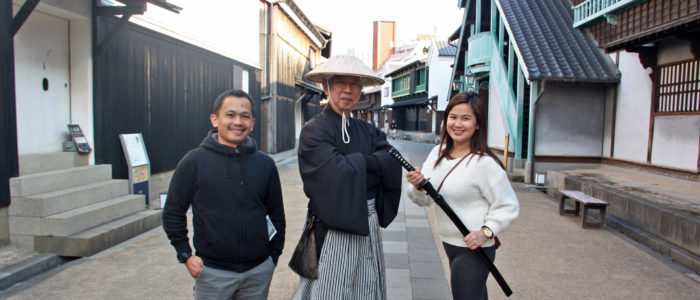
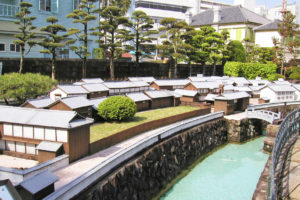
Dejima, a fan-shaped artificial island in Nagasaki, was the sole gateway for trade and cultural exchange with Europe during Japan’s era of isolation (1641–1853). As the only site where Dutch merchants were permitted, it played a vital role in introducing Western science, medicine, and culture to Japan. |
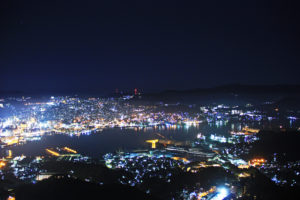 |
Mount Inasa is a 333-meter-high mountain located in close proximity to JR Nagasaki Station. The summit can be reached by ropeway, slope car, or car, and it offers great views over the city. The magnificent night views from Mount Inasa are also ranked among Japan’s three best night views. |
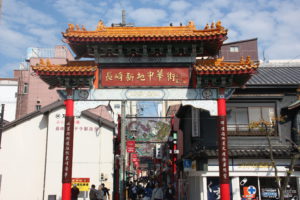 |
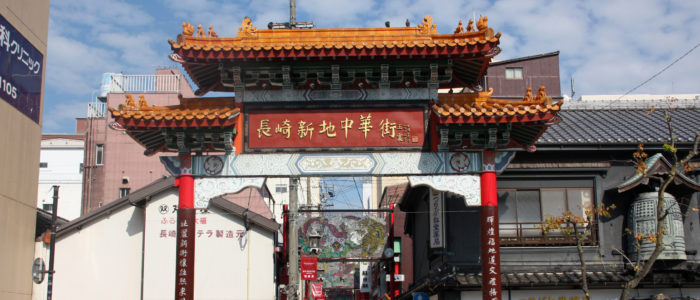
Located in the Shinchi district, Nagasaki Chinatown is one of the big three Chinatowns in Japan. Visitors can explore around 50 Chinese restaurants and a variety of shops offering unique Chinese sundries. |
Gunkan-jima island cruise / Hashima Coal Mine
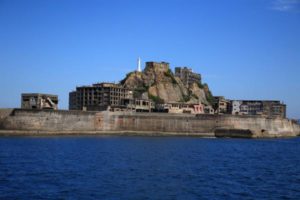 |
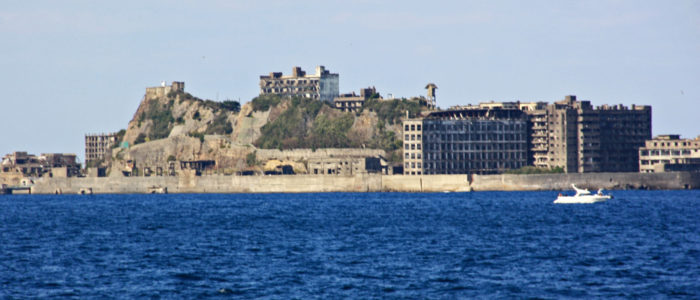
Hashima Island, commonly known as Gunkanjima (Battleship Island), is a reclaimed island that hosted Japan’s first large-scale undersea coal mine. Pioneered by Mitsubishi, it played a crucial role in the nation’s modernization. Today, it is recognized as a UNESCO World Heritage Site as part of the “Sites of Japan’s Meiji Industrial Revolution: Iron and Steel, Shipbuilding and Coal Mining. |
|
|
|
|
|
|
|
|
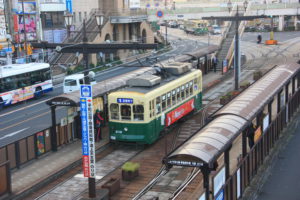 |
The Nagasaki Electric Tramway provides a convenient and affordable way to travel around the main attractions of Nagasaki City. |
Design Your Kyushu Trip
We arrange tailor-made Kyushu private tours.
Connect below via your preferred method:
 WhatsApp: Chat with us