
-
-
Ruins of Urakami Cathedral
2026/06/25
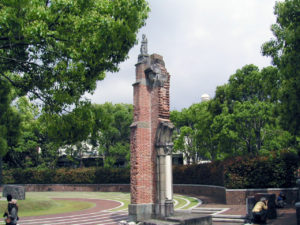
Nagasaki travel guideIf you look to the right while facing the Ground Zero Monument, you will see a section of the damaged brick wall from the former Urakami Cathedral. The church was originally located about 500 meters northeast of the epicenter, on the same site as the modern, rebuilt Urakami Cathedral. The construction of the original building began in 1895 and continued until 1925, when the twin steeples were finally completed. Ruin of destroyed Urakami Cathedral Ruin of destroyed Urakami Cathedral Present Urakami Cathedral Known at that time as the largest church in the Orient, the imposing red-brick structure was devastated by the atomic bomb explosion, which tragically killed a large number of parishioners. In 1958, an 11-meter-tall section of the damaged southern wall was relocated to the Atomic Bomb Hypocenter Park. The cathedral was later rebuilt in honor of those who were lost; it was reconstructed in 1959 and further renovated in 1980 to restore its brick appearance, just a year before the Pope’s historic visit.
-

-
Urakami Cathedral
2026/06/25
Nagasaki travel guideConstruction of the original Urakami Cathedral, a brick Romanesque building, began in 1895 after the long-standing ban on Christianity was lifted. When completed in 1914, it was the largest Catholic church in East Asia. The atomic bomb that detonated on August 9, 1945, exploded in Urakami, just 500 meters from the cathedral, completely destroying it. The remains of the original cathedral are now on display at the Nagasaki Atomic Bomb Museum. A replacement church was built in 1959 and was remodeled in 1980 to more closely resemble the original brick building. The nearby the Ground Zero in Peace Park contains remnants of the Ruins of Urakami Cathedral.
-
-
Beppu travel guide
2026/06/08
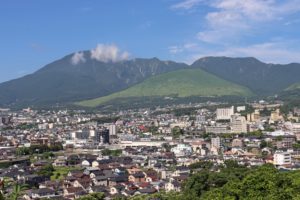
Oita-prefectureBeppu is one of the most famous onsen resorts in Japan. The resort is located on a slope extending from Mount Tsurumi to Beppu Bay, where onsen steam rises from everywhere. Boasting more than 2,800 hot spring sources and a flow rate of nearly 137,000 kiloliters per day, Beppu is considered a hot spring paradise famous for its high therapeutic effects. The most recommended experiences are taking the ropeway up Mount Tsurumi and exploring the famous “Hells” (Jigoku) tour. The town is divided into eight major hot spring areas collectively called “Beppu Hatto,” each offering beautiful scenery and various types of spring water with unique therapeutic qualities. Beppu Hell Tour The most famous attractions are the “Jigoku Meguri” (Hells Tour), a collection of spectacular hot springs where water bubbles up from underground in unique and unusual ways. Five of the hells are located in the Kannawa district, about 4 km northwest of Beppu Station, while the remaining two are in the more remote Shibaseki district. Foot bath Have you ever tried a foot bath? Known as “ashiyu” in Japanese, these are public hot springs where you can soak your feet to relax. In Beppu, you can easily find ashiyu spots throughout the Kannawa area, conveniently located near the “Hells” tour sites. Hyotan Onsen, sand bath Beppu’s …
-
-
Kushida Shrine
2026/06/27
Fukuoka travel guideThe Shrine of Hakata Gion Yamagasa Festival. Located in Hakata nearby Canal City Hakata and was built in 757 as a guardian deity of Hakata. The most exciting summer festival in Kyushu, Hakata Gion Yamakasa is held in the shrine in July. The tall Kazari Yamakasa, a luxuriously decorated float, is always displayed. The float was constructed without using even a single nail. The Oi Yamakasa, in which floats weighing over a ton race through the streets of Hakata carried on the shoulders of 26 people, presents a dynamic spectacle of bravery and strength that attracts many spectators. The shrine is also famous for its annual Setsubun (bean-throwing) ceremony, which takes place every year on February 3rd.
-
-
Aso Shrine
2026/06/14
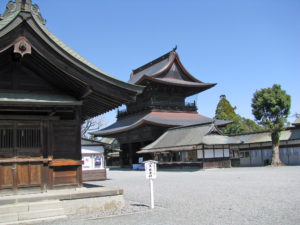
Aso travel guideAso Shrine is one of Japan’s oldest and most prominent shrines, said to have been founded in 282 BCE before the accession of Emperor Jimmu. It is widely worshipped for its blessings, including protection against traffic accidents, warding off evil (exorcism), matchmaking (marriage), and academic success (learning). The shrine is located in the center of the Aso Caldera, which is famous for being one of the world’s largest inhabited calderas. Hiburi-shinji Festival
-
-
Kinrinko lake
2026/06/09
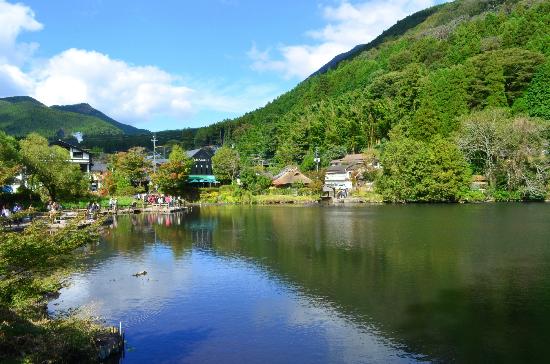
Yufuin travel guideKinrinko lake is the landmark in Yufuin. Hot water gushes from the bottom of the lake, and hot steam rises from its surface on a cold day. The lake is located at the end of the town’s main walking route, about a kilometer and a half from the Yufuin station. Walking paths surround the lake as well as more small shops and cafes, and there is a small shrine located at the lake’s southern end. Shitan-yu Floral Village Coffee restaurant Shopping Street Kamenoi Besso Rickshaw
-
-
Martyrdom of the 26 Saints of Japan
2026/06/17
Nagasaki travel guideNishizaka Hill in Nagasaki is the site where 26 Catholics, including Paulo Miki, were crucified on February 5, 1597. Arrested in Kyoto and Osaka by order of Toyotomi Hideyoshi, they were forced to march 800 km in the snow to their execution From the cross, Paul Miki declared: “All of you who are here, please listen to me. I am Japanese by birth and a brother of the Society of Jesus. I have committed no crime; the only reason I am being put to death is that I have taught the doctrine of our Lord Jesus Christ. I am deeply happy to die for this cause, and I see my death as a great blessing from the Lord. At this critical moment, when you can be assured that I will not try to deceive you, I want to emphasize and make it unmistakably clear that man can find no way to salvation other than the Christian way. Since the Christian law commands us to forgive our enemies and those who have wronged us, I declare here that I forgive Taikosama (Hideyoshi) Then, they all ascended to heaven with the happiness of giving their lives to Christ. Nishizaka hill, the site of Martyrdom in 1597 The martyrs said that ” All people, bless God ! ” The 26 Japanese …
-
-
Confucius Shrine
2026/06/26
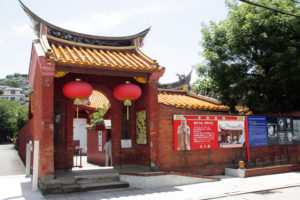
Nagasaki travel guideThe Nagasaki Confucius Shrine is the world’s only Confucian shrine built outside China by Chinese hands. First constructed in 1893 by Chinese residents of Nagasaki with the support of the Qing Dynasty government, the shrine was designed to serve as a place of worship and learning for the Chinese community, housing both a Confucian sanctuary and a primary school. The buildings were severely damaged by the Atomic bomb explosion on August 9, 1945 and were not restored and opened to the public until September 1967. The shrine was extensively renovated in 1982. Standing outside the shrine are 72 statues representing the 72 followers of Confucius. A building at the rear of the shrine houses the Museum of Chinese History and Palace Museum. It features large illuminated photographs of the old Silk Road and models of early Chinese inventions such as the world’s first seismograph. Displayed on the second floor are more than 80 treasure-class articles of varying antiquity on loan directly from the Chinese National Museum and Palace Museum in Beijing.
-

-
Ground Zero
2026/06/16
Nagasaki travel guideSuch a disastrous war must never be repeated. At 11:02 a.m. on August 9, 1945, a plutonium atomic bomb detonated approximately 500 meters above the central monument. Most of Nagasaki was destroyed, and a tremendous number of lives were lost; about 70,000 out of Nagasaki’s 240,000 residents died instantly, and up to 60,000 others were injured. The radius of total destruction was approximately 1.6 kilometers, with subsequent fires spreading across the northern part of the city and extending up to 3.2 kilometers south of the hypocenter.
-
-
Tochoji temple
2026/06/27
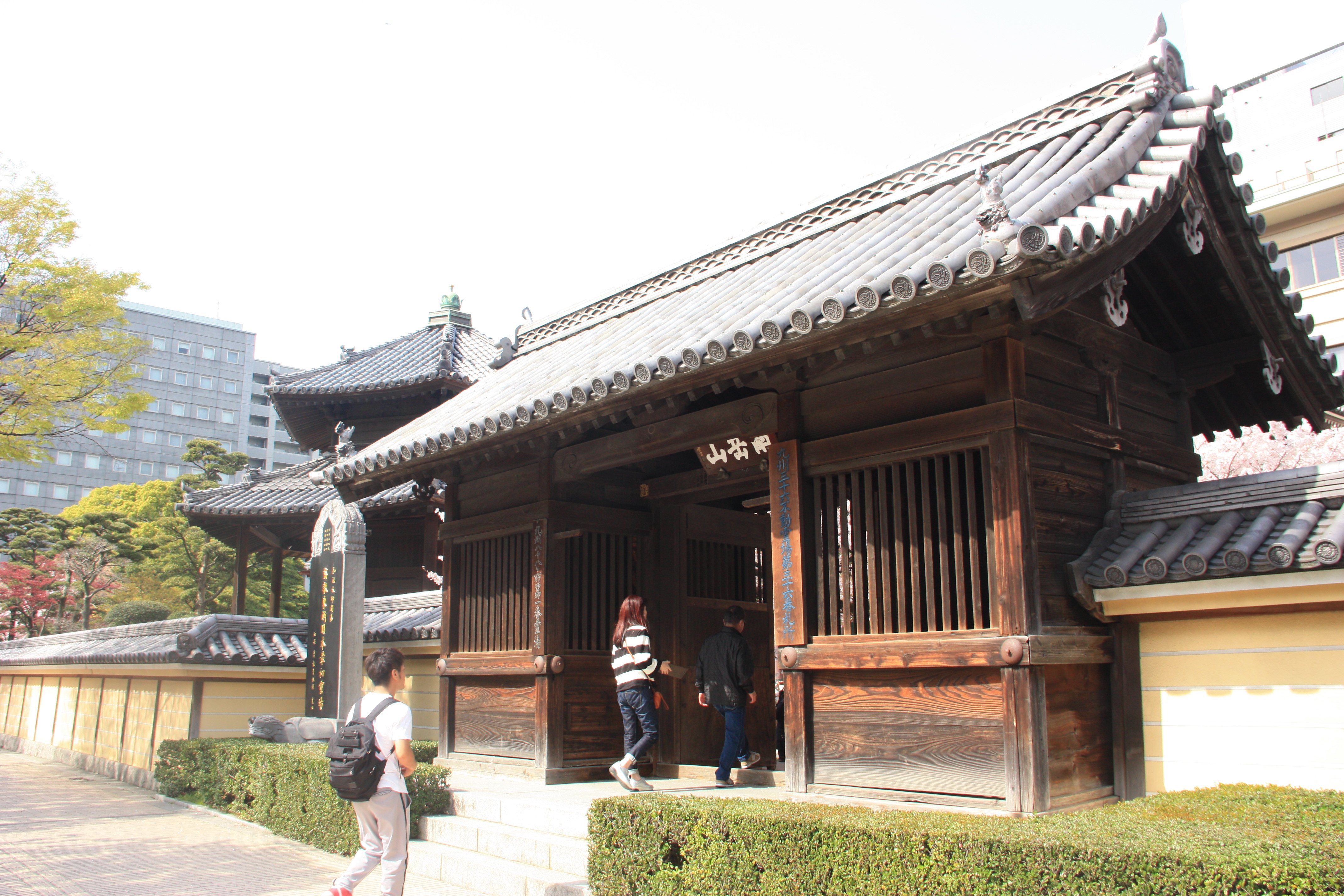
Fukuoka travel guideHome to the largest seated wooden Buddha in Japan, Tochoji Temple was founded in 806 by Kobo-daishi Kukai, making it the oldest Shingon sect temple in the country. Also known as “Tocho-mitsuji Temple,” it is said that Kobo-daishi founded it upon his return to Hakata after his Buddhist training in Tang China. He built the temple to pray for the eastward dissemination and perpetuation of Shingon Esoteric Buddhism. Completed in 1993, the Fukuoka Daibutsu (Great Buddha of Fukuoka) stands 10.8 meters tall and is the largest seated wooden Buddha in Japan. On the 28th of each month, the doors of the Rokkakudo temple on the premises are opened, allowing visitors to view its six Buddhist statues. The main hall houses a wooden statue of the Thousand-armed Kannon (Avalokiteshvara), which is designated as an Important Cultural Property.
 WhatsApp: Chat with us