
-
-
Raizan Sennyo-ji temple
2026/04/12
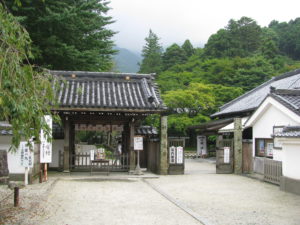
Itoshima travel guideOne of the most famous temple in Fukuoka prefecture known for being a great place for cherry blossom viewing in the spring, and many people visit in the autumn to see the fall foliage. The temple was founded in 725, Nara period by Seiga, who come from India as a priest during the period. There is an Important Cultural Property which is the 4.8 meter wooden Avalokitesvara statue in the main hall. The main hall was founded by Kuroda Tsugutaka who was the 6th feudal lord of Kuroda clan in Fukuoka. 400 years of age big maple tree, which has been designated as natural monument of Fukuoka prefecture, has been said to be planted by him.
-

-
Shimabara Castle
2026/03/22
Shimabara travel guideShimabara Castle, is located in Shimabara and was built in 1625 by the feudal load Matsukura Shigemasa, who was regarded as a master of castle building. The castle, which took 7 years to complete, is also known as “Moritake Castle”. It was an almost rectangular flatland castle built in the Renkaku-style. Also, it was a superb example of a castle where three layered yagura turrets were placed at strategic points around the five-layered donjon which was influenced by the architectural style of the Azuchi-Momoyama period. Through it was demolished in 1874 during Meiji Restoration, west turret called “Nishi-no-yagura” was first restored in 1960 and the donjon was restored in 1964. In the castle, the Christianity Museum has been established. Many Christian historical materials, local collection, and ethnic collections are exhibited in the museum. View from the Castle tower
-
-
Samurai Houses
2026/01/04
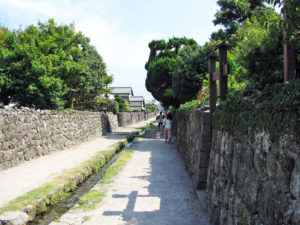
Shimabara travel guideSamurai was a term for the military nobility in pre-industrial Japan. The Samurai Houses in Shimabara along the old Samurai street nearby Shimabara Castle were built in 18th century. Three samurai houses, the Yamamoto residence, Shinozuka residence and Torita residence, are opened to the public exhibiting the life style of old Samurai.
-
-
Samurai Street
2026/04/02
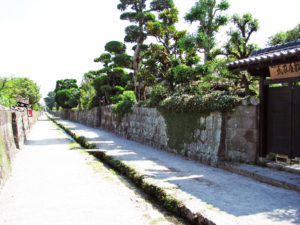
Shimabara travel guideSamurai street lined with stone walls and a spring water canal running down the center commemorates the old samurai section of Shimabara. Three Samurai houses have been restored and opened as exhibits.
-
-
Nokonoshima Island
2026/04/02
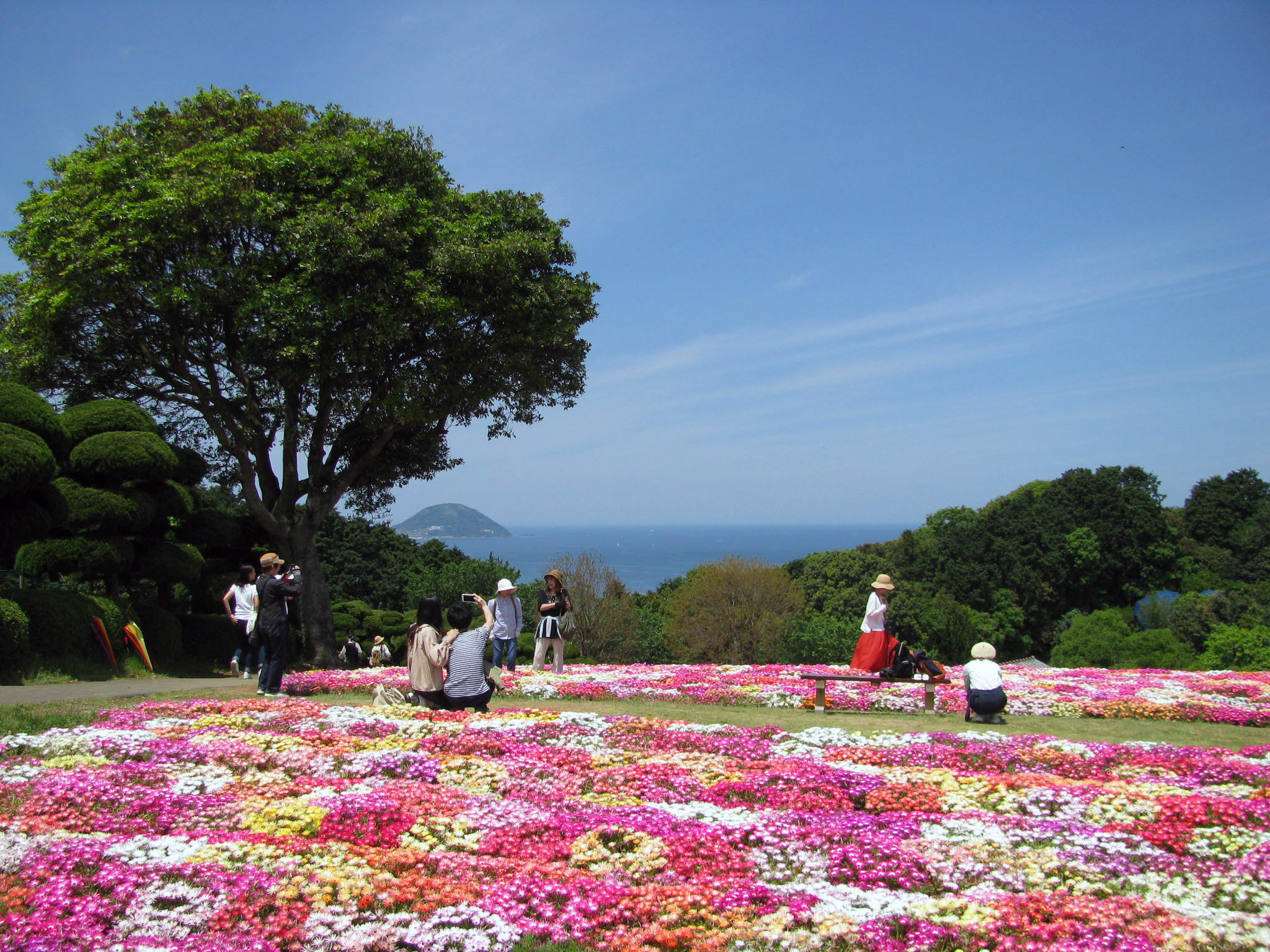
Fukuoka travel guideNokonoshima, in the middle of Hakata Bay Beautiful flowers can be enjoyable throughout the year. Rapeseed blossom, Cherry blossom, Livingstone daisy Poppy, Rhododendro, Marigold, Hydrengea, Plumed cockscomb, Dahlia, Sunflower, Cockspur coral tree Bougainvillea, Scarlet sage, Cosmos, Dahlia, Autumn leaves, Scarlet sage, Japanese narcissus, Japanese camellia, Plum. Restaurant Sakimon, Barbecue house, Retro Shop Omoideya Shop Shimaya, Art Gallery Warabekan, Gift Shop. The breath taking panoramic view of the Hakata Bay can also be enjoyed. A 10 minutes ride the ferry from Meinohama part to Nokonoshima island port, and then a 13 minute ride the Nishitetsu bus from Nokonoshima island port to Island Park.
-
-
Higashida No.1 Blast Furnace
2026/04/10
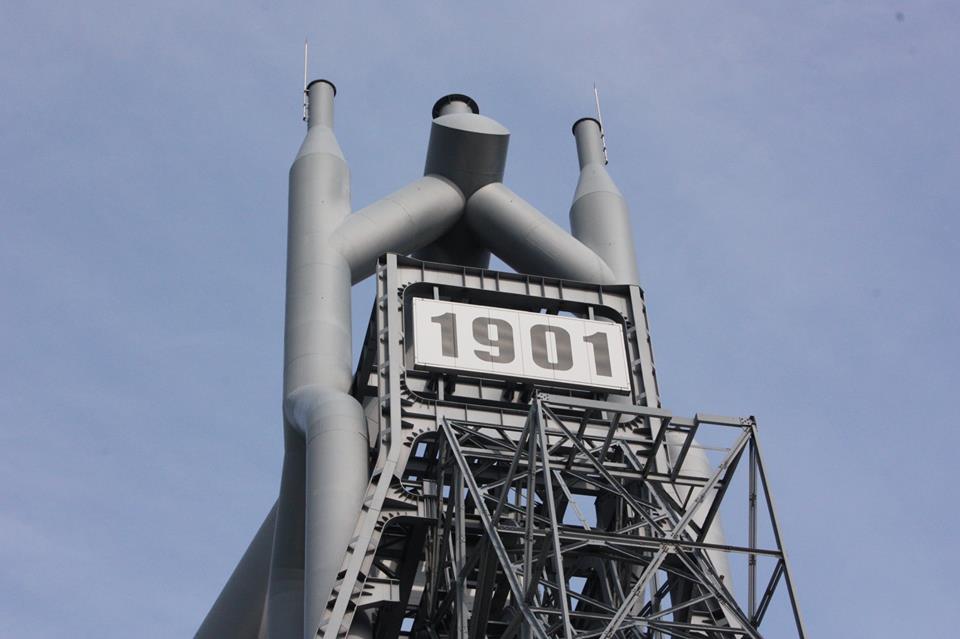
Kitakyushu travel guideBlast Furnace is a Steel plant for making the pig iron from iron ore and coke. Higashida No.1 Blast Furnace is only the Blast Furnace in the world which preserved as it was. The birth place where Japan’s steel industry began in 1901. It contributed greatly to the development of the Japanese steel industry and was used until 1972, and has been preserved just as it was. The big signboard at the top of the Blast Furnace displaying “1901” indicates the year in which the Blast Furnace commenced operation. Equipment and tools which were actually used are exhibited in the square, and you can see the iron-making process from the raw material (ore and coke)to production of pig iron. Name Plate indicated blow-in year Blast Furnace proper Hot Stove and Stack Dust Catcher & Cast house Torpedo Car Converter Cast house floor Tap hole Tapping activity Bustle main & Goose neck Tuyere Shaft shell Inside of Furnace Valves of Hot Stove Bustle main brick work
-
-
Kyokusui-no-en at Dazaifu Shrine
2026/04/06
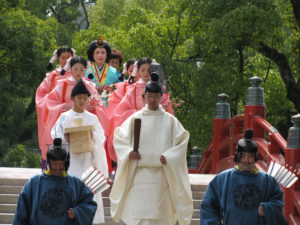
Authentic Kyushu Meals, Dazaifu travel guideThe festival is held on the first Sunday of March. Kyokusui-no-en is a Japanese traditional ceremony held at Dazaifu Tenmangu Shrine on the first Sunday of March, a purification ceremony on a winding stream, is performed by ladies and gentlemen in a ceremonial court robe under the plum blossoms in full-bloom. After the Tobiume-no-mai dance by shrine maidens, Kyokusui-no-En Festival begins. Vermilion-lacquered cups full of sake are set afloat down the stream. Before the cups reach each of the participants sitting along the stream, they have to make up a Japanese poem called waka, and write it down on a strip of fancy paper. When the cups reach the participants, they drink the sake and hand the paper strip and cup over to an attendant. The ceremony has its origin in a historical fact that Ono-no-Yoshifuru, an elder brother of a noted-calligrapher Ono-no-Tofu, held a ceremony to appease the soul of Michizane Sugawara and to beguile tedious hours in a rural life.
-
-
Kyushu National Museum
2026/04/06
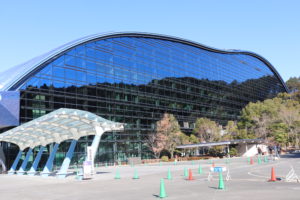
Dazaifu travel guideKyushu National Museum was opened in 2005 in Dazaifu-city next to Dazaifu Tenmangu Shrine, as Japan’s fourth national museum after Tokyo, Kyoto and Nara. Dazaifu is the place where played important role as an administrative center and a center for trade with China and Korea since 1300 years ago, therefore the concept of the museum is decided “Interpreting the formation of Japanese culture from the perspective of Asian history”.
-
-
Tanga Market
2026/01/01
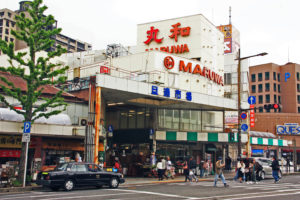
Kitakyushu travel guideThis Tourist information is created by Japan KYUSHU Tourist for enjoyment of your travel. We are a Travel Agent in Fukuoka specializing in Kyushu. When you have an idea or a plan for traveling in Kyushu, Japan, please contact us by sending an Enquiry. Typical Japanese market, known as “the kitchen” in Kitakyushu-city. There are more than 120 shops in the 180 metre-long arcade. Here you get a true taste of the culture and sample the real life style of the people living in Kitakyushu. You can find fresh, inexpensive fish, vegetables and meats, as well as local specialties such as karashi mentaiko ( fish roe seasoned with tasty spices and sauce) and nukamiso daki (boiled fish with paste made from rice bran and soy beans). General information Address Uomachi, Kokura-kitaku, Kitakyushu-city, Fukuoka-prefecture Access 15 minutes walk from JR Kokura Station through Kyomachi and Uomachi arcade shopping street 10 minutes walk from Kokura Castle and River Walk Kitakyushu Home Customized Private tour Christian Pilgrimage tour Golf tour What our Customers have to say About us Contact us Terms and Conditions Privacy Policy Staff Blog
-
-
Kokura Castle Garden
2026/04/14
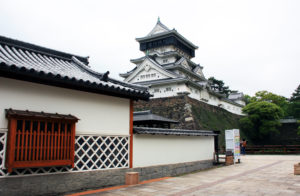
Kitakyushu travel guideKokua Castle Garden made at the former site of Shitayashiki (lord’s guest house) located next to Kokura Castle. This garden consists of a Japanese garden and a daimyo yashiki (a lord’s house), a building of the Shoin-zukuri type (a style of Japanese domestic architecture). In this garden, not only can you see Japanese traditional architecture, but also enjoy the Tea Ceremony at the Experience Zone. Japanese Garden Japanese Cultural Experience Time to enjoy dressing in Kimono, tea ceremony experience, and Rickshaw riding experience Kokura Castle Garden and Kokura Castle. You can also take beautiful photographs in this location to provide you with wonderful memories and recollection of your visit to Kokura.
 WhatsApp: Chat with us