
-
-
Site of Dazaifu Government Office
2026/04/05
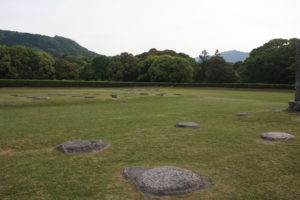
Dazaifu travel guideGovernment site of Ancient Kyushu. Known as TOFURO, the site was used during the Nara (710 to 794 AD) and Heian (794 to 1185 AD) period. The Dazaifu was responsible for supervising Japan’s maritime frontier, as well as for administering the nine provinces and two island of the Saikaido (modern Kyushu). In those days, a great edifice with vermillion columns and tiled roof stood at the foot of Mt. Ono, but today all that remains is a park containing the huge foundation stones of the original building.
-
-
Atomic Bomb Museum
2026/06/16
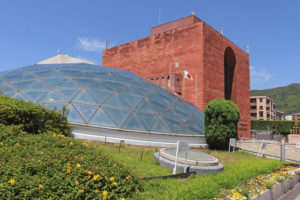
Nagasaki travel guideThe Nagasaki Atomic Bomb Museum opened in April 1996 as part of a project commemorating the 50th anniversary of the atomic bombing. The museum replaced the Nagasaki International Cultural Hall, which had previously exhibited a vast collection of artifacts related to the bombing. The museum exhibits numerous photographs and artifacts that depict the devastation caused by the atomic bomb. Its displays also cover the history leading up to that tragic day, the development of nuclear weapons, and our enduring desire for peace.
-
-
Ruins of Urakami Cathedral
2026/06/25
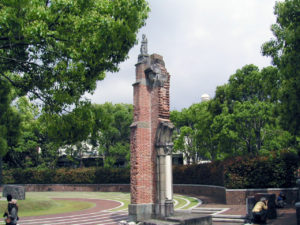
Nagasaki travel guideIf you look to the right while facing the Ground Zero Monument, you will see a section of the damaged brick wall from the former Urakami Cathedral. The church was originally located about 500 meters northeast of the epicenter, on the same site as the modern, rebuilt Urakami Cathedral. The construction of the original building began in 1895 and continued until 1925, when the twin steeples were finally completed. Ruin of destroyed Urakami Cathedral Ruin of destroyed Urakami Cathedral Present Urakami Cathedral Known at that time as the largest church in the Orient, the imposing red-brick structure was devastated by the atomic bomb explosion, which tragically killed a large number of parishioners. In 1958, an 11-meter-tall section of the damaged southern wall was relocated to the Atomic Bomb Hypocenter Park. The cathedral was later rebuilt in honor of those who were lost; it was reconstructed in 1959 and further renovated in 1980 to restore its brick appearance, just a year before the Pope’s historic visit.
-

-
Monument of the Child Praying for Peace
2026/04/01
Nagasaki travel guideWe are a travel agency in Fukuoka specializing in Kyushu, Japan. This information is provided by Japan KYUSHU Tourist to support your journey. At the bottom of the steps leading down from the front of the Nagasaki Atomic Bomb Museum The Monument of a Child Praying for Peace depicting a girl wearing a kimono and holding a folded paper crane. At that time of the atomic bombing there were several schools in the Ground Zero area and some 10,000 school children are through to have perished in the bombing. On the 20th anniversary of the atomic bombing, donations were collected widely from children who express their wish for peace, and this statue was unveiled on August 9, 1967 and remains to this day as a symbol the aspiration for eternal peace.
-
-
Urakami Cathedral
2026/06/25
Nagasaki travel guideConstruction of the original Urakami Cathedral, a brick Romanesque building, began in 1895 after the long-standing ban on Christianity was lifted. When completed in 1914, it was the largest Catholic church in East Asia. The atomic bomb that detonated on August 9, 1945, exploded in Urakami, just 500 meters from the cathedral, completely destroying it. The remains of the original cathedral are now on display at the Nagasaki Atomic Bomb Museum. A replacement church was built in 1959 and was remodeled in 1980 to more closely resemble the original brick building. The nearby the Ground Zero in Peace Park contains remnants of the Ruins of Urakami Cathedral.
-
-
Unzen Jigoku
2026/03/24
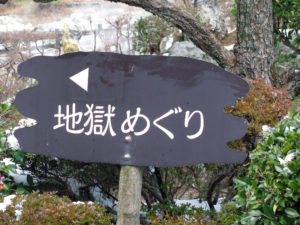
Unzen travel guideJigoku, means Hell, is the number one attraction of Unzen with a peculiar smell of sulfur emitted from the springs, and with white smoke rising from the ground over a wide area. This is a striking reminder that Unzen Volcano is still very much alive. These springs are highly valued by Japanese even now as according to Buddhist teaching, “If you live in a bad manner, you cannot go to Paradise, but rather, you will fall into the Hell of agony”. Unfortunately, this was once put into reality nearly 350 years ago during the time of religious persecution in Japan. 30 Japanese Christians, failing to renounce their faith met their death here in the scalding spring of Jigoku.
-
-
Takasaki mountain animal park
2026/04/02
Beppu travel guideAn altitude of 625m located in the boundary line of Oita-city and Beppu-city is known as a habitat of the wild Japanese monkey. The park was opened in 1953, in which about 1700 wild Japanese monkey are living. The monkeys are fed regularly by park wardens in order to keep them on the mountain and prevent conflicts with farmers and residents in the neighborhood.
-
-
Beppu travel guide
2026/06/08
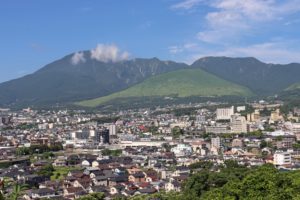
Oita-prefectureBeppu is one of the most famous onsen resorts in Japan. The resort is located on a slope extending from Mount Tsurumi to Beppu Bay, where onsen steam rises from everywhere. Boasting more than 2,800 hot spring sources and a flow rate of nearly 137,000 kiloliters per day, Beppu is considered a hot spring paradise famous for its high therapeutic effects. The most recommended experiences are taking the ropeway up Mount Tsurumi and exploring the famous “Hells” (Jigoku) tour. The town is divided into eight major hot spring areas collectively called “Beppu Hatto,” each offering beautiful scenery and various types of spring water with unique therapeutic qualities. Beppu Hell Tour The most famous attractions are the “Jigoku Meguri” (Hells Tour), a collection of spectacular hot springs where water bubbles up from underground in unique and unusual ways. Five of the hells are located in the Kannawa district, about 4 km northwest of Beppu Station, while the remaining two are in the more remote Shibaseki district. Foot bath Have you ever tried a foot bath? Known as “ashiyu” in Japanese, these are public hot springs where you can soak your feet to relax. In Beppu, you can easily find ashiyu spots throughout the Kannawa area, conveniently located near the “Hells” tour sites. Hyotan Onsen, sand bath Beppu’s …
-
-
Harajiri Waterfalls
2025/12/24
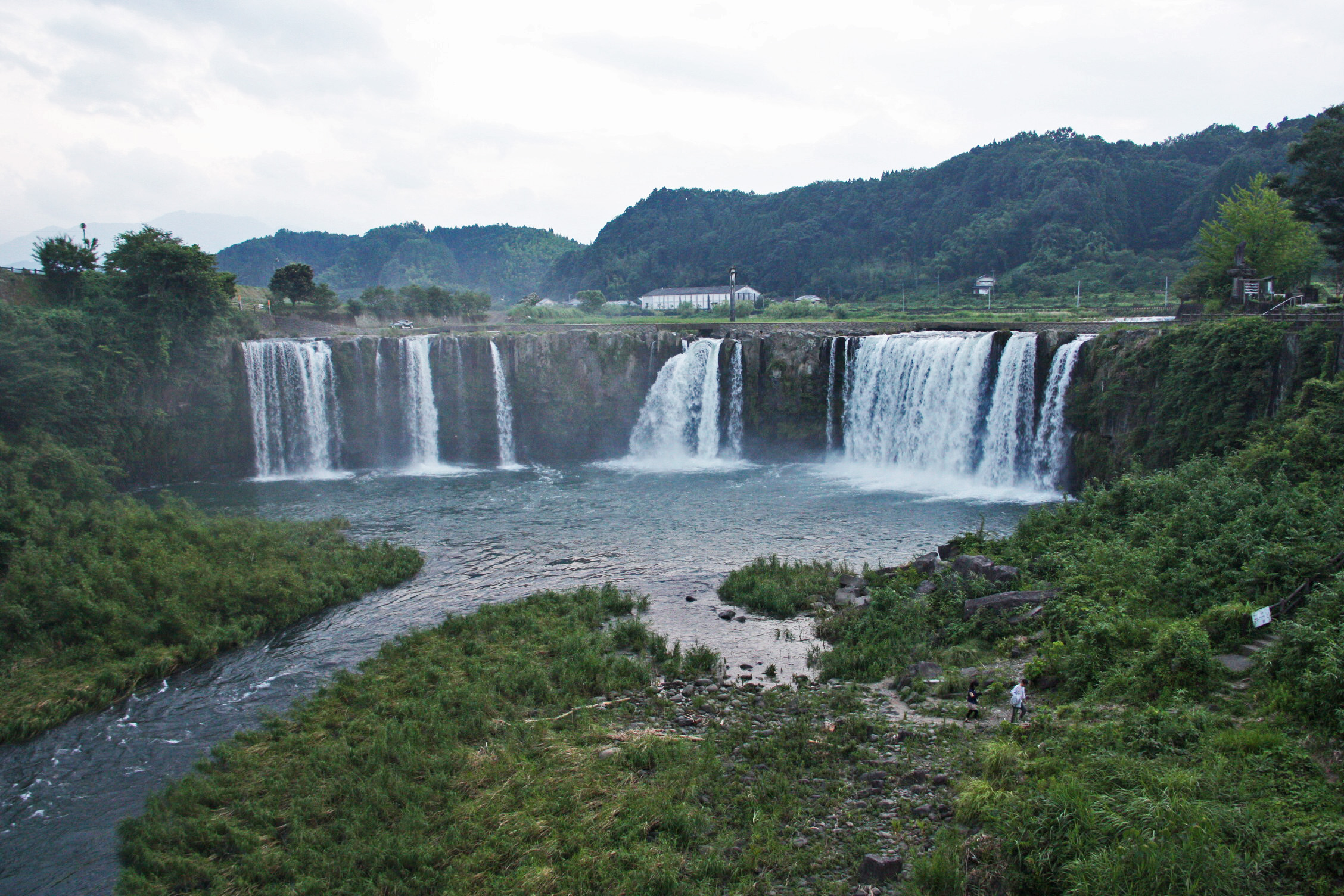
Okubungo travel guideThis Tourist information is created by Japan KYUSHU Tourist for enjoyment of your travel. We are a Travel Agent in Fukuoka specializing in Kyushu. When you have an idea or a plan for traveling in Kyushu, Japan, please contact us by sending an Enquiry. Make an Enquiry It is called Niagara Falls of Japan. The Ogata River, running through the center of the Ogata plain in Oita Prefecture, flows furiously down a cliff and creates Harajiri Falls. The falls, 120 meters wide and 20 meters tall, are selected as one of the best 100 falls in Japan. Lava flows produced by the great eruption of Mt. Aso accumulated and created Harajiri Falls. Upstream of Waterfall Upstream of Waterfall Downstream of Waterfall Cherry blossom Suspension bridge Suspension bridge Wheat field for Beer Ogata-machi Ogata-machi Ogata-machi Grass Cherry Michino-eki, Souvenir shop General information Address Harajiri, Ogata-machi, Bungo-ono-city, Oita-prefecture Access 2 hours and 50 minutes by a vehicle from Fukuoka-city 2 hours and 40 minutes by a vehicle from Kitakyushu-city 2 hours and 10 minutes by a vehicle from Kimamoto-city 50 minutes by a vehicle from Aso 80 minutes by a vehicle from Yufuin 70 minutes by a vehicle from Beppu Home …
-
-
Kushida Shrine
2026/06/27
Fukuoka travel guideThe Shrine of Hakata Gion Yamagasa Festival. Located in Hakata nearby Canal City Hakata and was built in 757 as a guardian deity of Hakata. The most exciting summer festival in Kyushu, Hakata Gion Yamakasa is held in the shrine in July. The tall Kazari Yamakasa, a luxuriously decorated float, is always displayed. The float was constructed without using even a single nail. The Oi Yamakasa, in which floats weighing over a ton race through the streets of Hakata carried on the shoulders of 26 people, presents a dynamic spectacle of bravery and strength that attracts many spectators. The shrine is also famous for its annual Setsubun (bean-throwing) ceremony, which takes place every year on February 3rd.
 WhatsApp: Chat with us