
Yamanami Highway
Yamanami Highway is the Prefectural road Route 11 and one of the
most beautiful scenic driving roads in Kyushu.
The road is connected Yufuin in Oita-prefecture and Minamioguni town
in Aso, Kumamoto-prefecture, the distance is 50 km.
You can enjoy the magnificent natural scenery that changes with the
seasons.
 |
 |
 |
 |
 |
 |
 |
 |
 |
 |
 |
 |
 |
 |
 |
Yufuin travel guide
Nestled at the foot of Mount Yufu, Yufuin is a serene hot spring resort known
for its picturesque basin landscapes. It attracts visitors all year round who
come to immerse themselves in its natural beauty and healing thermal waters.
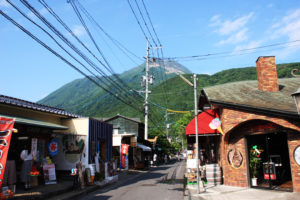 |
The main street in Yufuin, situated at the foot of Mount Yufu, runs from near JR Yufuin Station to Kinrinko Lake. This bustling street—known as Yunotsubo Avenue— features around 70 establishments, including boutiques, gift shops, art galleries, and cafes. It is about a 30-minute walk from the station to the lake along the avenue. |
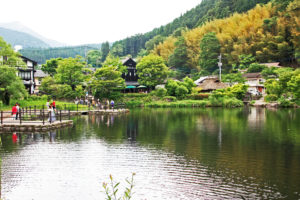 |
One of Yufuin’s most iconic landmarks, this lake is famous for the hot springs that gush from its depths. On cold days, enchanting steam rises from the water’s surface. The lake is located at the end of the town’s main walking route, approximately 1.5 kilometers from Yufuin Station. |
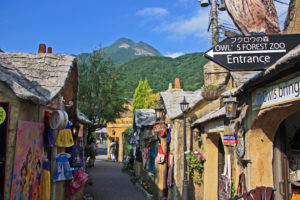 |
Yufuin Floral Village is an amusement park that recreates the streets of England’s Cotswolds region, famously used as a filming location for ‘Harry Potter’. Cute owls will welcome you at OWL’S FOREST. Visitors can enjoy strolling, gourmet food, and shopping among the beautiful flowers in the village. There is even an ‘Alice in Wonderland’ shop here. |
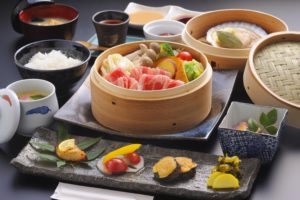 |
Seiro-mushi is prepared in large bamboo or cypress baskets right in front of the diners. This cooking method enriches the flavors with the subtle warmth and fragrance of the wood. Experience the vibrant, ‘Jigoku-mushi’ (literally ‘hell-steaming’) tradition of Beppu, Oita, where fresh local ingredients are steamed to perfection before your eyes. |
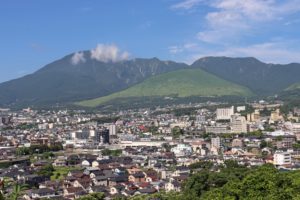
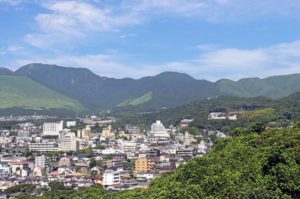
Beppu travel guide
 |
 |
 |
The most famous attractions are the “Jigoku Meguri” (Hells Tour), a collection of
spectacular hot springs where water bubbles up from underground in unique and
unusual ways. Five of the hells are located in the Kannawa district, about 4 km
northwest of Beppu Station, while the remaining two are in the more remote
Shibaseki district.
 |
 |
 |
 |
 |
 |
 |
 |
 |
 |
Have you ever tried a foot bath? Known as “ashiyu”
in Japanese, these are public hot springs where you
can soak your feet to relax. In Beppu, you can easily
find ashiyu spots throughout the Kannawa area,
conveniently located near the “Hells” tour sites.
|
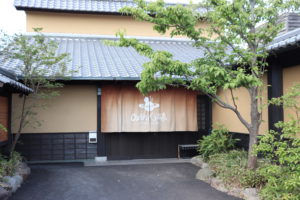 |
Beppu’s popular public baths offer a wonderful opportunity to enjoy various types of onsen experiences, including the unique and famous sand bath. |
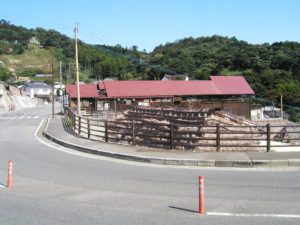 |
Known for its 200-year history of alum production, Myoban Onsen is a unique geothermal area located 400 meters above sea level on the slopes of Mount Garan. Although it is tucked away from the bustling center of Beppu, its iconic traditional “Yunohana” huts make it a must-visit destination. |
Jigoku Mushi kobo
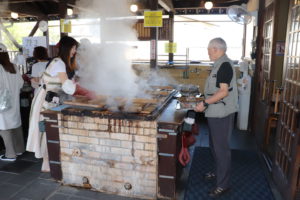 |
Jigoku Mushi, literally “hell-steaming,” is a unique cooking method found in Beppu. Fresh ingredients such as vegetables, seafood, and meat are cooked using natural volcanic steam from the hot springs. You can even try using the steam cookers yourself to cook your favorite foods. |
 |
Soaring 1,375 meters into the sky, Mount Tsurumi is a breathtaking mountain overlooking Beppu that offers scenic hiking trails, rare flora, and outstanding vistas. Visitors can take a ropeway 800 meters up the mountainside and revel in being surrounded by acres of rolling greenery. |
Usa & Ajimu travel guide
Usa area including Ajimu are located at the base of Kunisaki peninsula and spreading
around Usa Shrine.
Since ancient time the Kunisaki peninsula has been home of Kyushu’s prominent Usa Shrine,
influencing the surrounding hills and valleys with Buddhist culture. Although this is a Shinto shrine,
it has long been holy ground to both Shinto and Buddhist activities, and the Kunisaki Mountains
and valleys were often chosen by monks as practice ground for meditation.
Exploring Usa & Ajimu
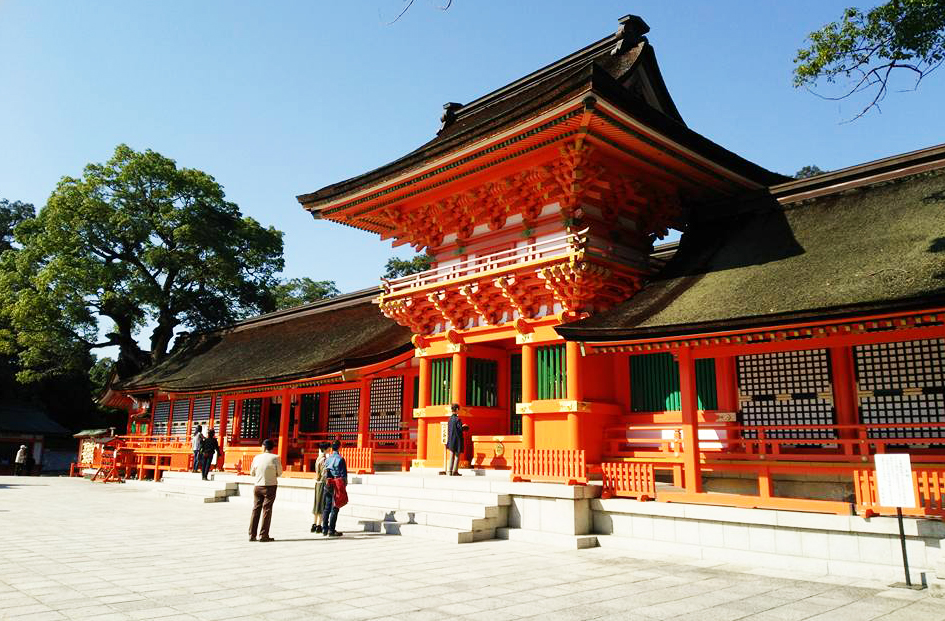 |
The head shrine of Hachiman Shrine that is composed 44,000 shrines that dedicated to the Hachiman Deity. Emperor Ojin, who was deified as Hachiman-jin (the tutelary god of warriors), is said to be enshrined in all the sites dedicated to him; and the first and earliest of these was at Usa in the early 8th century. The Shrine is was founded in 727. |
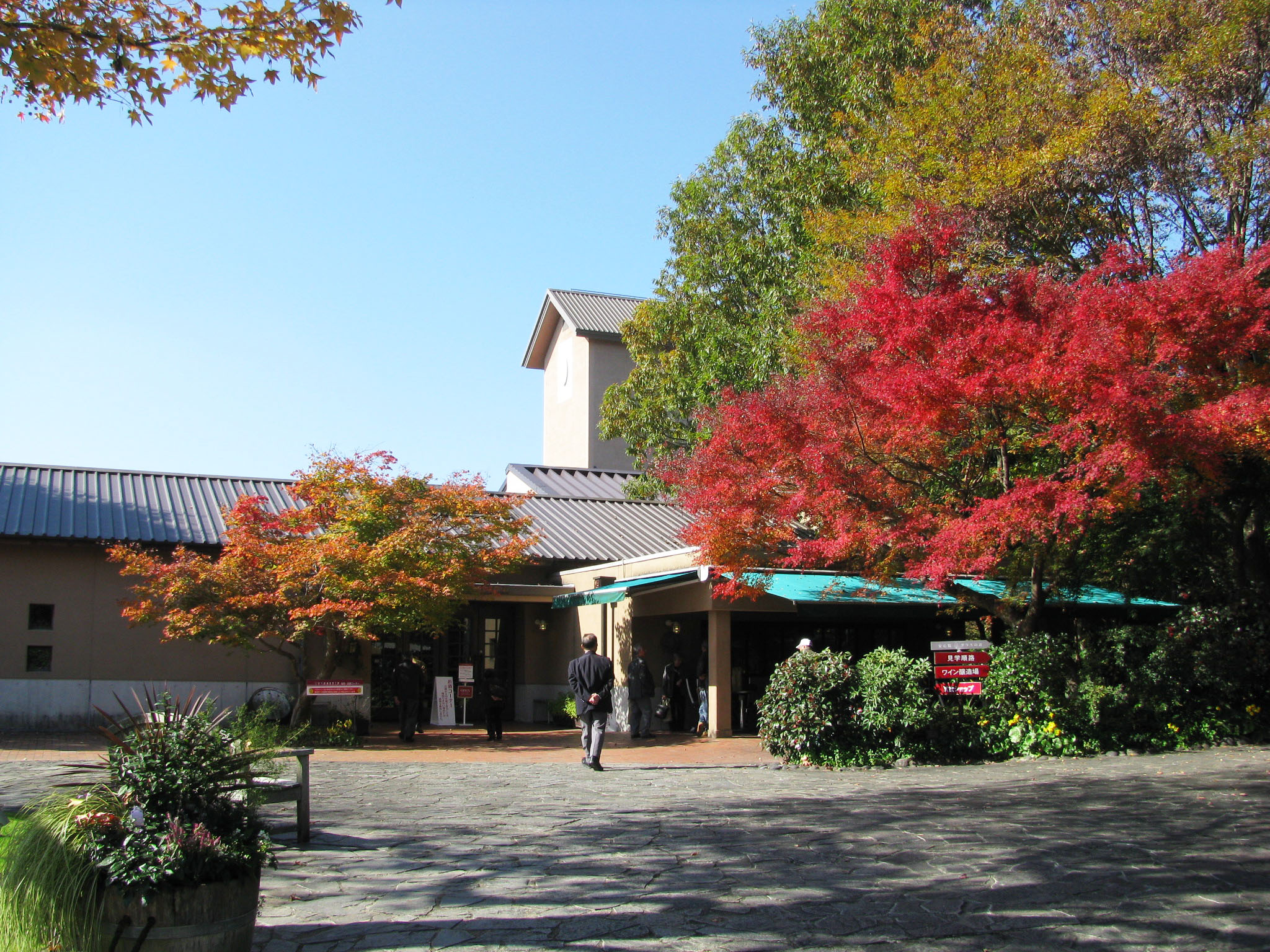 |
Enjoy tasting Ajimu wines, The winery located in the natural rich Ajimu
basin. Ajimu Winery grows high-quality grapes by taking advantage of
the temperature fluctuations found in the extreme climate unique to
this region.
|
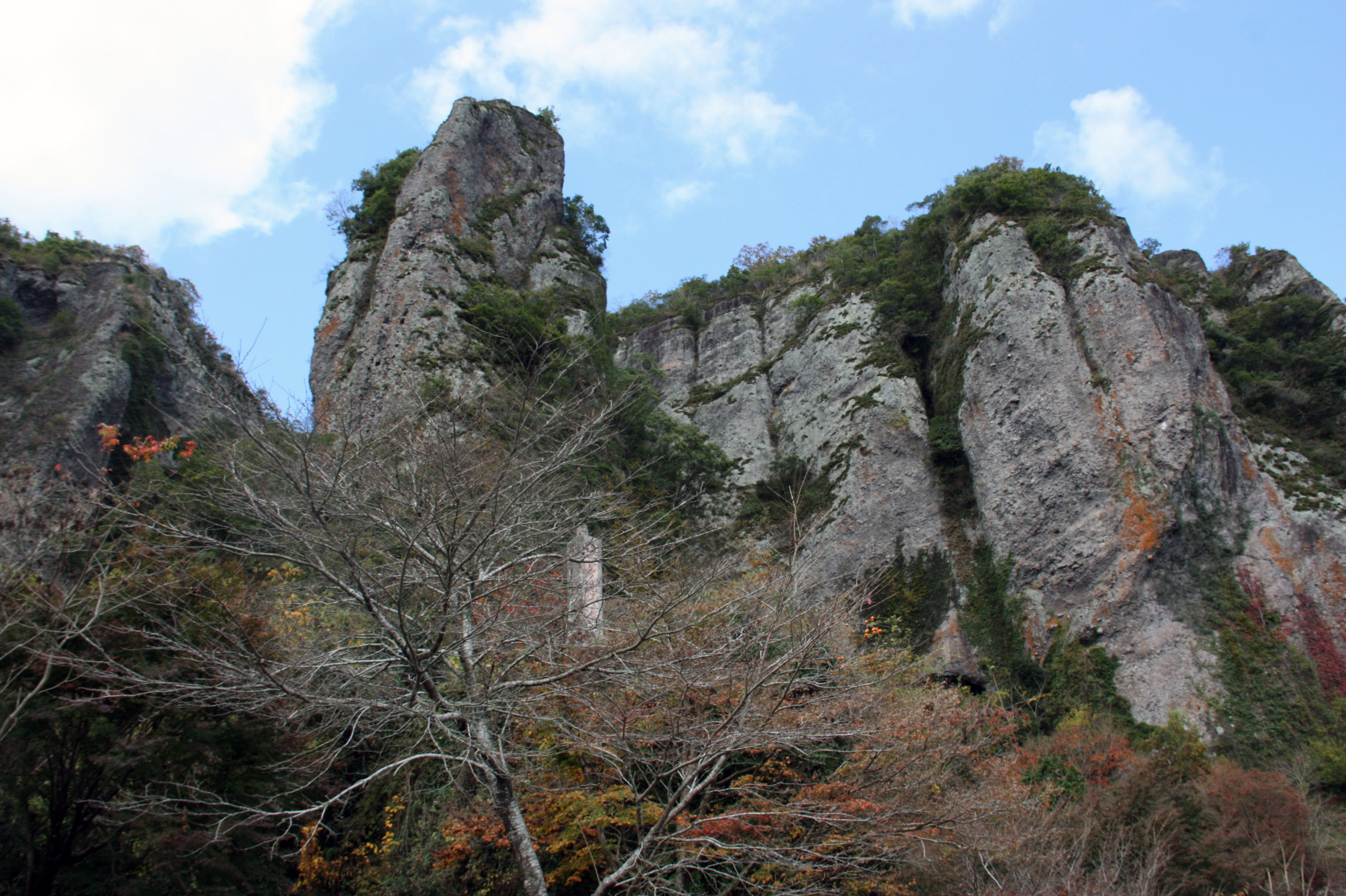
Scenic beauty
|
Sen Cliffs |
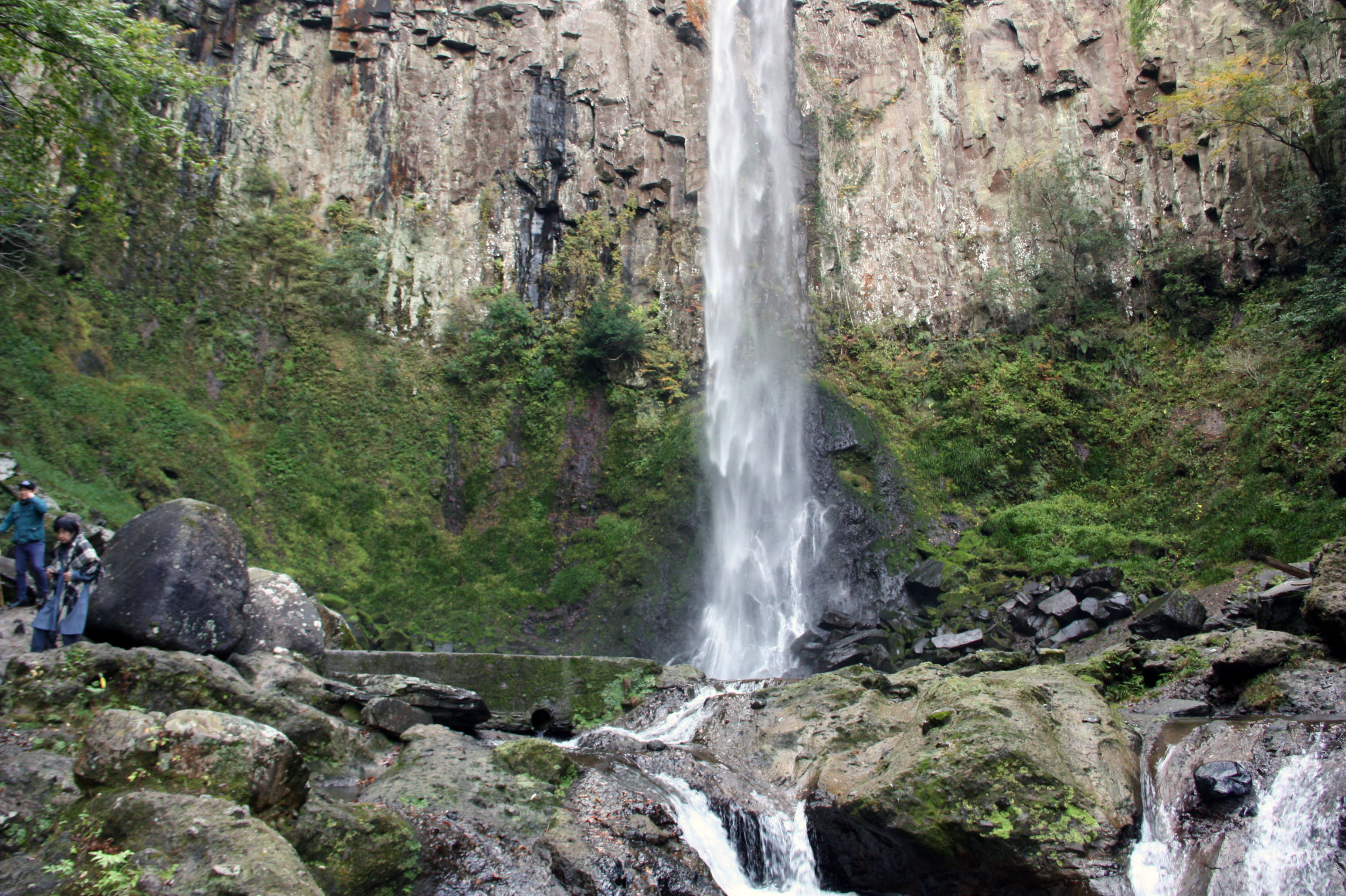
Higashi-shiya Waterfall |
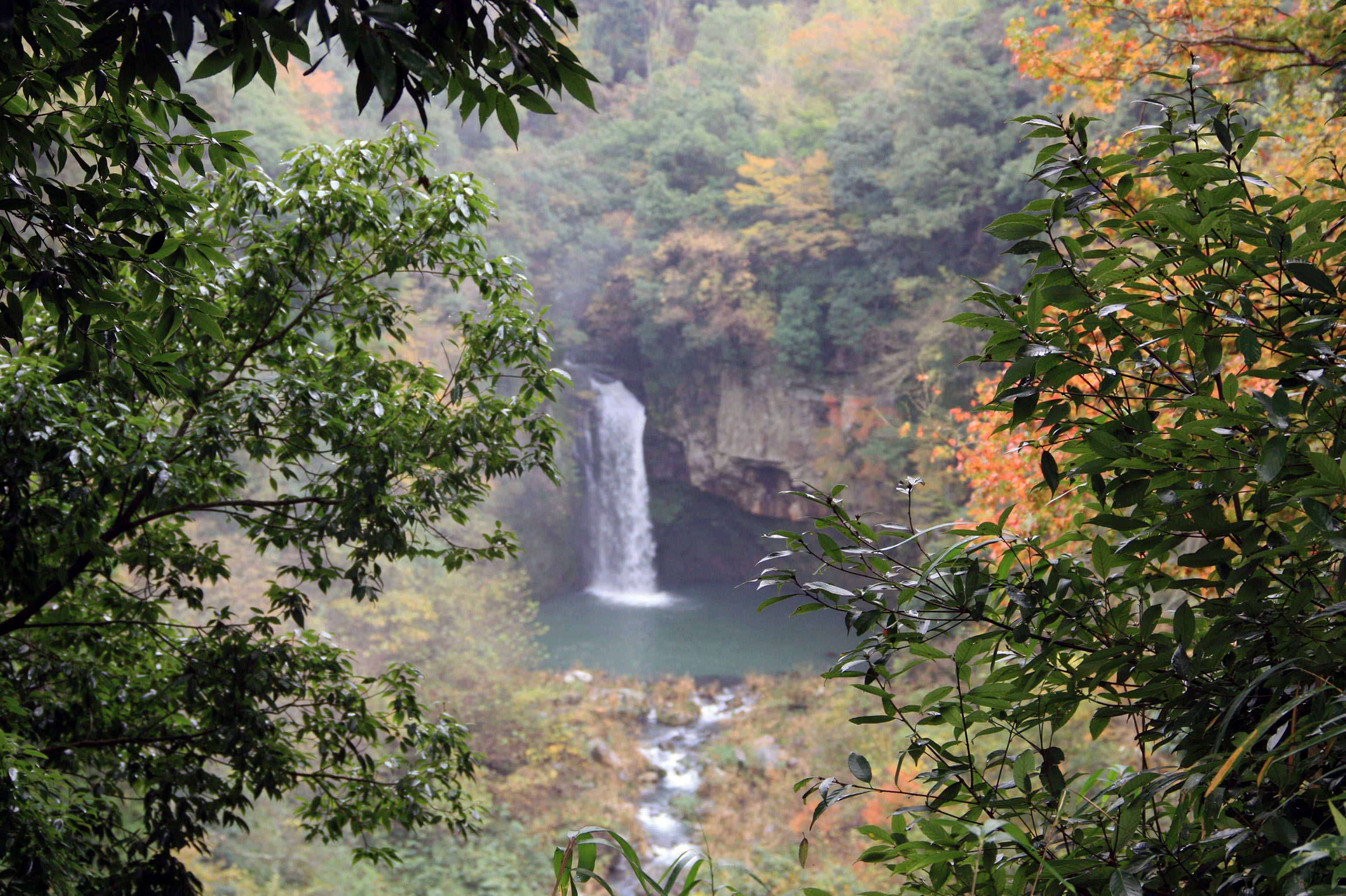
Suzai Waterfall |
Cool Japan
|
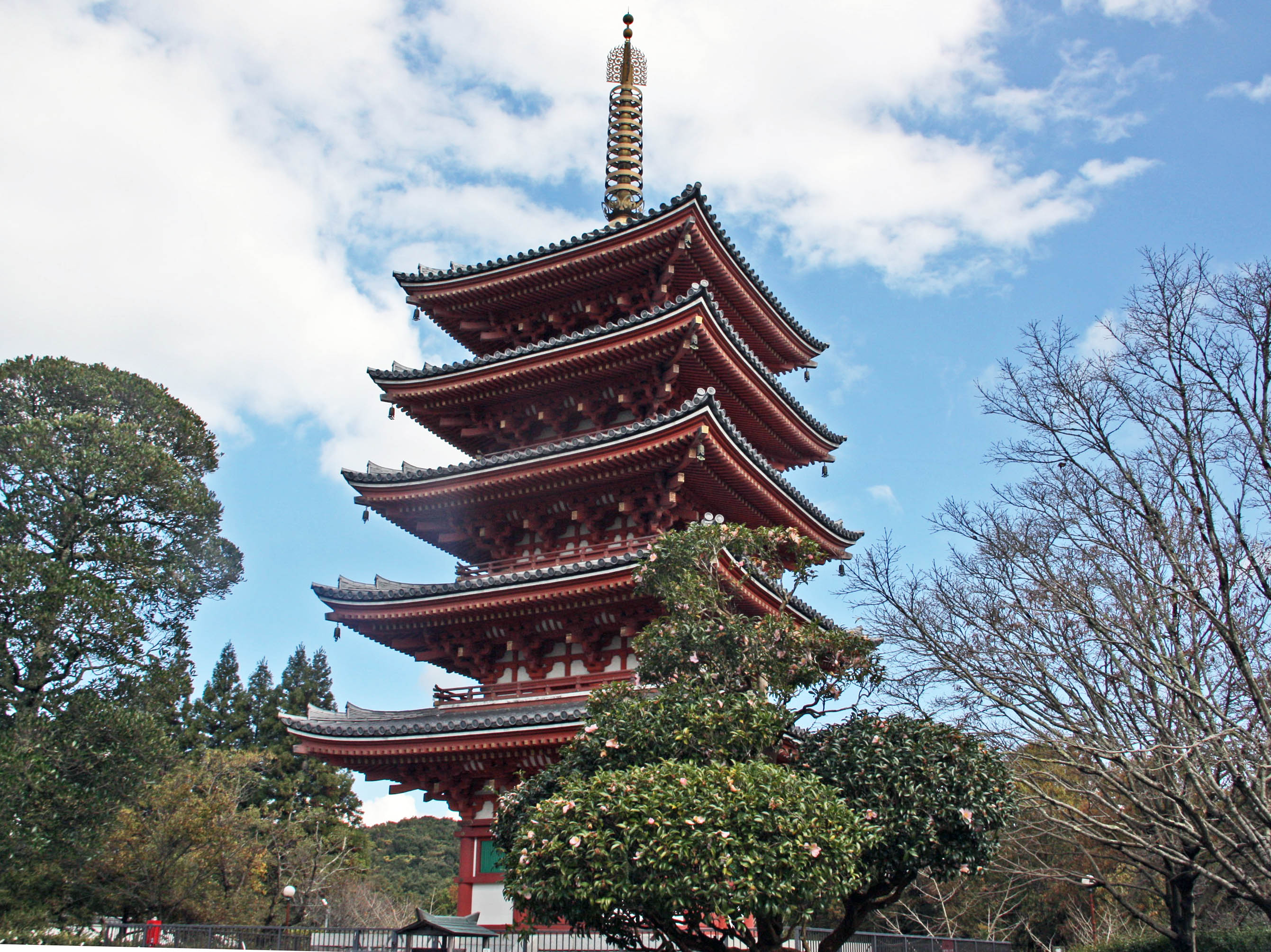
Fukami Five Story Pagoda |
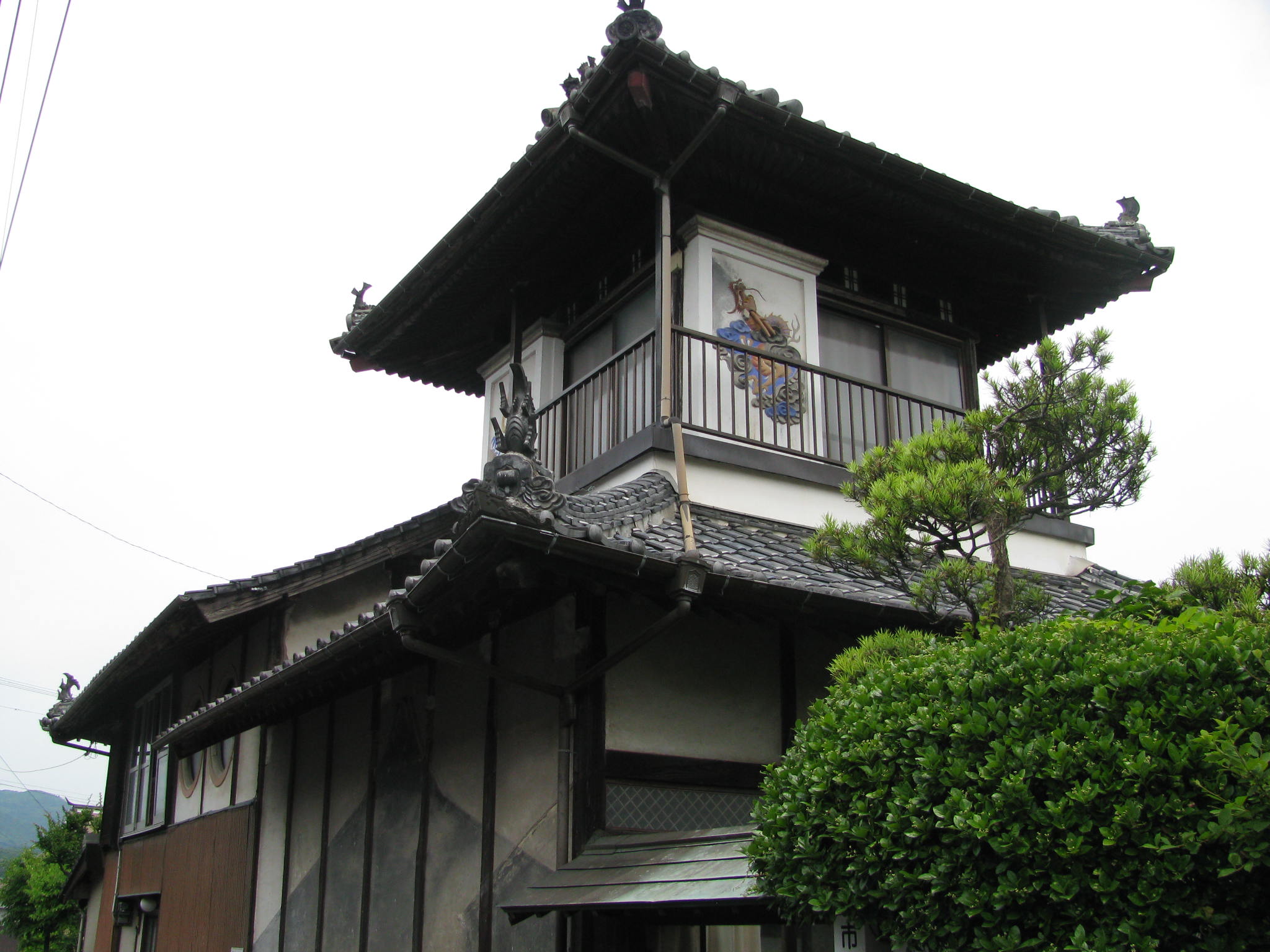
Trowel Painting |
Trowel Painting |
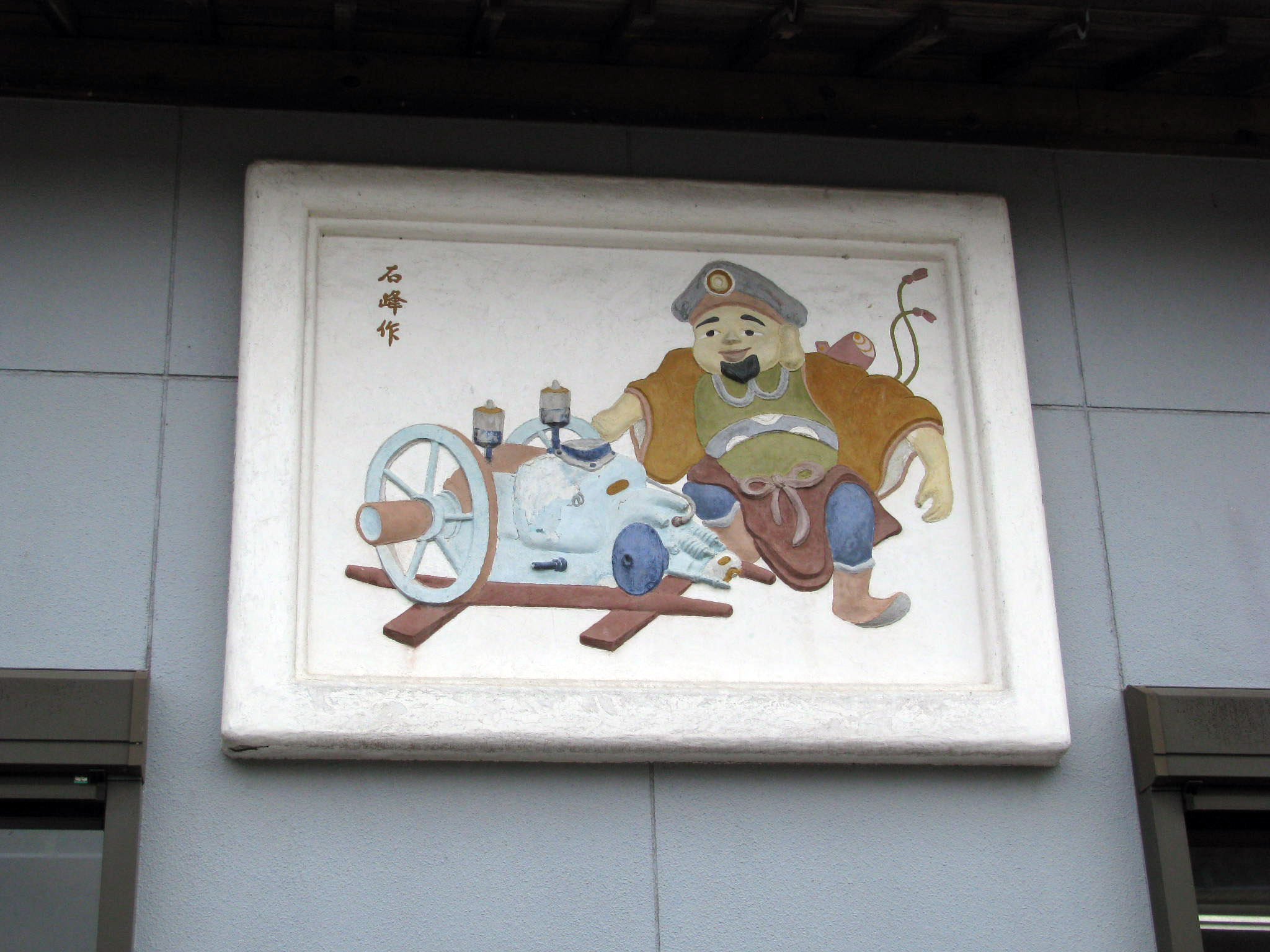
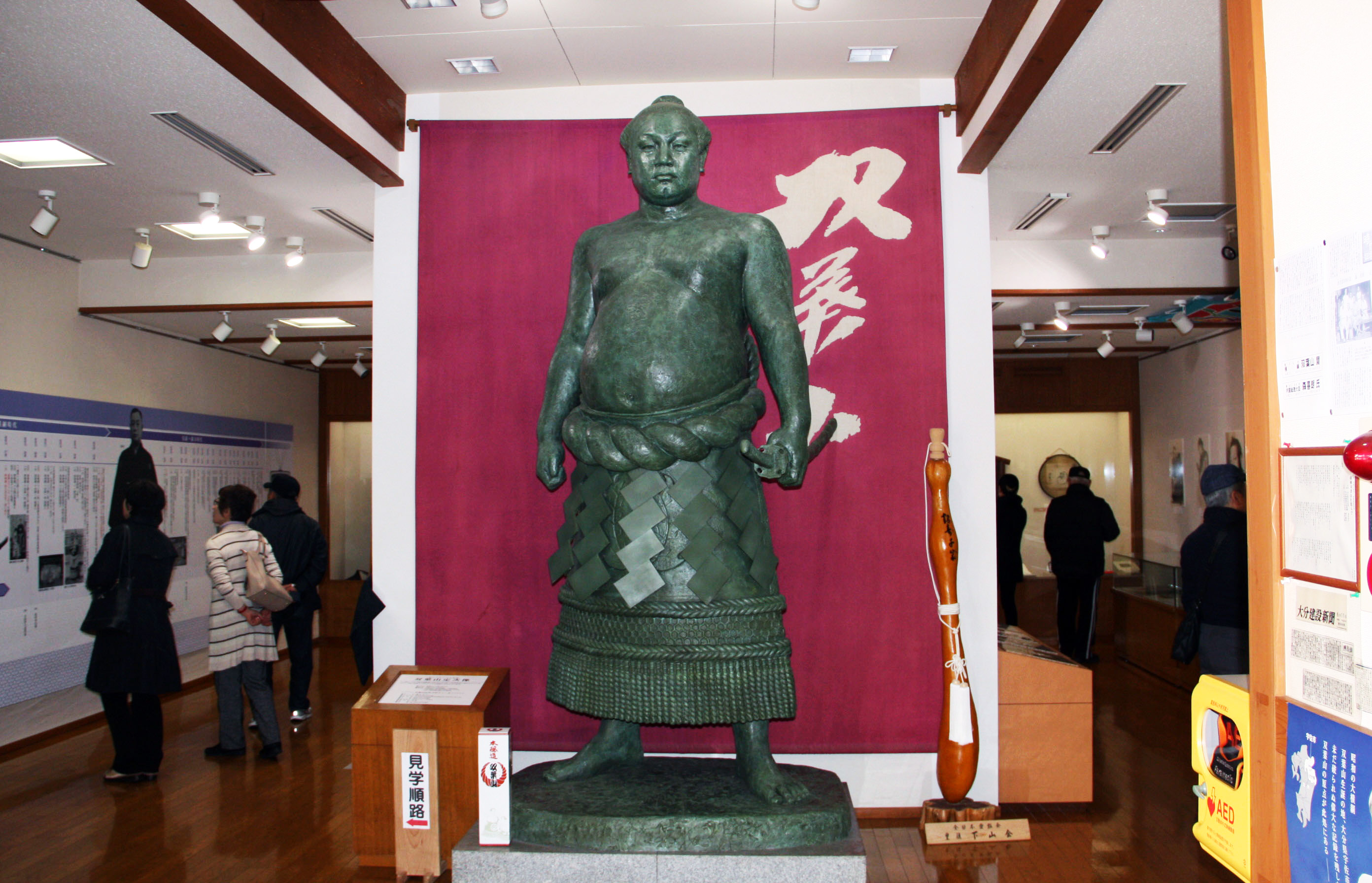
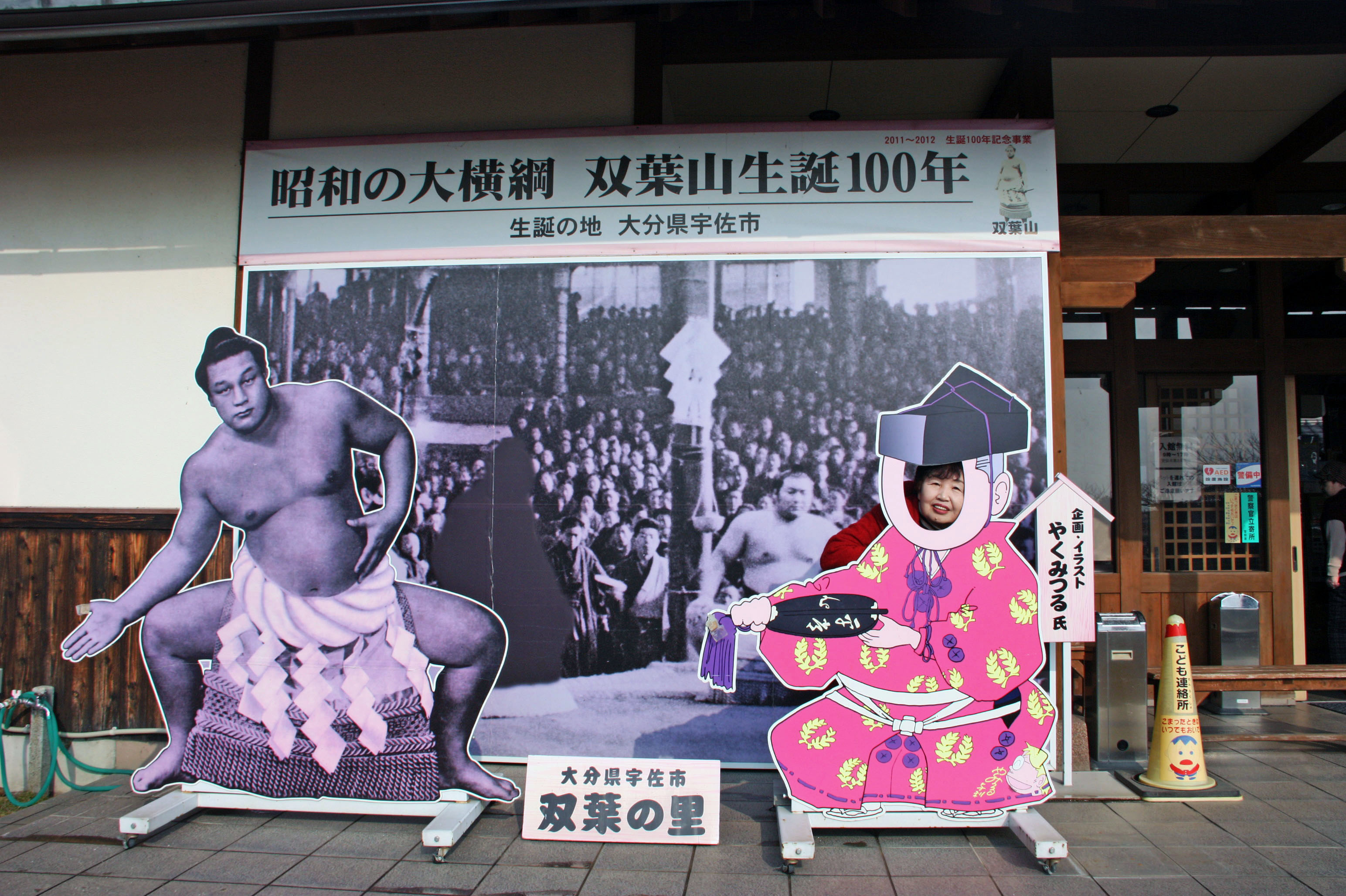
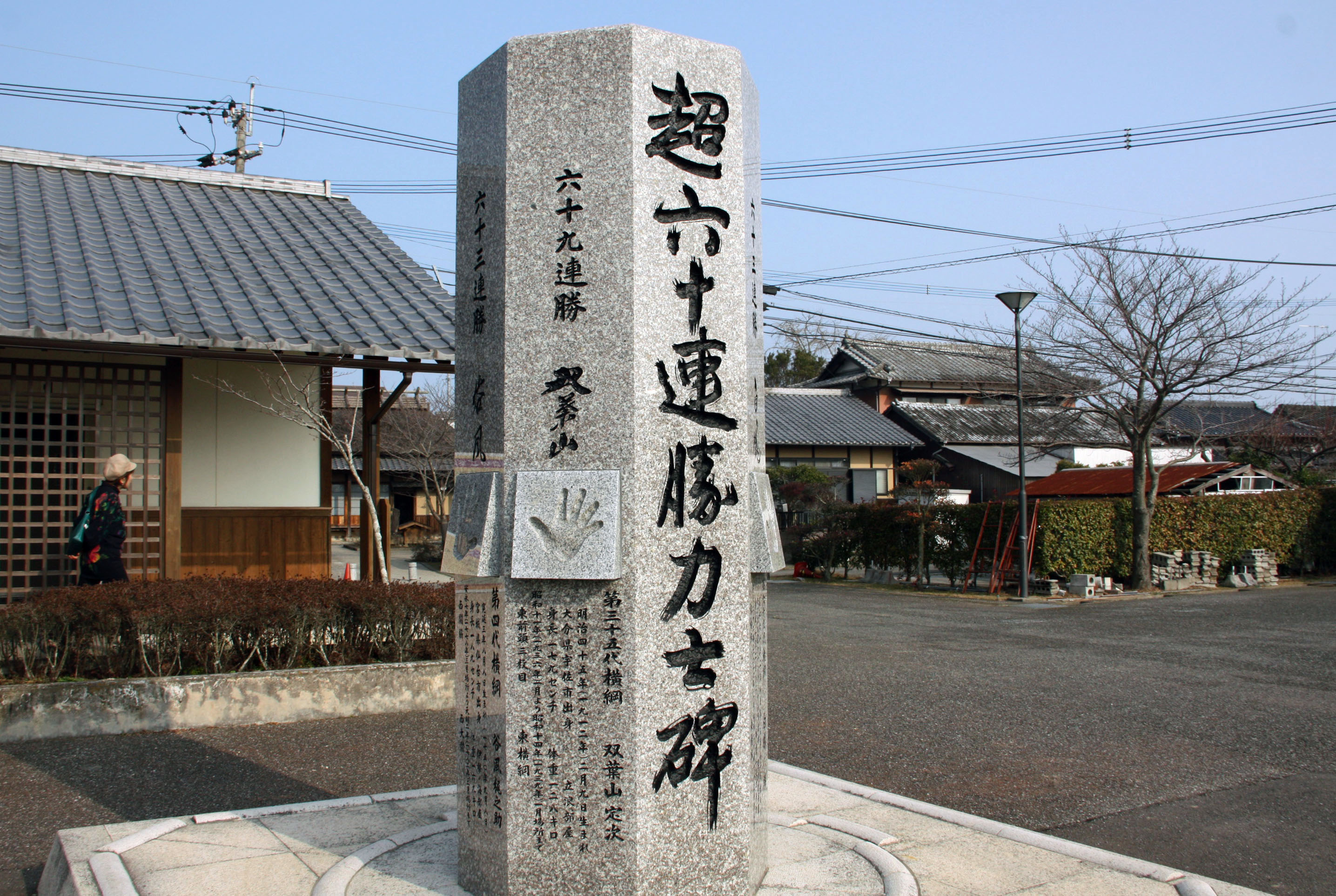
Futaba-no-sato Museum, Sumo Grand Champion Futabayama Museum
 |
 |
 |
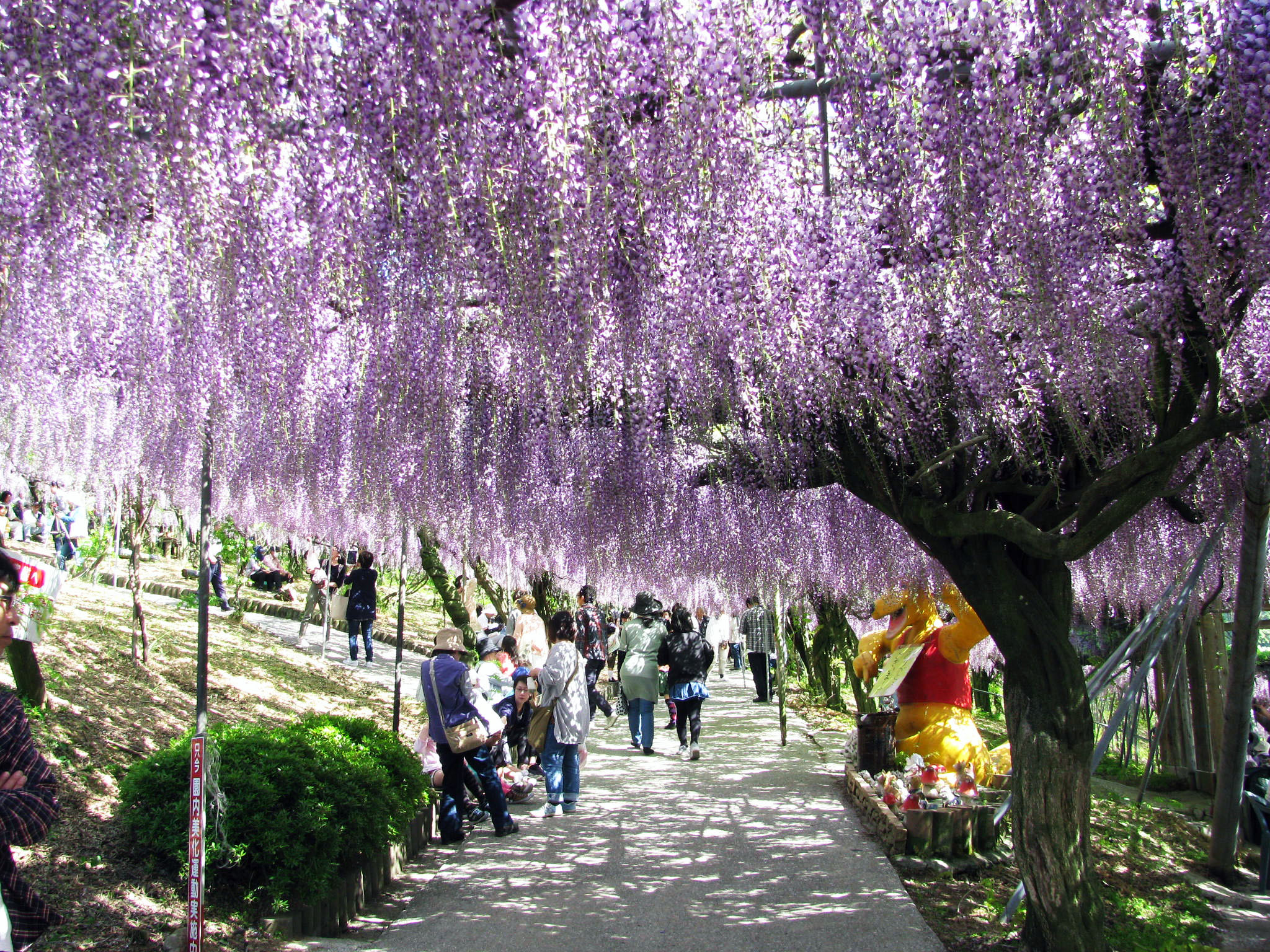
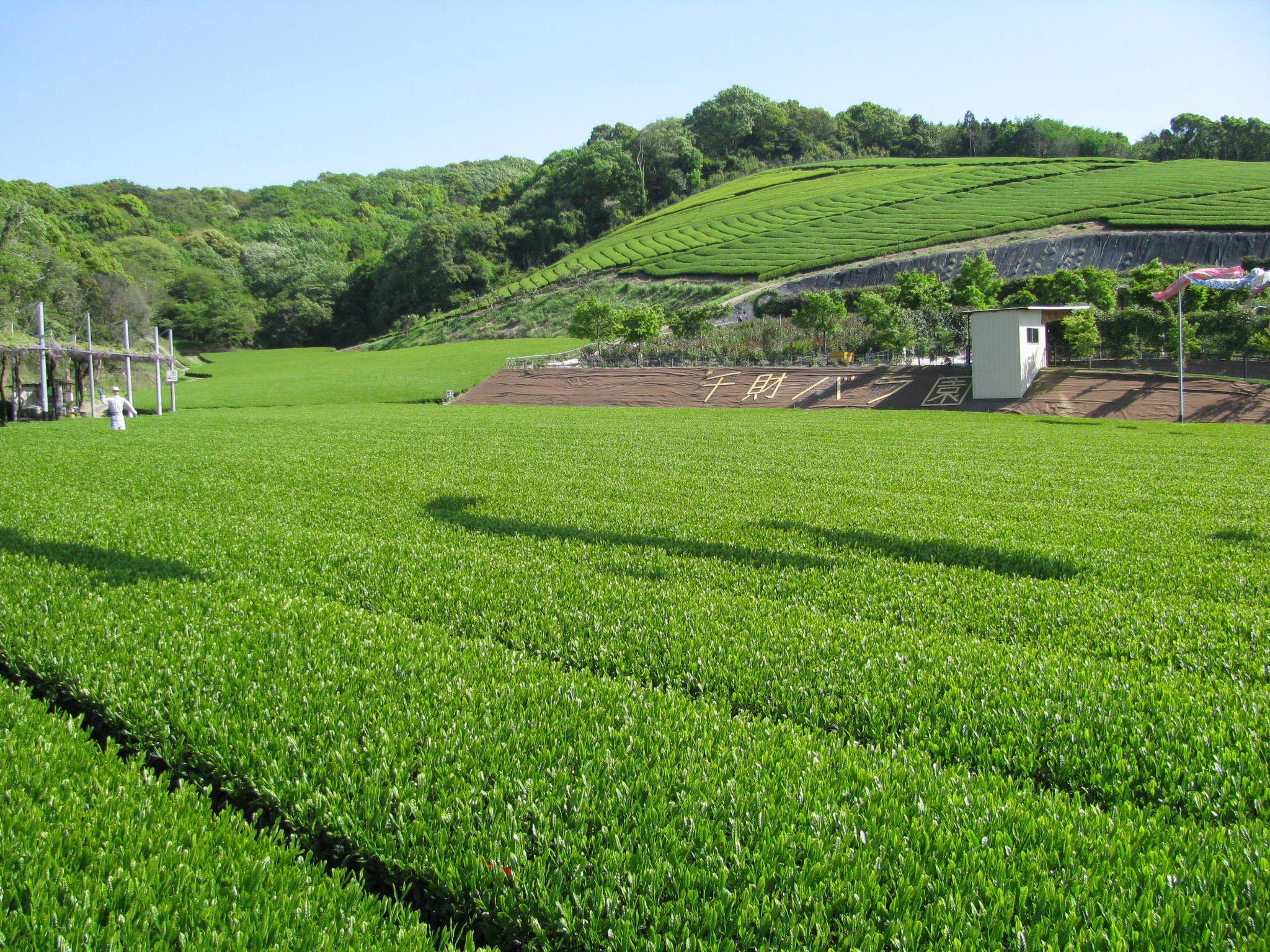
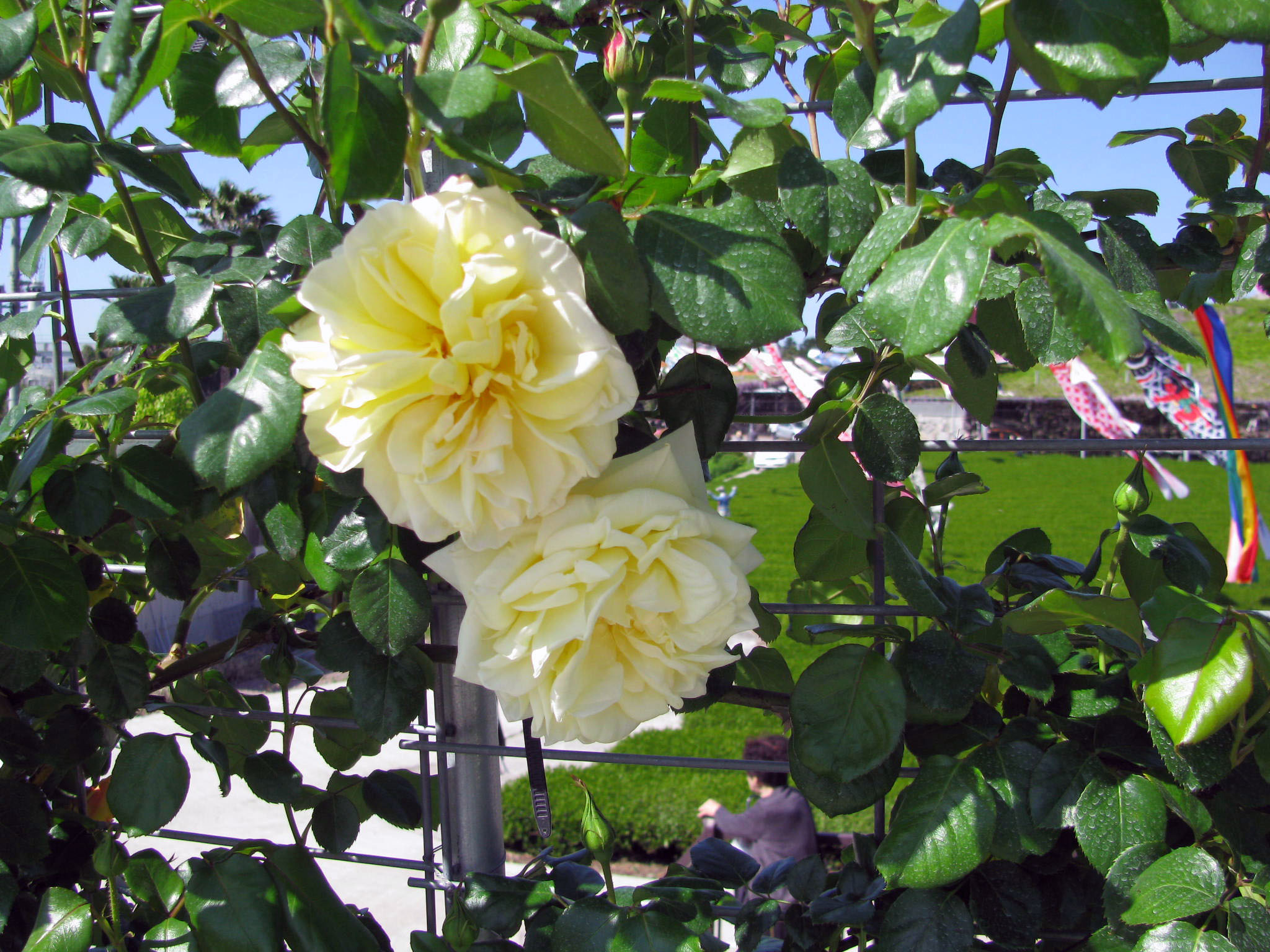
Senzai Farm Garden
250 wisteria flowers bloom at the most largest garden in Kyushu,
200 roses bloom from May
|
Wisteria flower |
|
Rose Garden |
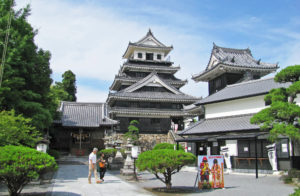
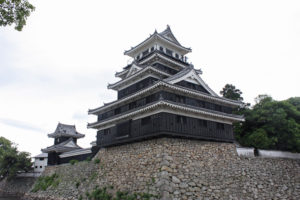
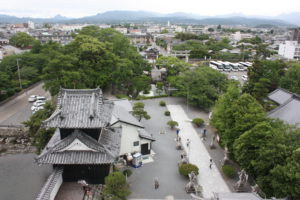
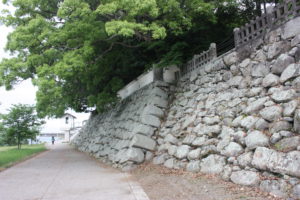
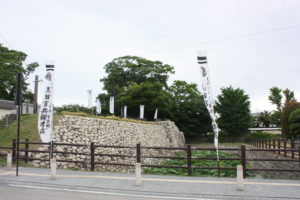
Nakatsu Castle
Discover the legacy of Nakatsu Castle—one of Japan’s rare ‘Sea Castles
Originally built by the legendary strategist Kuroda Kanbei, Nakatsu Castle is famous
for its unique seawater moat drawn directly from the Seto Inland Sea. Explore the
stunning contrast of its stone walls, where old and new techniques meet, and climb
to the top for a panoramic view of the city and the sea. It’s the perfect starting point
for your journey into the samurai heritage of Oita.
 |
 |
 |
 |
 |
 |
Nakatsu & Yabakei travel guide
Nakatsu is a small city on the north coast of Oita Prefecture, just east of its
border with Fukuoka Prefecture.
Explore the historic Nakatsu Castle, a stunning fortress surrounded by a rare
seawater moat, before venturing into the mystical peaks of Yabakei. From the
legendary hand-carved Blue Tunnel to breathtaking 360-degree panoramas,
this hidden gem in Oita offers a perfect blend of history and nature.
Don’t leave without trying our world-famous Nakatsu Karaage
Exploring Nakatsu
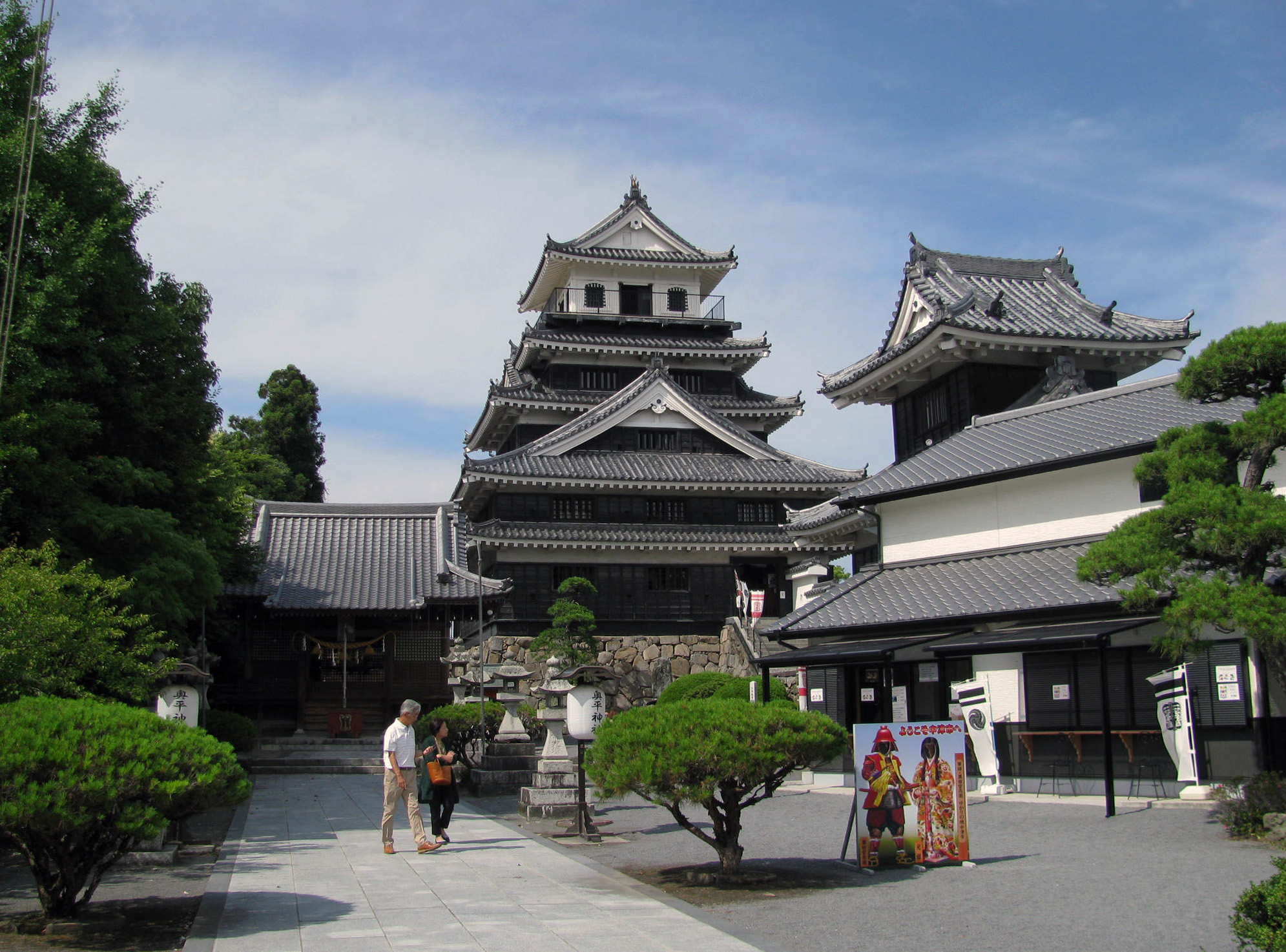
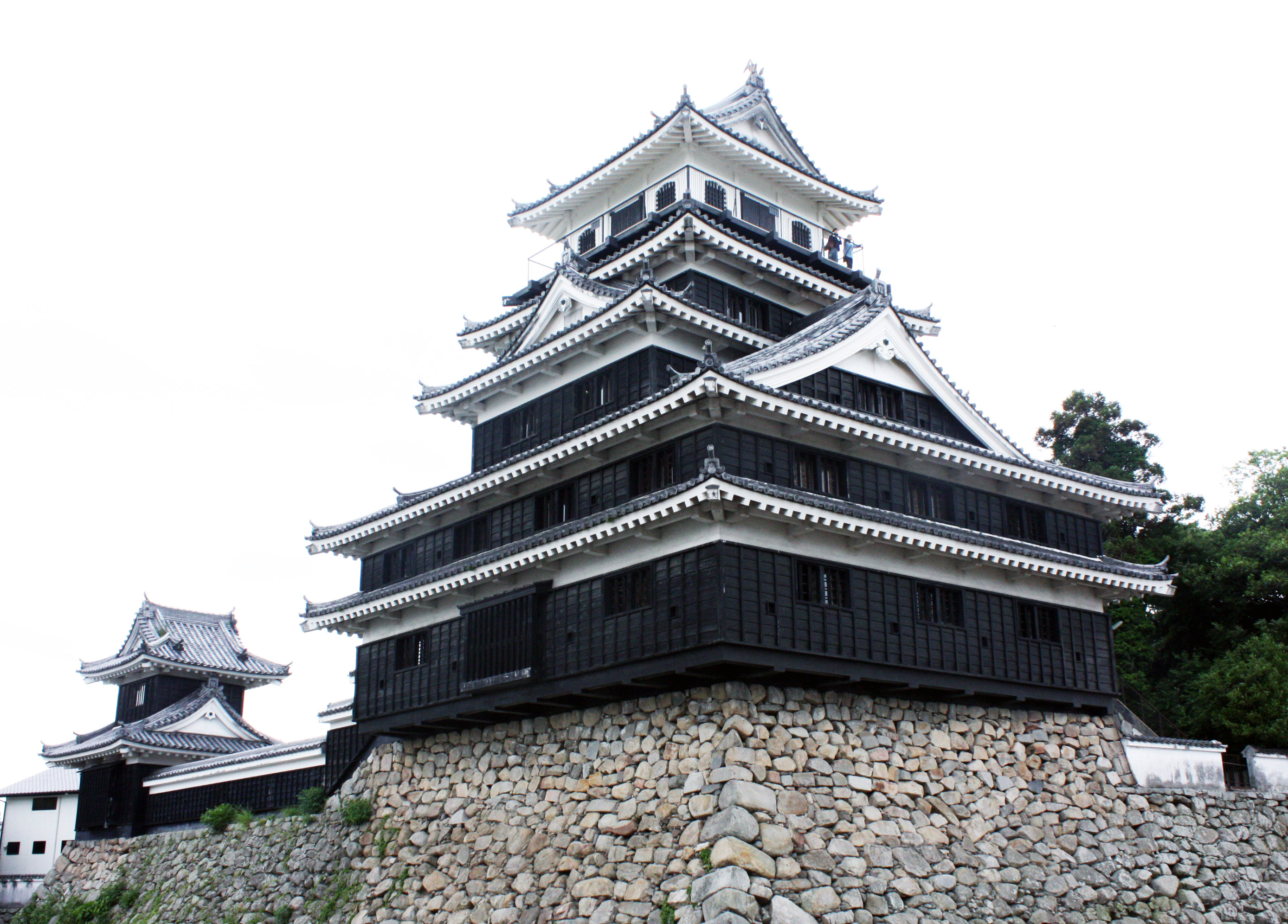
Originally built by the legendary strategist Kuroda Kanbei, Nakatsu Castle is famous
for its unique seawater moat drawn directly from the Seto Inland Sea. Explore the
stunning contrast of its stone walls, where old and new techniques meet, and climb
to the top for a panoramic view of the city and the sea. It’s the perfect starting point
for your journey into the samurai heritage of Oita
 |
 |
 |
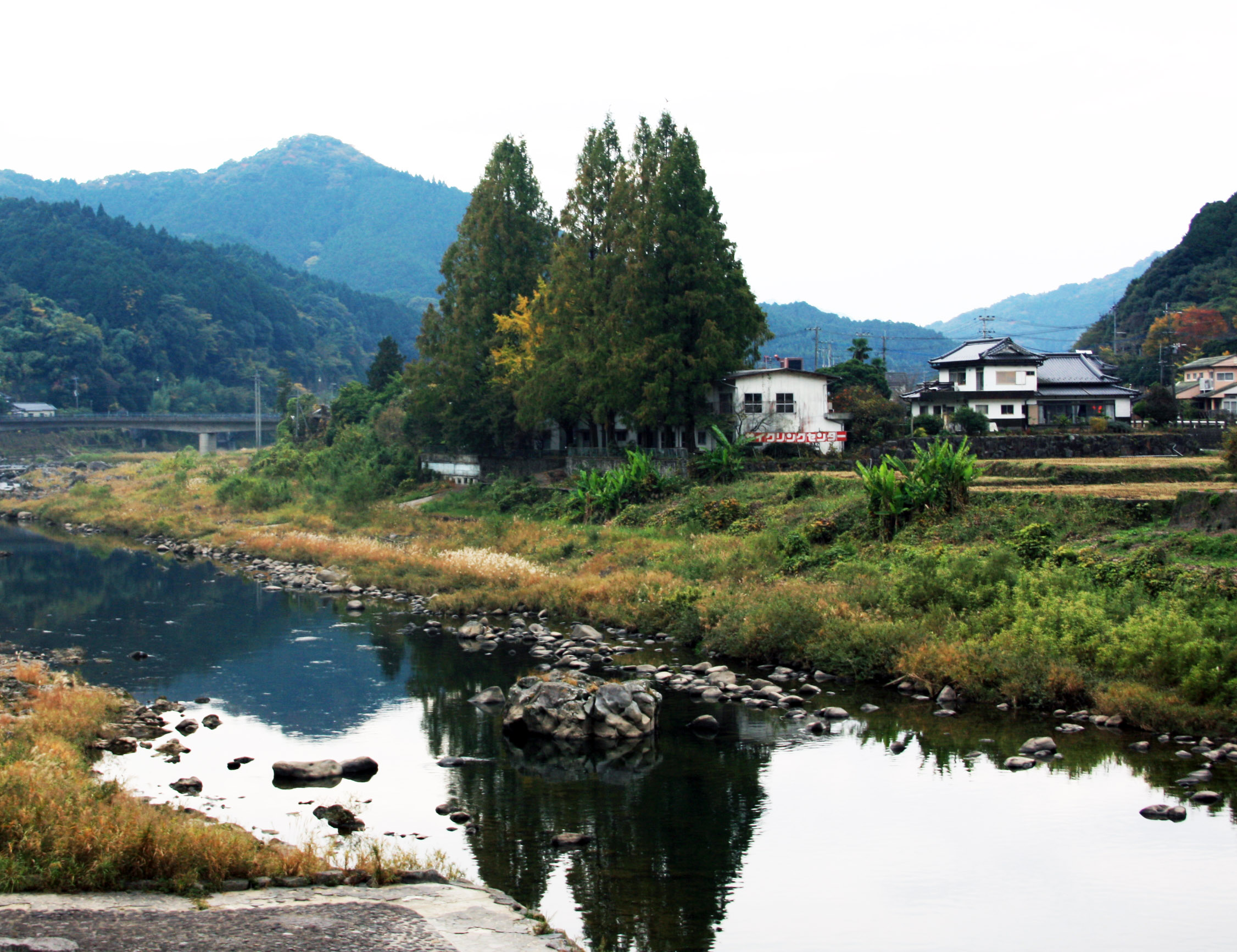
Exploring Yabakei
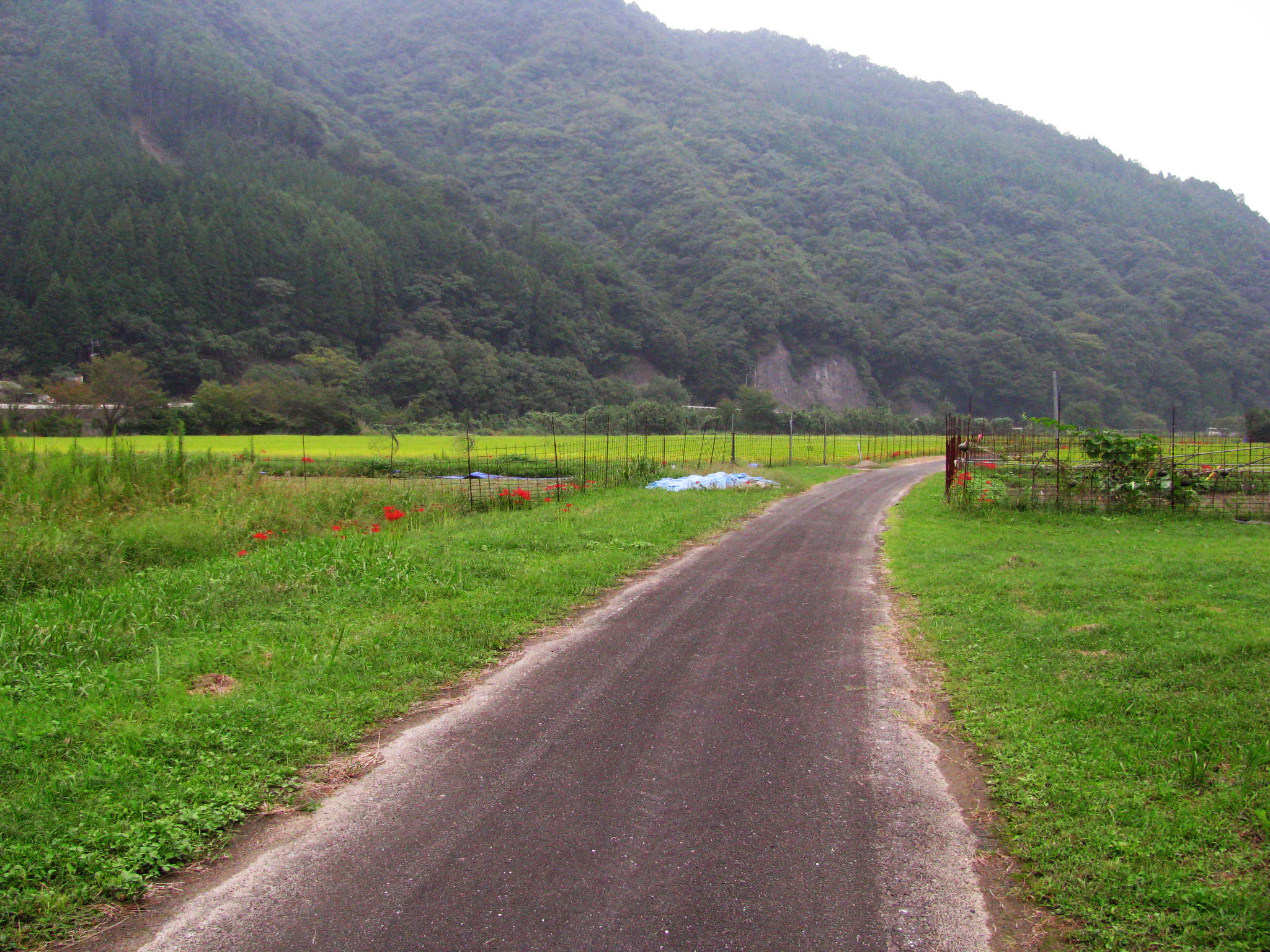
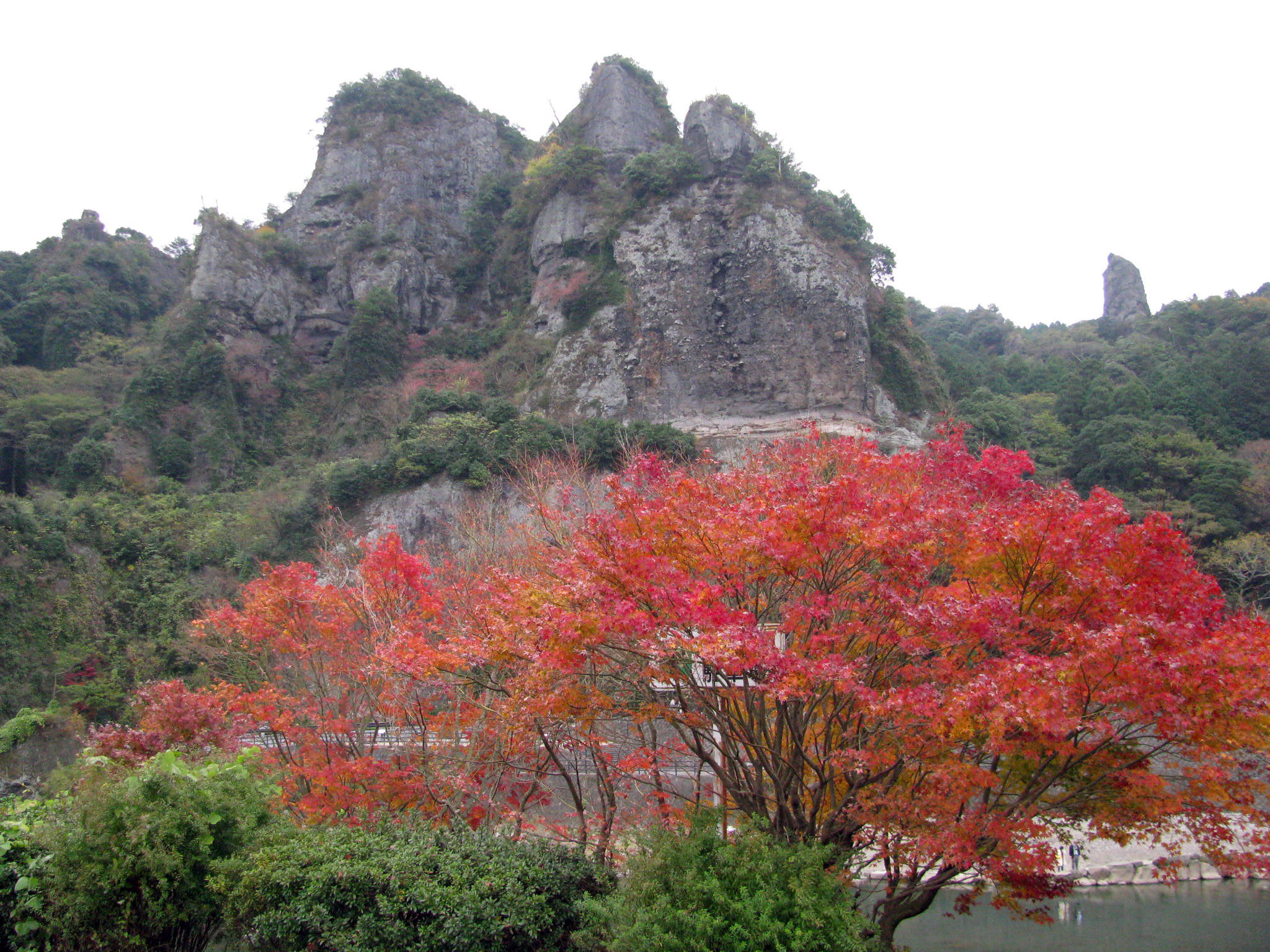
Experience the timeless beauty of Yabakei Gorge. In spring, the valley comes alive with
vibrant, lush greenery. In autumn, it transforms into a stunning tapestry of red and gold,
making it one of Japan’s most celebrated spots for fall foliage
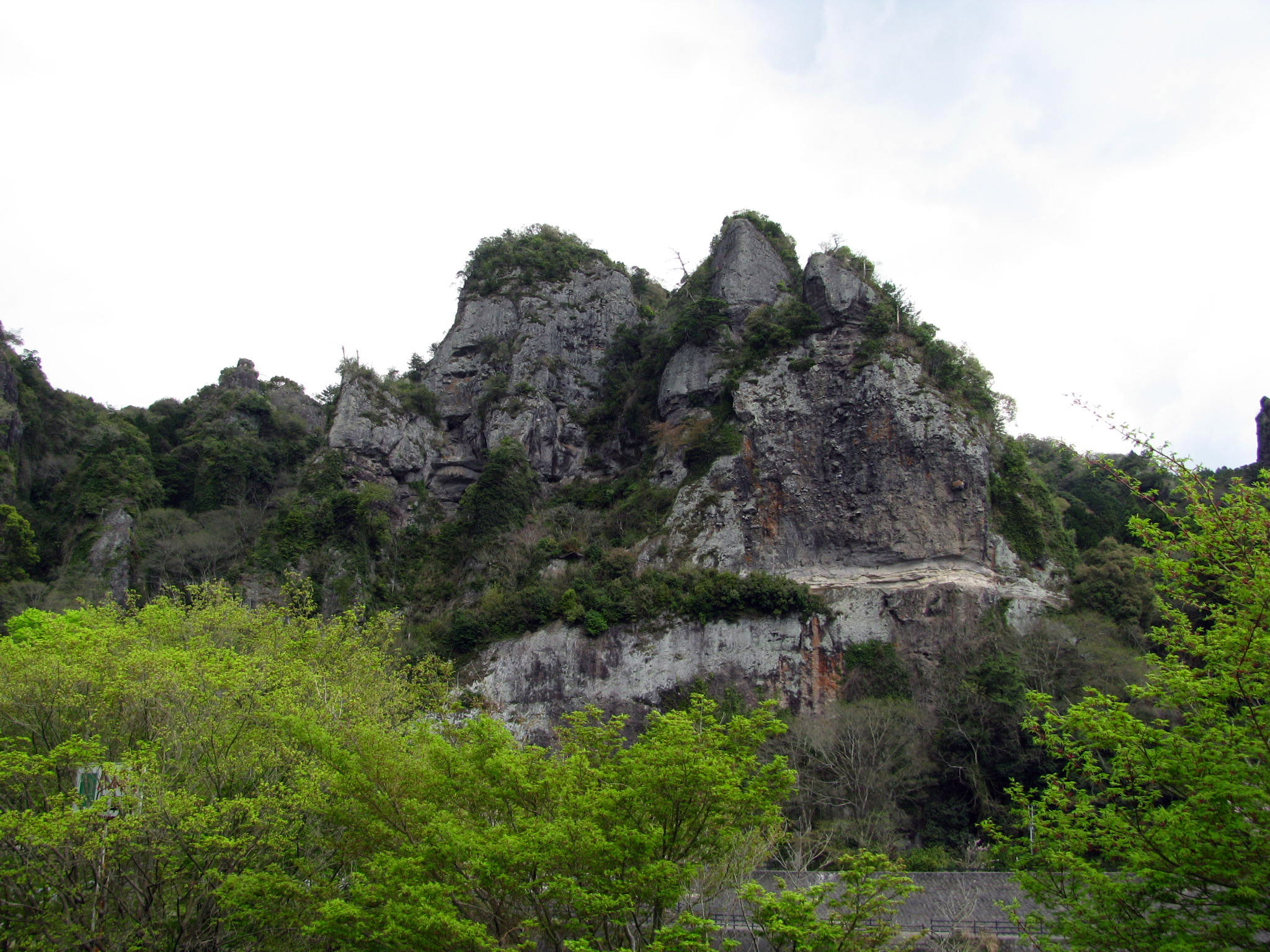
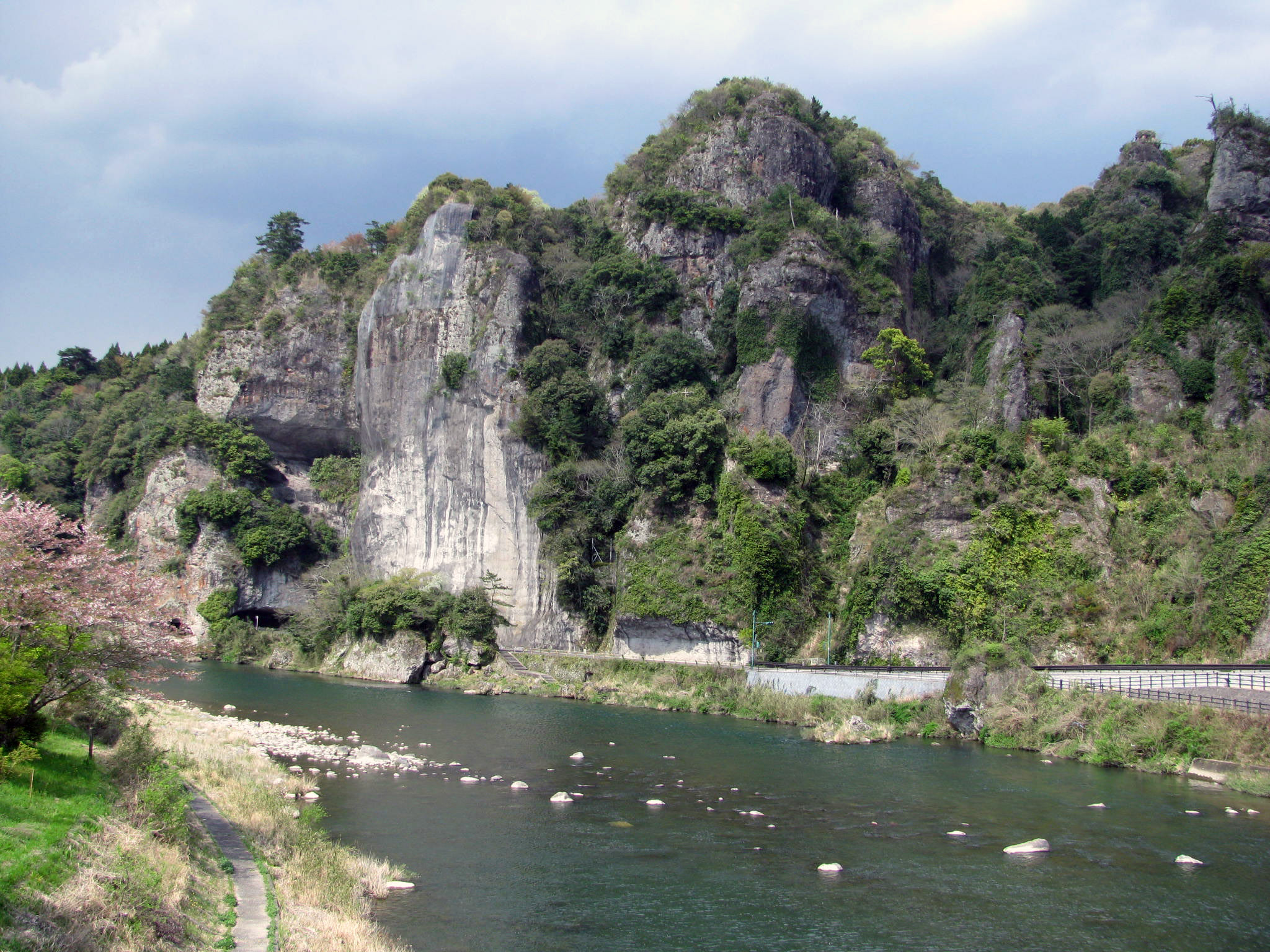
Kyoshuho
The approximately 1 km high monolithic rockey mountain.
 |
 |
 |
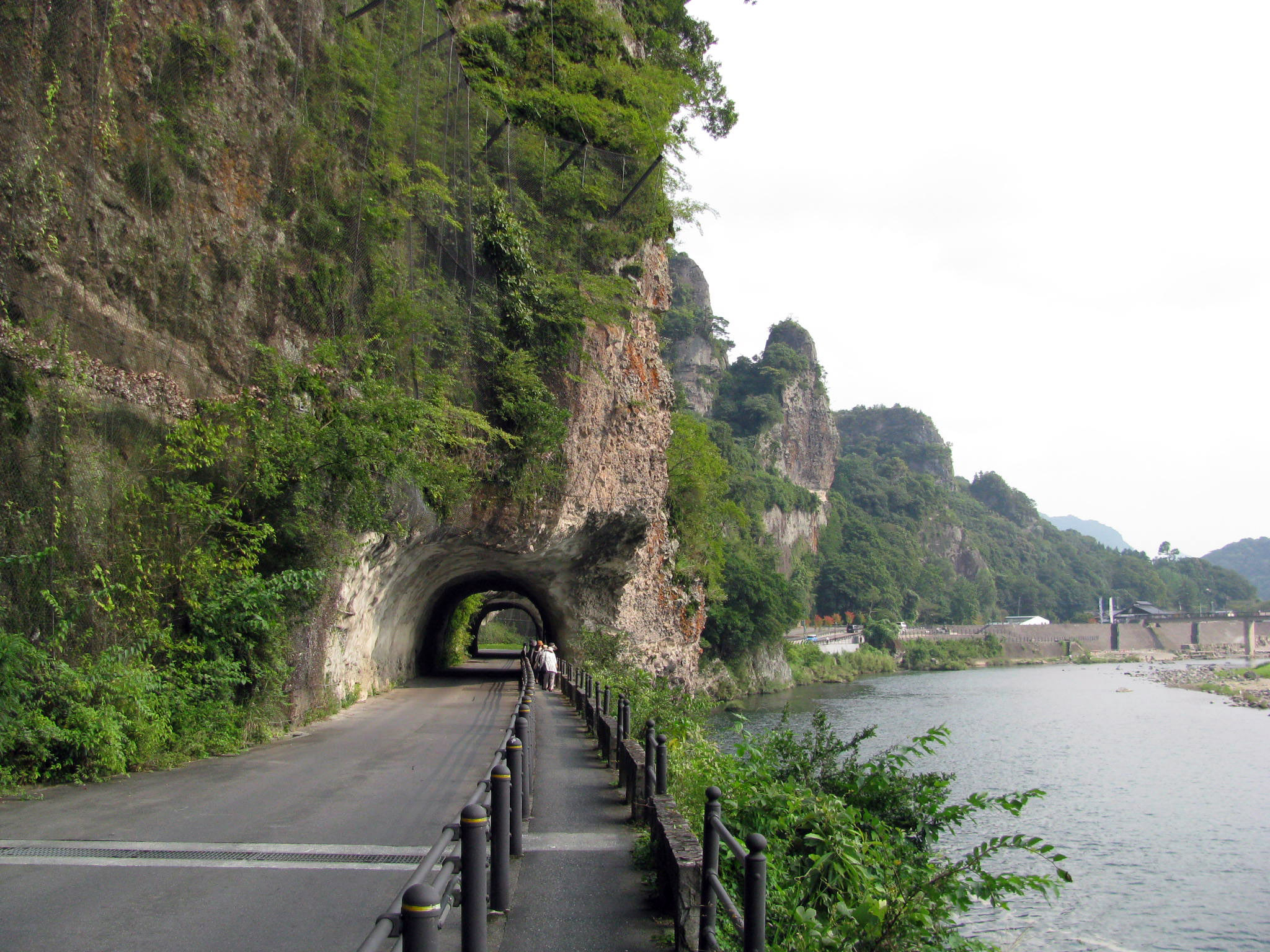
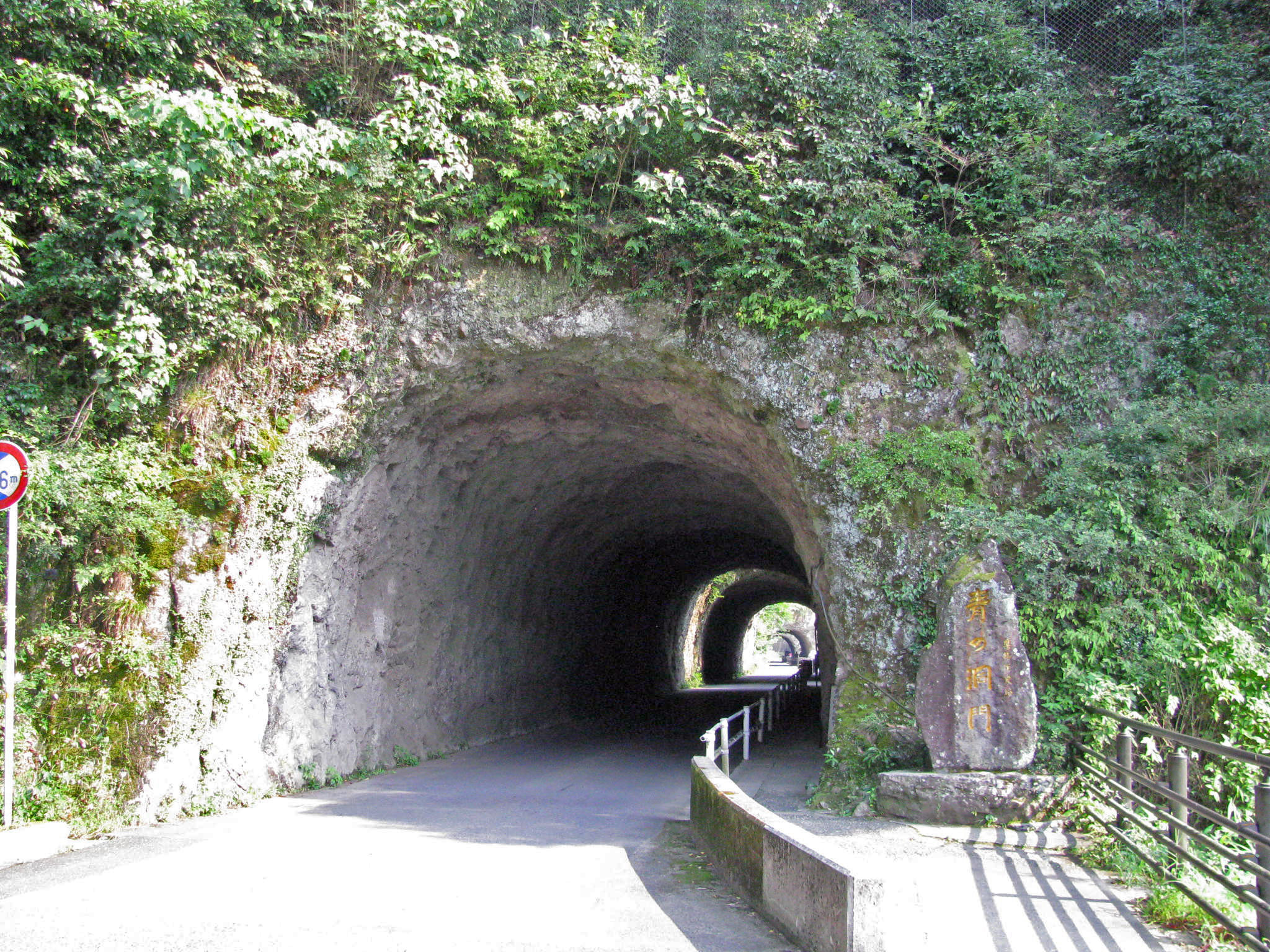
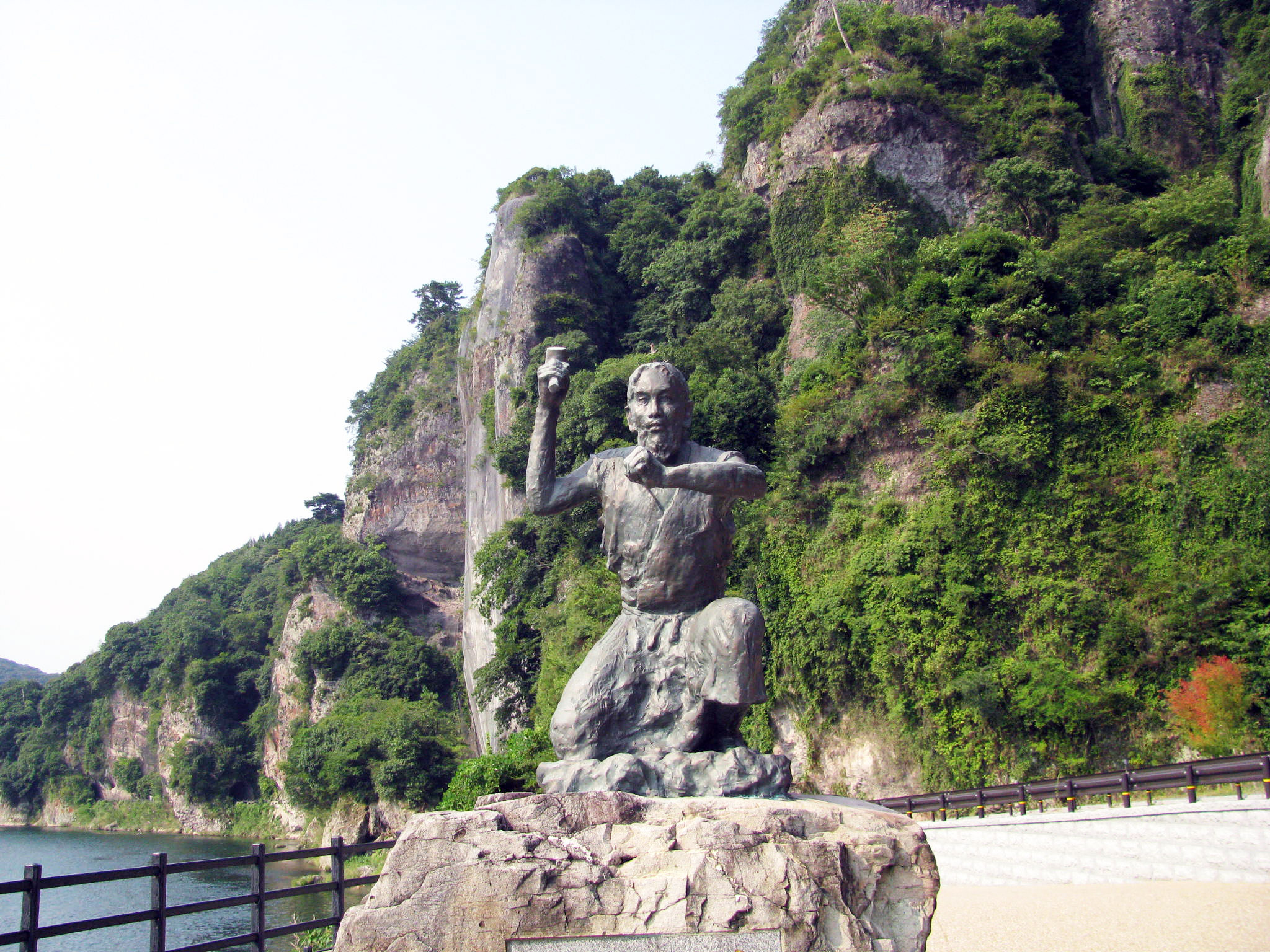
Ao-no-domon
The tunnel built by a monk Zenkai in Edo period, spending 30 years.
|
|
|
|
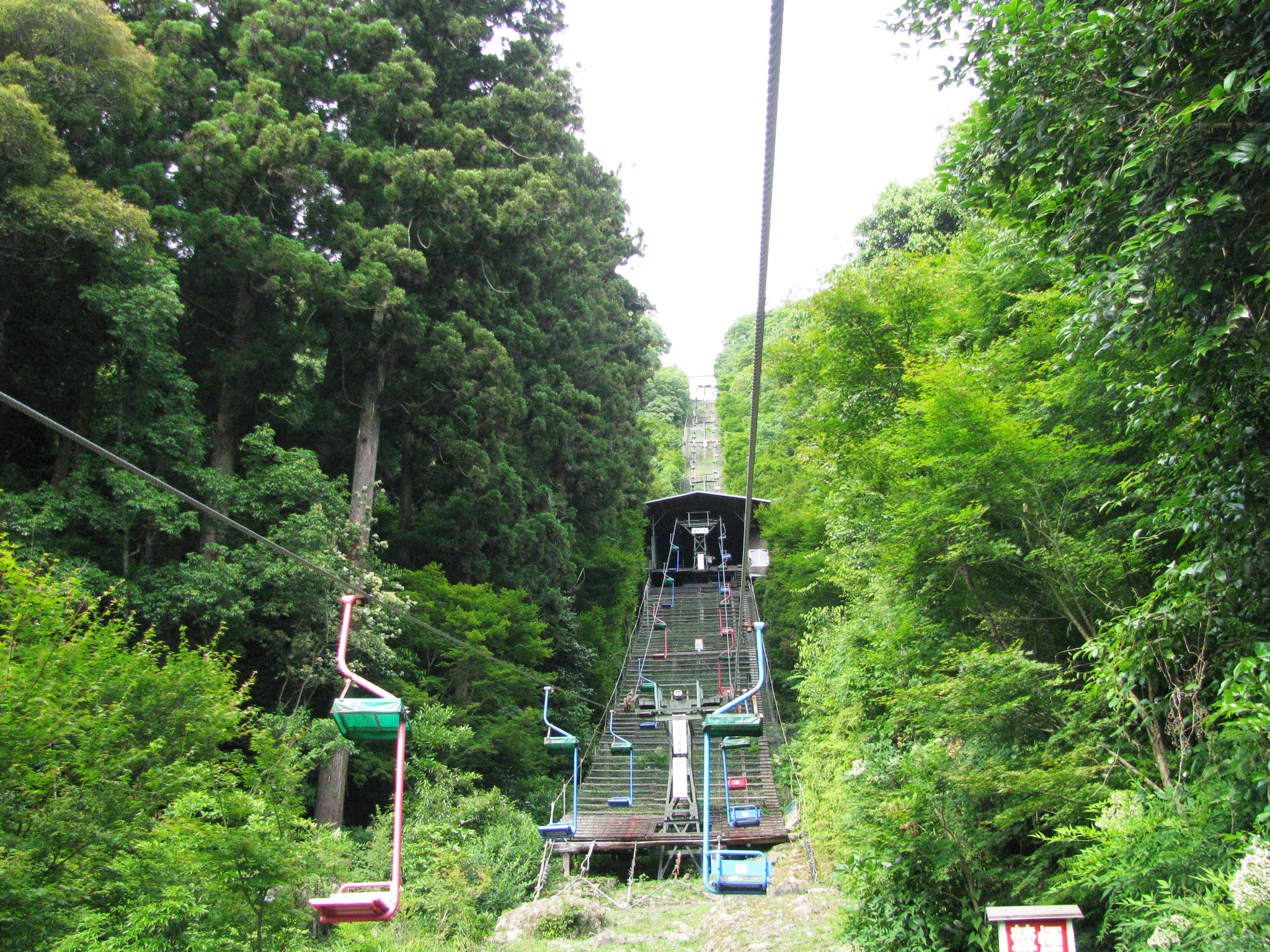
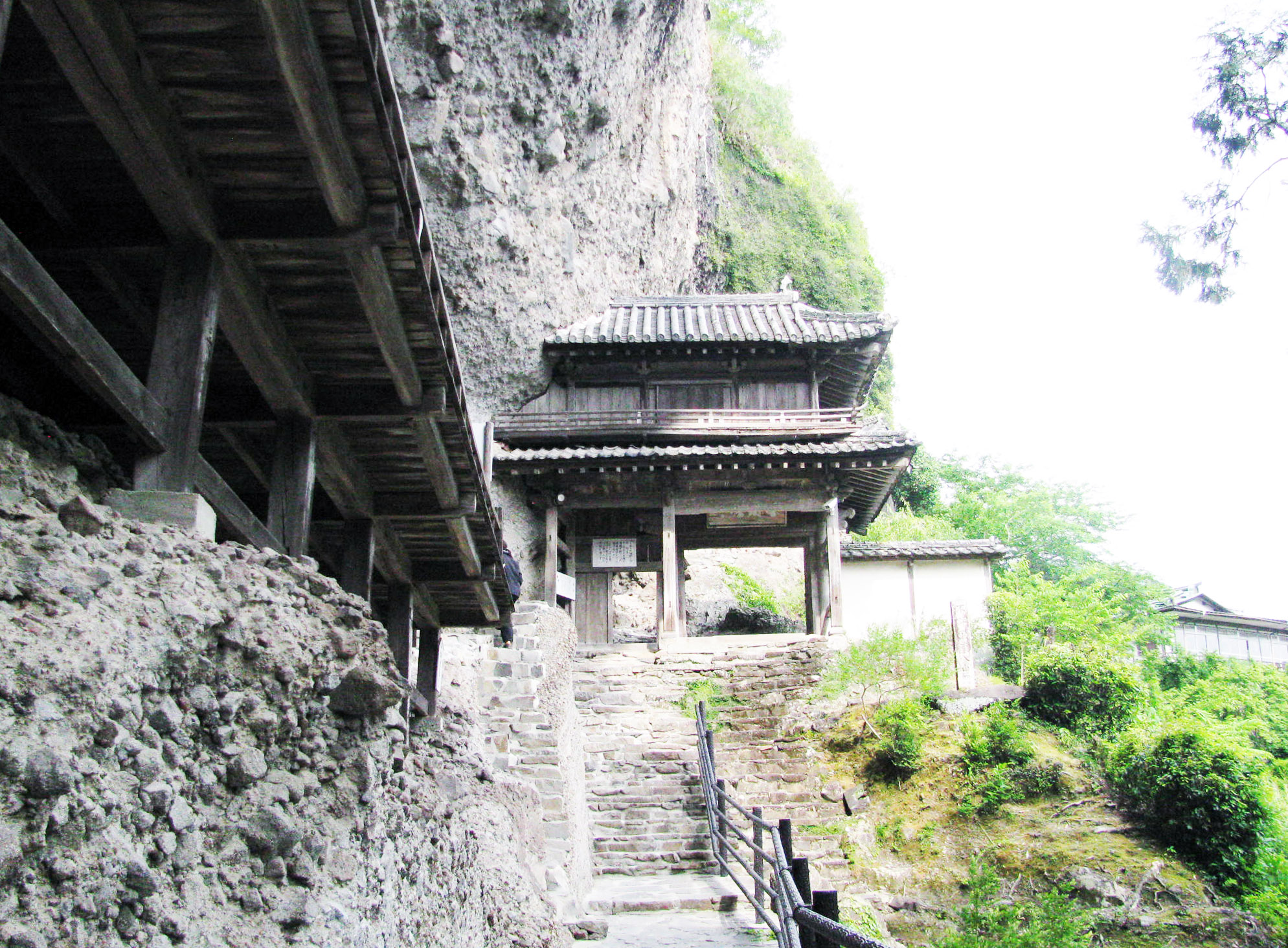
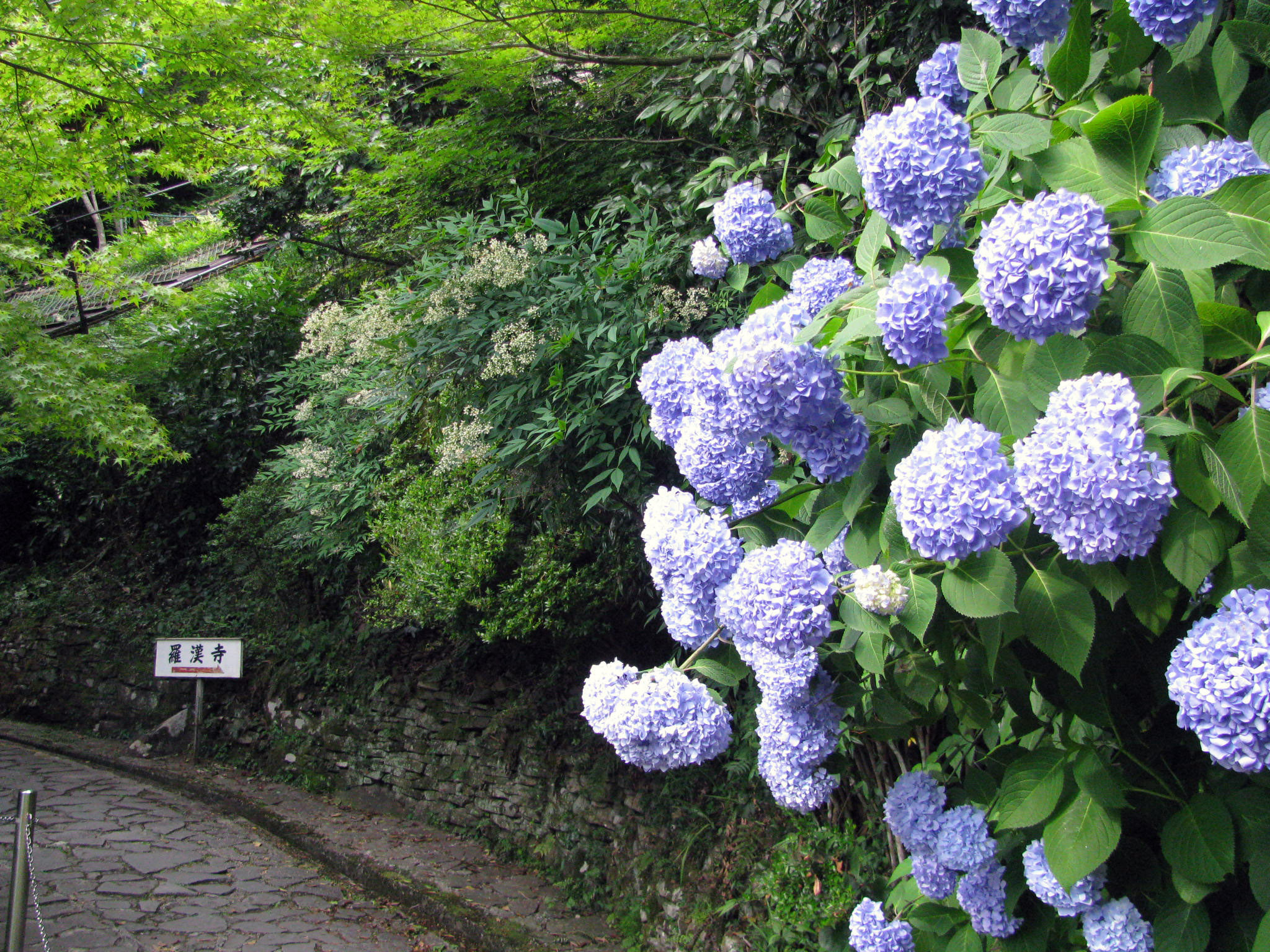
Rakanji Temple
A historic temple built on the top of the mountain in 645.
 |
 |
 |
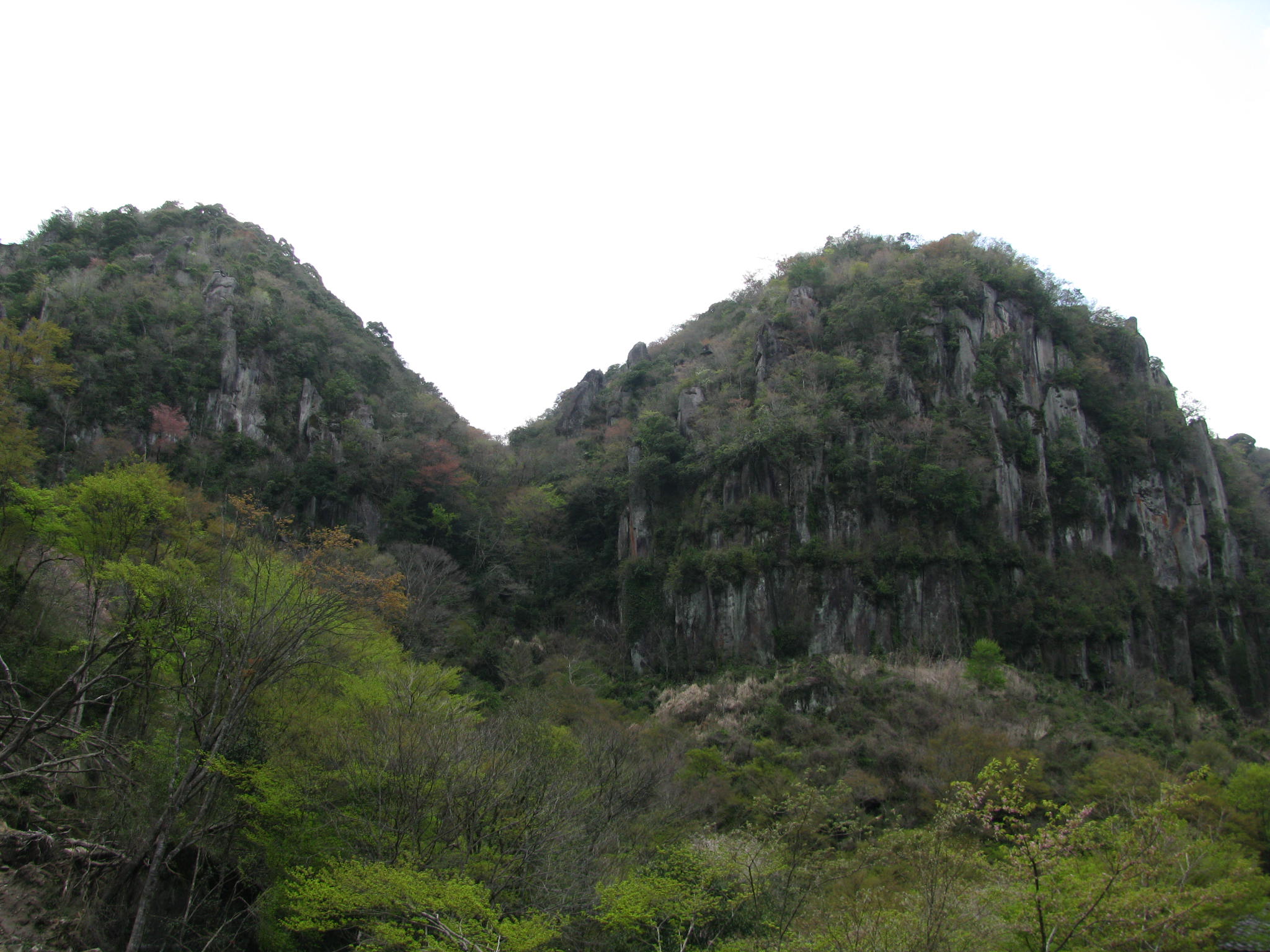
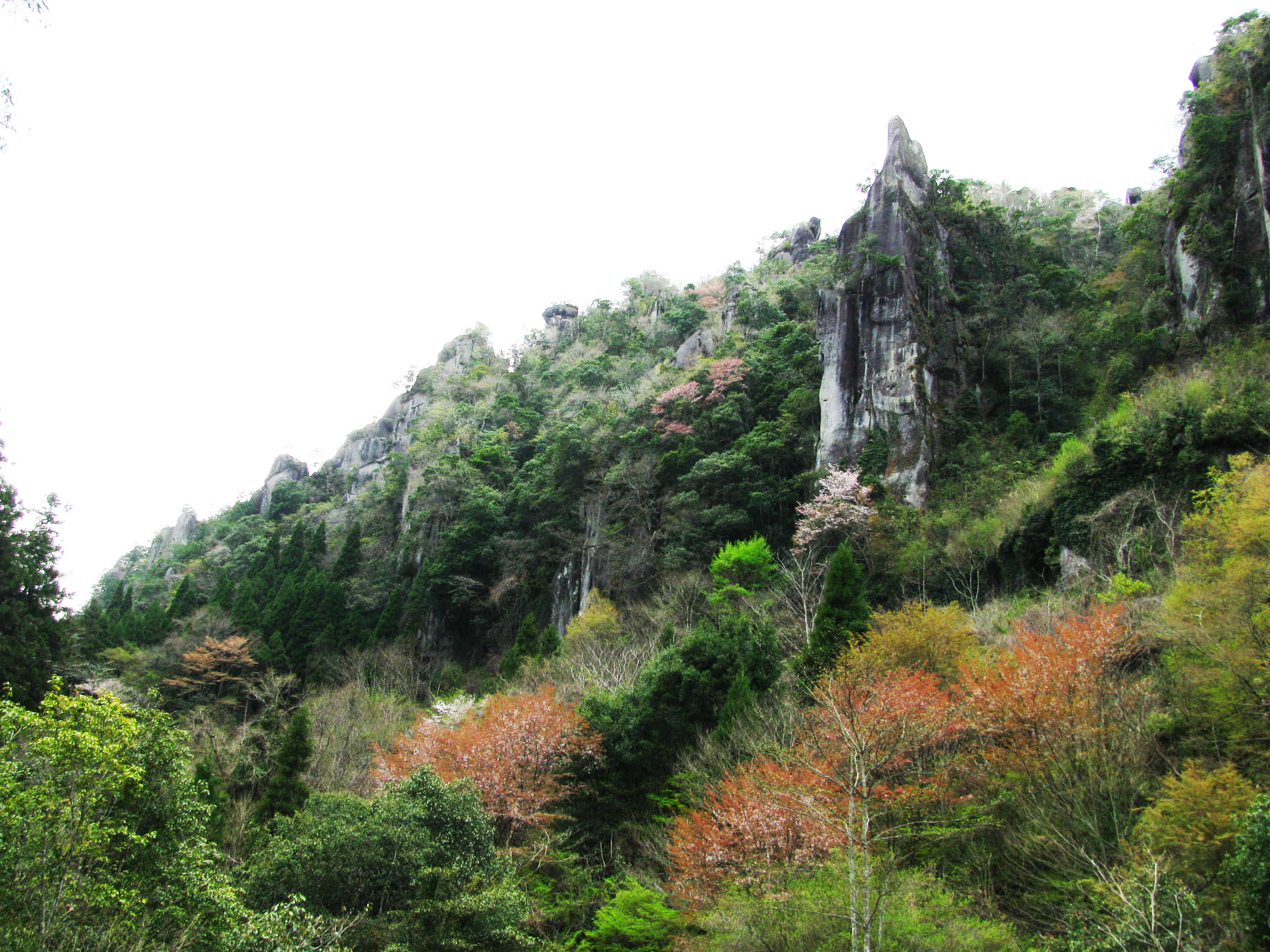
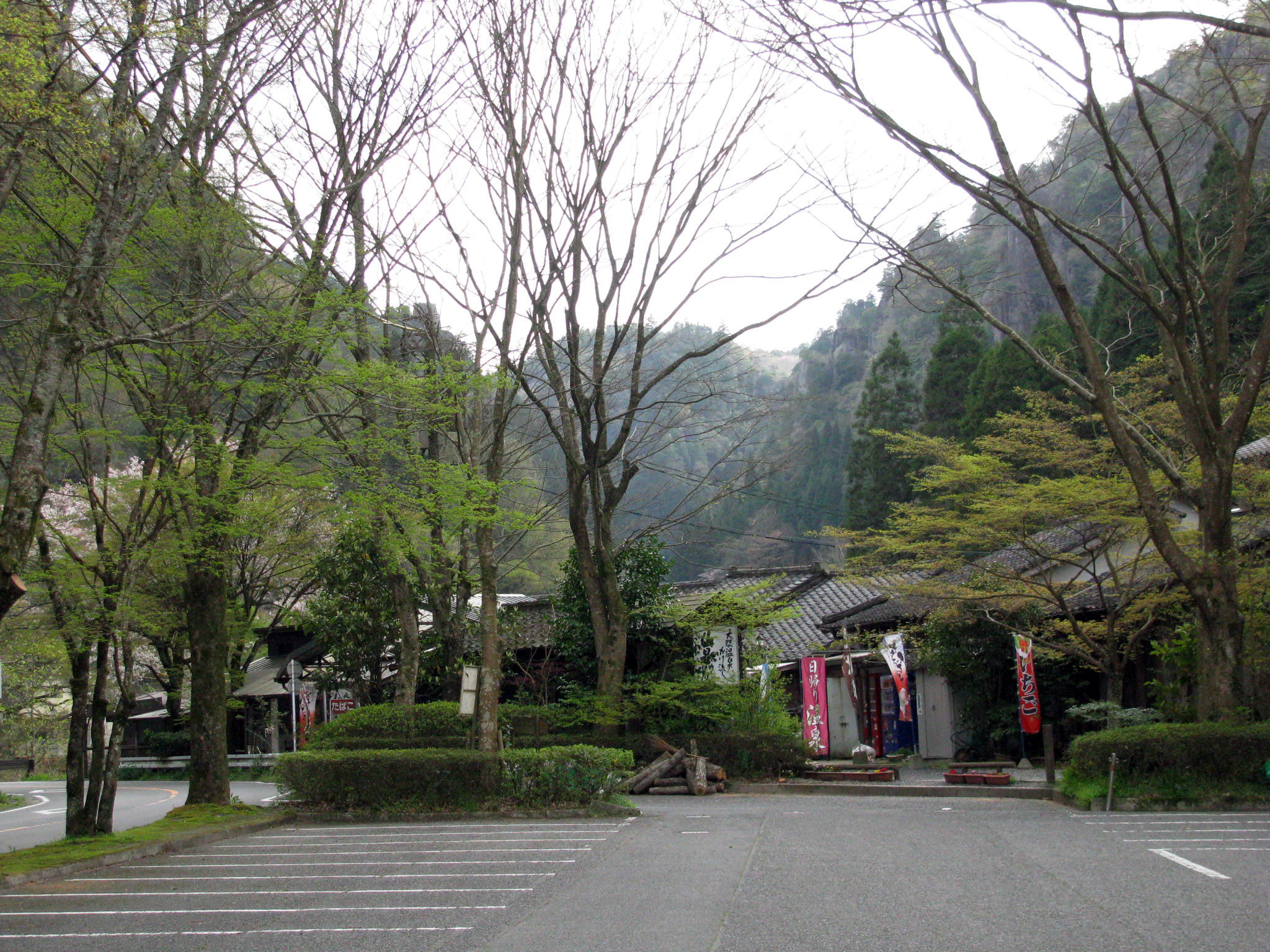
Shin-yabakei
Called Hitomi Hakkei, the scenic spot.
 |
 |
 |
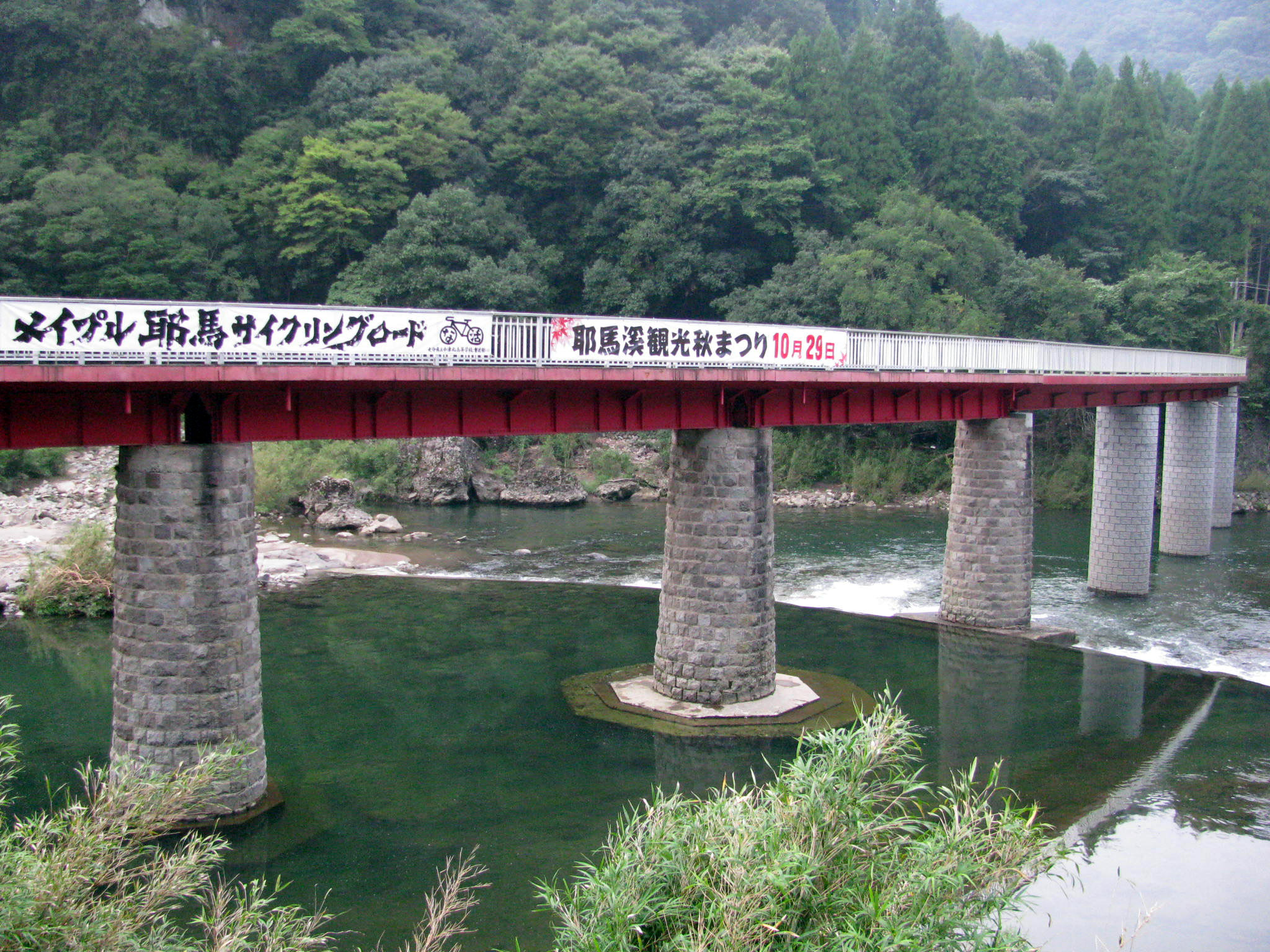
Maple Yaba Cycling Road
Cycling road built on the site of the old Yabakei Railroad.
 |
 |
 |
Kunisaki peninsula travel guide
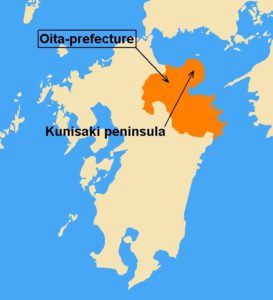
Kunisaki peninsula is a rural area located on the north-east side of
Oita-prefecture. It is especially popular for it’s onsen, and trekking, and
the local cuisine can be enjoyed as well. Kunisaki peninsula began to
develop 1,300 years ago as a sacred religious ground influenced by
local mountain and nature worship.
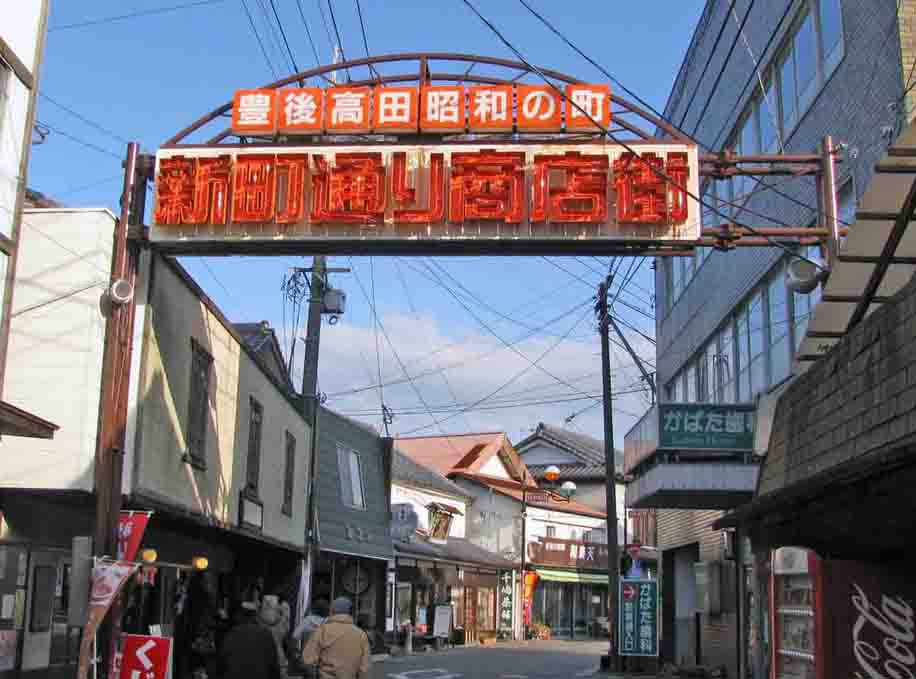 |
The era that lasted till about 30 years ago in Japanese history, Bungo Takada was the most prosperous in Kunisaki Peninsula for over 300 years from the Edo period up to 1900. Here remains various old structures and remnants of regional Japanese. |
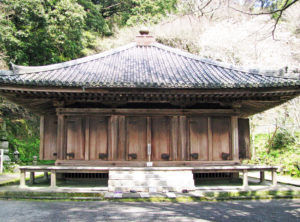 |
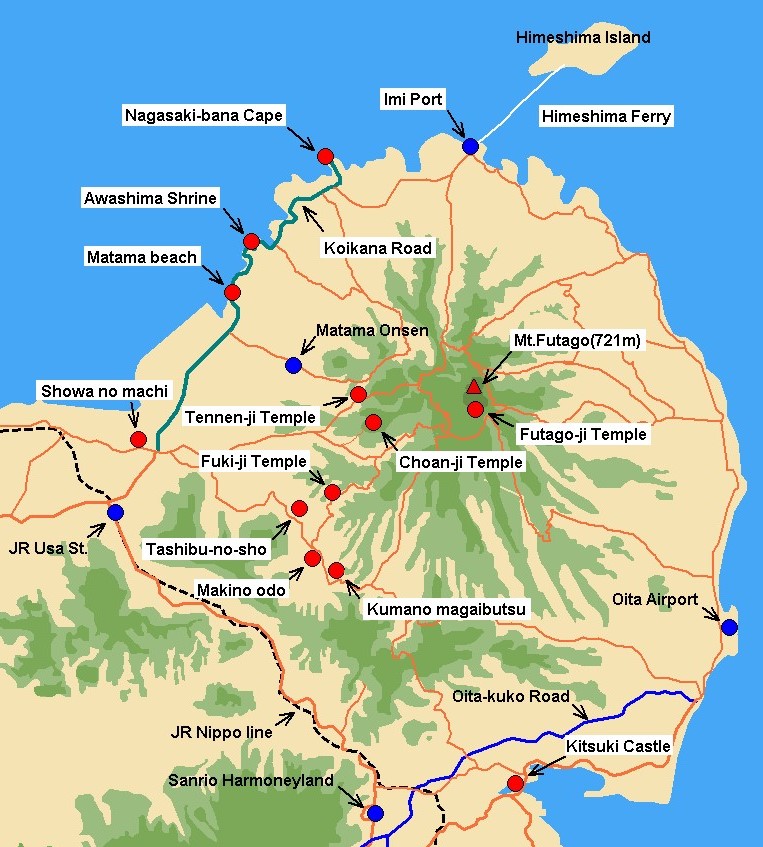
The temple is a Tendai Buddhist temple located on the slopes of Mount Futago. The temple was established in 718 and the temple building is the oldest extant wooden structure in Kyushu. |
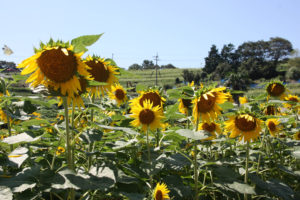 |
The resort park features a beach, a campsite, restaurant and more. The entire premises gets painted beautifully with colors of each and every seasonal flower in season. |
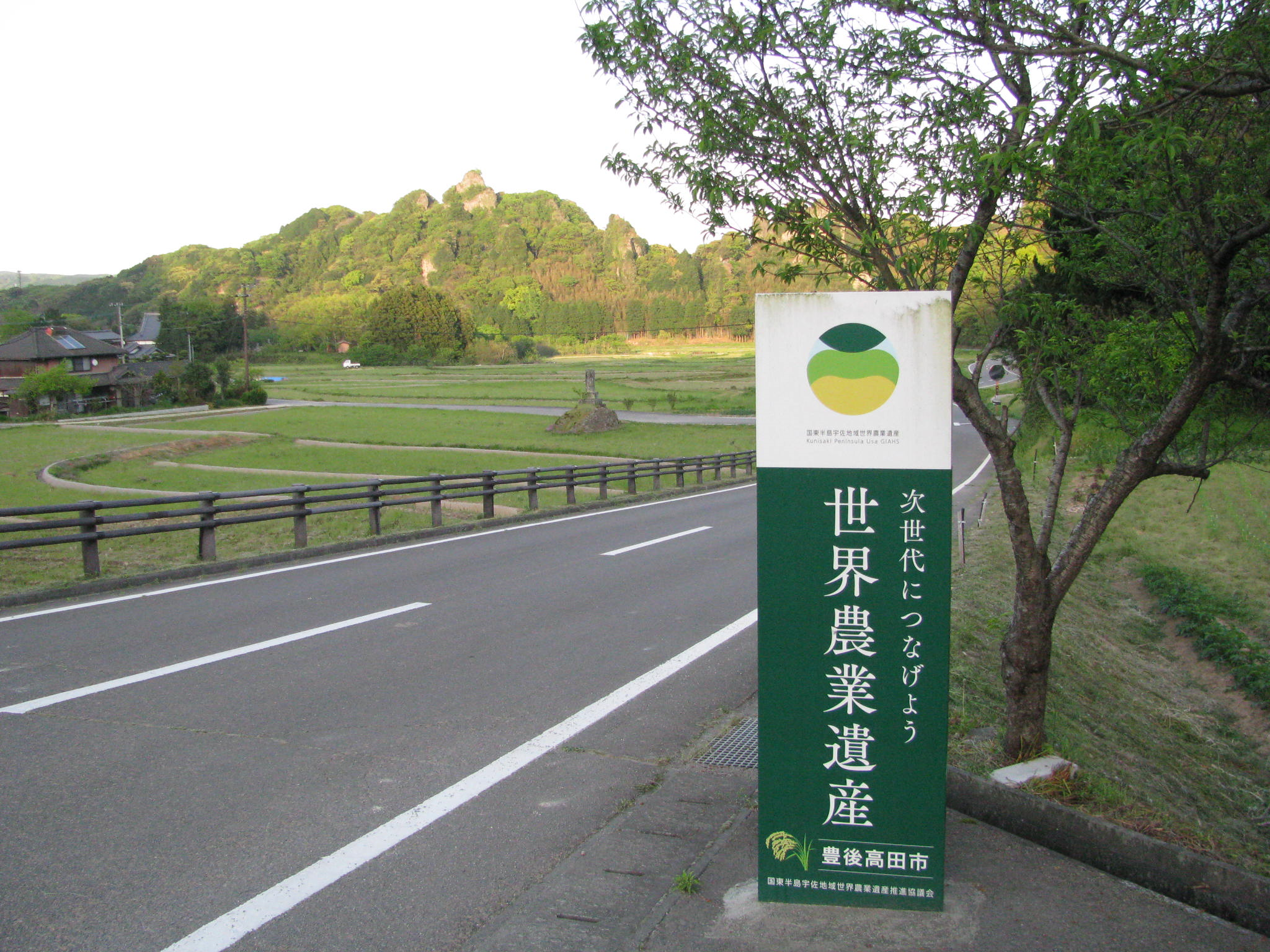 |
This district was once considered the most important estate of Usa Shrine. It has been ascertained from ancient documents that the rural landscape seen today has remained unchanged since Heian period. Now included this are, Kunisaki peninsula is listed on the World Agricultural Heritage. |
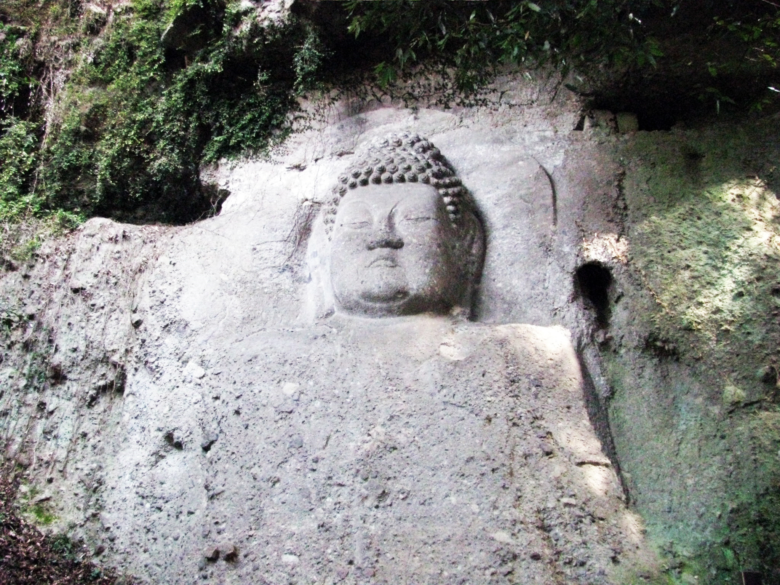 |
Hewn in a rock Mt. Tahara are two of largest Buddhist stone carvings in all Japan. A Fudo-myu-o 8 meter in heigt and Dainich-nyurai 6.8 meter height. Said to have been carved in the Heian period, they have received government designation as Important Cultural Properties. |
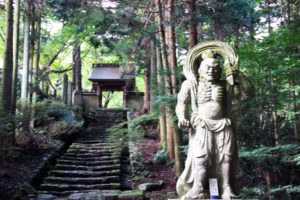 |
The Central temple of Rokugo-Manzan in Kunisaki peninsula. The temple was established in 718 by Ninmon and located close to the peak of Mount Futago. Futagoji’s grounds cover a wide area on the forested slopes of the mountain, with stone and gravel paths and stairs connecting several halls housing various deities. |
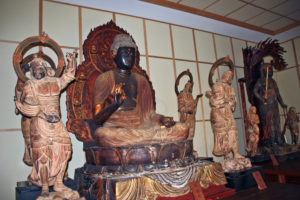 |
The temple houses nine Buddhists images said to be masterpieces of the Heian period, including the Maki-Odo Seated Amida Nyorai (Amitabha). Figure and statues of the Four Devas. All are designated as important national cultural properties. |
Kunisaki Peninsula
Okubungo travel guide
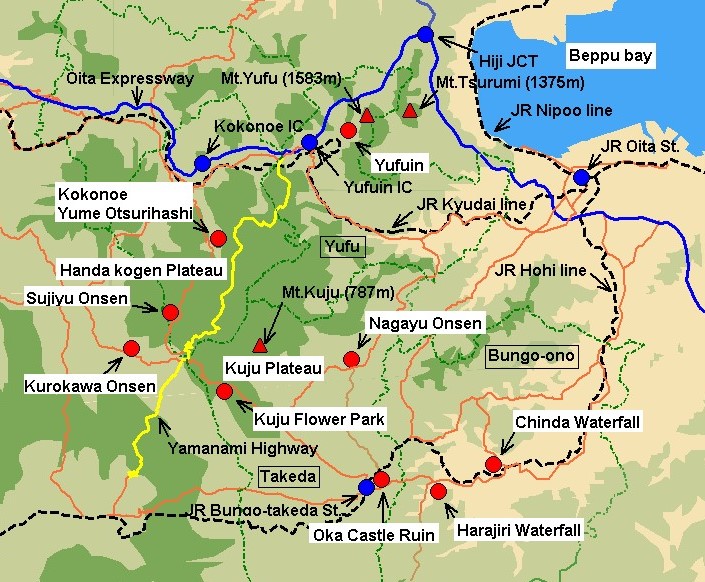
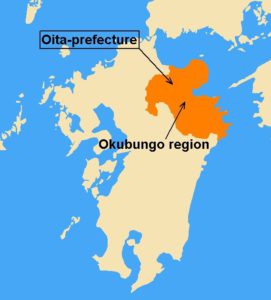
Nature-blessed region at Ono River basin, the northern part is surrounded by Aso & Kuju
Mountains Okubungo consists of Takada, Kuju, Kusu, Kokonoe, Bungo-ono and Ogata.
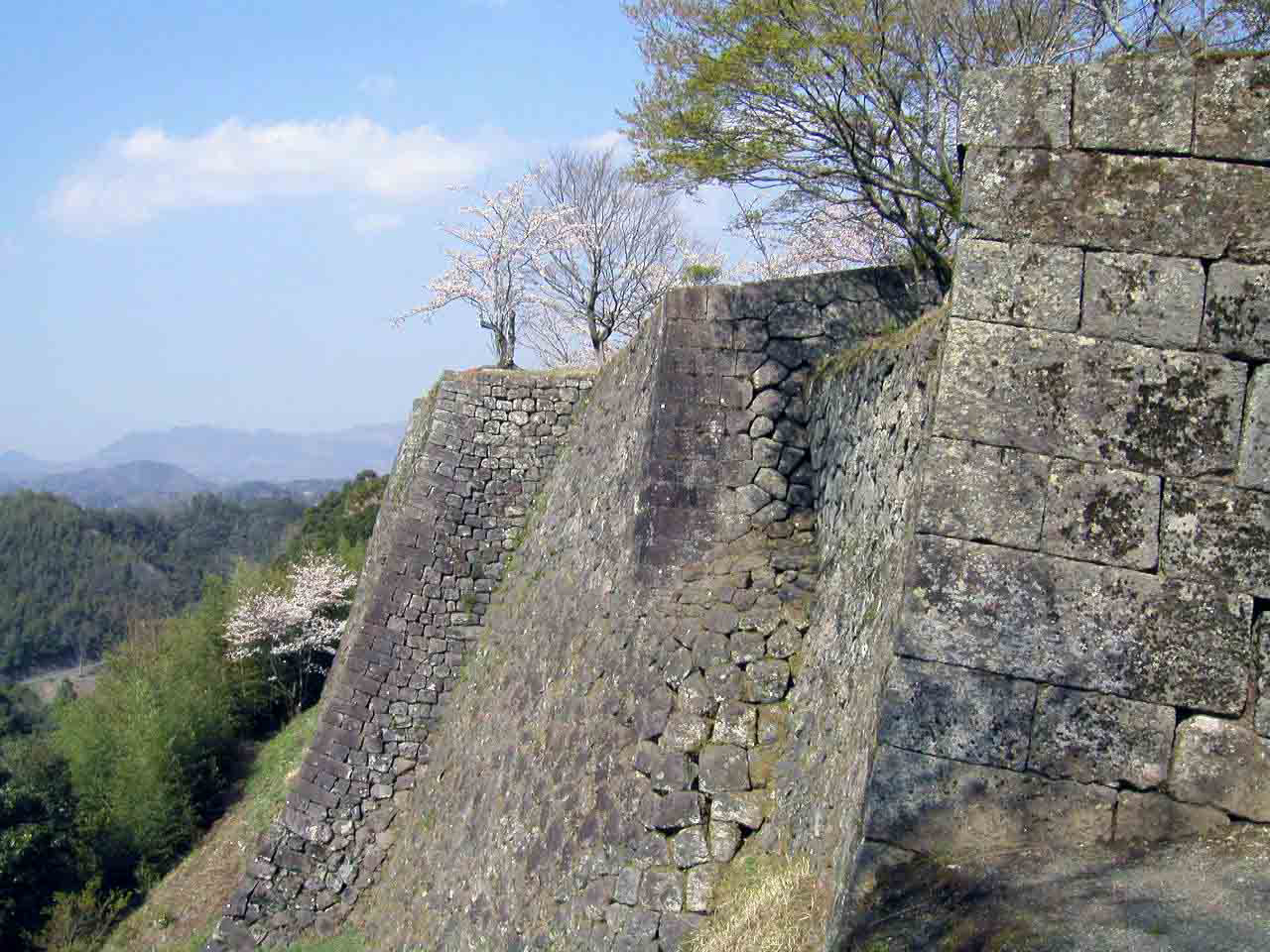 |
Great Castle wall construction, a magnificent view from the top. The Castle originally constructed in 1185, and had been enlarged multiple times and eventually covered a widespread area on the steep hills overlooking a river and all the surrounding countryside up to the Kuju mountain range clearly visible in the distance. |
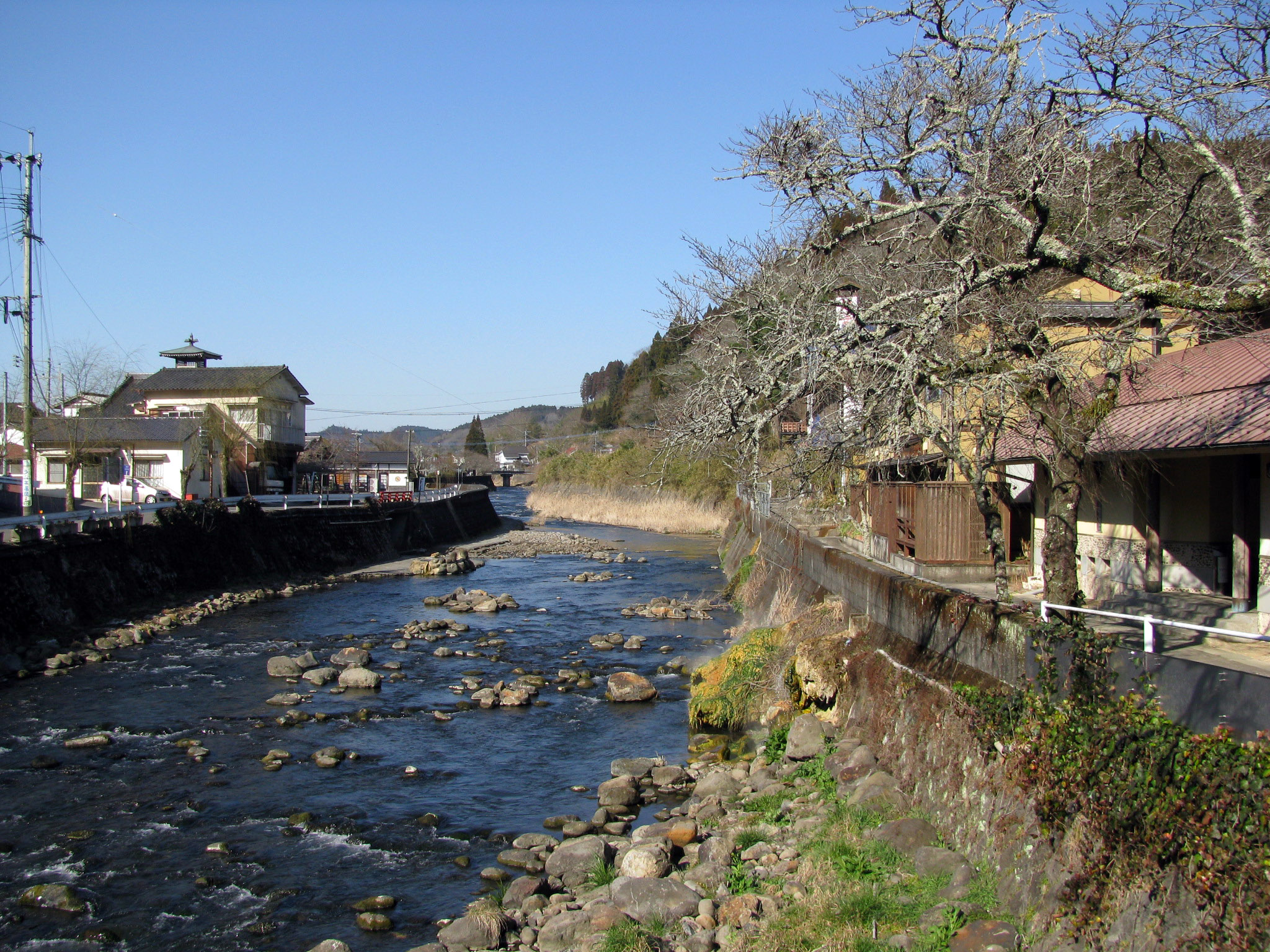 |
The hot spring is known as one of the world’s top carbonate spring. |
 |
A plateau resort area and is a part of Aso Kuju National Park. The plateau of 600 to 1000 metre altitude, spreading at southern part of Kuju and Taisen mountains foot, and is located in between Aso and Takeda. |
 |
The longest pedestrian suspension bridge in Japan and the 2nd longest in the World Splendid and beautiful view from the thrilling suspension bridge over the Naruko river valley. |
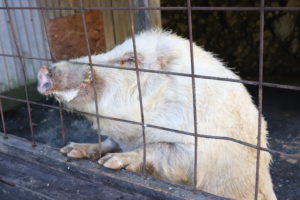 |
Have you ever seen a wild white boar? The wild white bore at the Shrine has function as both guardians and messengers for the deities at Shinto shrines. The white boars are thought to bring happiness. After visiting the shrine, you should ask the cute boars for some good-luck blessings. |
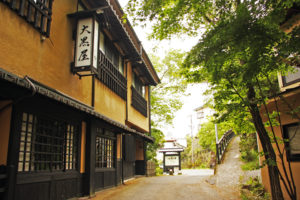 |
A tranquil Onsen Resort at Waita mountain foot of 1,000 metre altitude. It is said that the Onsen was founded more than 1,000 years ago, and now there are 30 Japanese style accommodations called Ryokan in there. |
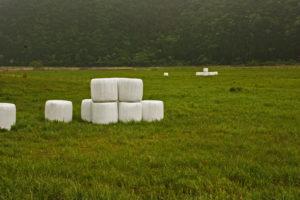 |
The best driving area where the beautiful scenery of Aso Kuju National Park can be enjoyed The Handa kogen Plateau is located in the southern part of Kokonoe-cho, Kusu-gun. The area became a nice sightseeing spot connected to Beppu Onsen and Yufuin in the north and Aso in the south. |
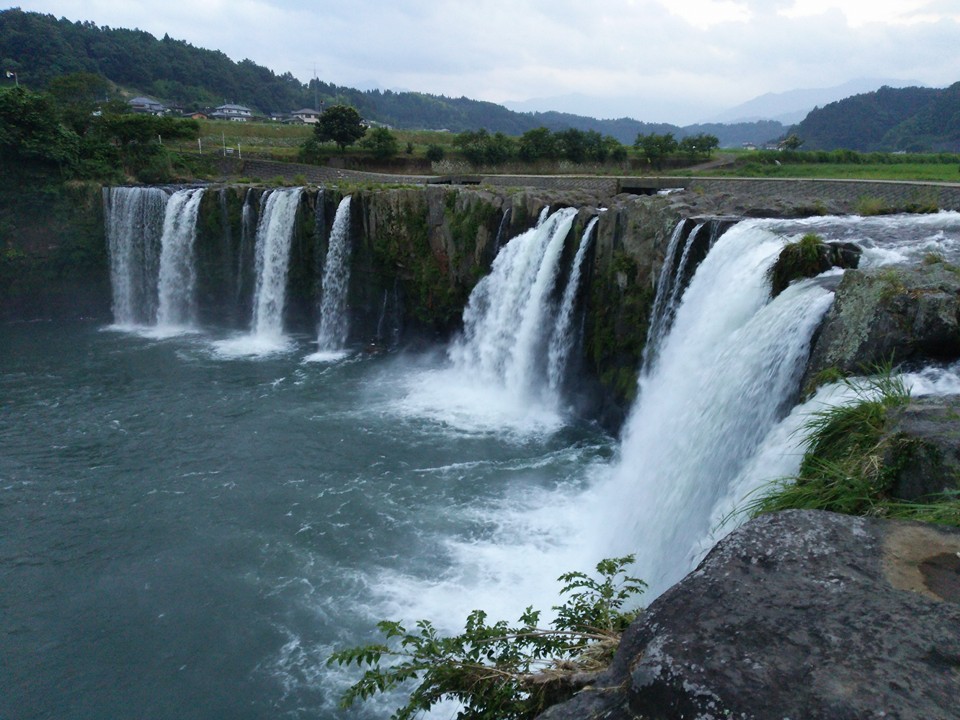 |
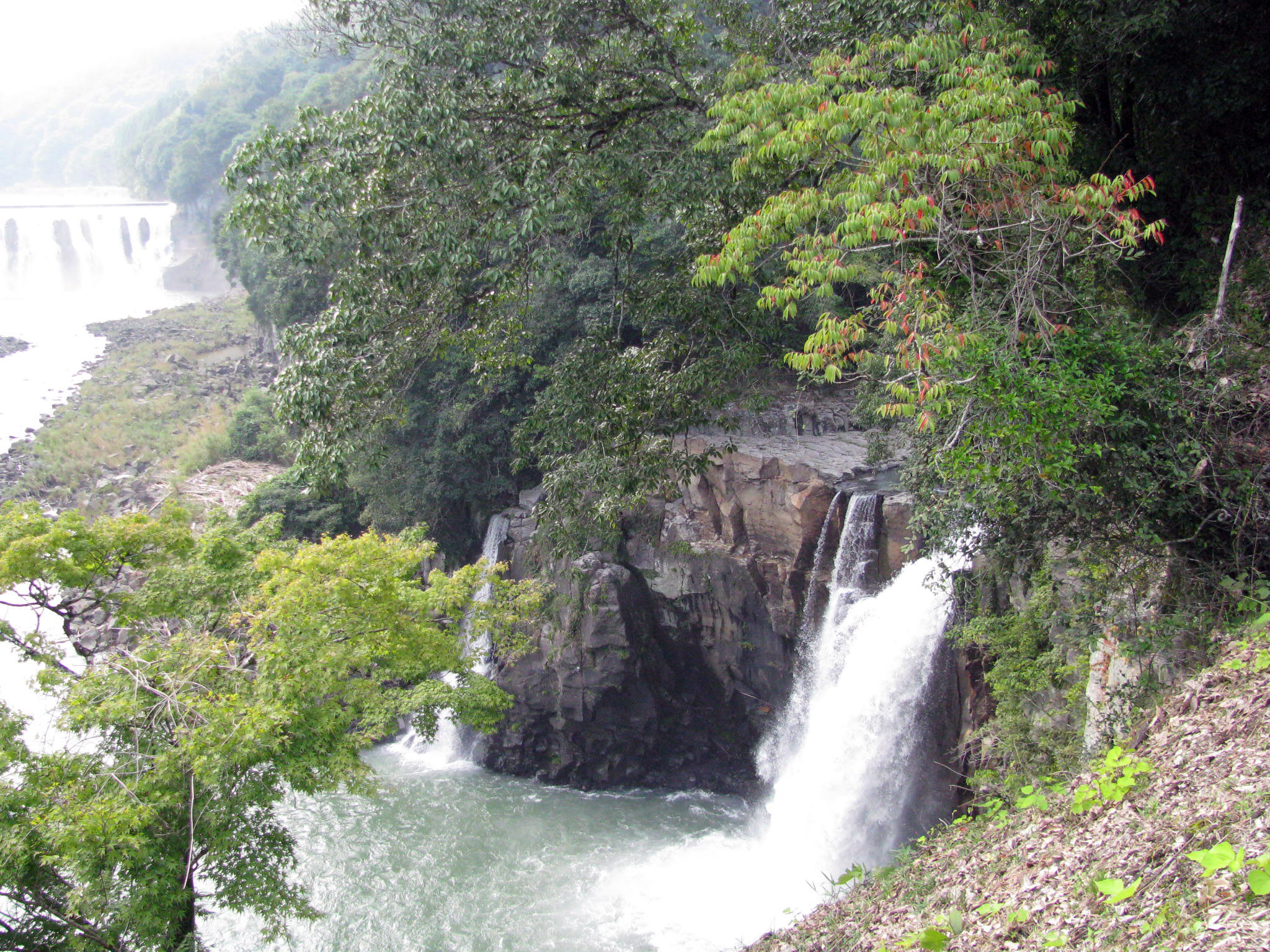
It is called Niagara Falls of Japan. The Ogata River, running through the center of the Ogata plain, flows furiously down a cliff and creates Harajiri Falls. The falls, 120 meters wide and 20 meters tall, are selected as one of the best 100 falls in Japan. Lava flows produced by the great eruption of Mt. Aso accumulated and created Harajiri Falls.
|
Okubungo
Bungo-ono and Ogata travel guide
This Tourist information is created by Japan KYUSHU Tourist for enjoyment
of your travel. We are a Travel Agent in Fukuoka specializing in Kyushu.
When you have an idea or a plan for traveling in Kyushu, Japan, please contact
us by sending an Enquiry.
Okubungo is a Nature-blessed region at Ono River basin, the northern part is surrounded by
Aso & Kuju Mountains. Bungo-ono and Ogawa are located in the southern part of Okubungo.
Bungo-ono and Ogata
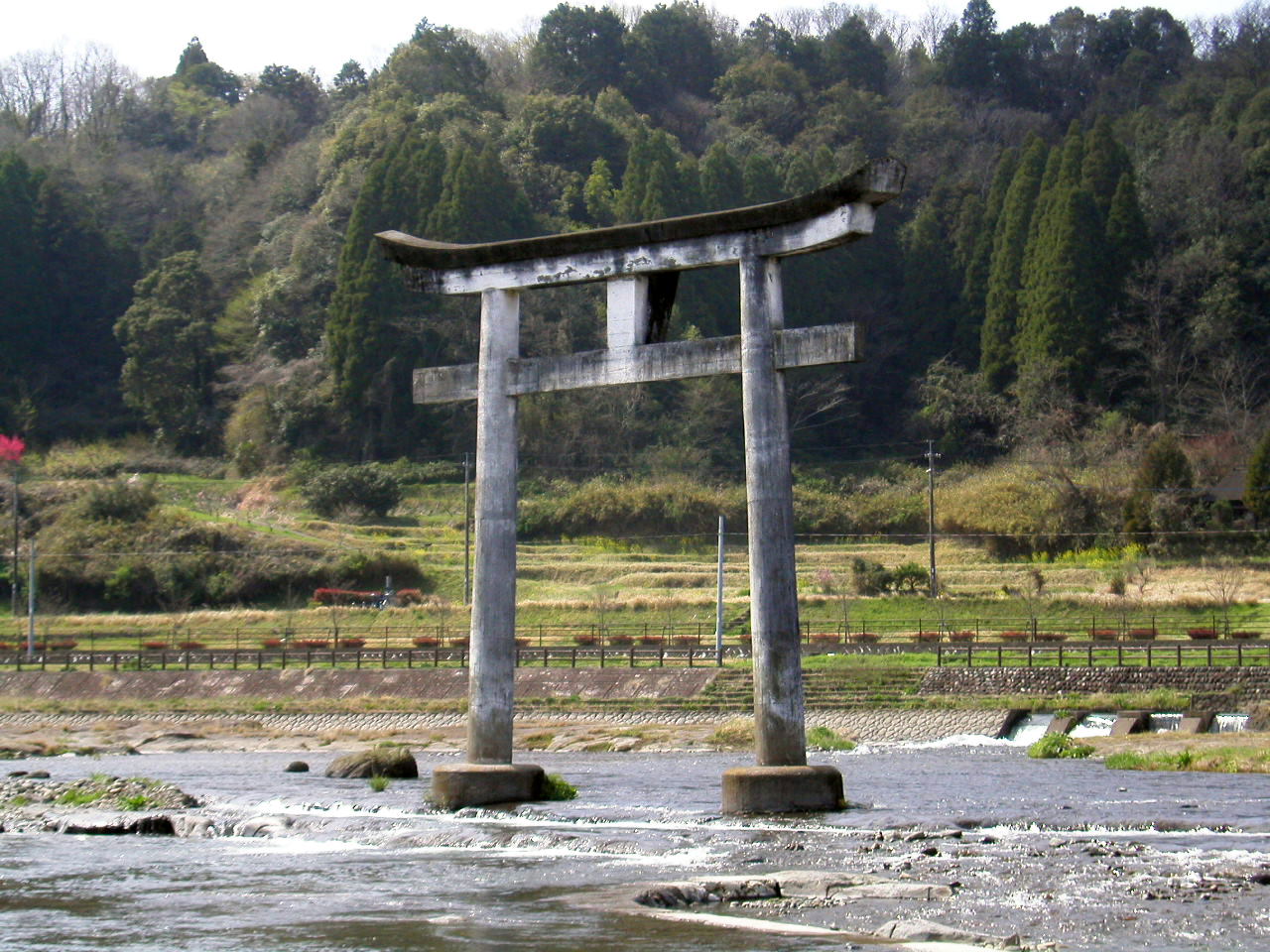
In the Ogata River, running through the center of the Ogata plain in Oita Prefecture
 |
 |
 |
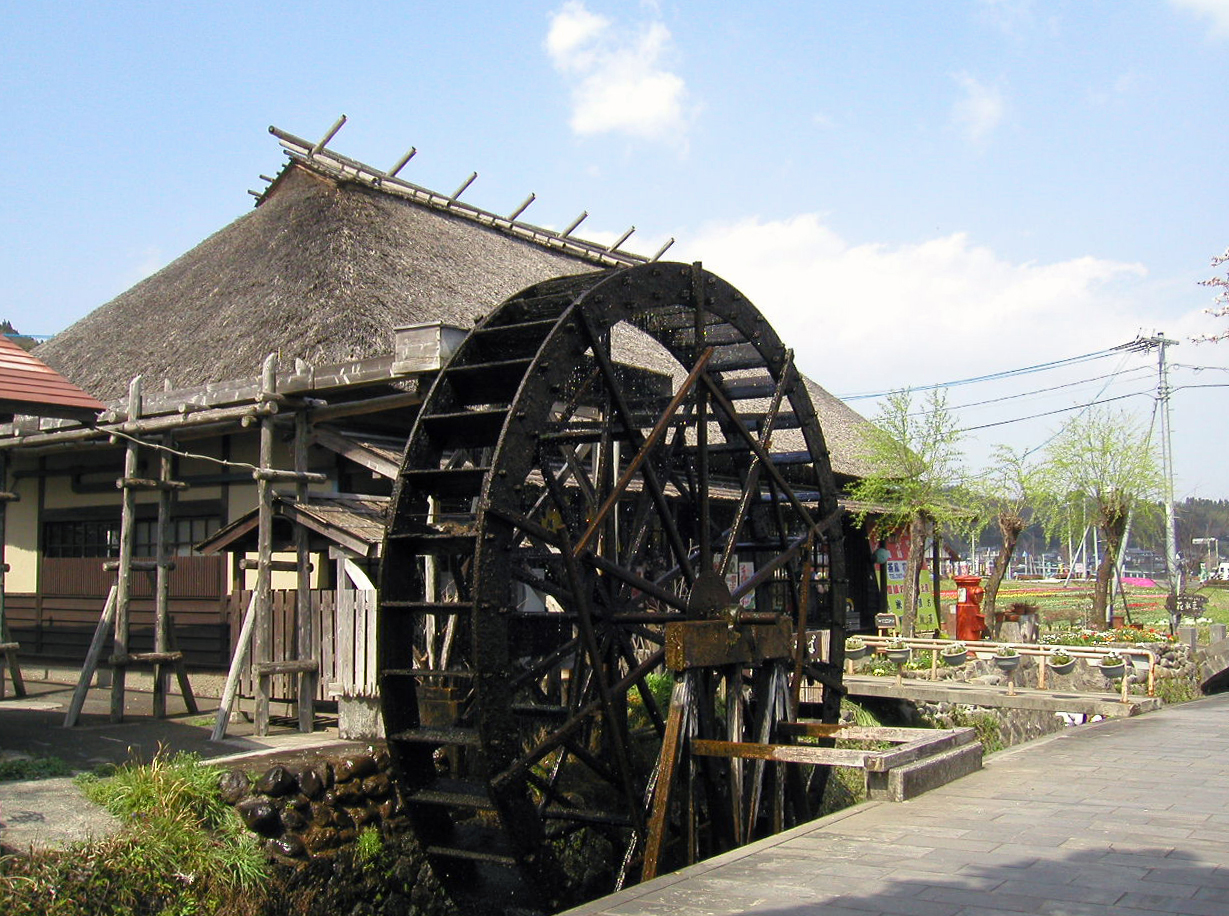
Ogata-machi
 |
|
|
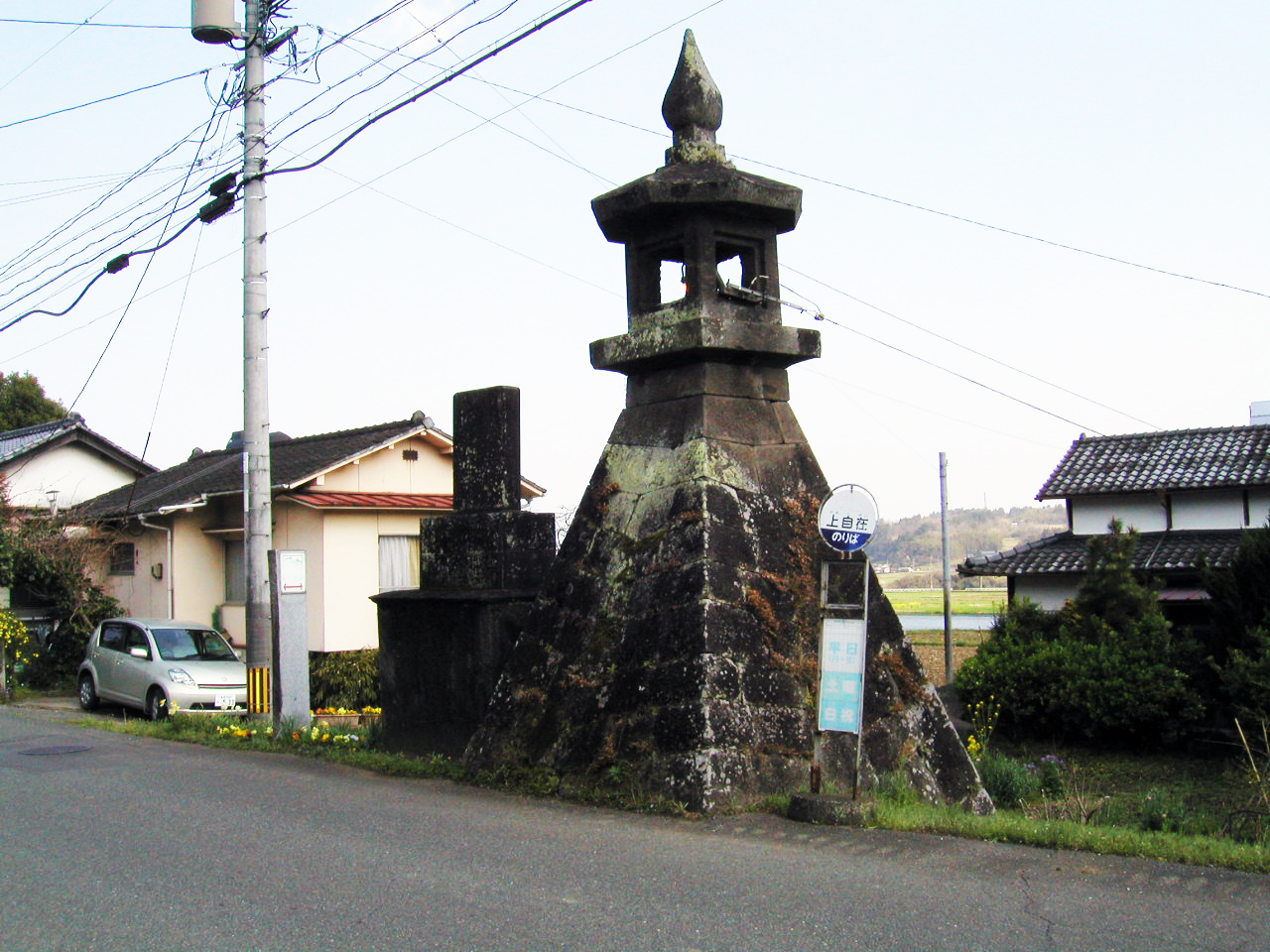
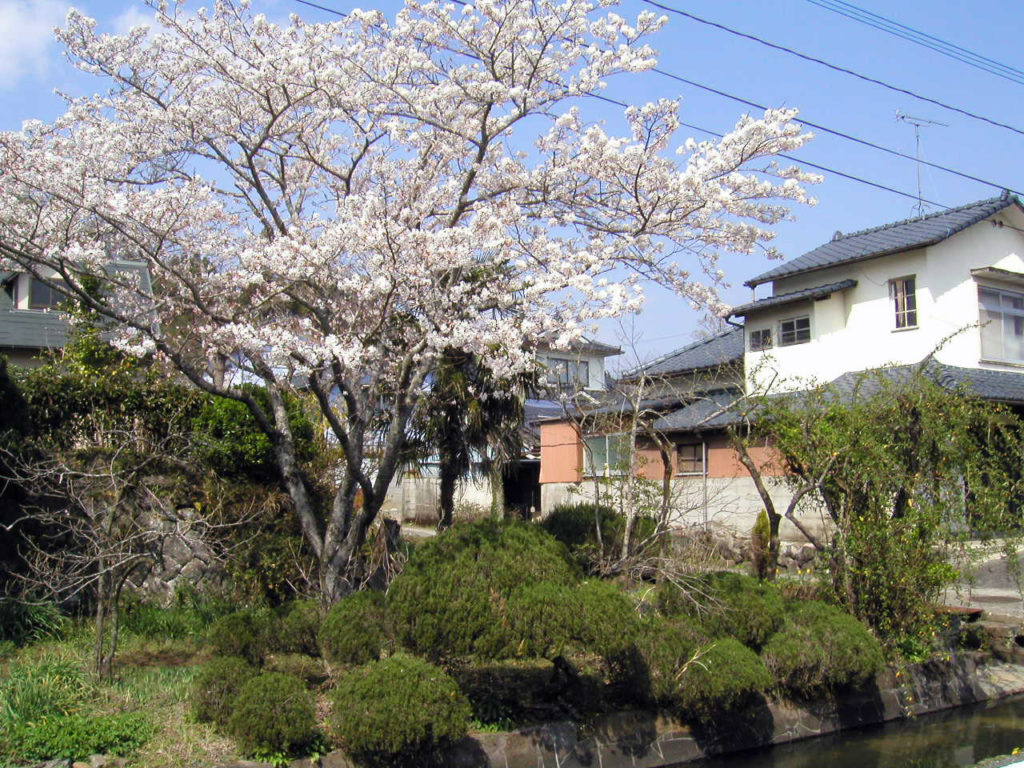
Okubungo Ogata-so
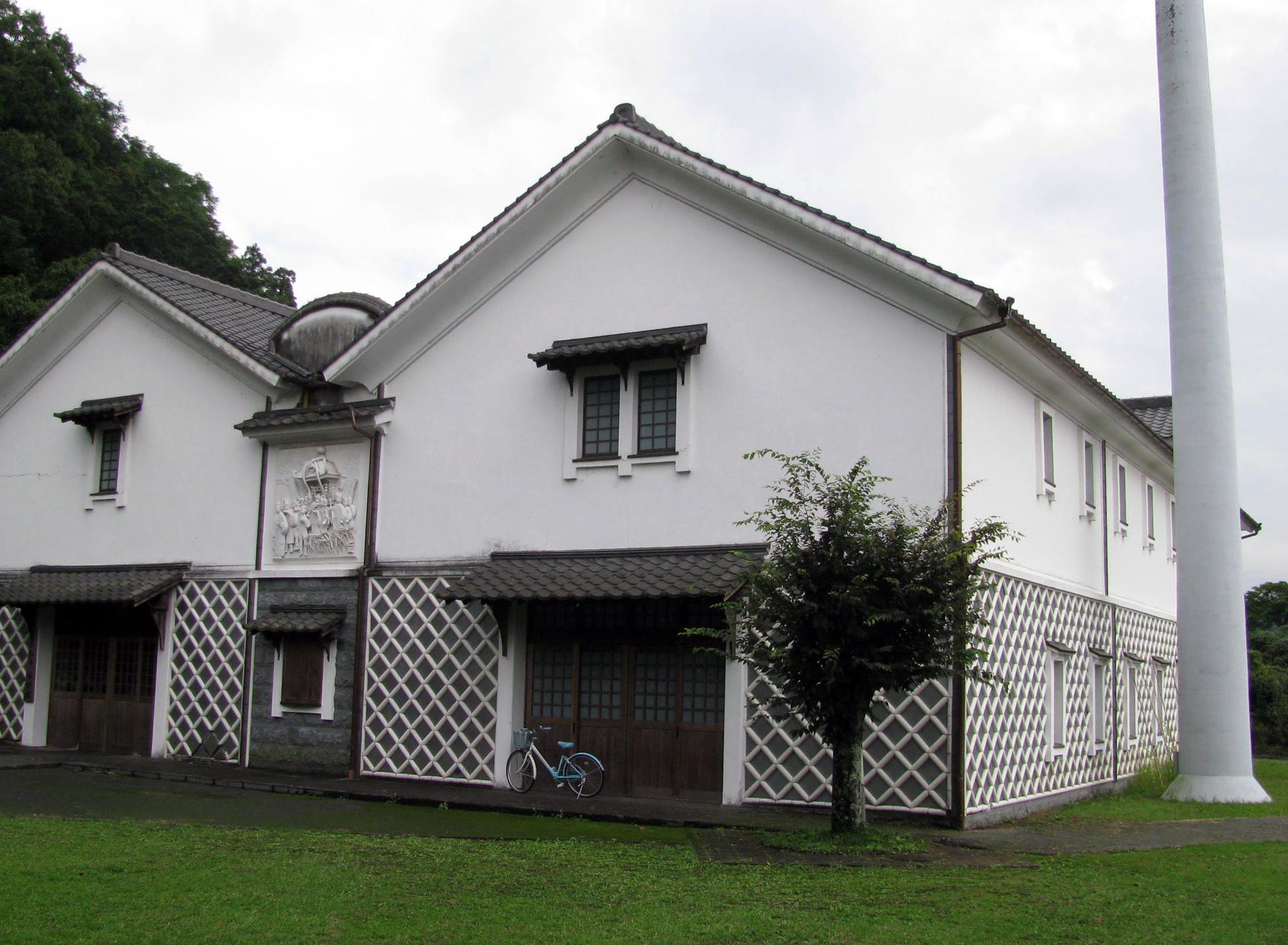
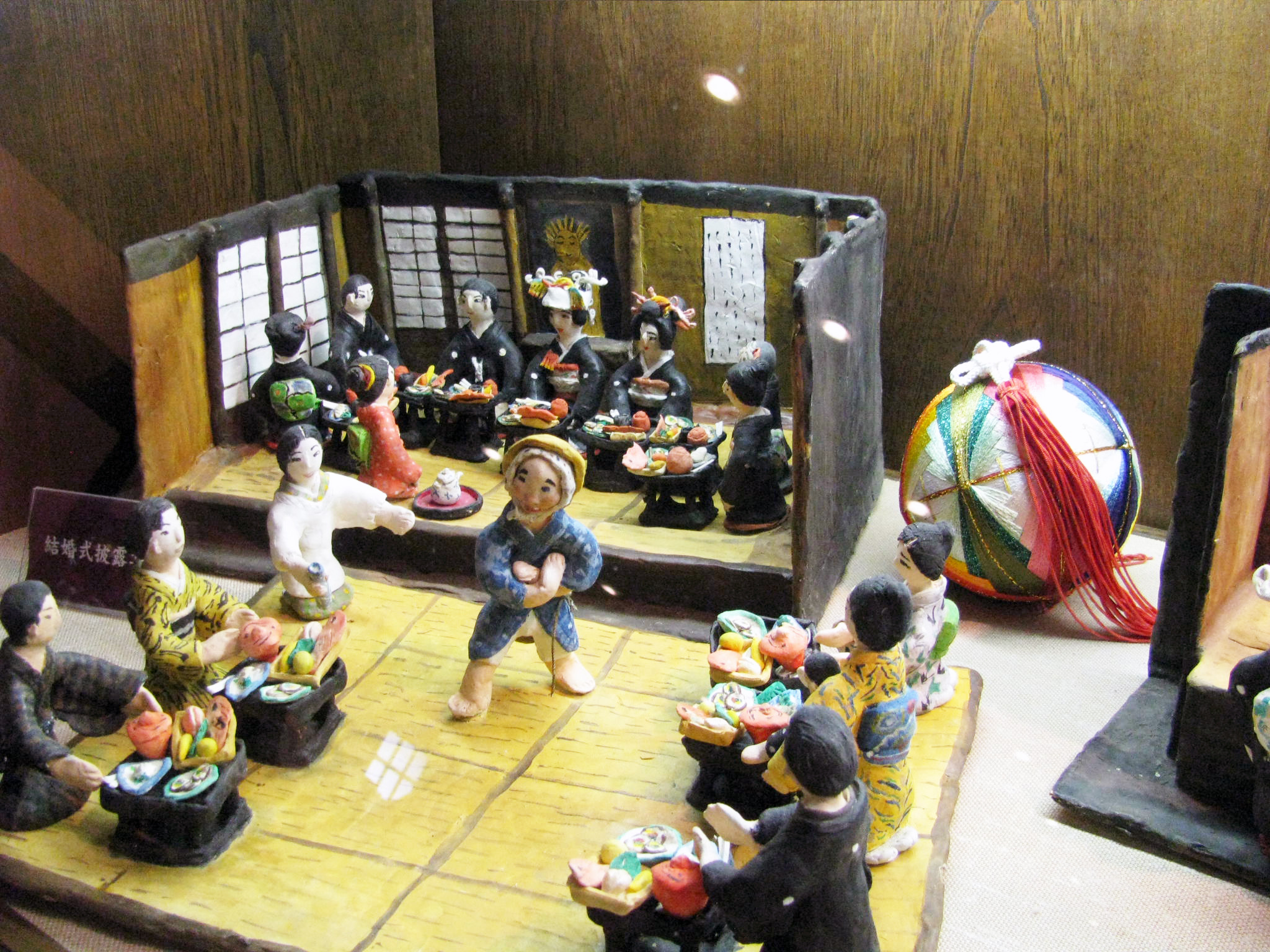
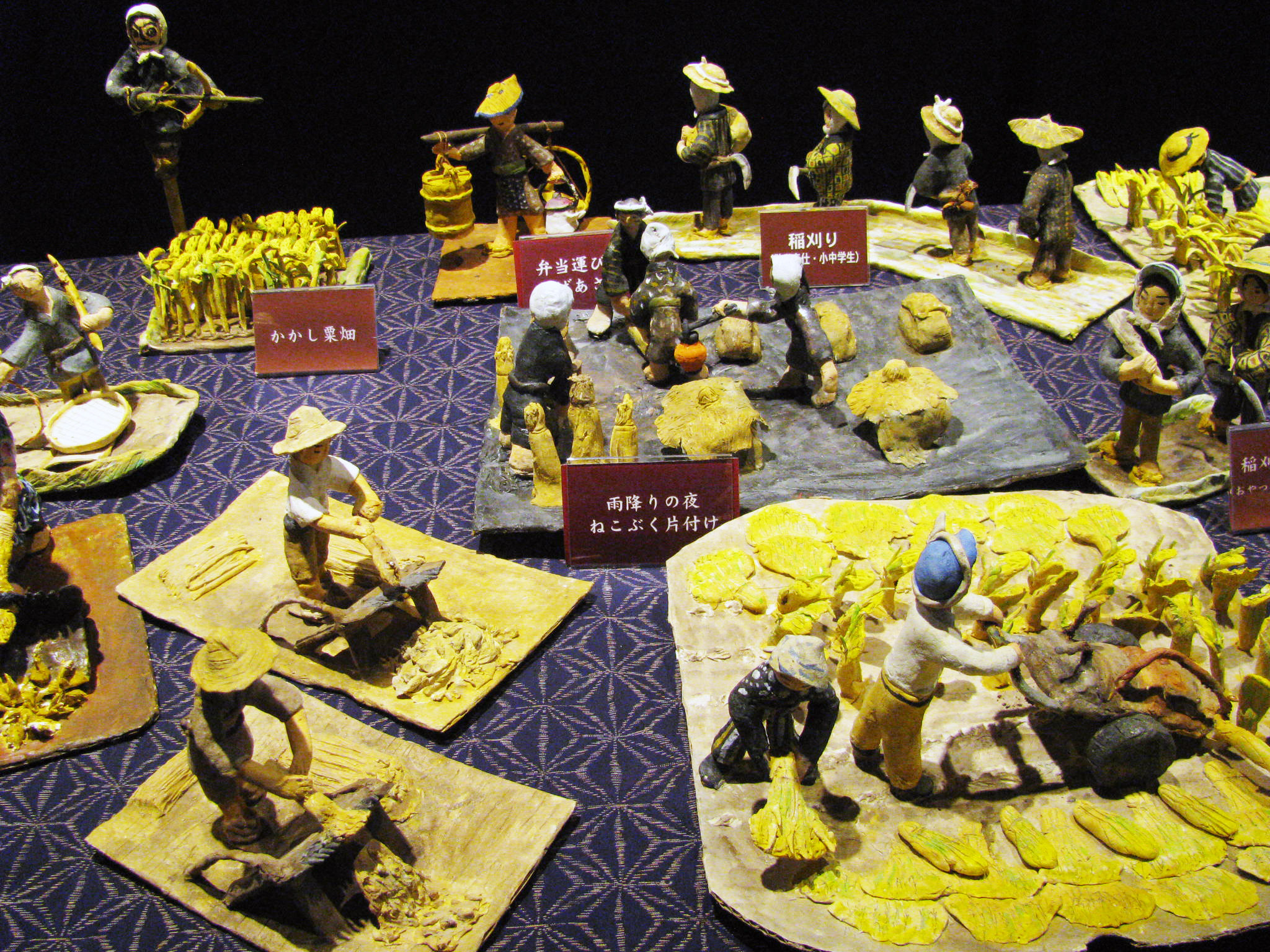
| Densyokan Building | Kinu-san Clay doll | Kinu-san Clay doll |
 |
 |
 |
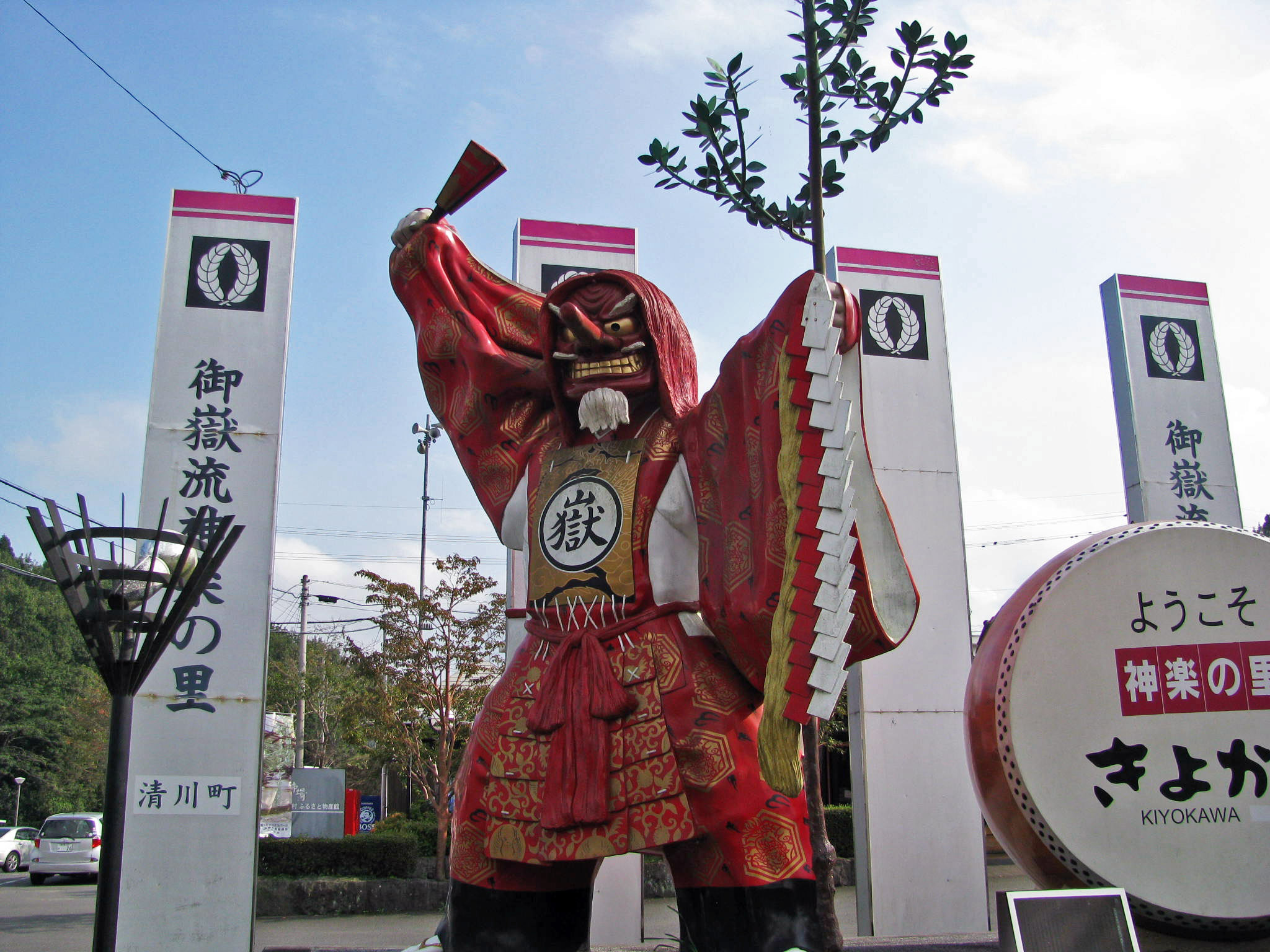
Kiyokawa
|
Michino-eki, local shopping center |
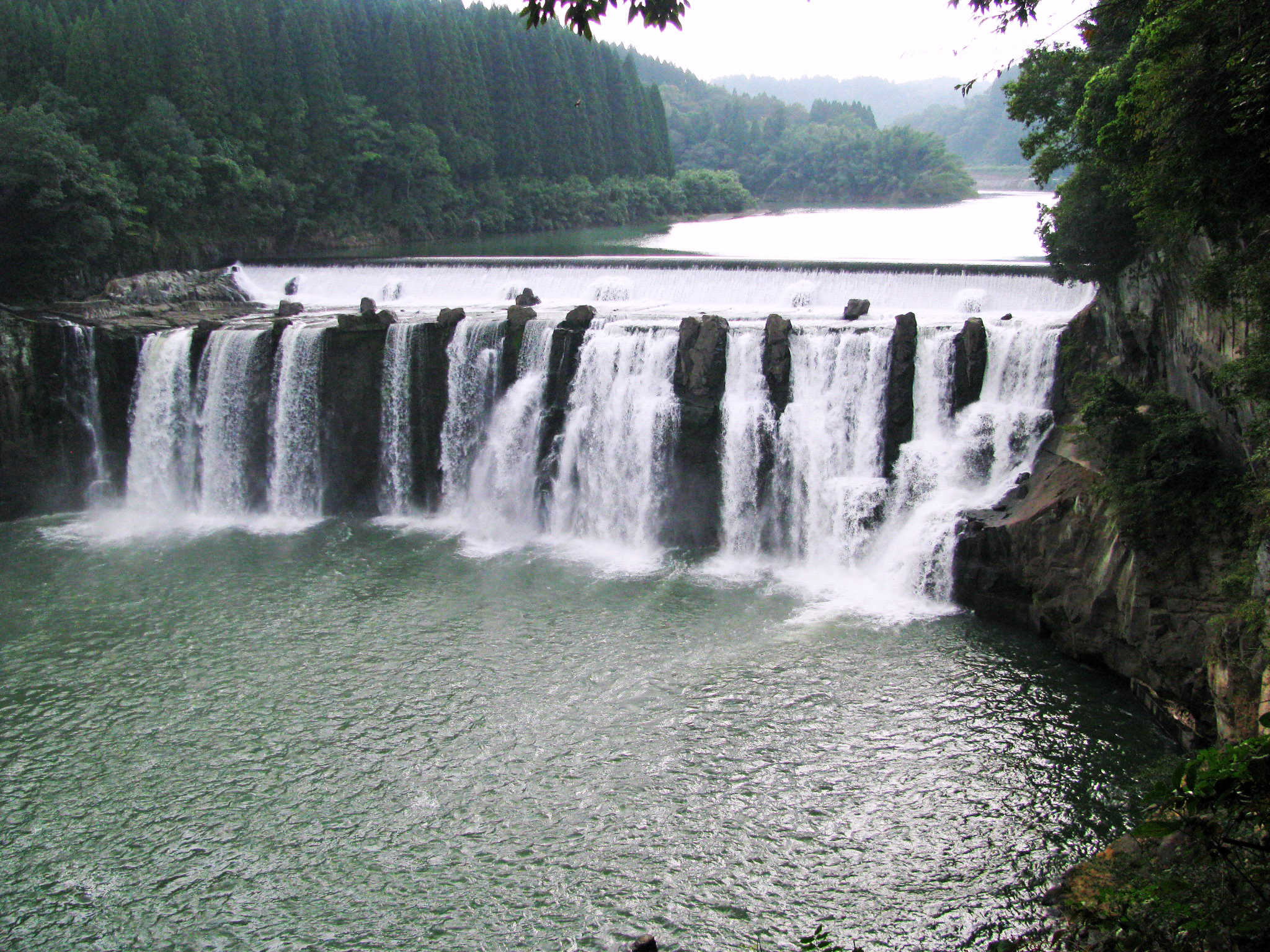
Chindano-taki Water Fall | Chindano-taki Water Fall |
 |
 |
 |
Takeda and Kuju travel guide
This Tourist information is created by Japan KYUSHU Tourist for enjoyment
of your travel. We are a Travel Agent in Fukuoka specializing in Kyushu.
When you have an idea or a plan for traveling in Kyushu, Japan, please contact
us by sending an Enquiry.
Okubungo is a Nature-blessed region at Ono River basin, the northern part is surrounded
by Aso & Kuju Mountains Takada and Kuju are located in the south-west side of Okubungo.
Takeda and Kuju
 |
Great Castle wall construction, a magnificent view from the top. The Castle originally constructed in 1185, and had been enlarged multiple times and eventually covered a widespread area on the steep hills overlooking a river and all the surrounding countryside up to the Kuju mountain range clearly visible in the distance. |
 |
The hot spring is known as one of the world’s top carbonate spring. |
 |
A plateau resort area and is a part of Aso Kuju National Park. The plateau of 600 to 1000 metre altitude, spreading at southern part of Kuju and Taisen mountains foot, and is located in between Aso and Takeda. |
Takeda and Kuju
 WhatsApp: Chat with us